





 Portuguese
  English
  Spanish
  3 min of reading
  0 comments



Restriction on Oil Reignites Discussion on Ethanol in Cuba and Shows How Historical Decisions Expanded the Island’s Energy Dependence.
The new wave of restrictions on oil supply to Cuba has brought to light an old discussion, but one that is increasingly urgent. After all, to what extent has the absence of a solid ethanol program increased the country’s energy dependence?
Today, with frequent difficulties in securing fuels, the island’s vulnerability has become more visible. The debate is not simple. It involves choices made decades ago. It also involves geopolitics, economics, and strategic planning.
While Brazil invested in biofuels, Cuba took a different path. Now, faced with external pressure on oil, the differences between these models become evident.
-
Brazilian giant expands borders in the Southeast: Petrobras confirms new oil discovery in ultra-deep waters in the pre-salt of the Campos Basin.

-
Alert in the global energy market: Severe tropical cyclone hits the coast and disrupts gas production at major plants in Australia, threatening global supply.

-
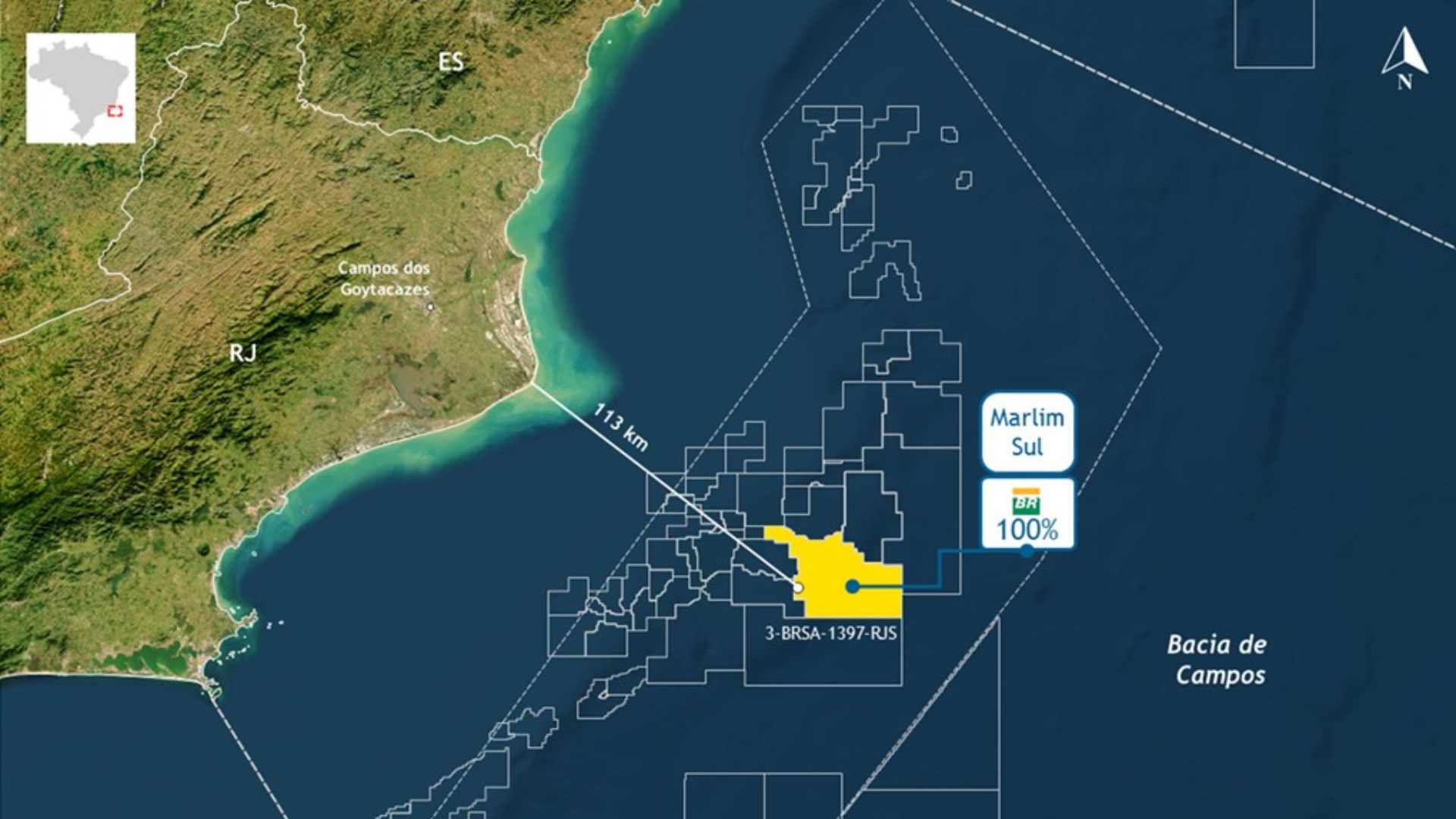
Petrobras finds high-quality oil in the pre-salt at 113 km from RJ and reignites expectations about strategic reserves in the Campos Basin.
-
Ocyan opens registrations for startups focused on innovation in the oil and gas sector and will select projects for Innovation Day with the support of Nexio.


The Brazilian Model and the Response to the Oil Shock
In the 1970s, Brazil faced a severe currency crisis and skyrocketing oil prices. In response, it created Proálcool in 1975. The initiative was born to reduce dependence on imported fuel. But it also had another objective: to absorb excesses from the sugar sector.
Over time, the policy was consolidated. The mandatory mixture of anhydrous ethanol in gasoline — currently around 27% — became a rule. Additionally, hydrous ethanol gained ground, especially after the arrival of flex vehicles in 2003.


This mechanism changed the Brazilian economy. Ethanol stopped being a marginal alternative. It became central to energy policy. It influences inflation, the trade balance, and consumer decisions, who can choose between gasoline and biofuel according to the price.
Cuba and the Geopolitical Context That Shaped Decisions
Cuba, in turn, experienced a different reality. Integrated into the Soviet bloc, it had a guaranteed market for sugar and relatively stable oil supply. In this scenario, investing in ethanol to supply internal transport did not seem like a priority.
However, everything changed in the 1990s with the end of the Soviet Union. The rupture was abrupt. Inputs were lacking. Capital was missing. The sugar sector underwent significant restructuring in the early 2000s, with the closure of mills deemed inefficient.
In light of the fiscal crisis of that period, concentrating resources on more urgent areas may have been seen as rational. However, this decision reduced the industrial base that could have supported a robust ethanol program.
Technical Cooperation Existed, but It Wasn’t Enough
There was an exchange between Cuban and Brazilian specialists on issues related to sugarcane. The recognition of Brazil’s technological advancement was clear.
However, technical cooperation does not replace adequate financing, a strong internal market, and stable regulations. Without these pillars, transforming agricultural potential into concrete energy policy becomes unfeasible.
And thus, the dependence on imported oil remained a central axis of the Cuban system.
Today, with restrictions on oil supply, the country faces direct impacts. An ethanol program would not completely eliminate external dependence. However, it could have acted as a buffer. It could have reduced pressure on imports in critical moments.
Brazil and Cuba responded to different shocks with instruments shaped by their contexts. Each decision made sense within the circumstances of the time. Yet, decades later, the results show distinct trajectories.
While Brazil built a transportation matrix partially protected by biofuels, Cuba became more exposed to fluctuations in the international oil market.








Seja o primeiro a reagir!