





 Portuguese
  English
  Spanish
  2 min of reading



BMW, Ford, and Honda Seal Innovative Partnership With the Launch of ChargeScape, a Strategic Move That Promises to Transform the Relationship Between Electric Vehicles and the Power Grid
The partnership aims to transform the way electric vehicles (EVs) interact with the power grid, providing financial benefits for EV owners while also enhancing the resilience of the power grid itself.
Ambitious Plan
According to sources from Honda Motor, the new company will focus on unlocking the full potential of electric vehicles through more efficient energy management.
The idea is that the services offered will be superior to what combustion cars could provide. In simple terms, imagine being able to save on your electricity bill while also helping to make the power grid more efficient and sustainable.
-
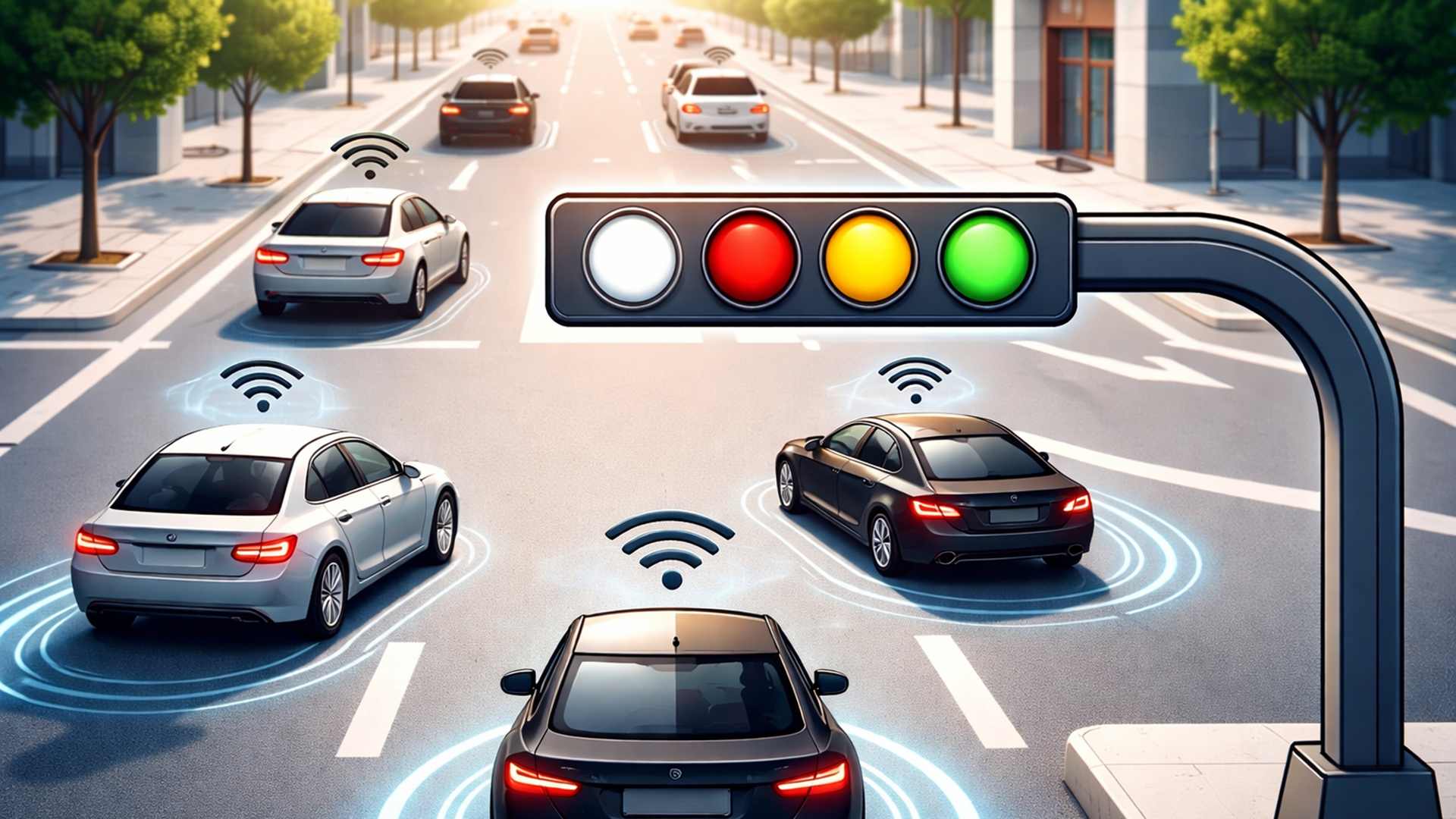
Engineers propose a fourth traffic light for intersections – the change promises to affect crossings, queues, and waiting times.
-
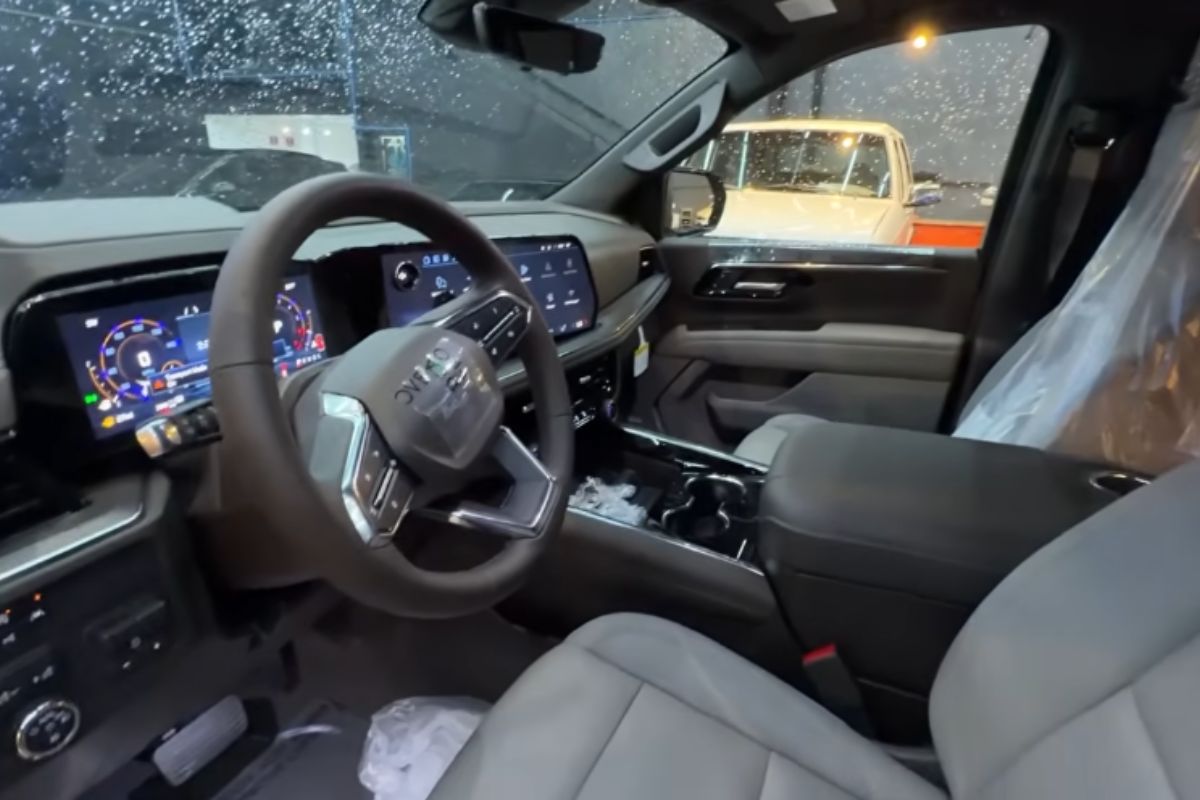
Chevrolet Suburban Z71 lands in Brazil with a V8 engine, off-road design, air suspension, seven seats, and colossal size, a rare version imported for around R$ 1.3 million with luxury and exclusivity.
-
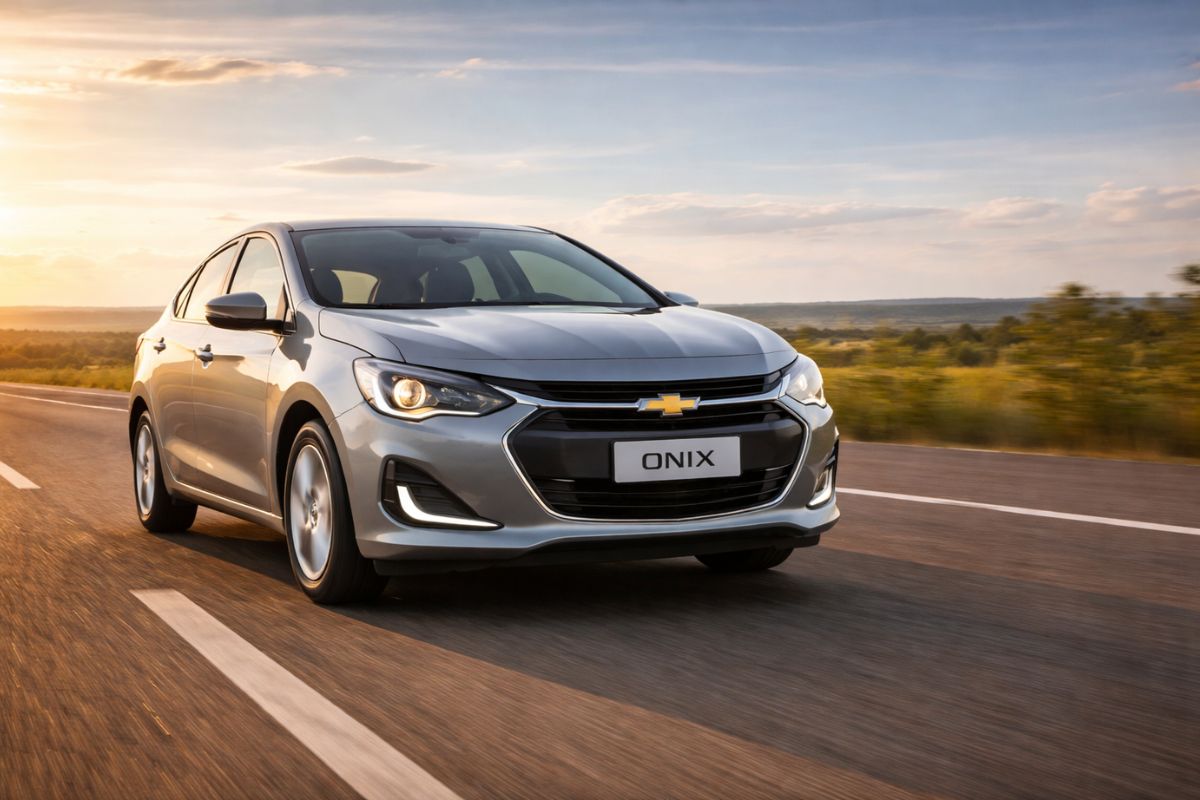
The Chevrolet Onix 1.0 turbo achieves 17.7 km per liter on the highway and ranks among the three most economical cars in Brazil in 2026, alongside two more expensive Toyota hybrids available at dealerships.
-
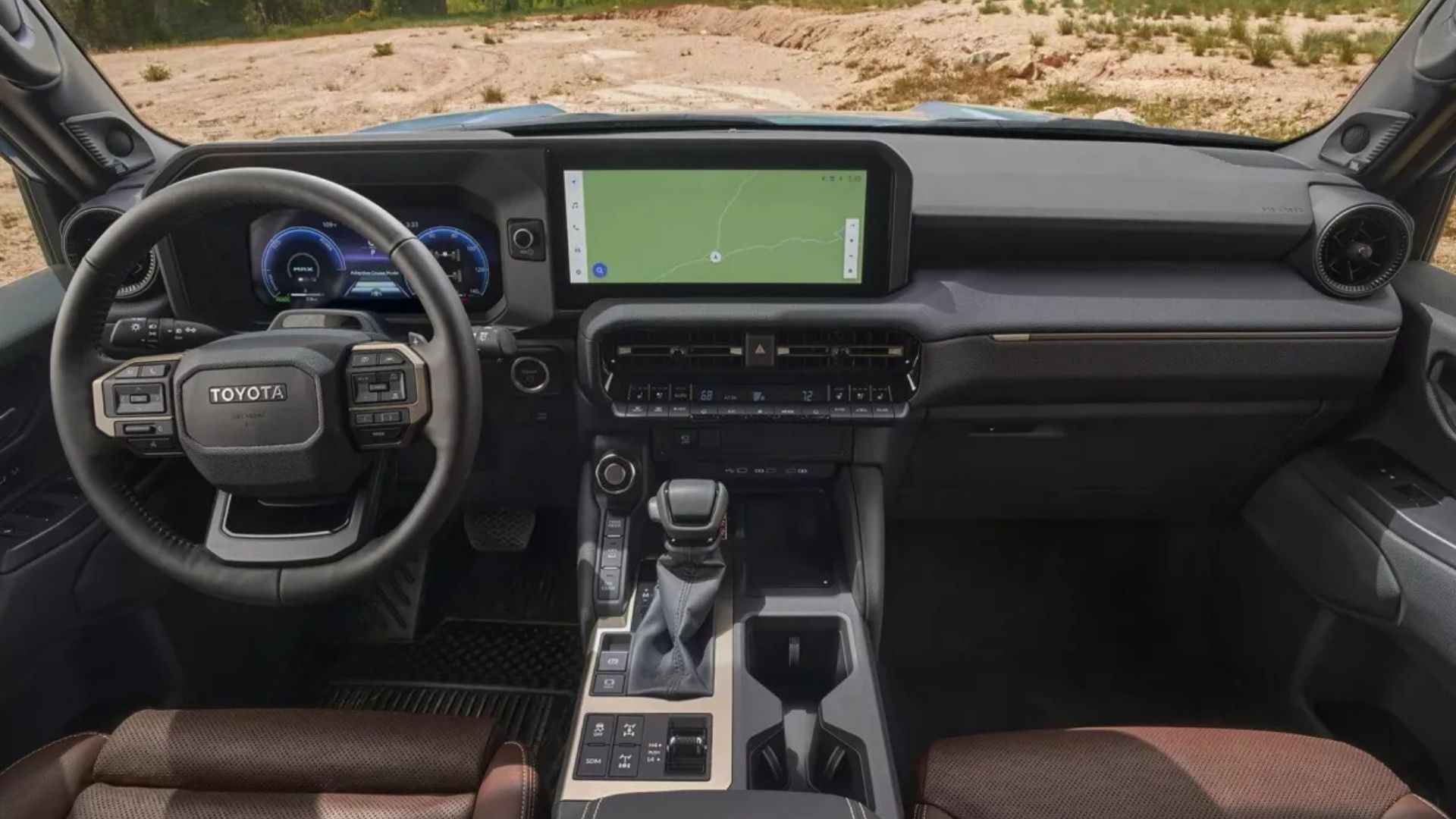
Little sister of the Hilux: Toyota launches Land Cruiser FJ with 4 radical versions, 2.7 engine with 166 hp and 4×4 traction with locking.

Unique Platform
The heart of this bold project is a unique platform that will connect electric utility companies, automakers, and consumers themselves.
This “tripod” will enable smarter energy management for a wide range of EVs. This means that soon, your electric car from Honda, BMW, or Ford could communicate directly with the power grid to optimize energy use.
Decarbonization and Renewable Energy: The Role of ChargeScape in Reducing Carbon Footprint
The main attraction here is the financial benefit for EV owners. How? The platform will allow the charging of vehicles during times when electricity is cheaper.
Additionally, during peak demand periods, the energy stored in vehicle batteries can be returned to the grid, creating balance and preventing overloads.
The initiative comes at a crucial time when the rapid growth in the adoption of electric vehicles is generating a higher demand for electricity. The project also seeks to strengthen the use of renewable energy, such as wind and solar, in the effort to reduce carbon footprint.









Seja o primeiro a reagir!