





 Portuguese
  English
  Spanish
 5 min of reading
  0 comments


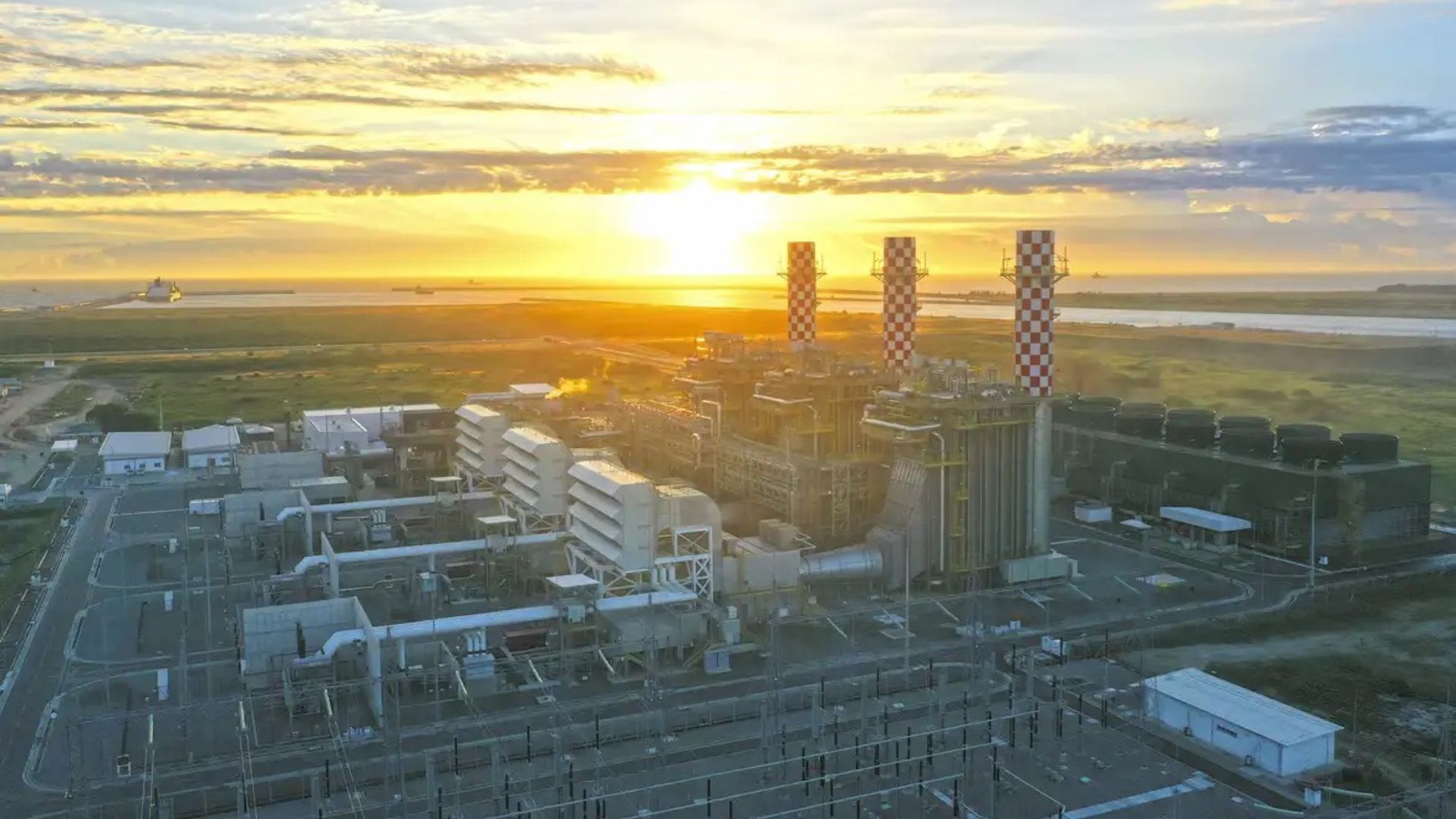
BNDES Strengthens Brazilian Electric Matrix by Directing Strategic Investment to a Natural Gas Thermoelectric Plant at Porto do Açu. The Project Expands Energy Generation, Strengthens National Infrastructure, and Boosts the Economy.
The National Bank for Economic and Social Development (BNDES) announced the acquisition of R$ 375 million in debentures from GNA II Energy Generation S.A., reinforcing the financing of the natural gas thermoelectric plant UTE GNA II, located at Porto do Açu in São João da Barra, in the north of the state of Rio de Janeiro. According to a publication made by the BNDES News Agency on January 30, the investment strengthens the security of the national electric system, increases generation capacity, and has significant economic impacts, consolidating the largest natural gas thermoelectric complex in Latin America.
BNDES, Investment, and Natural Gas Thermoelectric Plant at Porto do Açu
The amount corresponds to 50% of a total issuance of R$ 750 million in debentures, with the other half acquired by Kinea Investimentos. The resources will be allocated to complement the necessary investment for the plant’s implementation, which had already received direct financing from BNDES of R$ 3.93 billion, approved in November 2020.
The BNDES announcement reinforces the bank’s role as a structuring agent for strategic energy infrastructure projects in Brazil. The acquisition of debentures from GNA II adds to a trajectory of financial support for ventures capable of ensuring electric supply and reducing risks to the National Interconnected System.
-
Brazilian giant expands borders in the Southeast: Petrobras confirms new oil discovery in ultra-deep waters in the pre-salt of the Campos Basin.

-
Alert in the global energy market: Severe tropical cyclone hits the coast and disrupts gas production at major plants in Australia, threatening global supply.

-
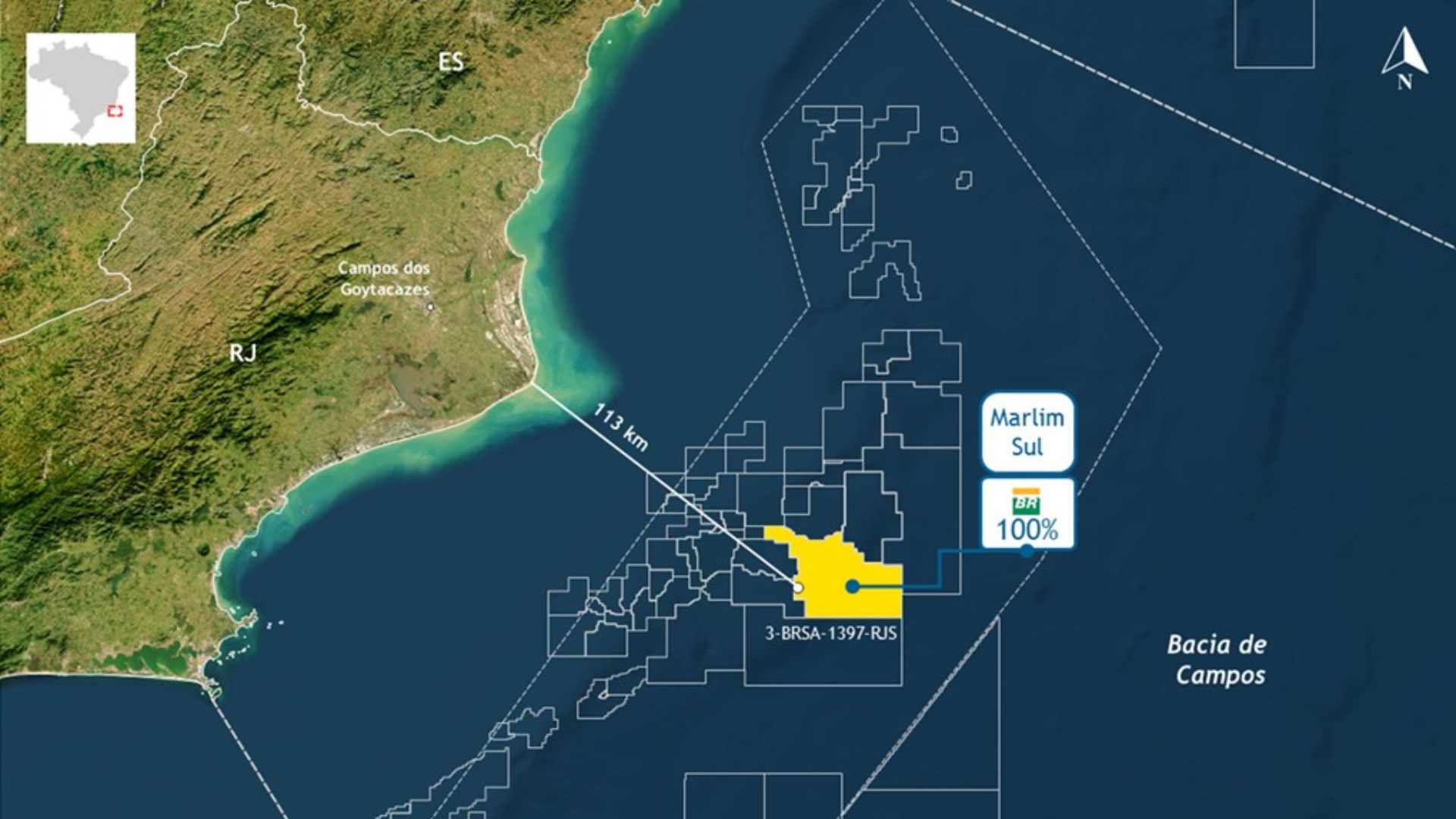
Petrobras finds high-quality oil in the pre-salt at 113 km from RJ and reignites expectations about strategic reserves in the Campos Basin.

-
Ocyan opens registrations for startups focused on innovation in the oil and gas sector and will select projects for Innovation Day with the support of Nexio.


The UTE GNA II project is considered strategic for Brazil’s energy policy, especially in a context of greater participation of intermittent renewable sources, such as solar and wind. In this scenario, natural gas thermoelectric plants play a crucial role in supporting the system.
Additionally, the investment aligns with the federal government’s strategy to ensure reliability, predictability, and stability in the electrical sector, especially during periods of water scarcity.


Natural Gas Thermoelectric Plant UTE GNA II and Generation Capacity
The UTE GNA II is a natural gas thermoelectric plant in combined cycle, with installed capacity of 1,672.6 megawatts (MW). The plant began commercial operation in May 2025, significantly increasing the firm energy supply in the country.
Located at Porto do Açu, the plant integrates, along with UTE GNA I, the Porto do Açu Thermoelectric Complex. This facility has become the largest natural gas thermoelectric park in Latin America. The scale of the project allows for a significant increase in energy supply, in addition to contributing to the stability of the electrical system during peak demand moments.
Porto do Açu, Natural Gas, and Integrated Energy Infrastructure
The Porto do Açu has established itself as one of the country’s main energy hubs, combining port, logistics, and integrated energy infrastructure. Its strategic location facilitates access to natural gas, enhancing supply security.
The presence of the natural gas thermoelectric plant in the complex reduces logistical bottlenecks and increases operational efficiency. This makes the venture more competitive and resilient, both technically and economically. Furthermore, the use of existing infrastructure at the port contributes to cost optimization and attracts new investments along the energy chain.
Economic Impact of BNDES Investment
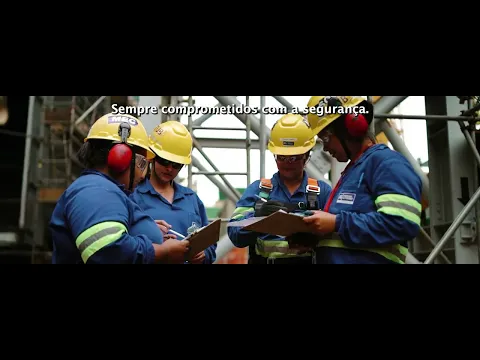
During the implementation phase of UTE GNA II, the project generated approximately 22 thousand direct and indirect jobs, demonstrating the significant impact of infrastructure investment on the real economy.
The venture boosted the local and regional economy, stimulating sectors such as construction, specialized services, logistics, and industrial equipment supply. This multiplier effect is one of the main objectives of BNDES financing.
In addition to the impact during construction, the operation of the thermoelectric plant maintains skilled jobs and generates tax revenue for the municipality and the state of Rio de Janeiro.
BNDES, Natural Gas, and Security of the Electric System
According to BNDES President Aloizio Mercadante, the approved project integrates President Lula’s government’s strategy to ensure the security of the national electric supply system.
The plant was designed to operate with up to 50% hydrogen in place of natural gas, increasing its technological flexibility and future adaptation potential. Additionally, the plant uses seawater through desalination, preserving continental water resources.
These features make the thermoelectric plant more modern and aligned with discussions about energy transition, without compromising the reliability of energy supply.
Financial Structure and Debentures of the Project
The issuance of debentures totaling R$ 750 million was structured as a means to complement the necessary investments for the project. BNDES acquired R$ 375 million, while Kinea Investimentos was responsible for the second series, of equal value.
This financing model combines public and private resources, expanding the capacity for investment in infrastructure. The predictability of cash flow and the real guarantees of the project make the operation attractive to institutional investors. BNDES’s participation also serves as a credibility seal, reducing risks and facilitating the sourcing of funds in the capital market.

Kinea, Investment in Infrastructure and Confidence in the Project
Kinea Investimentos made its investment through the infrastructure credit vertical of the manager. According to the company, the decision considered the financial and technical robustness of UTE GNA II.
The project is operational, has real guarantees, and presents predictable cash flow, fundamental characteristics for long-term investments in energy infrastructure. The operation has a direct impact on the real economy, besides being aligned with Kinea’s strategy of investing in assets essential to the country’s development.
BNDES, Natural Gas Thermoelectric Plant, and Strategic Role in the Energy Matrix
Natural gas thermoelectric plants occupy a strategic position in the Brazilian electric matrix. Although the country has a strong participation of renewable sources, thermal generation is essential to ensure stability and meet demand during periods of lower hydropower generation or intermittency of renewables.
BNDES’s investment in the natural gas thermoelectric plant at Porto do Açu reinforces this logic, prioritizing efficient, large-scale projects with more modern technologies. The use of natural gas, along with the future possibility of incorporating hydrogen, expands the country’s alternatives in the pursuit of a safer and more diversified energy matrix.
A Project that Strengthens Energy, Economy, and Long-Term Planning
The contribution of R$ 375 million from BNDES to UTE GNA II, at Porto do Açu, goes beyond a financial operation. It is a strategic move that strengthens energy infrastructure, stimulates economic development, and enhances the security of the national electric system.
With 1,672.6 MW of installed capacity, generation of thousands of jobs, and integration into one of the largest energy complexes in Latin America, the natural gas thermoelectric plant establishes itself as a key player in Brazilian energy planning.
The project demonstrates how well-structured investments can combine efficiency, economic impact, and forward-thinking, reinforcing BNDES’s role as a protagonist in the country’s development.








Seja o primeiro a reagir!