





 Portuguese
  English
  Spanish
 4 min of reading
  3 comments


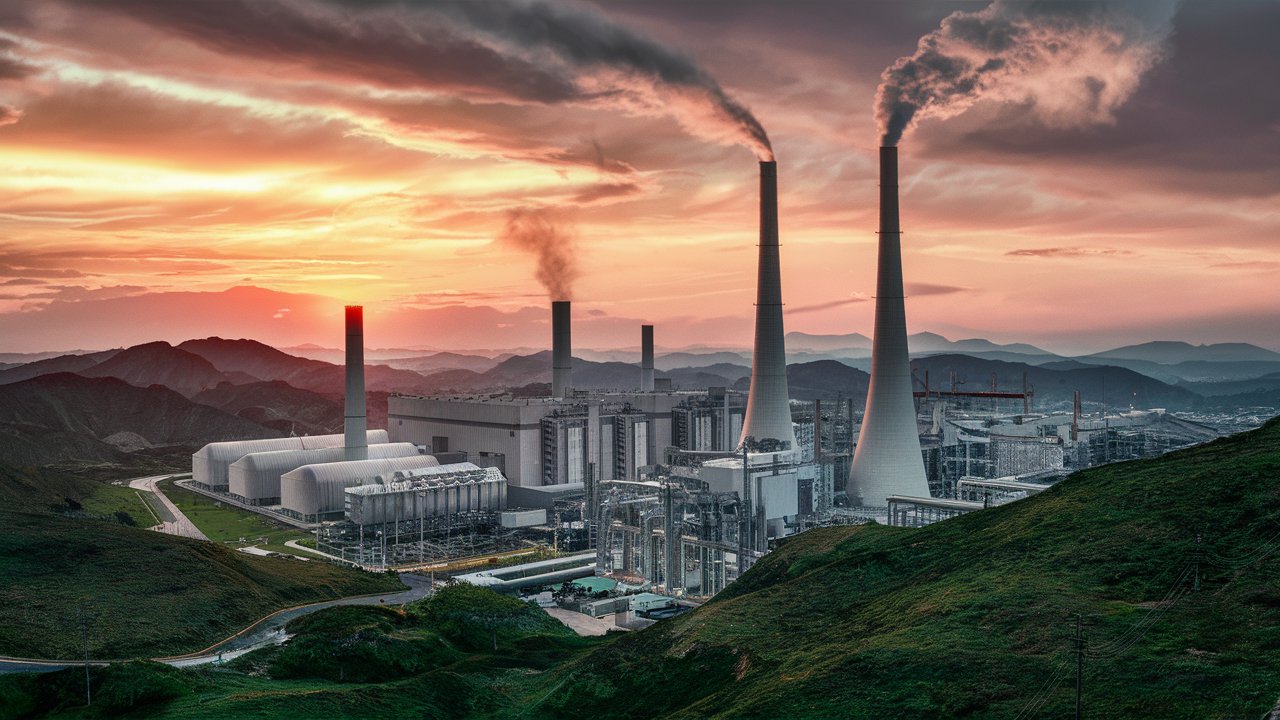


In a Bold and Visionary Initiative, the National Bank of Economic and Social Development (BNDES) Announced, in September 2024, an Investment of R$ 3.8 Billion for the Construction of a Natural Gas-Fired Thermal Power Plant.
Certainly, the natural gas-fired thermal power plant UTE Portocem I, managed by Portocem Geração de Energia S.A., was designed to meet the growing demand for sustainable and efficient energy in Brazil. The estimated start of construction is set for the first quarter of 2025, with completion expected by the end of 2028. In fact, this project not only strengthens the country’s energy infrastructure but also creates a positive impact on the Northern region’s economy. Moreover, it creates jobs and promotes significant technological advances. Furthermore, it reinforces Brazil’s strategic position in the global energy landscape.
Key Points of the Project:
- Strategic location in Barcarena, Pará.
- Use of natural gas as the main energy source.
- Part of a larger plan to modernize the Brazilian energy sector.
How Was the Financing Structured?
On the other hand, BNDES played a crucial role in the financial viability of the project. In June 2024, the issuance of infrastructure debentures totaling R$ 4.5 billion was organized. Of this total, R$ 3.8 billion were subscribed directly by the bank, consolidating the financial support. Thus, the project received robust and structured financial support.
-
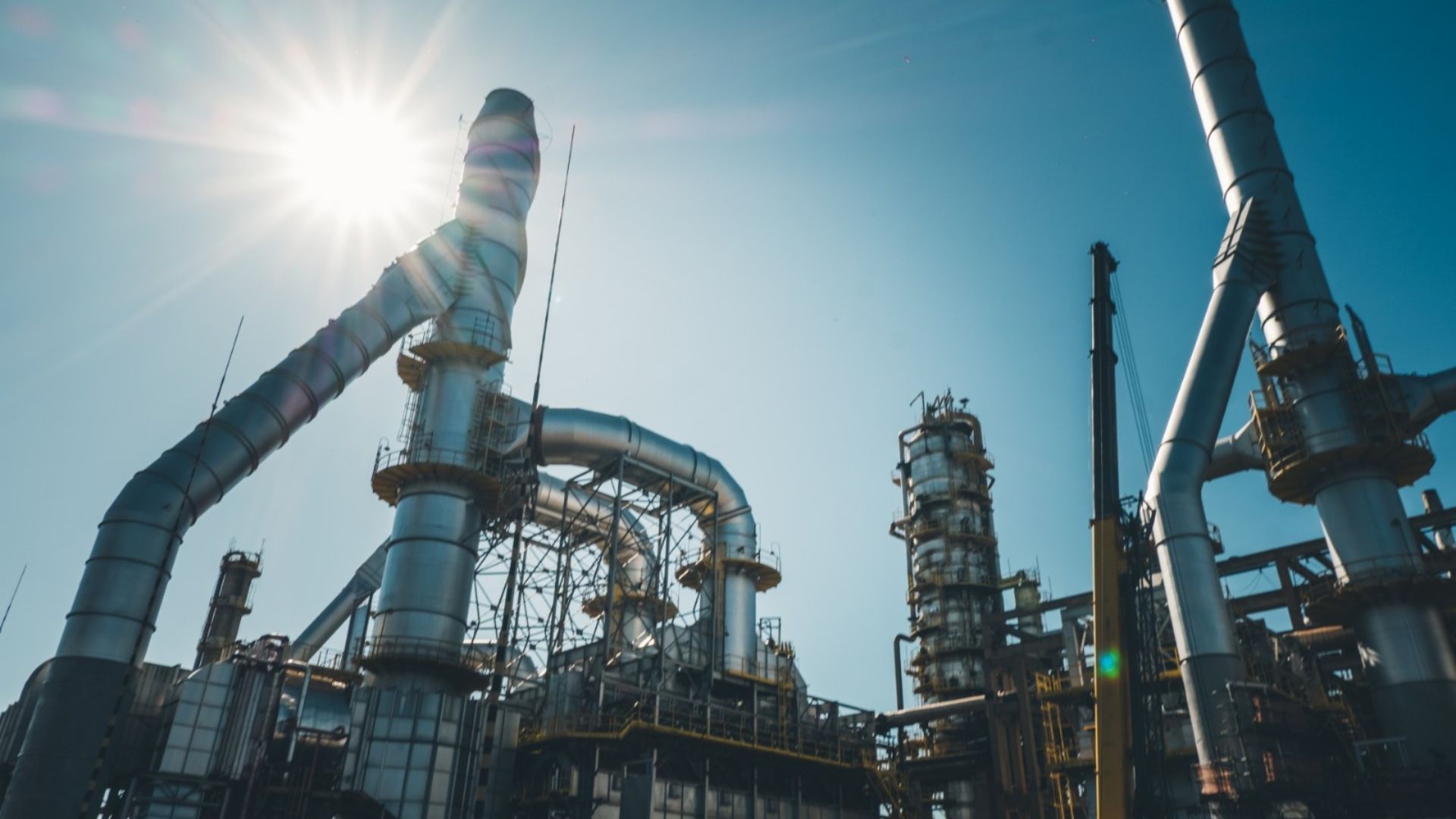
Petrobras Expands Refining in Brazil, Increases Production of Diesel S-10 and Gasoline, Enhances Operational Efficiency, and Reduces Import Dependence Between 2023 and 2025
-
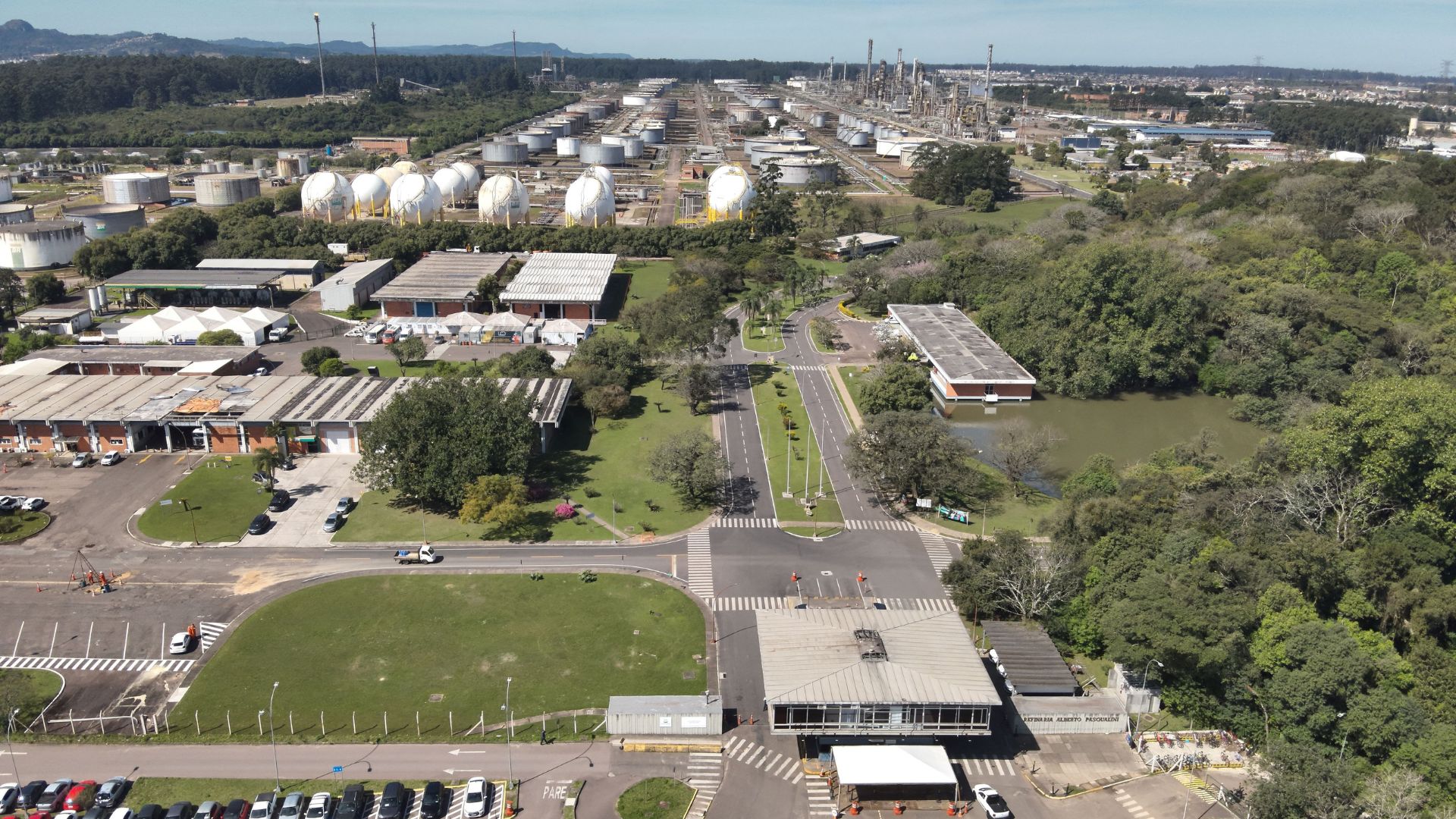
Petrobras’ Refap Sets Historic Records for Gasoline and S-10 Diesel Production in Canoas in Q4 2025, Surpassing Previous Figures
-
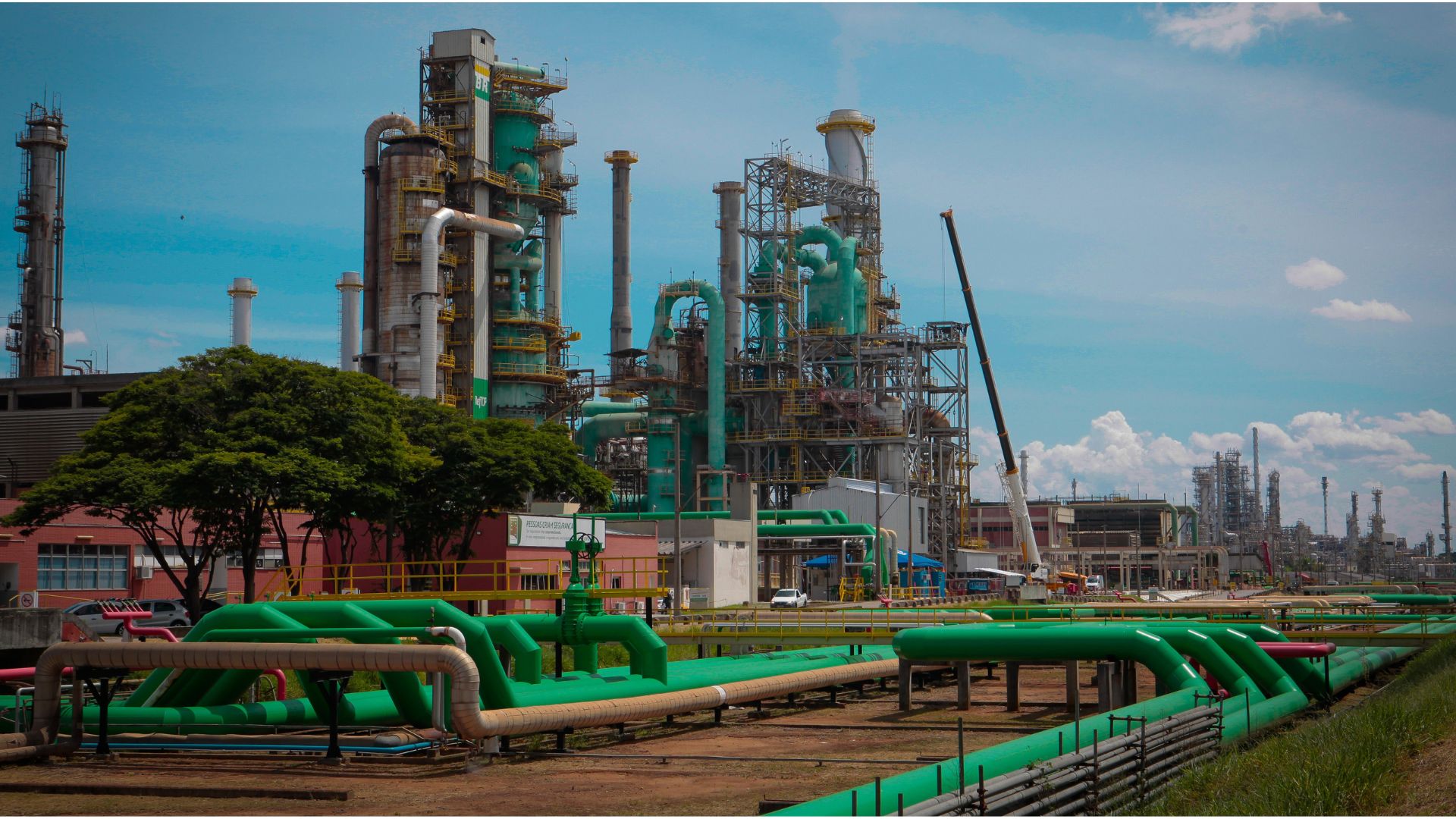
Revap Starts Operation of Modernized HDT and Petrobras Expands S-10 Diesel Production by 80% at the Refinery, Boosting Supply of Less Polluting Fuel in Brazil
-
Thermal Power Plant in Rio Grande do Sul Is Key to Attracting GWM
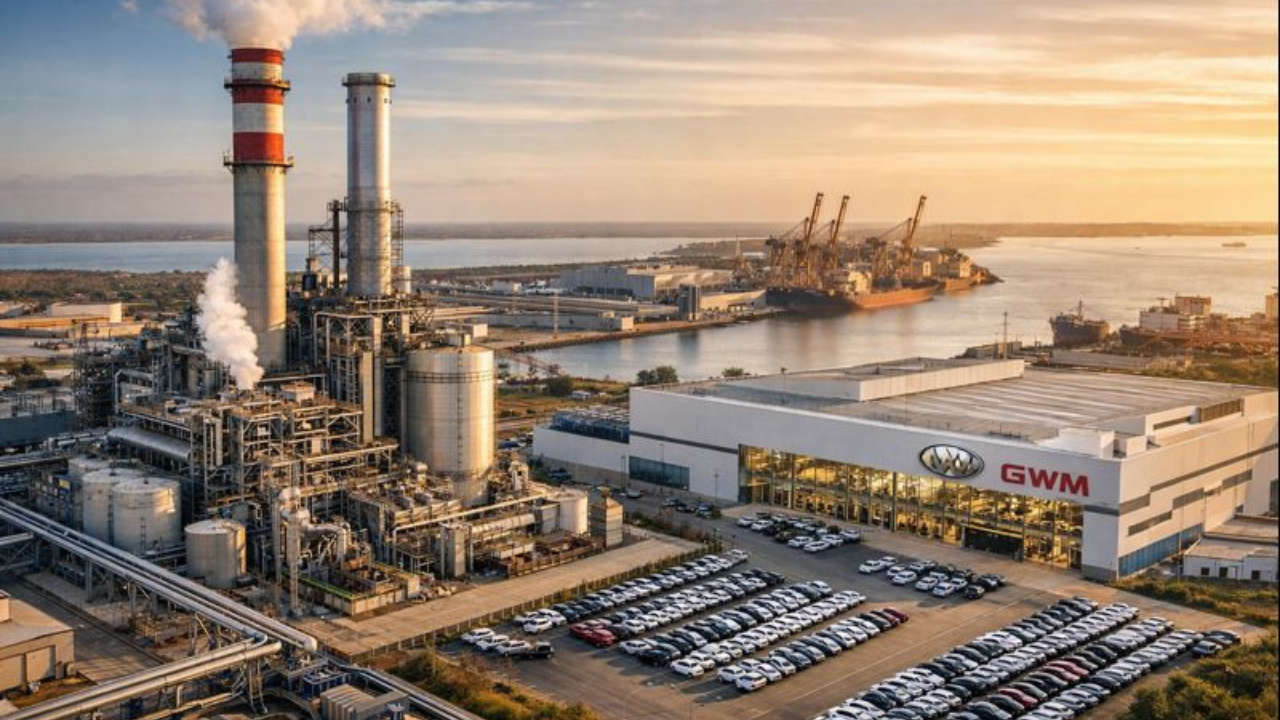

What Are Infrastructure Debentures? Infrastructure debentures are debt securities issued by companies to finance projects of great relevance. This model was introduced in Brazil in 2011 and has been widely used to foster sustainable growth in Brazil. Thus, they offer tax advantages for investors and have become an essential tool to enable strategic initiatives like UTE Portocem I.
The Destination of Resources
The resources raised will be used in a strategic manner to ensure the quality and efficiency of the venture. In this context, among the priority areas, the following stand out:
- Large-scale civil works, expected to start in February 2025.
- Acquisition of state-of-the-art machinery and equipment, with delivery scheduled for the end of 2026.
- Assembly and installation of advanced systems, starting in 2027.
- Implementation of sustainable technologies in the production process, which will extend until 2028.
Therefore, this structuring ensures that the project is conducted with high standards of safety, sustainability, and efficiency. Additionally, the focus on sustainability reinforces Brazil’s commitment to a greener future. Thus, the country moves towards a more modern and balanced energy model.
Expected Impacts in the Northern Region
The installation of the UTE Portocem I power plant promises to generate a significant impact on multiple fronts. Firstly, the initiative is expected to create thousands of direct and indirect jobs during the construction and operation phases. Between 2025 and 2028, it is anticipated that companies or economic sectors will generate over 15,000 jobs. Furthermore, the venture strengthens regional energy security. Not only that, but it also contributes to the diversification of the Brazilian energy matrix. Consequently, the Northern region is expected to observe substantial economic growth in the coming years.
Specific Benefits for the Northern Region:
- Reduction of energy costs for local industries, starting in 2029.
- Greater attractiveness for new investments in strategic sectors.
- Promotion of the natural gas production chain, with a direct impact on the local economy.
Moreover, the modernization of the energy infrastructure contributes to the sustainable development of the region. Thus, it attracts new businesses and strengthens local competitiveness, creating a more favorable scenario for progress.
What Does It Mean for Brazil?
Finally, the construction of UTE Portocem I is more than a simple infrastructure project. In fact, it represents a crucial step for the energy transition in Brazil. This is because renewable and sustainable sources are starting to occupy a larger space in the national landscape. Considering a cleaner alternative compared to other fossil sources means using natural gas.
Main Impacts on the National Scenario:
- Reduction of dependence on more polluting energy sources, especially coal, by 2030.
- Expansion of energy infrastructure sustainably and in line with the goals of the Paris Agreement.
- Significant contribution to achieving the country’s climate goals, set for 2035.
Therefore, the plant plays a strategic role in strengthening Brazil’s energy security. Additionally, it helps the country meet its environmental commitments, consolidating a more sustainable future for all.
Thus, the investment by BNDES in UTE Portocem I, announced in September 2024, reinforces Brazil’s commitment to economic development and sustainability. To ensure a clean, efficient, and competitive energy future, projects like this are essential. With a strategic location, robust financial support, and a focus on innovation, the plant promises to transform the dynamics of the energy sector in the country. Thus, Brazil is moving towards a more modern energy scenario.









A matéria informa : “Utilização de gás natural como fonte de energia principal.”
Mas em nenhum momento o jornalista teve o cuidado de informar a ORIGEM do gás. Provém de aterros sanitários ? Ou de subproduto de uma indústria ? Ou de um campo de petroleo/gás ?
Porque não usar o HIDROGÊNIO
E o gás? Da onde virá o gás para abastecer essa usina termelétrica??