





 Português
  Inglês
  Espanhol
  3 min de leitura
  0 comentários


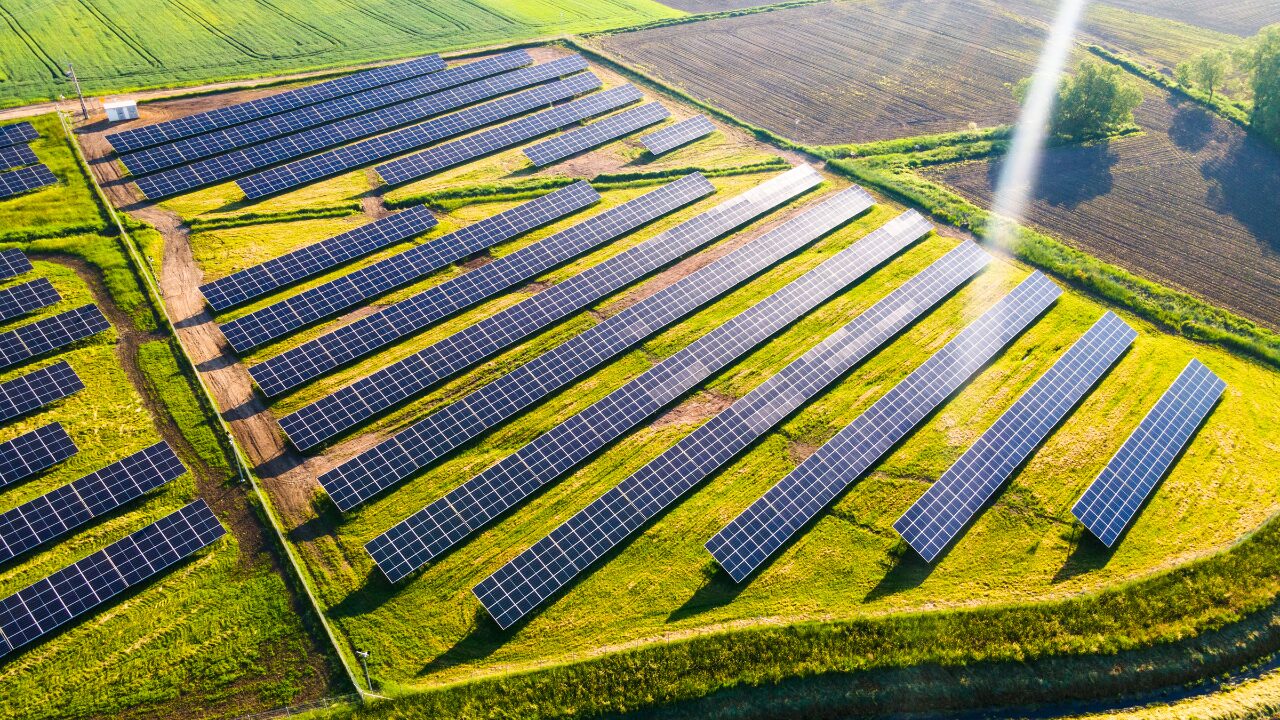
With Support from BNDES, GreenYellow Inaugurates 16 Solar Power Plants in 13 Brazilian Cities. Project Aims to Boost the Energy Transition and Reduce CO₂ Emissions with an Investment of R$ 156 Million.
In a significant advancement for the energy transition in Brazil, the National Bank for Economic and Social Development (BNDES) approved financing of R$ 156 million for GreenYellow to enable the installation of 16 solar power plants distributed across 13 municipalities in nine states of the country.
The project, which has been in operation since the second half of 2024, marks a milestone in expanding the generation of clean and decentralized energy in Brazil.
Robust Investment Boosts Solar Energy in the Country
The amount of R$ 156 million was structured with resources from the Finem program (R$ 126 million) and the Climate Fund (R$ 30 million), reaffirming BNDES’s strategic role in financing renewable sources.
-
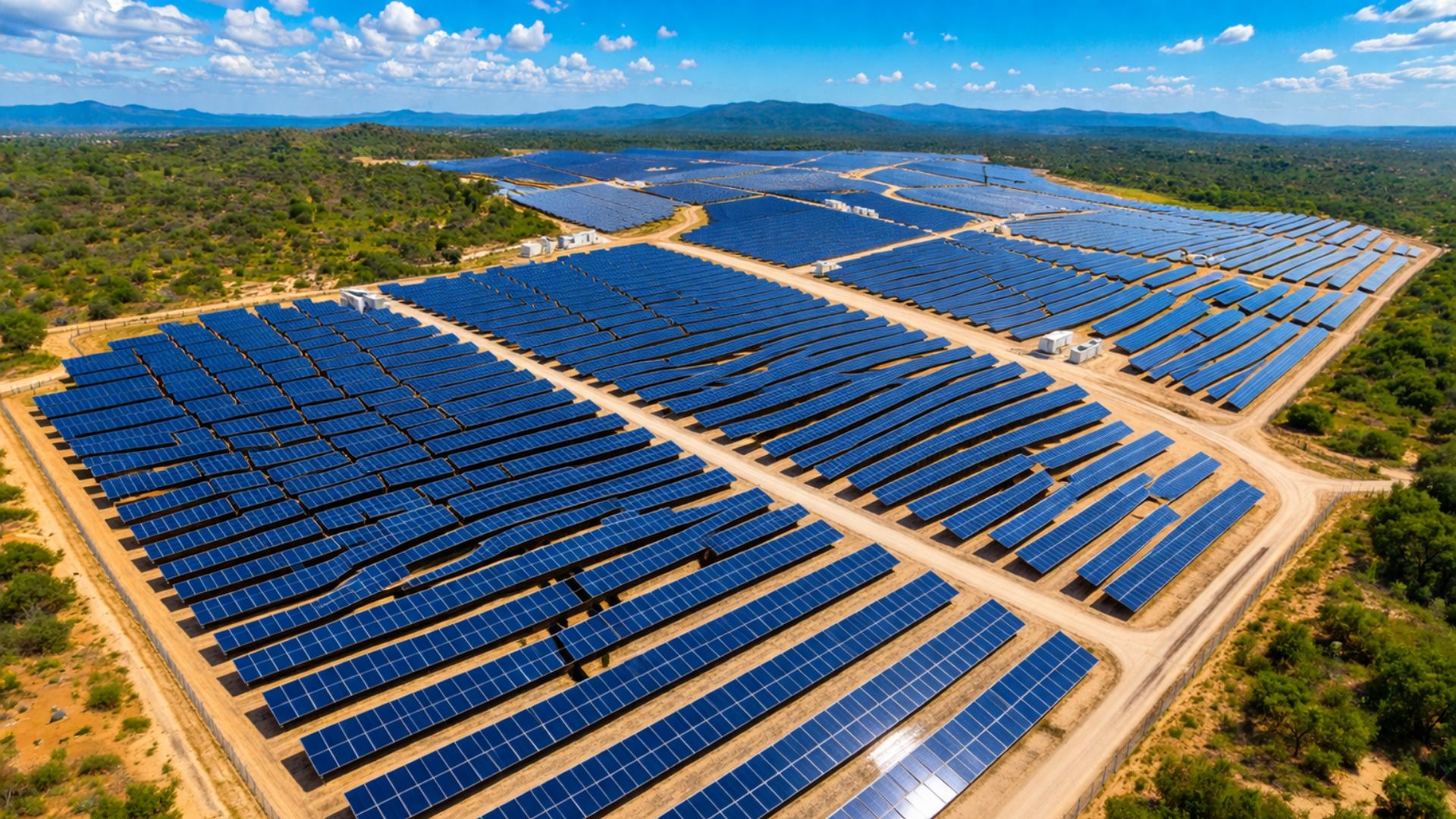
The Sol do Agreste Photovoltaic Complex begins operations in Pernambuco and accelerates the expansion of solar energy in Brazil, directly impacting the reduction of emissions and strengthening the sustainable energy matrix.
-
The Sol do Agreste Photovoltaic Complex begins operations in Pernambuco and accelerates the expansion of solar energy in Brazil, directly impacting the reduction of emissions and strengthening the sustainable energy matrix.
-
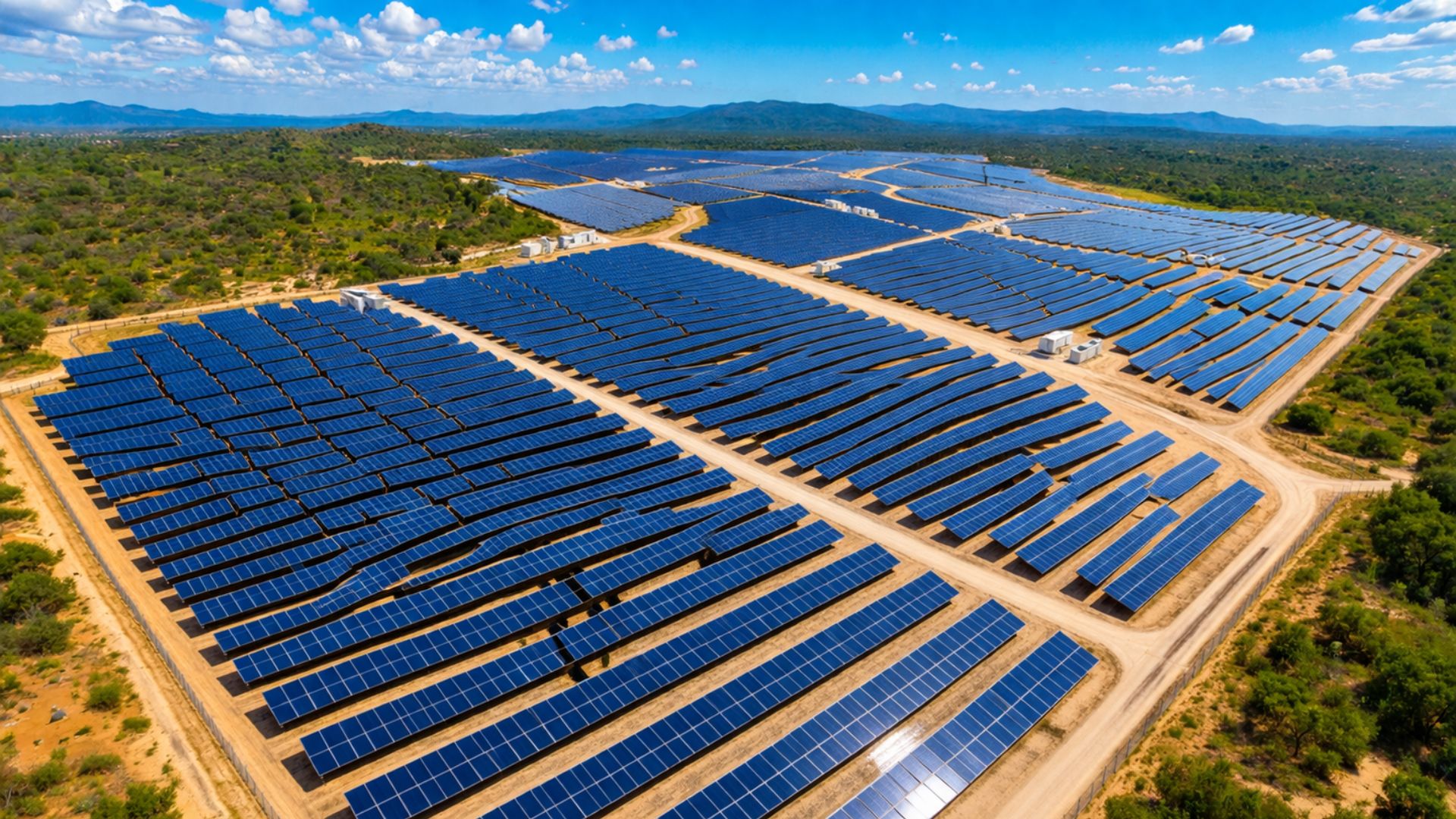
Roraima bets on the sun to escape high tariffs: Amid the energy crisis and price hikes, solar energy is growing in Roraima and transforming consumption in the North region.
-
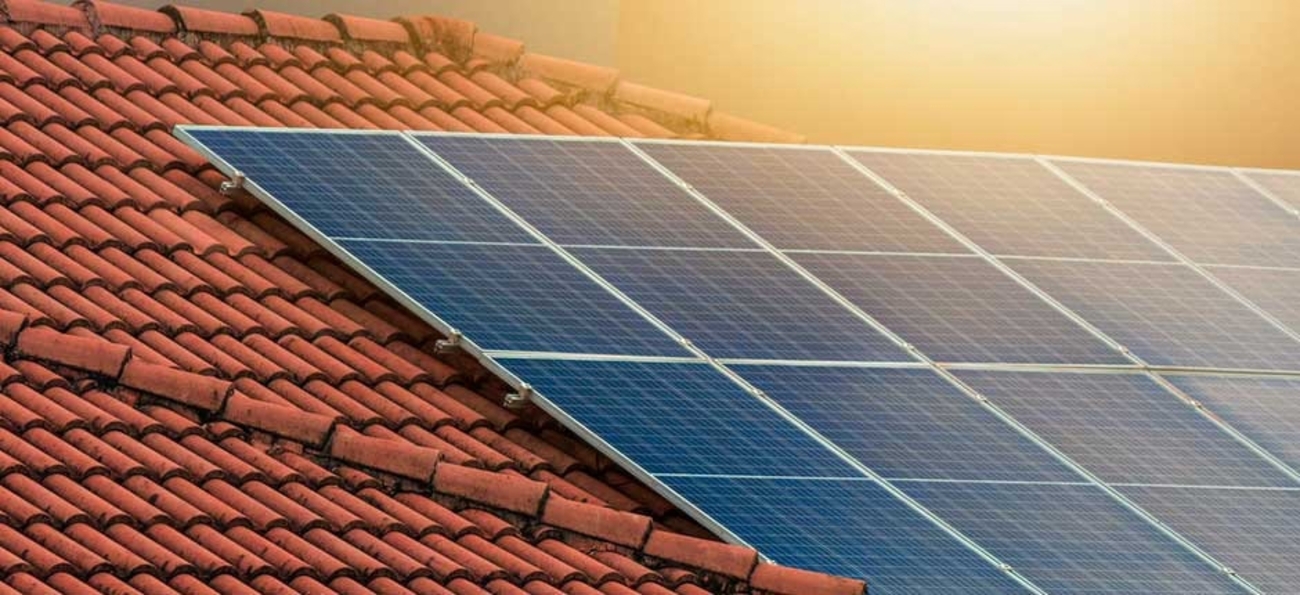
Copel boosts solar energy in Paraná and brings innovation to public schools, promoting savings on electricity bills, energy efficiency, and a direct impact on the quality of education.
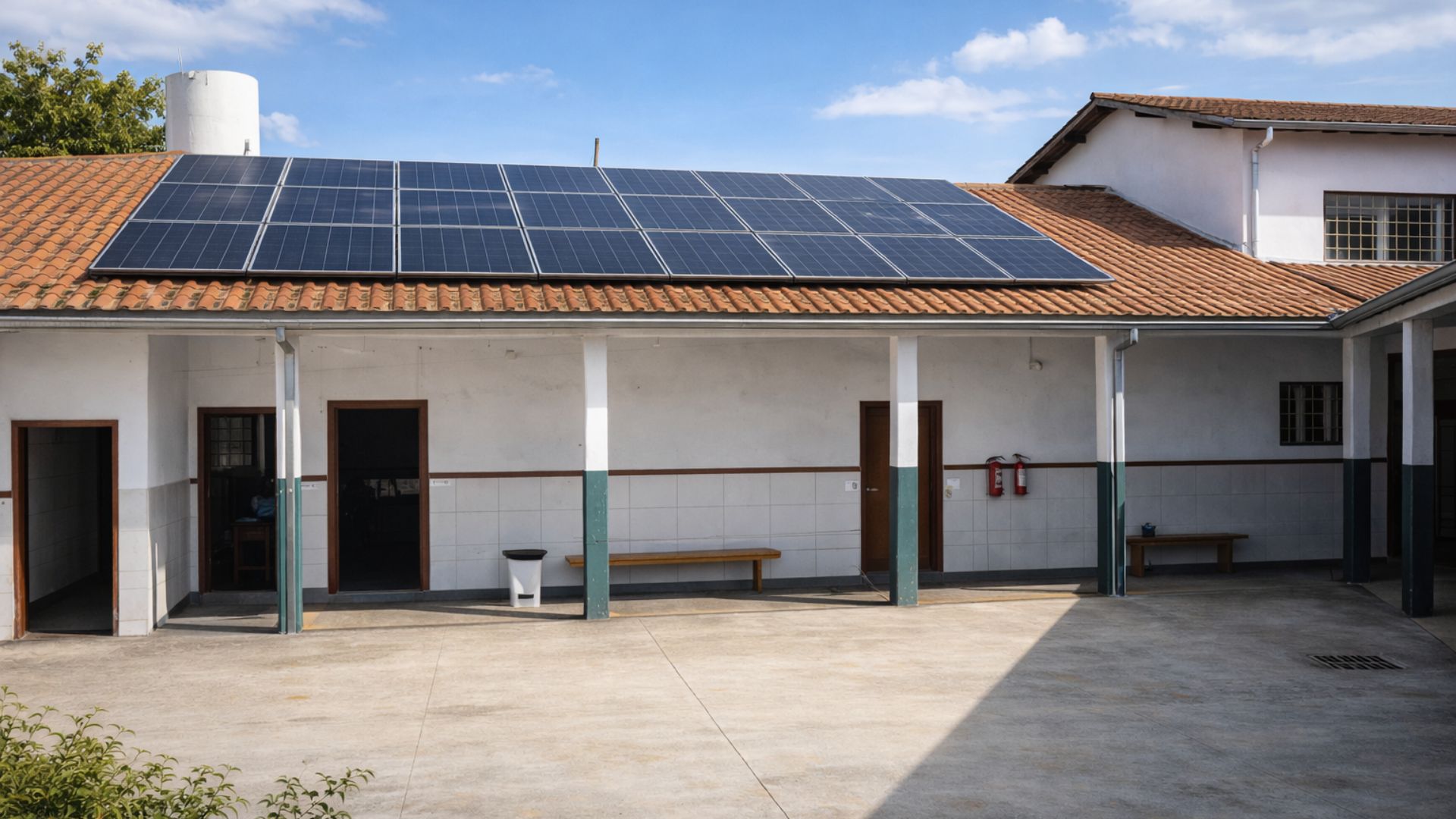

The new plants for distributed mini-generation have a combined installed capacity of 31 MWAC, promoting local and sustainable energy supply.
The units are located in the cities of:
- Alto Paraná (AM)
- Américo de Campos (SP)
- Balsas (MA)
- Canarana (MT)
- Costa Rica (MS)
- Goianésia (GO)
- Guaíba (RS)
- Iranduba (AM)
- Iranduba (AM)
- Itacoatiara (AM)
- Matrinchã (GO)
- Mondaí (SC)
- Santa Cruz do Sul (RS)
- Venâncio Aires (RS)
Serving various strategic regions in the Midwest, South, Southeast, and North.
GreenYellow Bets on Expansion and Quality
According to Marcelo Xavier, president of GreenYellow in Brazil, the project strengthens the strategy of the French multinational in the national solar energy market.
“Over the 10 years of GreenYellow in Brazil, the company’s goal has been to strengthen the commitment to implementing efficient projects for clients. This investment, which has a direct impact on the infrastructure sector, aligns with the company’s plan to utilize its extensive expertise to ensure high-quality and robust assets in delivery,” highlighted the executive.
The company emphasizes that this movement aligns with its goal of consolidating its presence in the sector with sustainable and technically efficient solutions.
BNDES Reaffirms Leadership in Renewable Energies
According to Aloizio Mercadante, president of BNDES, the institution continues to be one of the main global agents in financing clean energy.
“BNDES is the largest financier of renewable energy in the world according to Bloomberg. Our goal is to support investments in the local generation and distribution of renewable energy so that the country advances in the energy transition agenda, as mandated by the government of President Lula,” declared Mercadante.
He also noted that the project will prevent the emission of about 844,000 tons of CO₂ equivalent over the 30-year lifespan of the plants, reinforcing its positive environmental impact.
Sustainable and Decentralized Advancement
With the expansion of the infrastructure for solar power plants, Brazil is moving towards a cleaner and more decentralized energy matrix.
BNDES’s support for GreenYellow highlights a synergy between public financing and private initiative, essential for accelerating decarbonization and energy security in the country.
The initiative also contributes to local job creation, regional development, and diversification of energy sources, in accordance with the international climate commitments made by Brazil.









Seja o primeiro a reagir!