





 Portuguese
  English
  Spanish
  4 min of reading
  0 comments


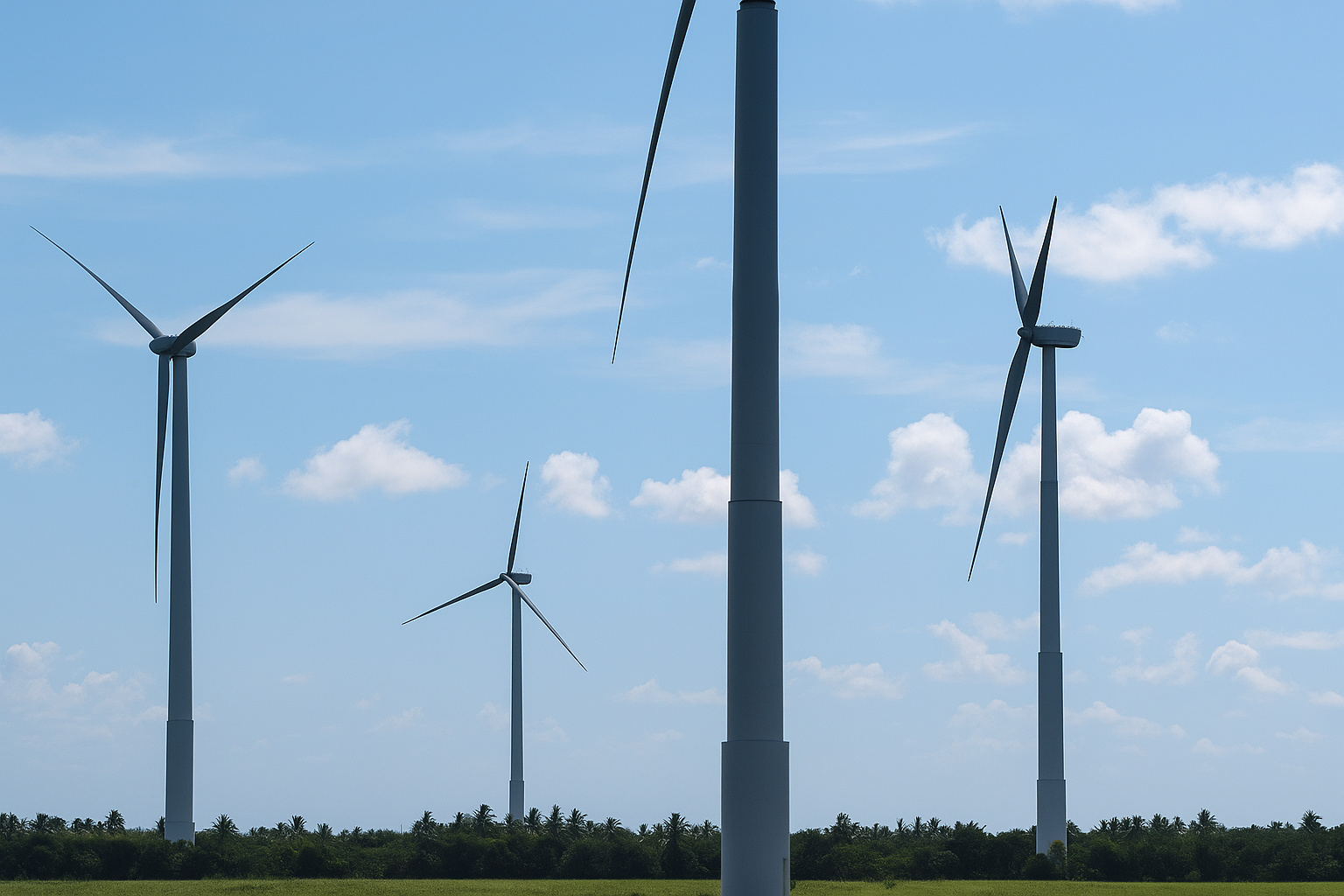
Energy Transition Fund Drives Innovation and Sustainability in Brazil, with Strategic Investments in Clean Technology and Decarbonization.
The creation of an energy transition fund marks an important step for the future of the Brazilian economy. The BNDES selected Valetec as the manager of the new Private Equity Fund (FIP) dedicated to energy transition and decarbonization. This initiative, also supported by Petrobras and Finep, promises to boost the development of technology-based companies focused on a more sustainable energy model.
The Choice of Valetec and the Role of the Fund
Valetec ranked first in the public call that defined the manager responsible for structuring and operating the fund. Following, came the consortium Ahead Ventures and Aecom, and then Lightrock. From this selection, Valetec initiated a new phase of negotiations regarding the contractual conditions and regulations of the fund.
The Energy Transition Fund will have a target capital of R$ 500 million, with operations expected to commence after a minimum investment of R$ 240 million. The fund will have participation from public institutions such as BNDESPar, which will invest up to 25% of the total; Petrobras, which may contribute up to R$ 250 million, equivalent to 49% of the shares; and Finep, with up to R$ 60 million coming from FNDCT. Additionally, private investors may participate, which should expand the fund’s reach and investment strength.
-
Renewable energy advances over protected areas in Brazil, and a survey by the Energy Transition Observatory reveals silent impacts that challenge environmental conservation and pressure sensitive traditional territories.

-
Rio Grande do Sul accelerates energy transition: State invests in renewable technologies and consolidates decarbonization strategies and pathways to attract billions in new industrial investments.

-
With 160,000 m² of collectors, an area larger than 20 football fields, Silkeborg, in Denmark, hosts a solar thermal plant that heats 19,500 homes and could become the largest solar heating plant in the world.

-
A study reveals the expansion of renewable energy procurement in Brazil and shows how companies are taking advantage of opportunities to reduce expenses, ensure energy efficiency, and strengthen strategic environmental commitments.


This arrangement demonstrates how Brazil seeks to integrate public and private capital to create low-carbon solutions, strengthening innovation and national competitiveness.
Promoting Innovation and the Green Economy
The primary objective of the energy transition fund is to invest in micro, small, and medium enterprises (MSMEs) based on technology that operate in strategic sectors for decarbonization. Among the main segments are renewable energy, energy storage, electromobility, sustainable fuels, carbon capture and usage (CCUS), and decarbonization of industrial processes.
These areas represent the core of the new green economy, which combines economic growth with environmental sustainability. The BNDES and its partners aim, therefore, to foster a new cycle of green growth in the country, connecting the innovation ecosystem to sustainability and energy security public policies.
Furthermore, the fund may stimulate the creation of skilled jobs, the development of new national technologies, and the formation of clean production chains, which strengthens the industry and the country’s competitiveness in the global scenario.
Historical Context of the Energy Transition
The energy transition is not a new concept. Since the Industrial Revolution, the world has experienced several changes in the use of energy sources. First, coal was the backbone of the economy. Later, oil and natural gas dominated the 20th century. However, the environmental impact of these resources led society to rethink the growth model.
In recent decades, Brazil has invested heavily in renewable energy, such as hydroelectric, wind, solar, and biofuels. This movement has consolidated the country as one of the world leaders in clean energy matrices. Still, the challenge of reducing greenhouse gas emissions remains central.
Therefore, the BNDES energy transition fund represents more than just a financial investment. It is a state policy, that unites technology, innovation, and sustainability. This initiative strengthens Brazil’s role as a global reference in decarbonization and innovation in clean energy.
The Importance of Public and Private Investment
The success of a project of this magnitude depends on the integration between the public and private sectors. The BNDES, by leading the process, shows that state investment can serve as a lever to attract private capital. This union is essential for enabling long-term projects with financial returns and positive environmental impacts.
Petrobras, in turn, demonstrates a growing commitment to the energy transition, expanding its role beyond oil and gas. Meanwhile, Finep, with its history of supporting technological innovation, reinforces the scientific and research character of the initiative.
These institutions together build a solid foundation to accelerate the decarbonization of the Brazilian economy, while promoting entrepreneurship and innovation.
Perspectives for the Future of Energy in Brazil
The energy transition fund has the potential to transform the national energy landscape. With it, the country can advance in areas such as energy storage, green hydrogen, and next-generation biofuels. These sectors not only reduce dependence on fossil fuels but also generate sustainable economic opportunities.
Moreover, the fund can create bridges between universities, startups, and large companies, promoting an environment of technological cooperation. This integration is essential for the country to maintain its leadership in innovation and sustainability.
Historically, the BNDES has played a central role in financing development policies. Since its establishment in 1952, the bank has driven Brazilian industrialization, supported major infrastructure projects, and, more recently, has excelled in supporting clean energy and technological innovation projects.
With the energy transition fund, the bank reinforces its mission to promote sustainable and inclusive development, adapting to the challenges of the 21st century.
A Milestone for Brazilian Sustainability
The selection of Valetec as the manager of the energy transition fund marks the beginning of a new phase for the country. More than just an investment, it is a structuring project, that unites economy, innovation, and the environment.
With the joint action of BNDES, Petrobras, and Finep, Brazil is moving toward a low-carbon economy, strengthening its role in combating climate change and creating new sustainable opportunities.
In summary, the energy transition fund not only supports innovative companies but also builds Brazil’s energy future — a future where economic development and environmental preservation go hand in hand.










Seja o primeiro a reagir!