





 Portuguese
  English
  Spanish
  3 min of reading
  0 comments


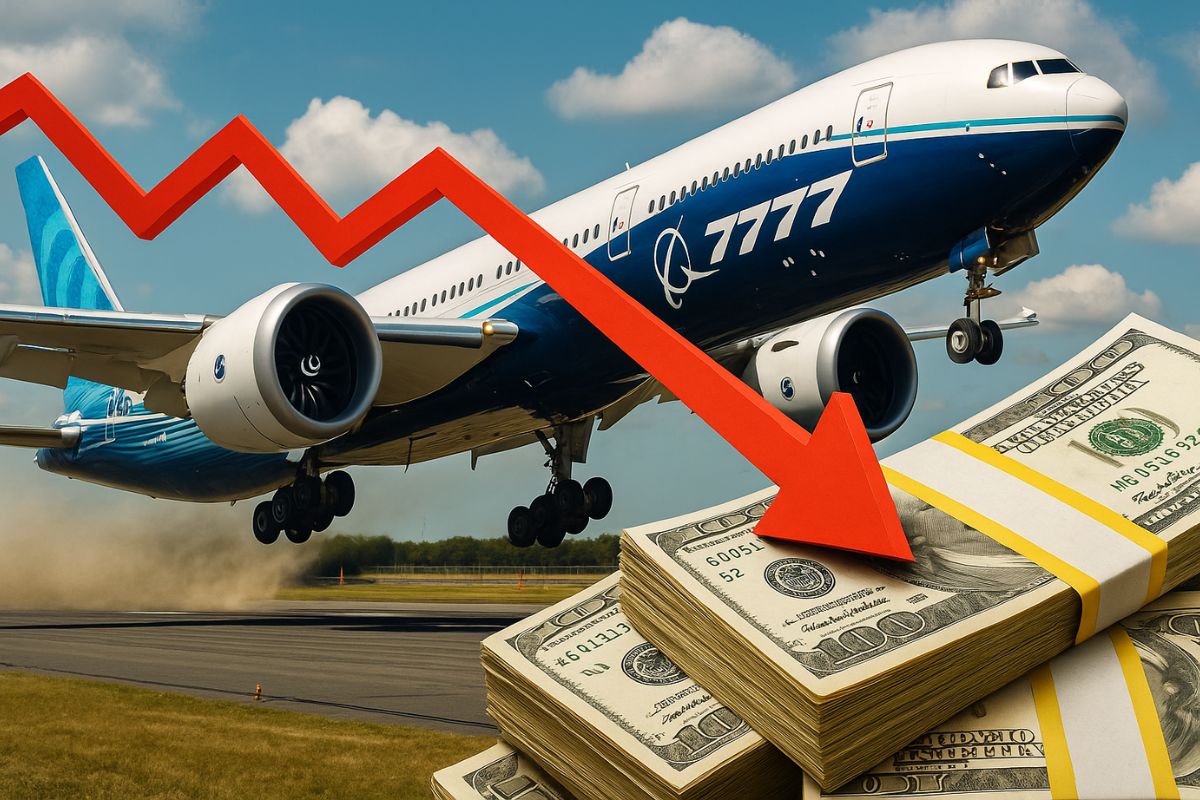
American Manufacturer’s Biggest Bet Faces New Delay, Pressures Results and Raises Uncertainties About Competitiveness Against Airbus and Growing Chinese Competition.
According to the portal oglobo, the debut of the 777X in 2027 marks yet another setback for Boeing in a program already surrounded by expectations and delays. The jet, which was supposed to enter service in 2020, now accumulates six years of postponements and has become one of the manufacturer’s greatest challenges.
Lufthansa, the launch customer, and Emirates, the largest buyer of the model, have already adjusted their fleet projections to reflect the new timeline. The longer timeline raises doubts in the market about Boeing’s ability to meet commitments without further delays.
The Billion-Dollar Impact on the Company’s Cash Flow
With the postponement, Boeing has already accumulated US$ 11 billion in excess costs in the 777X program.
-
50 viaducts, 4 tunnels, 28 bridges, and 40 kilometers of bike paths: BR-262 in Espírito Santo will receive 8.6 billion reais for the largest engineering project in the state’s history, inspired by the Immigrant Highway in São Paulo.

-
Brazil produces too much clean energy and doesn’t know what to do with it: over 20% of solar and wind capacity was wasted in 2025 while investors flee and 509 renewable generation projects were abandoned in the last year.

-
Piauí will produce a new fuel that replaces diesel without needing to change anything in the truck’s engine and reduces pollutant gas emissions by half: truck drivers from all over the Northeast are already celebrating the news that will arrive later this decade.

-
A new Brazilian shopping center worth R$ 400 million will be built in an area equivalent to more than 4 football fields, featuring 90 stores, 5 cinemas, a supermarket, a college, and parking for 1,700 cars, potentially generating 3,000 jobs.

Furthermore, analysts project that the company might have to report an additional accounting loss of US$ 2.5 billion to US$ 4 billion in upcoming results.
This non-monetary charge reflects the fact that the company is in a “prospective loss” situation, meaning it will not be able to recover development costs on the first 500 aircraft produced.
In practice, this means more pressure on profitability and less financial breathing room at a time of recovery after recent crises.
Slow Certification and Eroded Confidence
The new delay is linked to the pace of the 777X certification by the Federal Aviation Administration (FAA), which has intensified its oversight following the fatal accidents involving the 737 Max.
Additional testing, rigorous inspections, and technical adjustments have prolonged the analysis and limited the predictability of the entry into service.
For customers like Emirates, Cathay Pacific, and Qatar Airways, who are awaiting the model to renew and expand long-haul fleets, the delay means reassessing strategic routes and even seeking alternatives from competitors like Airbus.
The Strategic Importance of the 777X
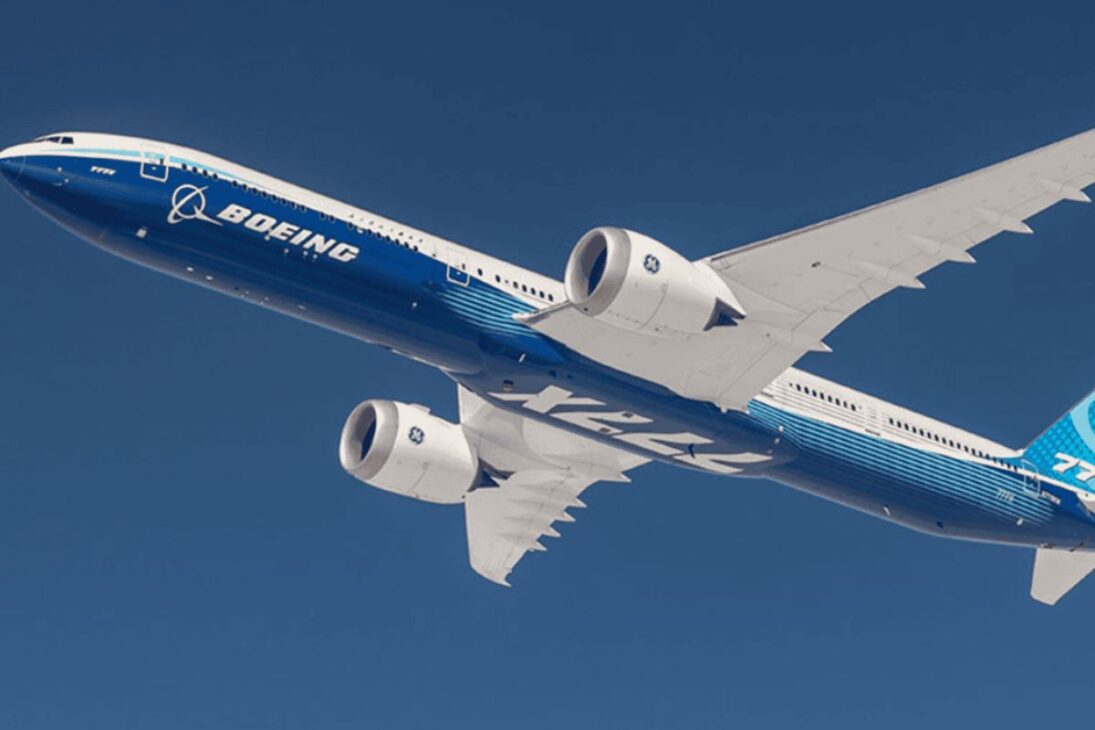
The 777X is considered a key piece for Boeing to maintain relevance in the wide-body aircraft segment.
The aircraft was designed as the natural successor to the legendary 747 and as a response to the Airbus A350, which has already been gaining ground in the international market.
Moreover, the delay opens the door for new competitors, such as Chinese manufacturers, who are advancing in long-range aircraft projects.
For Boeing, any fragility in this segment can compromise not only sales but also the brand’s reliability reputation.
The Future of the Program and Risks for Boeing
Analysts emphasize that Boeing is going through a moment of redefinition. While the 737 Max and the 787 show signs of recovery, the 777X remains a significant cash drain.
The recent change in the company’s financial leadership may provide an opportunity to reassess the program and try to reposition expectations with the market and investors.
Still, the accumulated cost and the need for concessions to customers indicate that Boeing will face challenges in reversing the losses in the first years of the 777X’s operation.
The challenge, therefore, goes beyond engineering: it involves cash management, credibility, and fierce competition in the global aviation sector.
The debut of the 777X in 2027 symbolizes both Boeing’s ambition and the risks of a project prolonged by crises and stricter certifications.
The aircraft is still seen as essential for the competition with Airbus, but each delay increases pressure on customers and investors.
And you, what do you think? Will Boeing be able to recover the investment and establish the 777X as a commercial success, or will the program become yet another symbol of financial struggles?
Leave your opinion in the comments — we want to hear your views on the future of commercial aviation.









Seja o primeiro a reagir!