





 Portuguese
  English
  Spanish
  5 min of reading
  0 comments


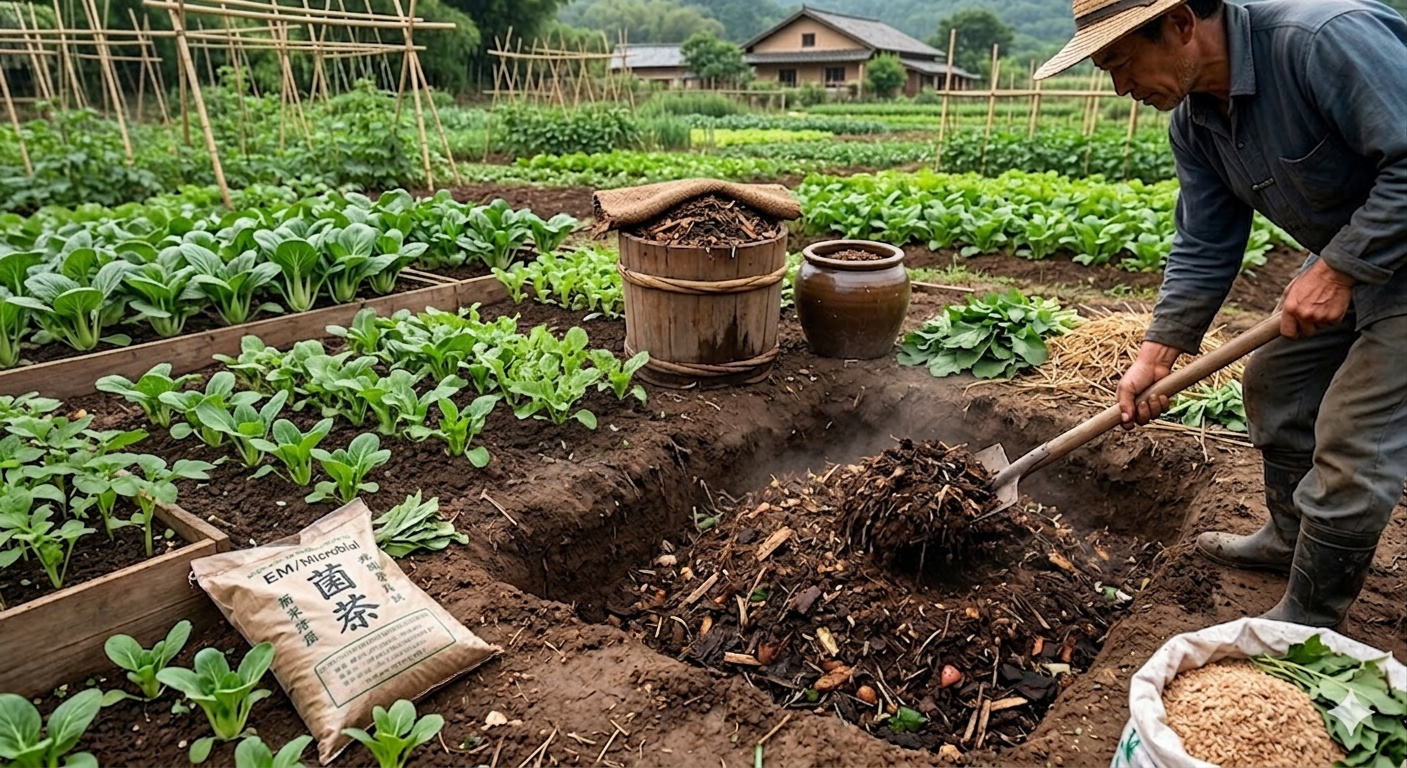
Bokashi, an Asian-origin fertilizer made through fermentation, strengthens the soil, accelerates biological activity, and gains ground in agriculture as a natural alternative.
In 2020, technical publications from the Brazilian Agricultural Research Corporation (Embrapa) highlighted bokashi as one of the most efficient alternatives within organic and agroecological agriculture in Brazil. The input, of Asian origin and widely used in Japan, consists of a fermented organic compound produced from a mixture of bran, vegetable residues, mineral sources, and microorganisms.
According to materials from Embrapa available in the Infoteca and in documents focused on agroecology, bokashi has been adopted by producers of vegetables, fruit cultivation, and intensive systems due to its ability to provide nutrients in a balanced manner and stimulate the biological activity of the soil.
The advancement of its use is directly linked to the search for alternatives that reduce dependence on chemical fertilizers and improve the efficiency of the soil as a productive system.
-
Money with chickens: how much can 200 laying hens yield per month with eggs at R$ 12 per dozen?
-
As dams and pollution advance, migratory freshwater fish are facing a silent global crisis that has already decimated populations, threatened fisheries, and raised alarms in major basins.
-
Crotalaria, mucuna, and other cover crops stop being “weeds” between harvests and become central to agriculture by improving the soil, adding biomass, and enhancing green fertilization in vegetable production.
-
Coruripe Mill secures international financing of R$ 530 million and boosts the sugar-energy sector.


Bokashi is produced through controlled fermentation of bran, organic residues, and microorganisms
The difference of bokashi lies in its production process, based on controlled fermentation. Unlike traditional composting, which relies on aerobic decomposition over weeks or months, bokashi is obtained through the action of specific microorganisms that act quickly on organic matter.


The base of the compound typically includes ingredients such as rice or wheat bran, vegetable cakes, manure, ashes, and mineral sources. These materials are inoculated with microorganisms and kept under controlled conditions of moisture and temperature, allowing for fermentation.
This process results in a product rich in available nutrients and with high biological activity, capable of acting both in nutrition and in soil recovery.
Fermented fertilizer releases nutrients gradually and improves soil fertility
One of the main agronomic effects of bokashi is in how nutrients are made available to plants. Unlike soluble fertilizers, which release nutrients immediately, bokashi promotes a gradual release, following the microbial activity of the soil.
This behavior reduces losses due to leaching and improves nutrient uptake by crops. Additionally, the compound contributes to increasing the organic matter in the soil, an essential factor for long-term fertility.
The presence of balanced organic and mineral compounds also favors root development, creating more stable conditions for plant growth.
Microorganisms present in bokashi accelerate the biological life of the soil
Another central aspect of bokashi is its contribution to the biological activity of the soil. The fermentation process incorporates microorganisms that, when applied in the field, directly act on the decomposition of organic matter and nutrient cycling. According to Embrapa, biologically active soils have a greater capacity to:
- Transform waste into available nutrients;
- Structure soil aggregates;
- Maintain balance among beneficial organisms.
This increase in microbial activity also helps improve soil health and reduce conditions favorable to the development of pathogens.
Use of bokashi in vegetables strengthens plants and improves productive performance
In vegetable production, bokashi has been used mainly in beds and intensive crops, where nutritional demand is high. The application of the compound can be made directly into the soil before planting or as a supplement during the crop cycle. Studies and field experiences indicate that the use of bokashi contributes to:
- More uniform plant development;
- Improvement of soil structure in beds;
- Greater moisture retention;
- More balanced response to nutritional management.
These factors result in more stable systems, with less dependence on external inputs.
Bokashi gains ground in organic and agroecological systems in Brazil
The adoption of bokashi has grown mainly in organic and agroecological systems, where the use of chemical fertilizers is limited. In these systems, the compound becomes a viable alternative to provide nutrients and stimulate the biological activity of the soil.
Moreover, the possibility of production within the property increases the producer’s autonomy and reduces costs associated with purchasing industrial inputs.
Embrapa emphasizes that the use of fermented compounds like bokashi aligns with sustainable soil management practices and can be integrated with other techniques, such as green fertilization and mulching.
Production on the property reduces costs and utilizes available agricultural residues
Another factor driving the use of bokashi is the possibility of local production. Since the compound uses materials common in rural environments, such as bran, manure, and vegetable residues, it can be prepared on the property itself.
This model allows for the reuse of agricultural residues, reduction of costs with fertilizers, and greater control over the quality of the input. Local production also facilitates the adaptation of formulations according to the specific needs of the soil and the crop.
The difference between bokashi and traditional composting lies in time and biological process
Although both are methods of utilizing organic matter, bokashi and traditional composting present important differences. Composting relies on aerobic decomposition and can take weeks or months to generate a stable product.
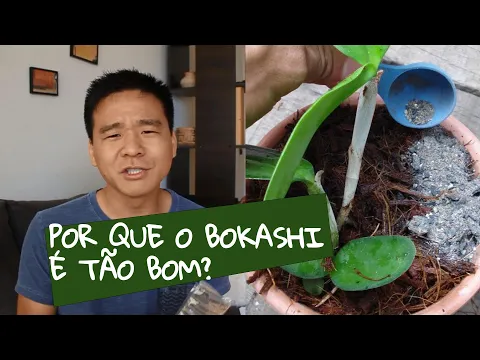
In contrast, bokashi uses fermentation, which reduces preparation time and results in a compound with different characteristics, including a higher presence of active microorganisms.
This difference makes bokashi especially interesting for systems that require faster responses and greater biological intensity in the soil.
Technique advances as an alternative to reduce dependence on chemical fertilizers
The growth of bokashi use in Brazil is directly linked to the need to reduce dependence on mineral fertilizers, whose costs can vary significantly over time. By offering an alternative based on local resources, bokashi positions itself as a strategic tool within agricultural management.
In addition to cost reduction, the continuous use of the compound contributes to improving soil quality, making the productive system more resilient and efficient. This movement has been observed in both small properties and more structured systems seeking to diversify their management strategies.
If you already use this type of fertilizer or are considering adopting it on your property, share your experience or question in the comments.









Seja o primeiro a reagir!