





 English
  Francês
  Alemão
  Italiano
  Japonês
  Norueguês
  Portuguese
  Spanish
  4 min of reading
  1 comment


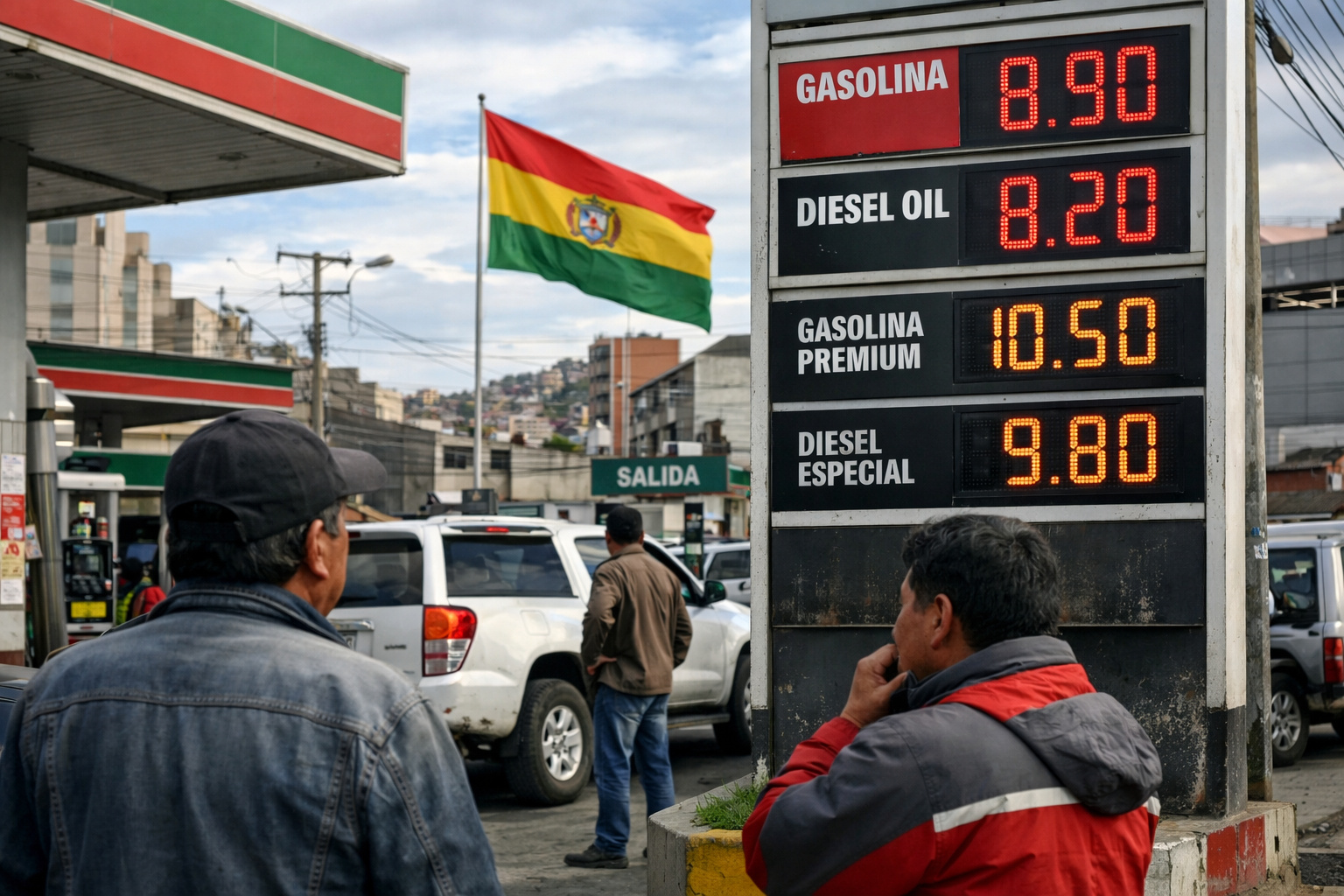

Measure Announced By President Rodrigo Paz Ends Policy Of Almost 20 Years, Promises Redistribution Of Resources And Tries To Contain Economic Crisis, Increasing Inflation And Lack Of Dollars In The Country
The Bolivia has officially entered a state of economic and social emergency after President Rodrigo Paz announced the end of fuel subsidies, a policy maintained for about two decades. The decision represents a profound change in the country’s economic strategy and is expected to cause price increases of up to 100% for gasoline and diesel, directly impacting the cost of living for the population.
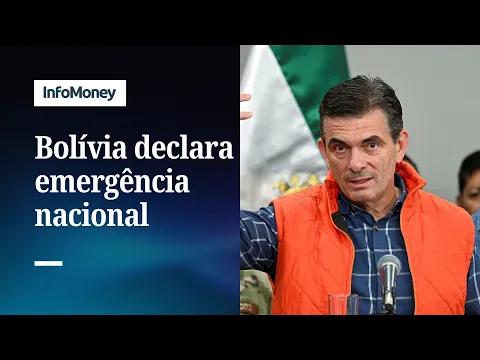
The information was disclosed by Infomoney, based on a statement published by the President himself. According to Paz, the measure is “difficult but necessary” to ensure the internal supply of fuels and prevent the exhaustion of national reserves. According to him, the country had been “bleeding its reserves” to maintain a model that has become unsustainable given the current economic context.
Throughout his speech, the head of state made it clear that the decision was not taken in isolation or improvised. On the contrary, it is an attempt at a structural response to a scenario described as serious, marked by scarcity of dollars, rising inflation, and difficulties in fuel supply, factors that have been continuously pressuring the Bolivian economy.
-
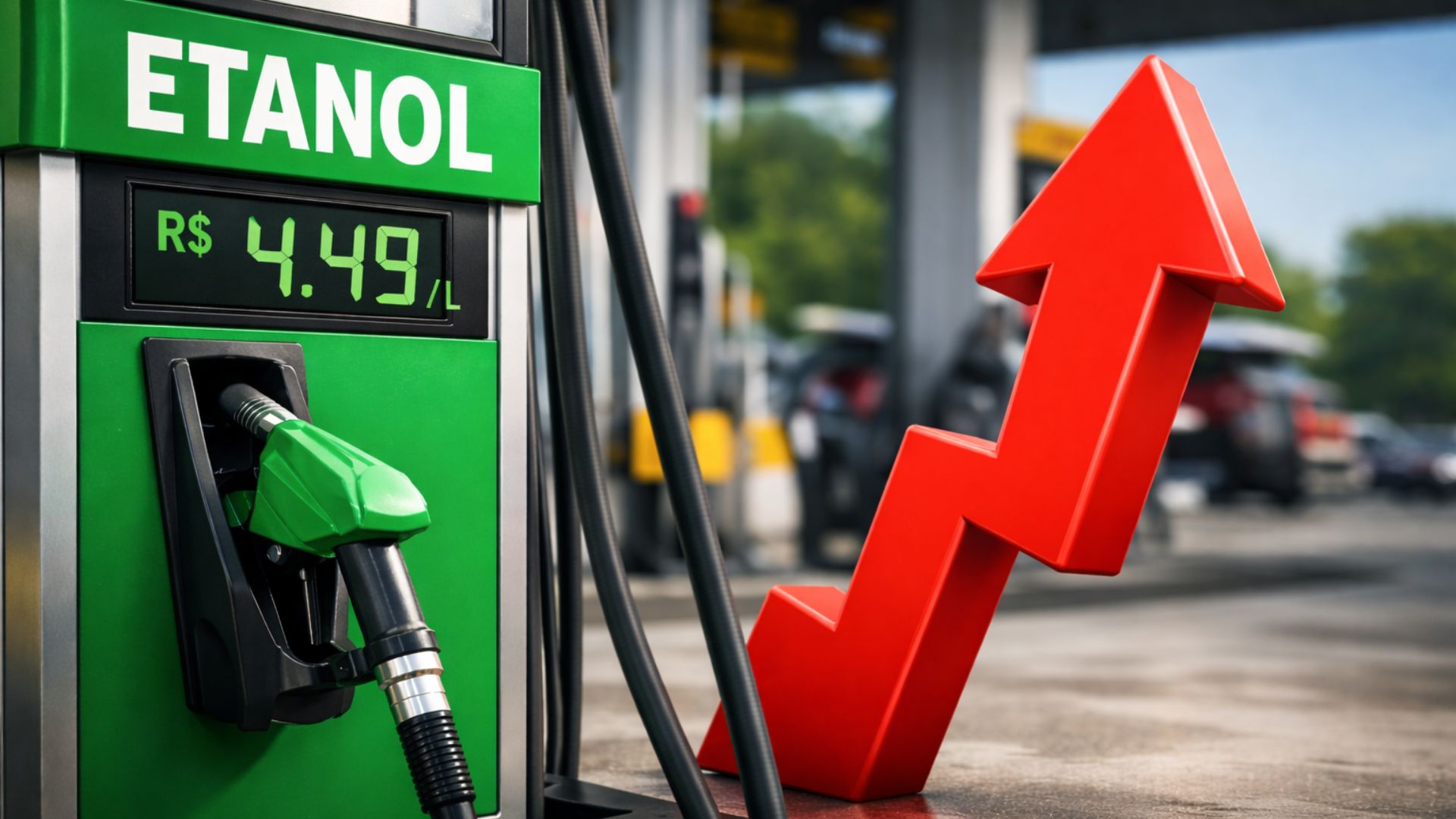
Ethanol Price Rises in 15 States and Remains Competitive in Only One: See Where Ethanol Beats Gasoline, ANP Data, and Impacts on the Brazilian Fuel Sector
-
Brazilian Fuel Market Drives EPE’s New Projections for 2025 and Advances in Diesel, Ethanol, and Aviation
-
ANP Fuel Supply Oversight: Strategic Partnership with Ipem-SP Aims to Enhance Safety, Georeferencing, and Control in the Fuel Market
-
Why Is Gasoline Expensive and Diesel Cheap? Analysts Point to Petrobras Maneuver
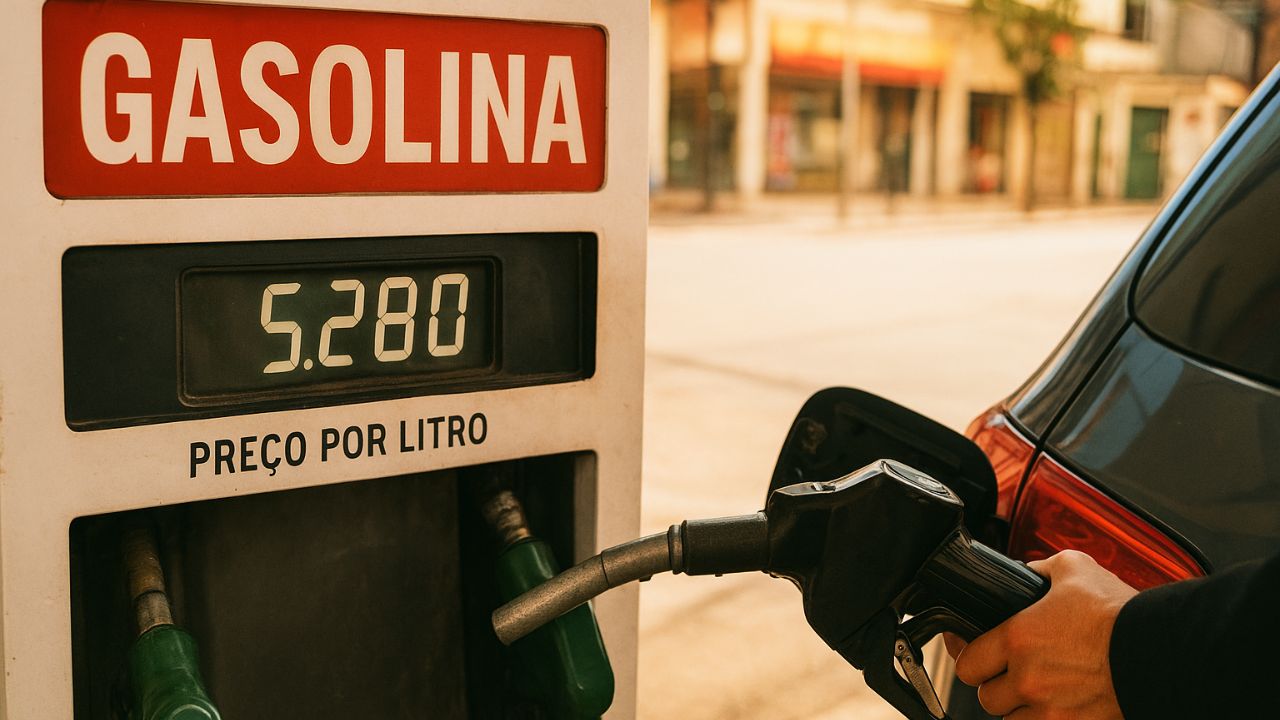

End Of Fuel Subsidies And Direct Impact On Gasoline And Diesel Prices
The end of fuel subsidies means, in practice, that the prices of gasoline and diesel will more directly reflect import and production costs. As detailed by the government, price adjustments may reach 100%, a source of concern for consumers, transporters, and productive sectors.
Still, Rodrigo Paz argues that maintaining subsidies has become unfeasible. According to him, the model adopted over the past 20 years has generated economic distortions, encouraged waste, and contributed to the deterioration of public accounts. In his view, continuing to artificially support prices would deepen the crisis, rather than solve it.
On the other hand, the president emphasized that the resources saved from ending the subsidy will not be concentrated in the central government. In an official statement, Paz asserted that 50% of the new resources will be transferred directly to regions and subnational governments, in an attempt to decentralize investments and turn the economic sacrifice into concrete improvements for the population.
According to the president, this redistribution should result in better hospitals, schools, and public services, creating a social counterpart to offset the impact of rising fuel costs. Still, analysts point out that the inflationary effects of the measure may be felt in the short term, especially in transportation and the food supply chain.
Government Promises Minimum Wage Increase, Social Bonuses, And Investment Stimulus
To mitigate the impacts of the decision on the population’s pocket, the Bolivian government announced a package of social and economic measures. Rodrigo Paz declared that his “absolute priority is to protect the population’s pocket while stabilizing the country”, signaling that the end of subsidies will be accompanied by compensatory actions.
Among these measures is the increase in the national minimum wage, which will be 3,300 bolivianos starting January 2026, equivalent to about US$ 480, representing a 20% adjustment. Additionally, the government announced the increase of the Renta Dignidad to 500 bolivianos (approximately US$ 72), expanding financial support for the elderly and beneficiaries of the program.
Another highlighted point was the creation of a remuneration bonus for informal workers, a group particularly vulnerable to the effects of inflation and economic fluctuations. The measure seeks to ensure some social protection during a period of transition and fiscal adjustment.
In economic terms, Paz also stated that he intends to encourage private investments, especially the repatriation of capital. To this end, he announced a policy of “0% tax for those who repatriate their capital to produce on our land”, in an attempt to attract external resources and stimulate domestic productive activity.
Economic Emergency Marks Break With Old Model And Bets On National Reconstruction
In justifying the emergency decree, Rodrigo Paz made direct criticisms of the previous economic model. According to the president, the government received “a country wounded in its economy, without dollars, with rising inflation, and without fuels”, a scenario that would require tough and unpopular decisions.
For him, the end of subsidies represents “the final point of a model of lies, waste, and corruption”, opening the way for a new phase that he classified as “national reconstruction”. The rhetoric adopted indicates an attempt to reposition the government as an agent of structural change, even in the face of the risk of political wear.
Experts point out that declaring economic and social emergency gives the government greater leeway to implement reforms, but also increases pressure for concrete results. The success of the strategy will depend not only on fiscal balance but also on the ability to contain inflation and preserve the purchasing power of the population.
Meanwhile, Bolivian society is closely watching the developments of the decision. The significant increase in fuel prices is expected to cause ripple effects, and the government’s challenge will be to turn economic adjustments into real medium and long-term gains, avoiding that the cost of transition disproportionately falls on the poorest.










E eles adoram Zafira GM pra ajudar, dependendo do ano faz 5 por litro