





 English
  Francês
  Alemão
  Italiano
  Japonês
  Norueguês
  Portuguese
  Spanish
  3 min of reading


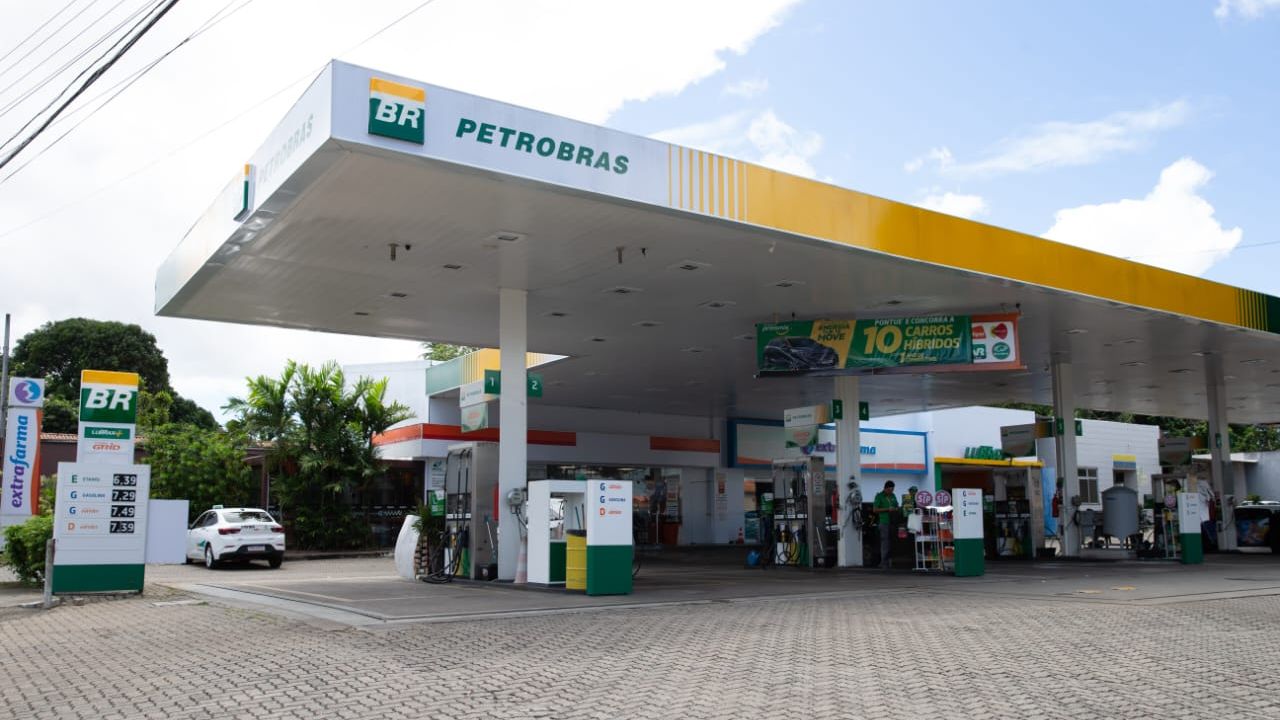
Trying To Get Out Of The Spotlight Of The Population Regarding The High Gas Prices, President Jair Bolsonaro Issues Decree And Now Requires Gas Stations Across The Country To Compare Fuel Prices Before And After The ICMS Ceiling Is Set.
During last Thursday, (07/07), President Jair Bolsonaro issued decree 11.121/2022, which requires gas stations throughout Brazil to compare fuel prices before and after complementary law no. 194/22, which set the ICMS ceiling. Moreover, the Federal Government promises a reduction in gasoline prices across the country and seeks to reduce criticism regarding inflationary issues with fuels in the national territory.
President Bolsonaro’s Decree Requires Gas Stations To Compare Fuel Prices Before And After The ICMS Complementary Law
President Jair Bolsonaro is now seeking to reduce criticism of his government in Brazil concerning the inflation problem for products and promised cheaper gasoline, as well as a reduction in fuel prices. Thus, he modified decree 11.121/2022 and, as a result, gas stations throughout the country will have to compare fuel prices before and after the complementary law that set the ICMS ceiling nationwide.
The main justification for the president’s decision is that consumers need the necessary transparency to assess the current situation of fuels in the country. However, the Bolsonaro government has been trying to blame Petrobras for the high prices throughout the national territory, and this is yet another measure that should contribute to that.
-
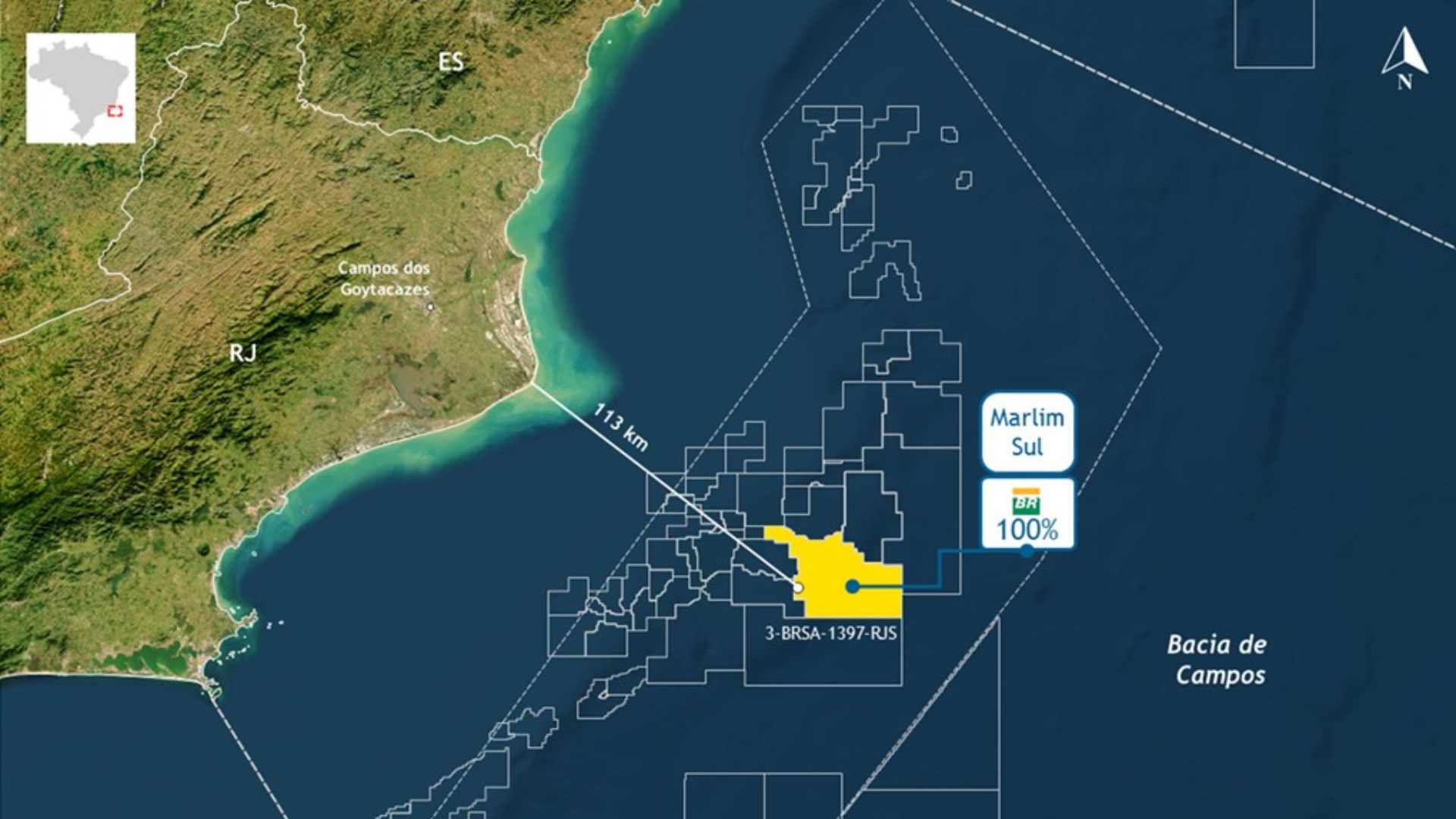
Petrobras finds high-quality oil in the pre-salt at 113 km from RJ and reignites expectations about strategic reserves in the Campos Basin.

-
Ocyan opens registrations for startups focused on innovation in the oil and gas sector and will select projects for Innovation Day with the support of Nexio.

-
Petrobras announces new oil discovery in the pre-salt of the Campos Basin and reinforces Brazil’s prominence with high-quality reserves that can increase production and energy revenues.
-
Alert in the fuel market: Analysts and a former director of ANP warn that oil prices may worsen in the coming months due to global instability.
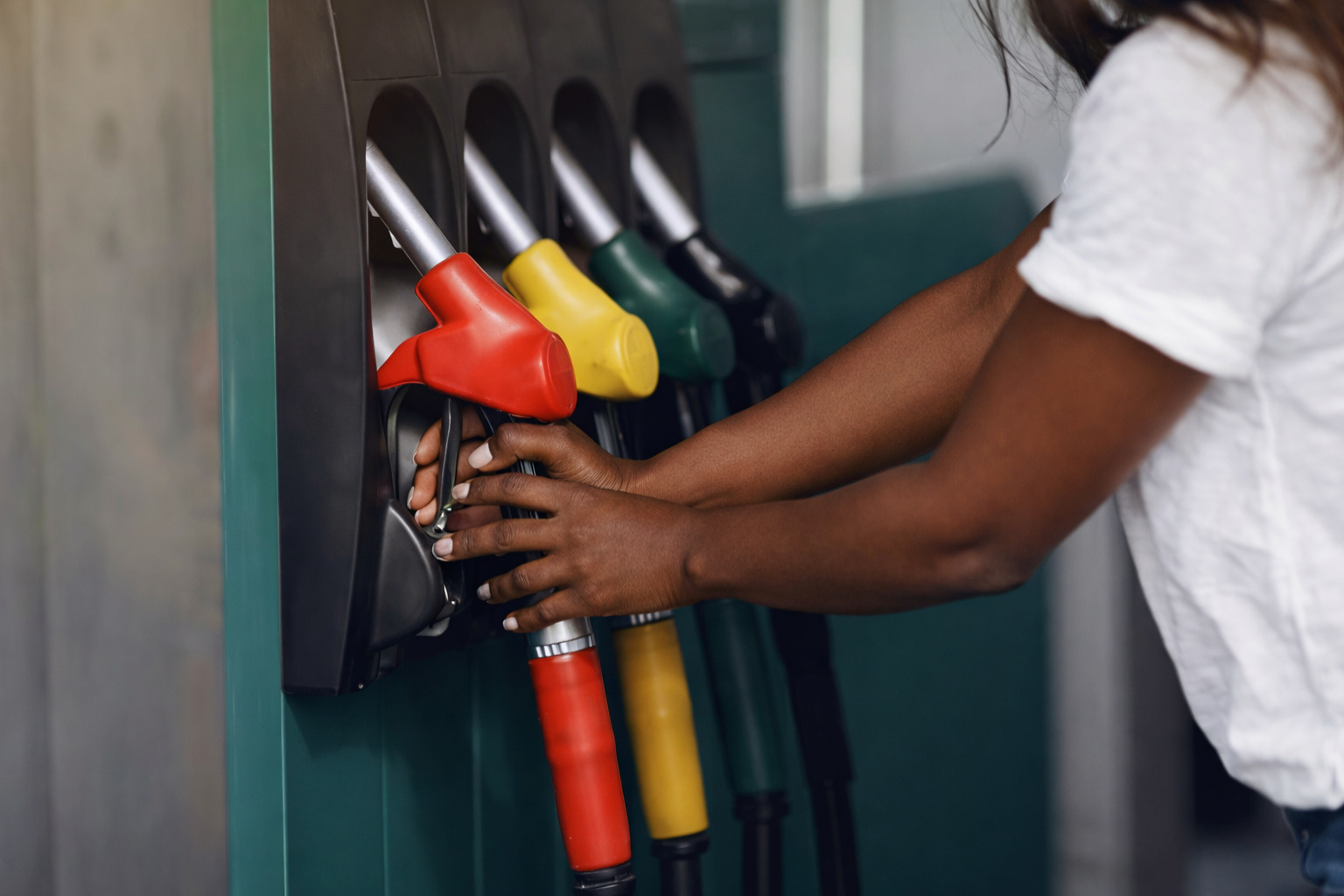

Thus, with the new decree, gas stations will have to display the final price and the tax portion, identifying separately ICMS, PIS/Cofins, and Cide. Amid the electoral race in 2022, Bolsonaro wants to show the population that he has completely eliminated federal taxes and intends to use this to promote himself in the political landscape.
Evidence of this is that the decree announced by the president is only valid during the year 2022, while his term is still in effect, and does not impose any risk of penalties on gas stations that fail to display the comparison of gasoline prices and other fuels after the changes to the ICMS ceiling.
Reduction Of The ICMS Rate On Fuels Is Adopted By Some States, But The Decision Is Questioned By Governors
The decision to reduce the ICMS rate on fuels in Brazil is one of the main moves of the Bolsonaro government to shift the blame from the State regarding high gas prices and other products.
So far, 21 states have adopted the measure, namely: Minas Gerais, Rio de Janeiro, Santa Catarina, São Paulo, Rio Grande do Sul, Paraná, Espírito Santo, Sergipe, Goiás, Amazonas, Ceará, Amapá, Pará, Rondônia, Roraima, Alagoas, Bahia, Paraíba, Pernambuco, Maranhão, and Rio Grande do Norte.
However, many governors, although they have accepted the decision, continue to criticize the government’s position regarding high fuel prices. Thus, Minister of Economy Paulo Guedes met with Minister of the Court Rosa Weber to address the Direct Action of Unconstitutionality (ADI) 7195, which deals with the governors’ criticisms regarding the reduction of the ICMS ceiling.
This happens because states argue that the lack of ICMS revenue will contribute to a reduction in funding for infrastructure improvements in each state.
Now, President Jair Bolsonaro continues seeking ways to improve his image regarding fuel issues, states are positioning themselves against the current government’s stance, and consumers continue to bear the impact of political instability with high prices for products.









Seja o primeiro a reagir!