





 English
  Francês
  Alemão
  Italiano
  Japonês
  Norueguês
  Portuguese
  Spanish
  3 min of reading



Bolsonaro Wants to Adopt Concession Model for Pre-Salt Areas and Eliminate the Sharing Model Currently in Effect
With R$ 100 billion expected to enter the federal treasury from the sale of exploration rights in low-risk pre-salt areas, the current government is trying to convince the transition team that this is not the right time to change the sector’s rules.
Regime Change
Jair Bolsonaro depends on Congress to end the sharing regime and adopt a single contract model for post and pre-salt, that of concession. Obviously, any potential regulatory regime change will require approval from Congress, which will likely delay the bidding process, scheduled for the second quarter of next year.
-
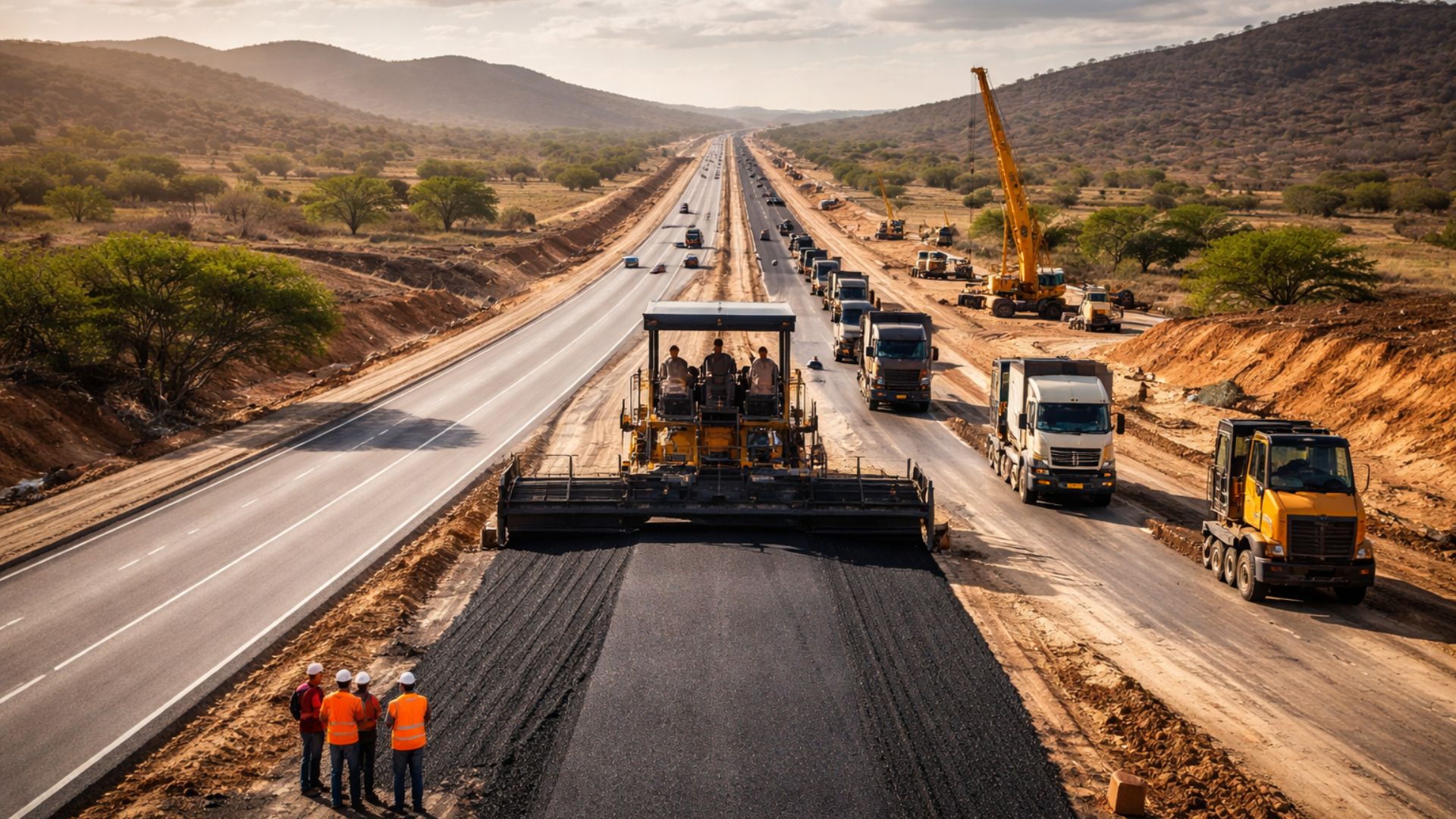
Government unlocks R$ 554 million for a highway that has been requested for decades and accelerates the duplication of BR.
-
Without bricks, without cement, and without endless construction: the cardboard house that is assembled in modules and can be moved.

-
Billions of barrels on the equatorial margin could lead Amapá to double its oil production in Brazil — the state aims to enter the route of companies in the Campos Basin, attract investments, and boost jobs and businesses in the oil and gas sector.

-
Without bricks, without cement, and without endless construction: the cardboard house that is assembled in modules and can be moved.

“It’s the first time I’ve heard of the possibility of a regime change. I had never heard this before,” said Moreira Franco. For him, the priority now should be to approve, in the Senate, the bill that allows Petrobras to sell a stake in the onerous assignment, which makes possible the mega auction of the surplus area, scheduled for 2019. “We must approve this project so that the next government can access these resources as quickly as possible, which are crucial for the country’s fiscal balance.”
Since 2015, both sides have debated whether the R$ 74.8 billion paid by the state-owned company eight years ago was excessive. This year, they concluded that the oil company has a billion-dollar credit to receive, but for that, lawmakers and the Federal Court of Accounts (TCU) must approve amendments to the contract that will ensure the Treasury pays the company. After this phase, the government will be able to auction discoveries made by the state-owned company that exceed 5 billion barrels of oil, the surplus from the onerous assignment.
According to the minister, regarding the onerous assignment agreement, under discussion between the Union and Petrobras, there is still a difference in the exchange rate for the value of oil. The director-general of ANP, Décio Oddone, said he is theoretically in favor of the concession model. However, a change at this moment would cause a significant delay in the auction of the surplus from the onerous assignment. He noted that the ANP would need four months to prepare the auction after the government authorizes the bidding process.
The government depends on the money from the auction of the surplus from the onerous assignment to pay a billion-dollar debt with Petrobras and also to compose the budget for next year. According to the Secretary of Oil at the Ministry of Mines and Energy, Márcio Felix, Bolsonaro’s team is “receptive” to the arguments of the MME. If the idea of not changing the sector’s rules prevails in the first half of 2019, the auction for the surplus from the onerous assignment will follow the sharing regime and Petrobras will keep the priority of deciding whether it wants to lead the projects.
“Every time someone brings up a topic like this (ending sharing) in Congress, there is a risk that someone will propose an amendment and everything will spiral out of control,” said Márcio Felix. “If we enter into discussions about ending sharing in Congress, we run the risk of stalling the auctions, and that is the last thing we want,” added José Mauro Coelho, Director of Oil at the Energy Research Company (EPE).
At an event celebrating five years of the sharing regime, Felix, who is part of the transition team, said that “no disruptive measures are being planned” by the elected government.
This is the most anticipated area concession for the pre-salt by the oil industry in Brazil, because Petrobras has already discovered significant volumes of oil and gas in the four areas of the onerous assignment – Atapu, Búzios, Itapu, and Sépia – and the geological risk of the business is practically zero. PRESIDENT OF THE STATE-OWNED COMPANY OF PRE-SALT DEFENDS CONTINUITY OF THE COMPANY! STAY UPDATED WITH THE NEWS CLICK









Seja o primeiro a reagir!