





 Portuguese
  English
  Spanish
  2 min of reading
  0 comments


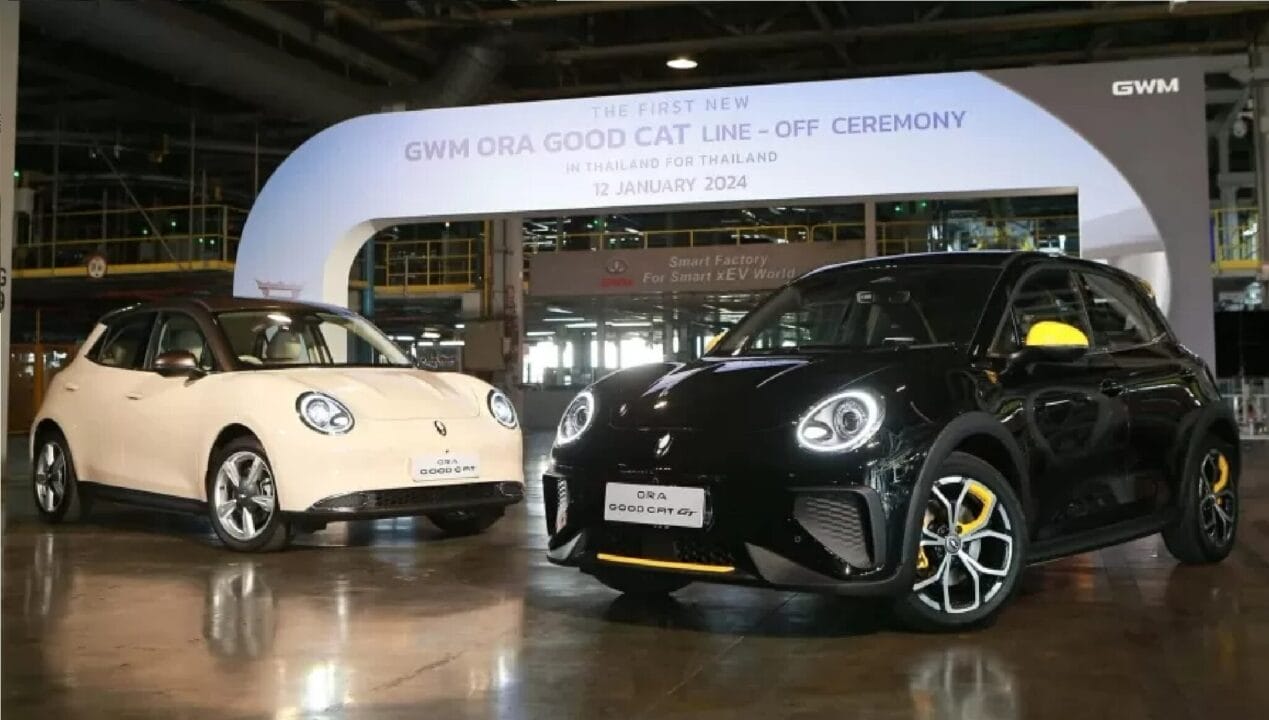
With Increasing Market Share, Chinese Electric Cars Are Winning Thousands of Customers Worldwide. But Have You Ever Wondered Why They Are So Affordable?
Chinese electric cars are gaining more and more space in the global market, offering quality and competitive prices that challenge traditional competitors. But how are they able to be so affordable? An Analysis by UOL Cars reveals that the aggressive strategy of Chinese brands, combined with the weight of the industrial park and the massive internal market, has been crucial for this price revolution.
Consulted experts point out that Chinese manufacturers have adopted an aggressive pricing strategy to gain market share and become more known, especially in countries where they are just arriving. “They are willing to sell electric cars here without making much profit. This counts as a marketing investment,” says Cassio Pagliarini from the consulting firm Bright Consulting.
Additionally, the favorable internal market for creating immense scales and the local supply of complex items, such as batteries, have contributed to the low cost of Chinese electric cars. China is home to the world’s largest battery manufacturer, CATL, and the third largest, BYD, ensuring an endless supply of technology essential for electric vehicles.
-
Costing R$ 16,000, the new Yamaha features a 125 cc hybrid engine with electric assistance, delivers 8.3 hp, includes ABS, optimized fuel consumption, Y-Connect connectivity, 25 liters of storage space, and a surprising 4-year warranty in the urban segment.

-
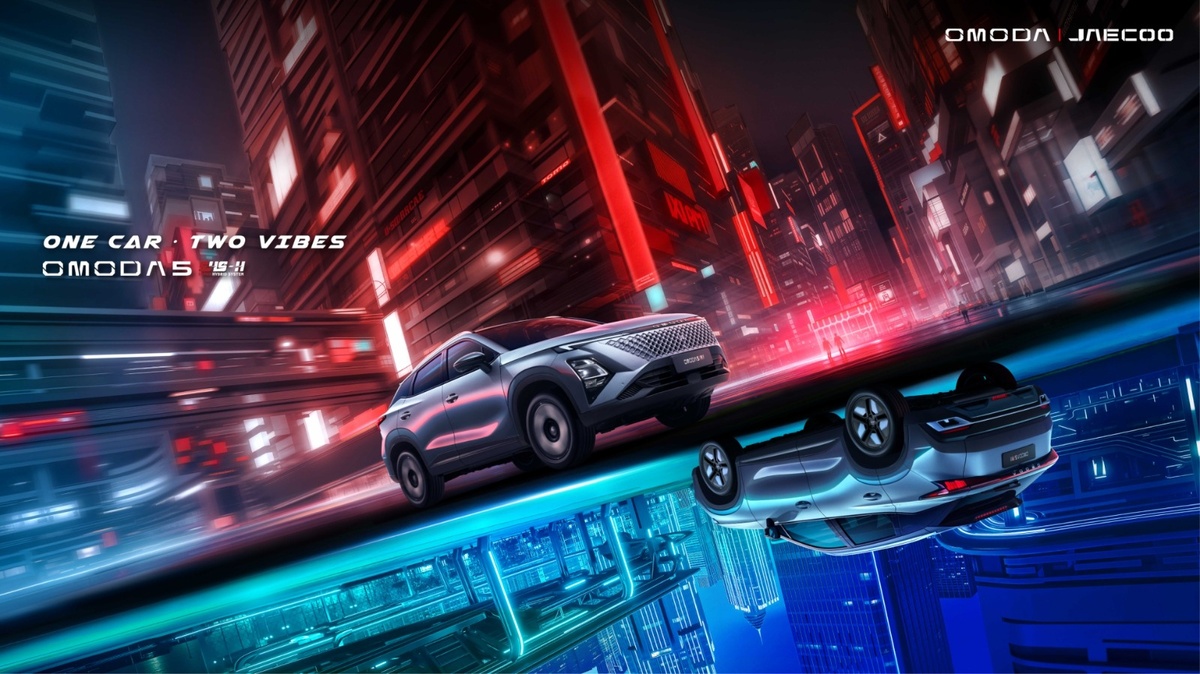
OMODA & JAECOO grows in Europe in 2026 with an integrated strategy of sales, innovation, local production, and technological advancement in the United Kingdom, Italy, and Spain.
-
OMODA & JAECOO expands after-sales service in Brazil with competitive maintenance, a 7-year warranty, and high availability of parts for technological SUVs.

-
OMODA & JAECOO appoints Alessandra Souza as executive marketing director in Brazil and accelerates brand expansion with a focus on innovation, networking, and hybrid portfolio.


Strategic Decision: China’s Bet on Electric Cars
About 20 years ago, China made a strategic decision to invest in electric mobility, including electric cars, hybrids, plug-in hybrids, and charging systems. This bet put the country five to ten years ahead of all others, according to Pagliarini.
The disparity in prices is also due to the high production costs in Brazil, which include labor, longer shifts, and weekend work. To compete, it would be necessary to invest more in efficiency, taxes, and technology to match the conditions offered in China to its manufacturers, experts highlight.
Chinese Exports and Protectionism: Challenges and Strategies
The volume of electric cars exported by China grew 12% last year, facing challenges such as protectionism from some markets like Europe and the United States. However, Chinese brands have been circumventing these barriers, including setting up factories in countries like Hungary. In Brazil, import tax rates can exceed the extra cost of making the models locally, which has encouraged giants like BYD and GWM to produce vehicles in the country as early as 2024.
The current situation of Chinese cars is quite different from the first wave that arrived in Brazil. In the past, these vehicles were associated with cheap, low-quality products. However, the reality has changed, and today they offer an attractive cost-benefit ratio, competing on equal terms with traditional brands.








Seja o primeiro a reagir!