





 English
  Francês
  Alemão
  Italiano
  Japonês
  Norueguês
  Portuguese
  Spanish
  4 min of reading


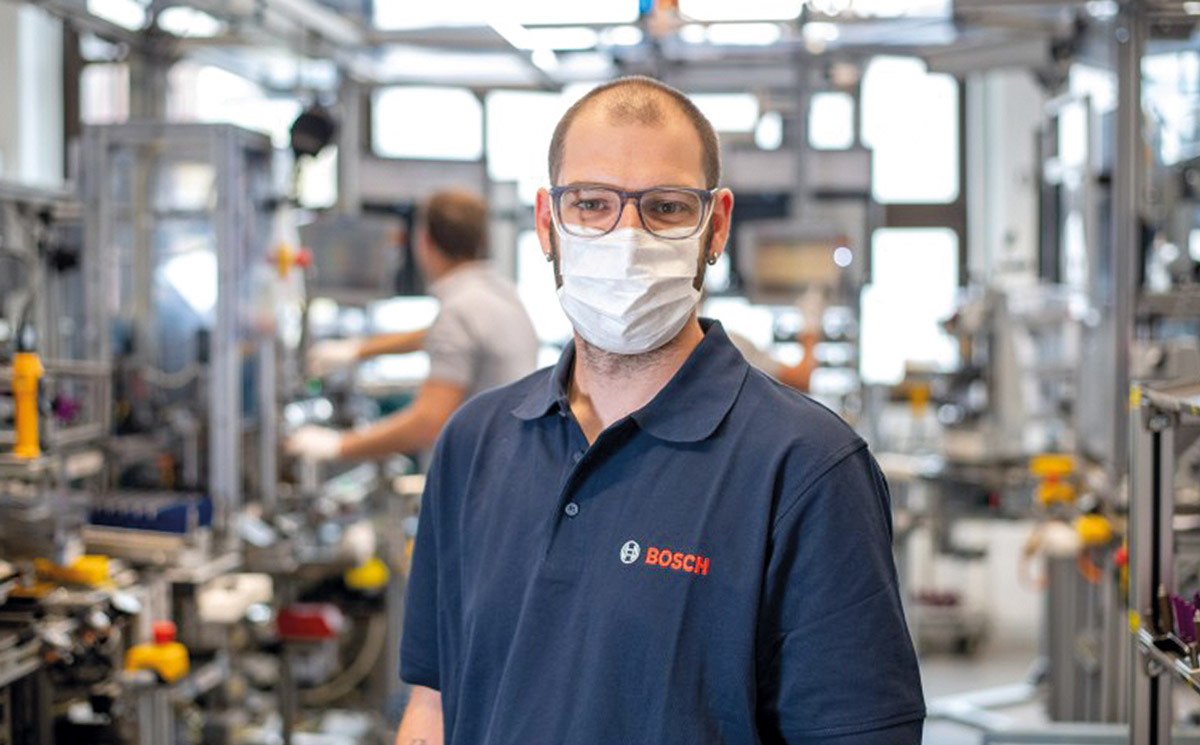
The German Giant Managed To Bring To Production The Next Evolution Of Automotive Chips. They Will Be Fundamental For The Evolution Of The Industry, Especially For Electric Vehicles.
The Arrival Of The Electric Car Signified A Revolution In The Industry. In A Short Time, Manufacturers And Secondary Companies Focused On Creating And Evolving Specific Components For Battery-Powered Vehicles. Bosch, An Industry Giant, Managed To Develop The Next Generation Of Semiconductors, Silicon Carbide (SiC) Chips, Which Promise To Be Especially Valid For Electric Vehicles.
Also Read
- Volkswagen, Bosch, Nissan, USP And UNICAMP Study Ethanol Technology And Make The Dream Of The Electric Car Running Without A Battery Come True
- Bosch, The Leader In Equipment, Automotive And Industrial Tools, Calls For Candidates With And Without Experience For 98 Job Openings In Its Factories In RJ, SP And Other Regions Of Brazil
- WEG Integrates The Unique And Revolutionary Production System For Electric Mobility Created By Global Leaders Volkswagen, Bosch, ABB And Siemens
- After Bosch And Volkswagen, Nissan Bets On The Ethanol Cell For The Refueling Of Electric Car Engines And Closes A Partnership With The Institute Of Energetic And Nuclear Research, Linked To USP, To Develop Bioethanol In Brazil
“The Future Of Silicon Carbide Semiconductors Is Bright. We Want To Be Global Leaders In The Manufacturing Of SiC Chips For Electric Vehicles,” Said Harald Kroeger, A Member Of The Board Of Robert Bosch GmbH. Two Years Ago, Technology And Service Suppliers Announced They Would Proceed With The Development And Production Of SiC Chips.
Bosch Developed Its Own Highly Complex Manufacturing Process. Since Early 2021, It Has Been Used In The Production Of Special Semiconductors, Initially As A Sample For Customer Verification. “The Boom In Electric Cars Has Filled Our Purchase Orders,” Says Kroeger.
-
Engineers propose a fourth traffic light for intersections – the change promises to affect crossings, queues, and waiting times.

-
Chevrolet Suburban Z71 lands in Brazil with a V8 engine, off-road design, air suspension, seven seats, and colossal size, a rare version imported for around R$ 1.3 million with luxury and exclusivity.

-
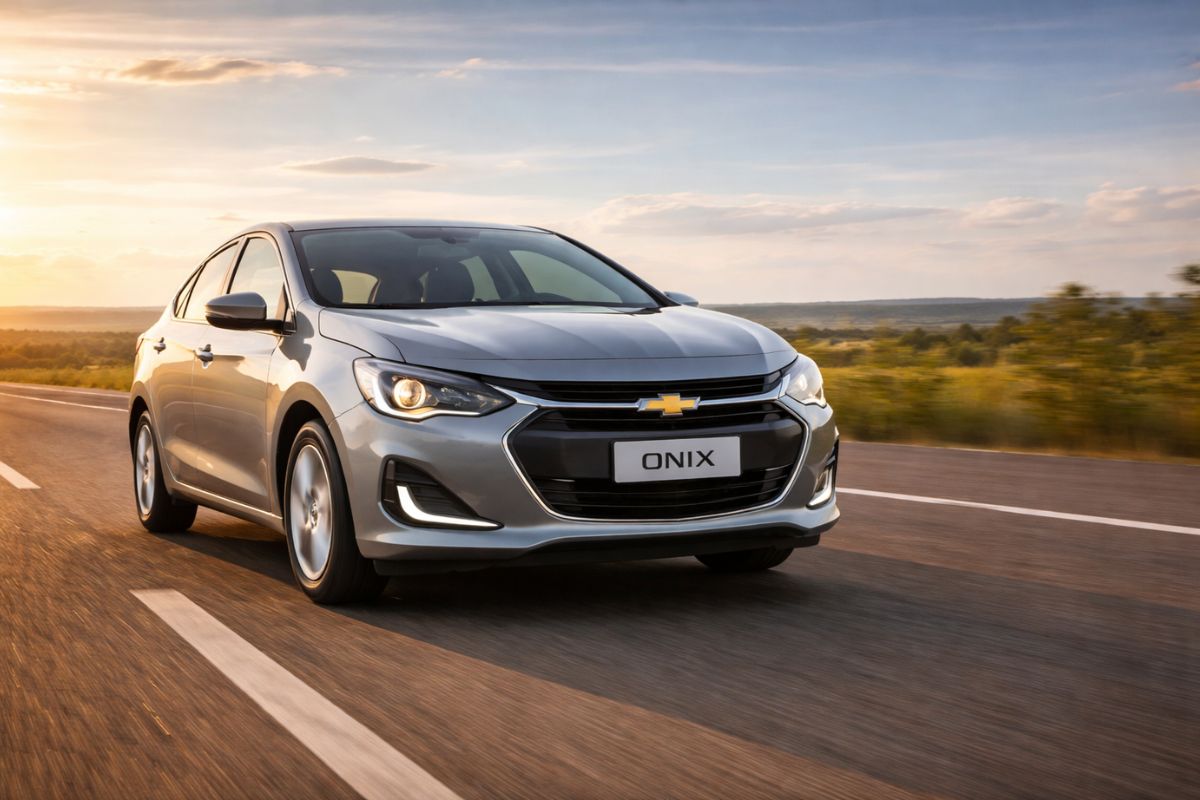
The Chevrolet Onix 1.0 turbo achieves 17.7 km per liter on the highway and ranks among the three most economical cars in Brazil in 2026, alongside two more expensive Toyota hybrids available at dealerships.
-
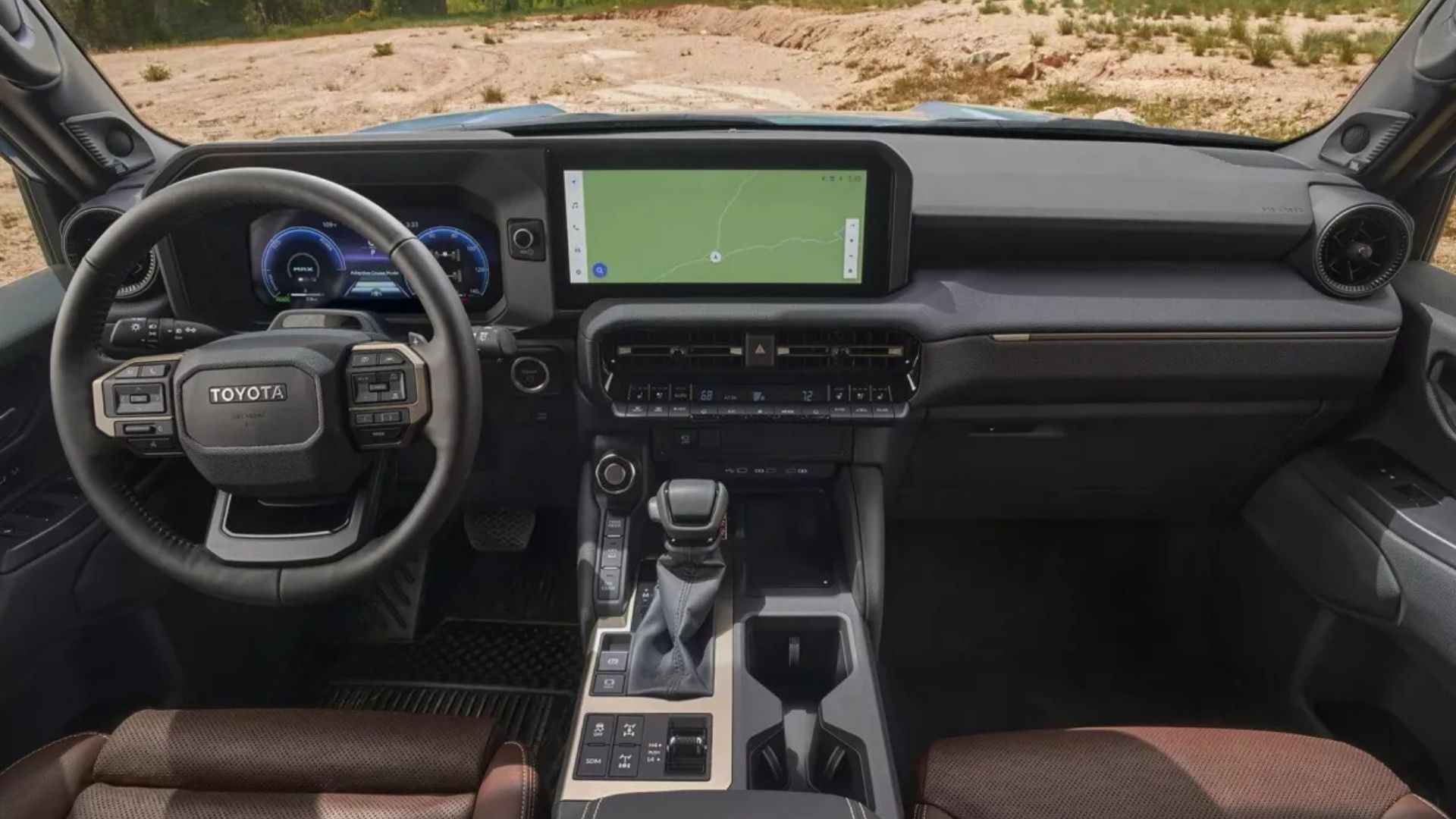
Little sister of the Hilux: Toyota launches Land Cruiser FJ with 4 radical versions, 2.7 engine with 166 hp and 4×4 traction with locking.

Recently, Bosch, In Collaboration With Porsche And Fraunhofer, Was Immersed In A Revolutionary Project They Called Project SiCeffizent. Now, This Study Has Paid Off And The German Company Has Already Begun Manufacturing The Chips That Promise To Revolutionize The Industry Amid The Global Semiconductor Crisis. Little By Little, They Will Reach Manufacturers And The First Commercial Models That Will Improve Consumption Rates.
The Semiconductors Developed By Bosch Using Silicon Carbide Technology Are Particularly Efficient In Energy Use, Making Them Especially Useful For Energy-Consuming Applications Such As Electromobility. SiC Chips Ensure 6% Higher Efficiency Than Their Conventional Silicon Counterparts, Making Better Use Of Vehicle Resources And Extending Battery Range To A Higher Level.
In The Future, Bosch Plans To Expand SiC Power Semiconductor Production Capacity To Hundreds Of Millions Of Units. With This In Mind, The Company Has Already Started Expanding Its Clean Room Space At Its Factory In Reutlingen. At The Same Time, Work Is Being Done On 2nd Generation SiC Chips. This Is Even More Efficient And Is Expected To Be Ready For Mass Production By 2022.
The Secret Of The Perfect Chips For Electric Cars Manufactured By Bosch
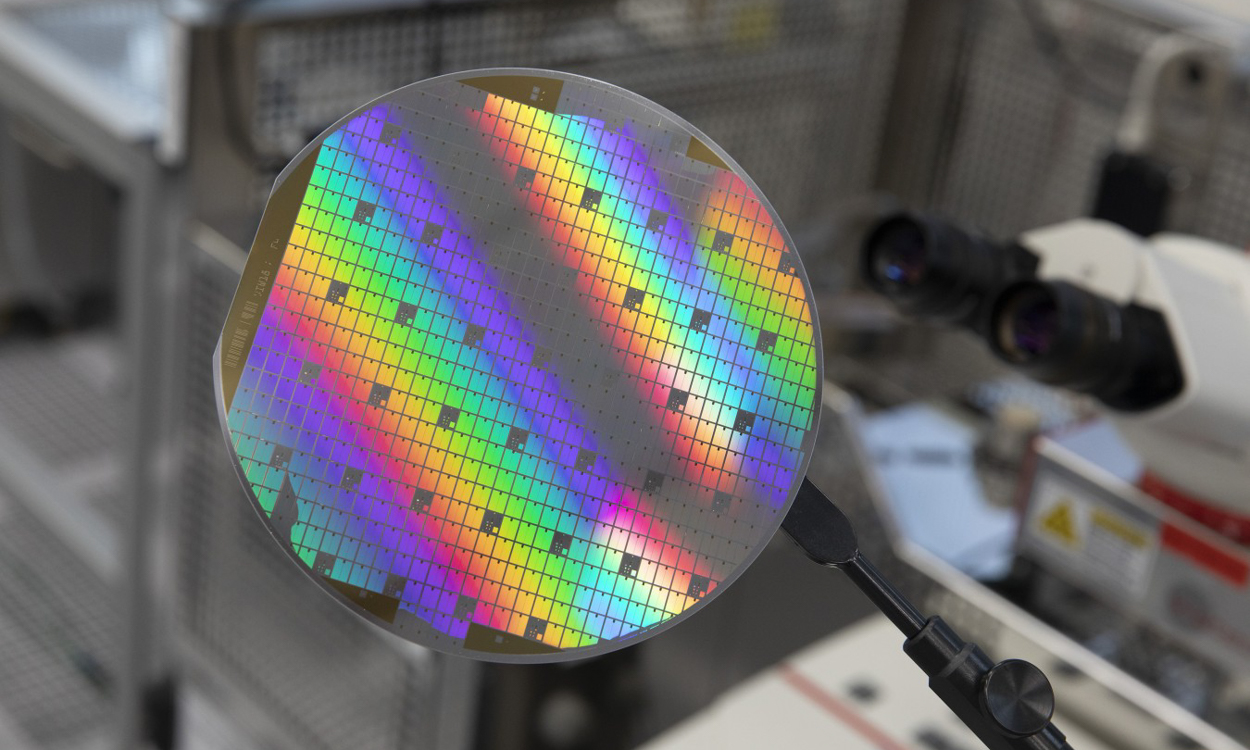
The Secret Behind This High Performance Lies In The Tiny Carbon Atom That Is Introduced Into The Crystal Structure Of Ultra-Pure Silicon. This Gives The Material Special Physical Properties. For Example: SiC Semiconductors Can Withstand Higher Switching Frequencies, Losing Only Half Of The Energy As Heat. Chips Are Especially Important For 800 Volt Systems, Where They Enable Faster Recharging And Better Performance.
The Advantages Seem Unlimited, And Bosch Hopes That Their Use Will Extend Over The Years As It Will Allow For Cheaper Electric Vehicle Production, Requiring Less Cooling Systems Than Current Models. Although Production Has Already Begun, Silicon Carbide Semiconductors Will Soon Start Being Supplied To Different Manufacturers, Either As Loose Chips Or Installed In Electronic Systems Developed By The Company, Such As The Long-Standing CVT Gearbox Or The New Type 2 Charging Cable.
Although We Are In The Midst Of The Global Crisis Due To The Lack Of Semiconductors, Bosch Estimates That In The Coming Years The Global Market Will Grow By 30%. To Achieve This, It Has Invested Large Sums Of Money Not Only In The Study And Development Of Technology But Also In The Construction Of Specific Facilities For Manufacturing. More Than 1,000 Square Meters Have Already Been Added, And Another 3,000 Will Be Added By The End Of 2023. Everything Is Prepared To Focus The Future In A More Efficient And Electric Direction.
In A Move Contrary To Ford And Chevrolet, The Multinational Auto Parts Manufacturer Bosch Decided To Bring Its Production From The USA To Brazil
The German Multinational Auto Parts Manufacturer Bosch Went Against The Trend Of Automakers Ford, Chevrolet, Honda And Audi, Who Decided To Withdraw Or Reduce Production In Brazil And Brought To Brazil The Production Of Injectors And Injector Nozzles For Trucks That Were Produced In Its Factories In The United States, Thus Expanding The Diesel Injection Systems Division In Its Factory In Curitiba.
According To Electronic And Telecommunications Engineer Antônio Jorge Martins, Bosch’s Strategy Reflects Primarily The Huge Potential Of The Brazilian Market In The Sector.
Additionally, The Intention Of The German Multinational Is To Supply Not Only The Domestic Market But Also To Export A Large Quantity – Which Can Reach Up To Half Of The Production. Check Out The Full Article Here.








Seja o primeiro a reagir!