





 English
  Francês
  Alemão
  Italiano
  Japonês
  Norueguês
  Portuguese
  Spanish
  4 min of reading
  0 comments


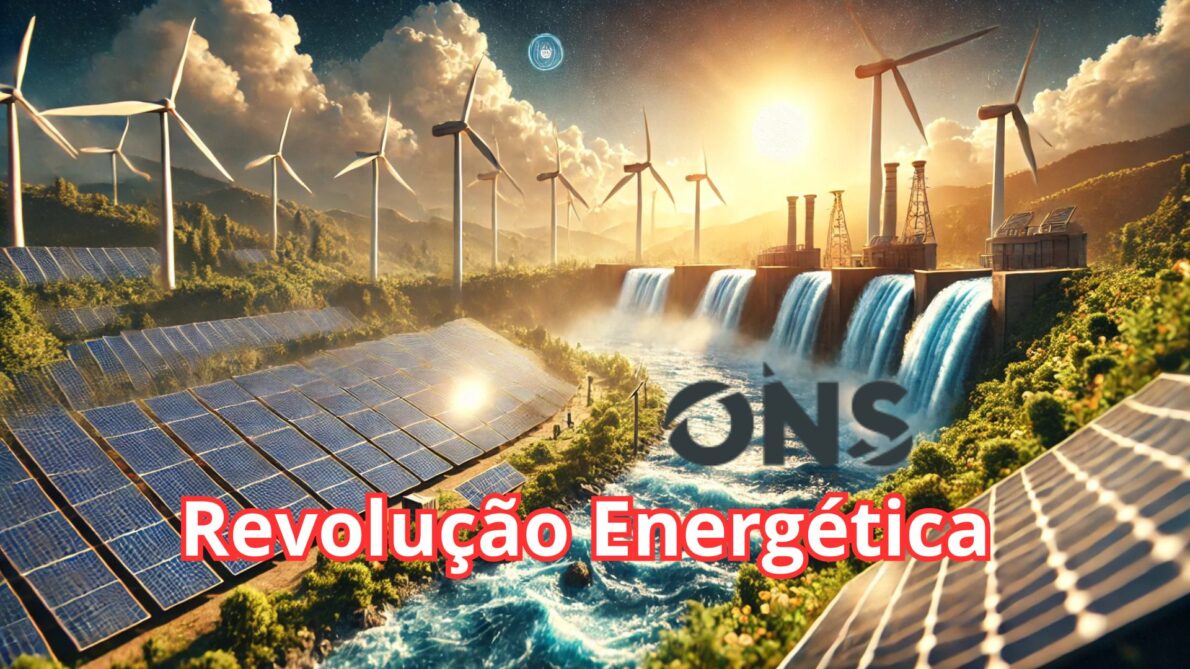
The Brazilian Energy Matrix Is About to Undergo One of the Most Transformative Changes in Its History.
In a recent report from the National Electric System Operator (ONS), it is forecasted that renewable energy sources, such as solar and wind, will account for 51% of energy generation in Brazil by 2028. For the first time, traditional sources like hydropower and thermal power plants will take a backseat, setting up a new energy landscape in the country.
Brazil Towards 51% Renewable Energy: A Historic Change
Brazil is accelerating its energy transition. According to the Energy Operation Plan (PEN) released by the ONS, solar and wind power plants, along with biomass and small hydropower plants (PCHs), will lead energy production in the coming years. This marks a drastic shift from the current scenario, where hydropower and thermal power plants are still dominant. This new arrangement not only positions Brazil as one of the largest producers of clean energy but also provides a solution to mitigate climate change.
Currently, the country’s power generation capacity stands at 215 thousand megawatts (MW), of which 41% comes from renewable sources. This number will jump to 245 thousand MW by 2028, driven mainly by distributed solar energy, that is, solar panels installed in homes and small businesses.
-
Renewable energy advances over protected areas in Brazil, and a survey by the Energy Transition Observatory reveals silent impacts that challenge environmental conservation and pressure sensitive traditional territories.

-
Rio Grande do Sul accelerates energy transition: State invests in renewable technologies and consolidates decarbonization strategies and pathways to attract billions in new industrial investments.

-
With 160,000 m² of collectors, an area larger than 20 football fields, Silkeborg, in Denmark, hosts a solar thermal plant that heats 19,500 homes and could become the largest solar heating plant in the world.

-
A study reveals the expansion of renewable energy procurement in Brazil and shows how companies are taking advantage of opportunities to reduce expenses, ensure energy efficiency, and strengthen strategic environmental commitments.


What Are the New Energy Sources That Will Lead the Sector?
To meet this growing demand, the following renewable sources are expanding:
1. Solar Energy
The use of solar panels installed on residential and commercial roofs has grown exponentially. Additionally, large-scale solar parks are expanding in the country, especially in regions with high solar incidence, such as the Northeast.
2. Wind Energy
Brazil is already one of the world leaders in wind energy generation. With wind farms primarily distributed in the Northeast, coastal regions benefit from constant winds, making this one of the most promising energy sources.
3. Biomass
The use of biomass, derived from agricultural and industrial waste, is also gaining prominence in the energy sector. Its production is less intermittent and provides a reliable source of energy year-round.
4. Small Hydropower Plants (PCHs)
While large hydropower plants are losing ground, PCHs, which have less environmental impact, will continue to contribute significantly to the national energy matrix.
Advantages of Renewable Sources in the Brazilian Energy Matrix
The transition to a matrix primarily based on renewable sources brings several benefits:
- Reduction in CO2 Emissions: The replacement of thermal power plants, which use fossil fuels, with clean sources like solar and wind will help Brazil achieve its climate goals and drastically reduce its greenhouse gas emissions.
- Cheaper Energy: With the expansion of distributed generation, especially with solar panels on roofs, energy production will become more accessible and affordable, benefiting millions of Brazilians.
- Greater Energy Independence: The production of renewable energy decreases Brazil’s reliance on imported fossil fuels and stabilizes supply, even during international crises.
Challenges of the Energy Transition
Although the benefits are clear, the transition to a renewable energy matrix also faces obstacles, mainly regarding the intermittency of sources like solar and wind:
- Solar Intermittency: Solar energy generation depends on solar irradiance, meaning production is limited at night and on cloudy days. This creates a demand for energy storage solutions or complementary sources.
- Variation of Winds: Wind energy production is variable, as wind intensity changes throughout the day and across seasons. Wind farms often generate more energy at night, which may not coincide with peak demand hours, such as late afternoon.
These operational challenges require innovative solutions to ensure the stability of the electrical system. One of the strategies used by the ONS is to activate hydropower and thermal power plants during peak demand, increasing what is called the “generation ramp” of these plants. However, this practice is not sustainable in the long term and could become a bottleneck for the growth of renewable energy.
How Can Brazil Overcome These Challenges?
The success of the energy transition in Brazil will depend on a set of technological and regulatory strategies, such as:
- Investments in Energy Storage: Technologies such as lithium batteries and large-scale storage systems are essential for storing energy generated during the day and using it at night or during low production periods.
- Expansion of Smart Grids: Smart electrical networks that monitor and adjust energy production and consumption in real-time are crucial to improve the efficiency and reliability of the electrical system.
- Incentives for Distributed Generation: Incentive programs for more consumers, both residential and commercial, to install solar panels and other distributed generation solutions will be vital for increasing installed capacity without relying on large projects.
Clean Energy: The Solution for the Future of Brazil
With advances in technology and increased investments, Brazil is moving towards a future where clean energy will be the norm, not the exception. The goal of 51% renewable sources by 2028 is not just an optimistic projection, but an essential step toward a more sustainable, secure, and accessible energy system.
Furthermore, this transition will help Brazil meet its international commitments in combating climate change, as well as create thousands of jobs in the renewable energy sector. With proper planning and solutions to overcome challenges, Brazil has the potential to be one of the global leaders in clean energy production.
Brazil is on the brink of an energy revolution with the rise of renewable sources, such as solar and wind, at the top of the energy matrix by 2028. However, to ensure the sustainability of this transition, it is essential to overcome intermittency challenges and invest in innovative technological solutions. The future of Brazilian energy will be cleaner, greener, and more efficient.










Seja o primeiro a reagir!