





 Português
  Inglês
  Espanhol
  4 min de leitura
  6 comentários


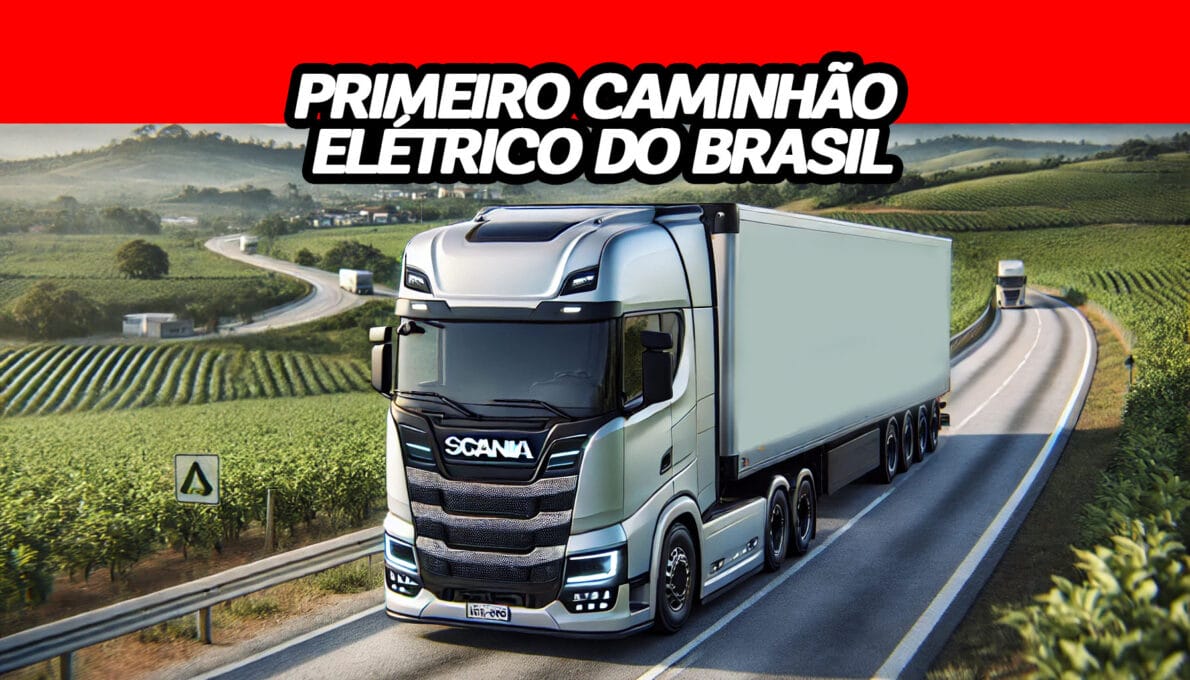

Scania Presented in Brazil Its Fully Electric Truck, Promise to Revolutionize Freight Transport with 250 Km of Range and Recharge in Just 30 Minutes.
If there is a sector that has been transforming the way we think about sustainability, it is heavy transportation.
The electric revolution has finally arrived at the heart of Brazilian roads, and the highlight now is the newly launched 100% electric truck from Scania, a landmark that promises to change the freight transport scene in the country.
With its impressive capacity and autonomy that challenges traditional models, this innovation raises the question: Is the future of heavy transport silent, sustainable, and powered by electricity?
-
OMODA & JAECOO grows in Europe in 2026 with an integrated strategy of sales, innovation, local production, and technological advancement in the United Kingdom, Italy, and Spain.
-
OMODA & JAECOO expands after-sales service in Brazil with competitive maintenance, a 7-year warranty, and high availability of parts for technological SUVs.

-
OMODA & JAECOO appoints Alessandra Souza as executive marketing director in Brazil and accelerates brand expansion with a focus on innovation, networking, and hybrid portfolio.

-
Jaecoo 7 with super hybrid SHS system exceeds 1,200 km of combined range with a 1.5 turbo engine, high-density battery, and intelligent energy management.
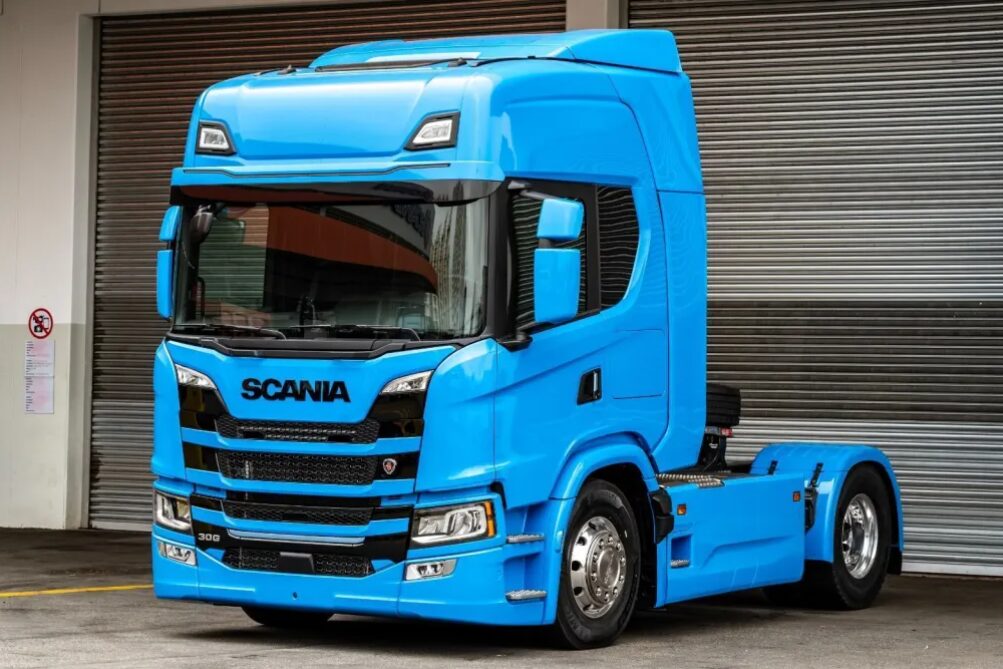
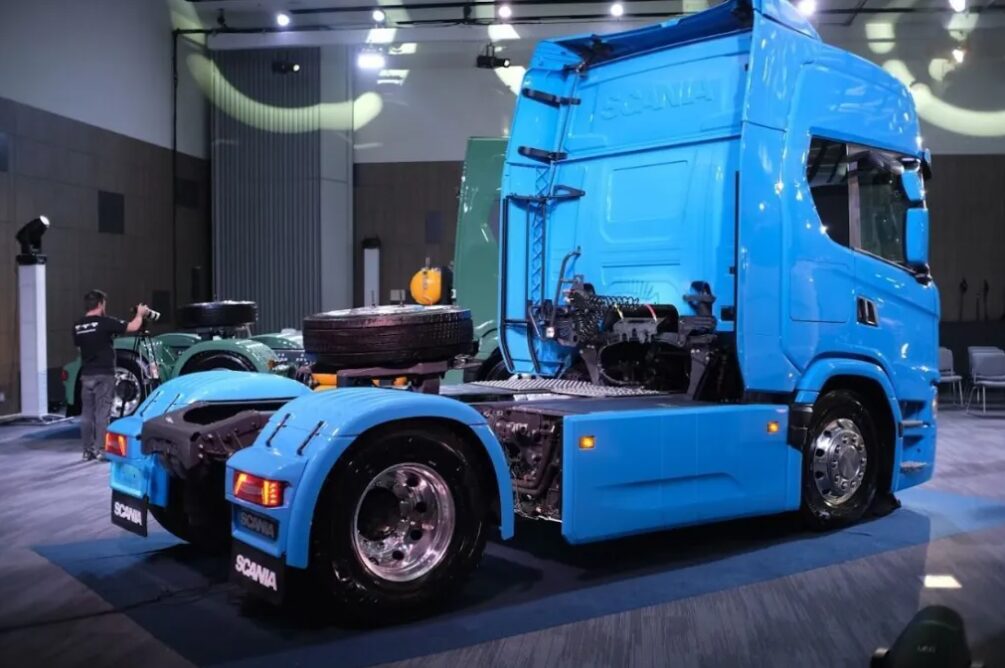
Scania, known for developing robust and efficient trucks, now brings to Brazil a bold bet: the Scania 30 G 4×2, a machine that combines power, sustainability, and energy efficiency.
According to information from the company itself, this is the brand’s first fully electric truck in the country, and the model already stands out for its range of up to 250 kilometers on a single charge, a characteristic that aligns with the plans for decarbonization of Brazilian fleets.
Power and Highlight Range
The new electric Scania has a power of 310 hp and torque of 1,150 Nm, making it one of the most robust vehicles among current electric trucks.
These specifications allow the truck to perform heavy tasks without sacrificing sustainability.
In addition, it is capable of carrying up to 66 tons, showing that the transition to clean alternatives does not imply a loss of capacity or performance for the heavy transport sector.
The Scania 30 G is imported directly from Sweden, reflecting the brand’s investment in bringing the most modern automotive technology to Brazil.
This is an important novelty for transporters who are already facing increasing pressures to adopt more responsible environmental practices, given that the model allows, according to the company, to meet carbon emission reduction targets with great efficiency.
Innovative Batteries and Fast Recharging
Another differentiator of this electric truck is its battery system. The model features lithium-nickel-manganese-cobalt (NMC) batteries, known for their high energy density.
With a total of 416 kW of installed power, of which 312 kWh are usable, it guarantees the necessary range to cover long stretches without frequent recharges.
This is a significant advancement for electric trucks, where range and battery weight are critical factors.
The battery, formed by two packs of 208 kW, uses the CCS2 charging system, allowing for a full charge in approximately 50 minutes when connected to chargers with a capacity of up to 375 kW.
This charging time offers flexibility for drivers who can take advantage of breaks during the day, such as lunch breaks, to quickly recharge the vehicle, optimizing their journey.
Transmission Technology and Design Thought for Efficiency
The 30 G also features a four-speed electric transmission system, with optimized gear ratios (18.60, 10.26, 5.02, and 2.77), ensuring smooth and consistent performance even on more demanding routes.
The EMC1-4 electric machine, located between the chassis’s longitudinal beams, was designed to reduce energy consumption and maximize performance.
This focus on technology and efficiency positions the Scania 30 G not just as a truck, but as a complete transport solution for companies looking to combine efficiency and sustainability in their operations.
This strategy responds to the growing demand for vehicles that meet environmental commitments, an increasingly urgent issue in various sectors of the economy.
Scania: Price, Warranty, and Commitment to the Environment
The investment needed to acquire this innovation, however, is high.
With an estimated value of R$ 2.5 million, Scania’s electric truck has a warranty of up to 1.2 million kilometers, providing security for transporters willing to invest in cutting-edge technology.
According to the company, the price reflects not only the innovation involved but also the potential for long-term savings, as the electric model tends to reduce fuel and maintenance costs.
In summary, the launch of the Scania 30 G in Brazil is a significant milestone for sustainable transport.
With a combination of range, power, and quick recharging, the model sets a new standard for the automotive industry and meets the demands of the Brazilian market for greener and more efficient solutions.
With a robust warranty and a focus on reducing carbon emissions, Scania takes an important step to enable a significant change on the highways and roads of Brazil.
And you, do you believe that the future of freight transport will be fully electric? Share your opinion in the comments!








Por 2 milhões e meio, esse caminhão teria que trabalhar 10 anos sem quebrar ou fazer revisões, pra poder o caminhoneiro tira o envestimento, e detalhe trabalhar de noite e dia.
Séria o primeiro caminhão eletrico do Brasil se a Jac não tivesse lançado uns 3 modelos de caminhão primeiro
O certo seria um motor v8 movido a etanol…. Com uma taxa de compressão de 14.5 e injeção direta,… Resolveria o problema de poluição perante o diesel