





 Português
  Inglês
  Espanhol
  3 min de leitura
  0 comentários


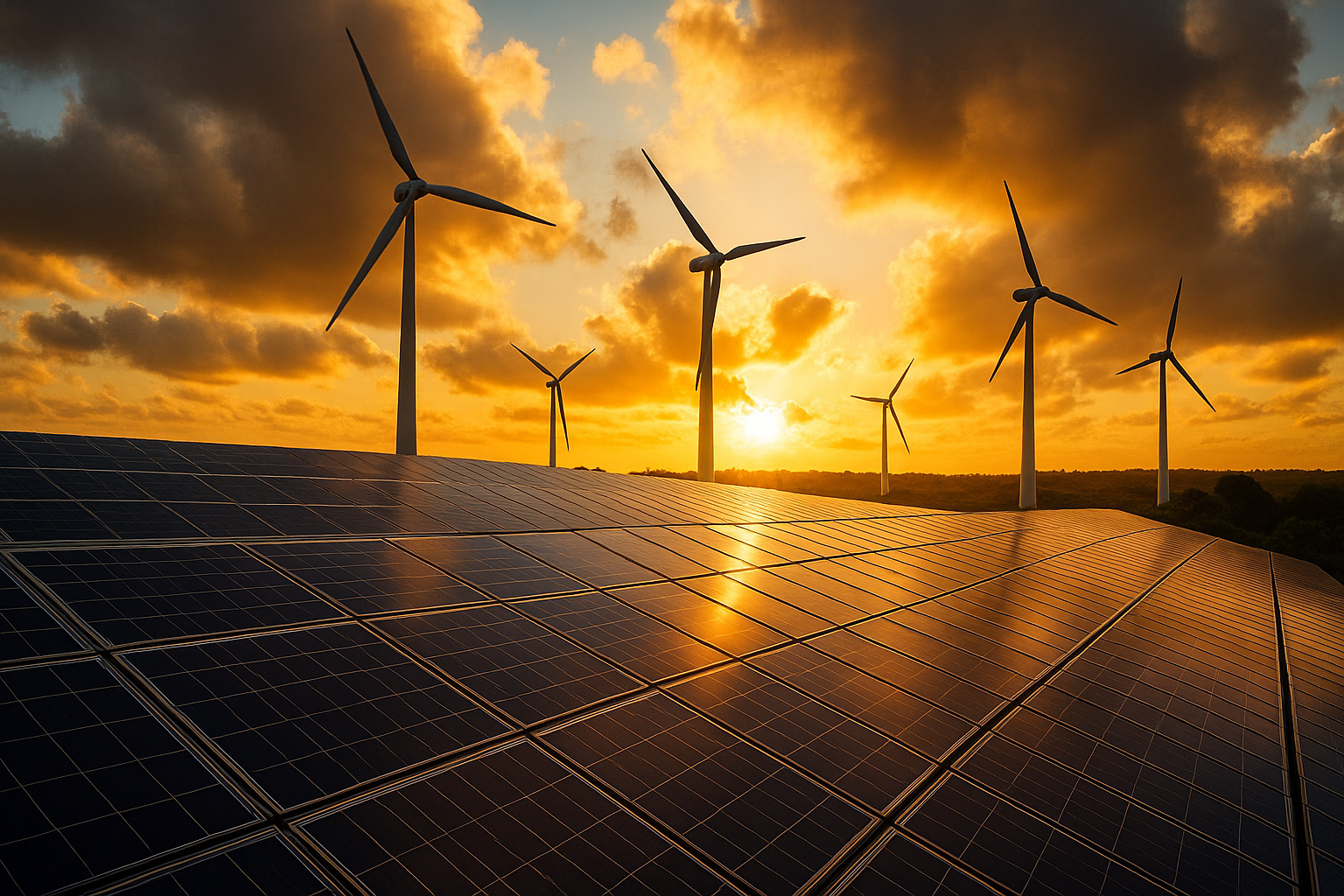
Brazil Reaches 88% of Renewable Energy Generation in 2024 and Leads the Cleanest Energy Matrix in Latin America.
Brazil Leads Evolution of Renewable Energy Generation and Sets New Record in 2024
A energy generation in Brazil is experiencing a historic moment. According to the 2025 Electric Energy Statistical Yearbook, published by the Energy Research Company (EPE), the country reached 88.2% of renewable energy participation in its energy matrix, establishing itself as one of the world leaders in the transition to clean sources.
The study, based on 2024 data, shows that the progress is driven by a 28% growth in solar generation, a direct result of investments in technology, infrastructure, and sustainability incentive policies.
Thus, Brazil confirms its prominent position among the fastest-evolving economies in clean and sustainable energy.
-
Equatorial adopts new national number for consumer units on electricity bills starting in April, following ANEEL standards and modernizing energy bills in several states.

-
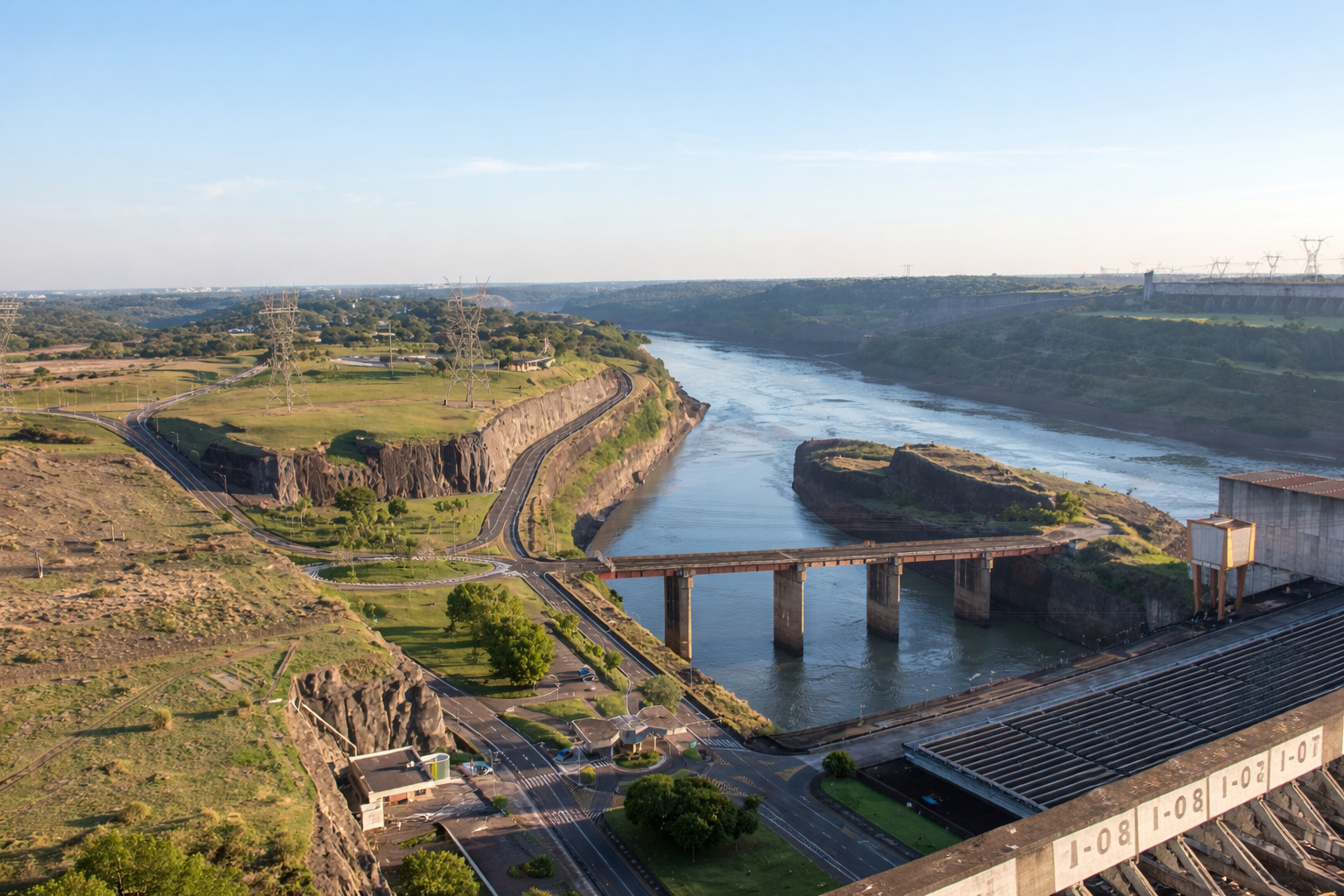
Itaipu Impresses the World: Hydroelectric Plant with 20 Turbines and 14,000 MW Generates Over 2.9 Billion MWh and Leads Global Clean Energy Production
-
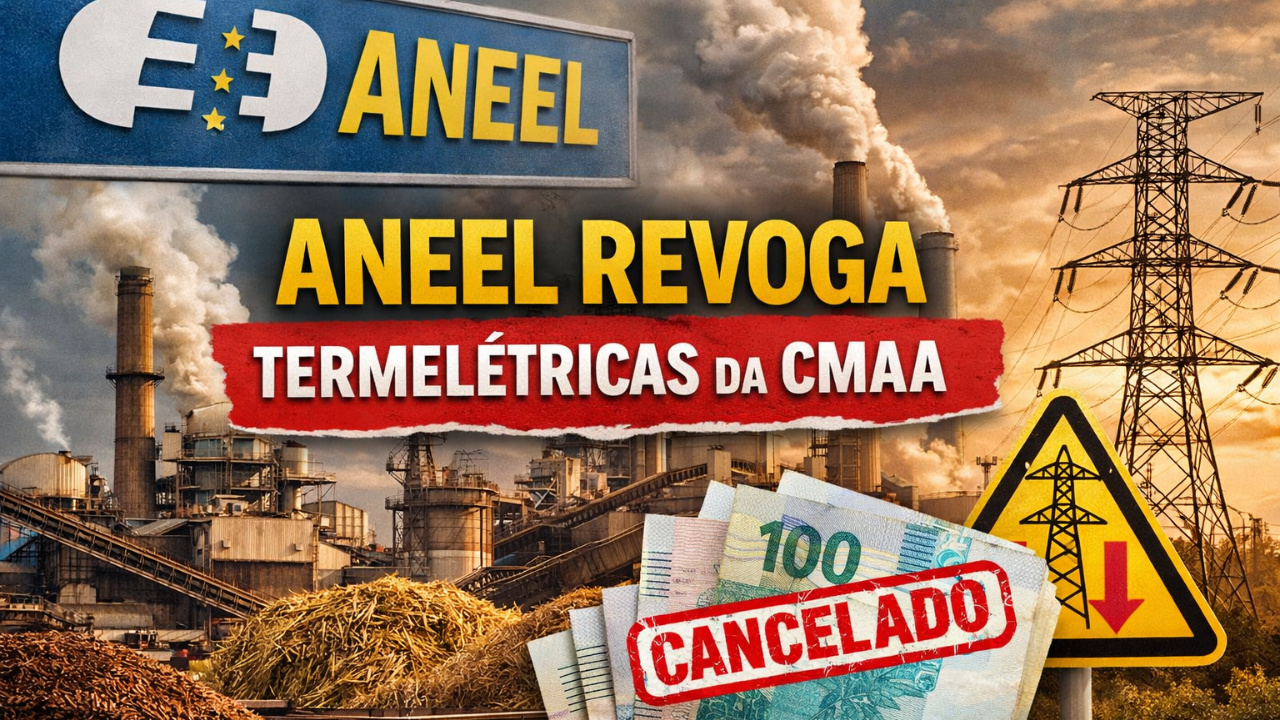
Aneel Revokes CMAA Thermal Power Plants After Network Restrictions and Excess Energy in the System
-
13-Year-Old Scientist Creates Clean Energy Device For Just R$ 16, Wins $25,000 Prize And Surprises The World With Affordable Solution


Hydropower and Solar Energy Drive Brazil’s Energy Matrix
Hydropower plants continue to be the main pillar of energy generation in Brazil, representing 56.1% of total national production. At the same time, other renewable sources have gained strength, especially photovoltaic solar energy, which saw a 28% growth in 2024, reaching 48,468 megawatts (MW) of installed capacity—surpassing even the capacity of thermal power plants (UTEs).
In addition, winds power accounted for 14.3% of renewable generation, becoming one of the main allies in the reduction of carbon emissions. Following closely is solar energy, with 9.4% of total production, reinforcing Brazil’s leading role in the evolution of renewable energies.
On the other hand, non-renewable sources had a smaller share: natural gas represented 6.4%, while nuclear energy accounted for 2.1% and coal, 1.4%. This difference underscores the country’s growing movement towards a cleaner and more balanced energy matrix.
São Paulo and Minas Gerais Lead Energy Generation in the Country
According to the report from EPE, nearly half of the energy generation capacity in Brazil (48%) is concentrated in five states. São Paulo ranks first, with 11.2% of the national production, followed by Minas Gerais, with 10.1%.
Next are Pará (9.5%), Paraná (9.2%), and Bahia (7.9%), all making significant contributions to strengthening the Brazilian energy matrix. Meanwhile, the North and Northeast have emerged as emerging hubs for solar and wind energy, due to favorable natural conditions and new private investments.
Expansion of the Grid and Access to Energy Drive Sector Evolution
The growth of energy generation in Brazil was accompanied by an expansion of the national electrical infrastructure. In 2024 alone, the country added 4,000 kilometers of new transmission lines, raising the basic grid to a total length of 176,000 kilometers.
Additionally, two transmission auctions held in the same year generated over R$ 21 billion in investments, ensuring the modernization and expansion of the electric system. In this way, Brazil strengthens not only its productive capacity but also energy security and efficiency.
Another highlight was the advancement of rural electrification programs, which served nearly 50,000 new households, primarily in the North and Northeast regions. This initiative reinforces the country’s commitment to the universal access to electricity, making the evolution of the energy matrix more inclusive and sustainable.
Brazil Advances in Energy Transition and Inspires the World
The performance of energy generation in Brazil in 2024 demonstrates the country’s potential to lead the evolution of renewable energies. Thanks to the balance between hydropower, solar, and wind, the nation maintains one of the cleanest energy matrices on the planet.
Thus, Brazil remains a global example of how economic growth and sustainability can go hand in hand, showing that investing in renewable energy is also investing in the future of the country and the planet.









-

-

4 pessoas reagiram a isso.