





 English
  Francês
  Alemão
  Italiano
  Japonês
  Norueguês
  Portuguese
  Spanish
  2 min of reading


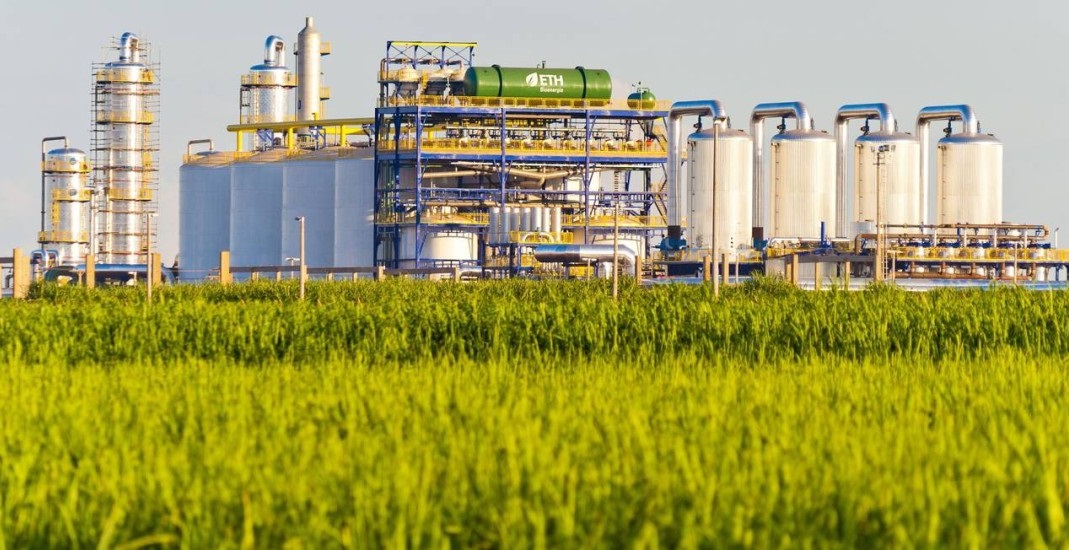
The Dramatic Shift in Brazil to Ethanol This Season Cut Its Sugar Production by 20%, Experts Say India Could Become the World’s Largest Sugar Producer in a Few Years
Brazilian sugar companies are increasing their capacity to produce ethanol in light of falling global sugar prices and government policies that are expected to boost demand for the biofuel. The 2018-19 season reduced Brazil’s production by 9 million tons, and another shift to biofuel next season could help eliminate a global surplus weighing on sugar prices. Brazil may also lose its position as the world’s largest sugar producer to India for the first time in 16 years, according to the U.S. Department of Agriculture.
For Brazilian sugar processors, the shift to ethanol has proven to be an attractive trade-off, as the greater focus on biofuel partially shielded mills from a drop in global sugar prices in September to their lowest level since 2008.
Biosev, Brazil’s second-largest sugar processor, said it was installing distillation columns at two plants in the Mato Grosso do Sul cluster to give mills the option to use 90% of their sugarcane for ethanol, up from 50% now.
-
Government unlocks R$ 554 million for a highway that has been requested for decades and accelerates the duplication of BR.
-
Without bricks, without cement, and without endless construction: the cardboard house that is assembled in modules and can be moved.

-
Billions of barrels on the equatorial margin could lead Amapá to double its oil production in Brazil — the state aims to enter the route of companies in the Campos Basin, attract investments, and boost jobs and businesses in the oil and gas sector.
-
Without bricks, without cement, and without endless construction: the cardboard house that is assembled in modules and can be moved.

Brazil launched policies to use more biofuels in 1975 after the OPEC supply embargo drove oil prices up. The so-called flex-fuel vehicles that run on pure ethanol or a gasoline-ethanol mix now account for 80% of Brazil’s light vehicle fleet.
In a new push, the government this year approved a program called RenovaBio that requires fuel distributors to gradually increase the amount of biofuels they sell starting in 2020.
The Brazilian Ministry of Mines and Energy expects RenovaBio to boost demand to 47.1 billion liters by 2028, up from 26.7 billion in 2018, helping the Brazilian ethanol industry recover from years of competition with subsidized gasoline prices.
The global market may also offer opportunities for Brazilian ethanol producers as countries seek ways to reduce their carbon footprint, including China, which is launching the use of ethanol in fuel nationwide by 2020.
This season, Brazilian mills allocated 64% of their sugarcane to ethanol, as domestic sales grew by about 40% due to high gasoline prices in Brazil, the world’s fourth-largest consumer of transport fuel.
Many mills can already produce sugar or ethanol, with some flexibility in the mix. Companies investing in distillation columns hope that the reconfigurations will give them room to produce even more ethanol if prices remain attractive.
The dramatic shift in Brazil to ethanol this season cut its sugar production by 20%, and if ethanol remains attractive next season, mills may allocate more sugarcane to the biofuel.
The U.S. Department of Agriculture and the International Sugar Organization expect India to eclipse Brazil in 2018-19 as the world’s largest sugar producer.









Seja o primeiro a reagir!