





 English
  Francês
  Alemão
  Italiano
  Japonês
  Norueguês
  Portuguese
  Spanish
  5 min of reading
  0 comments


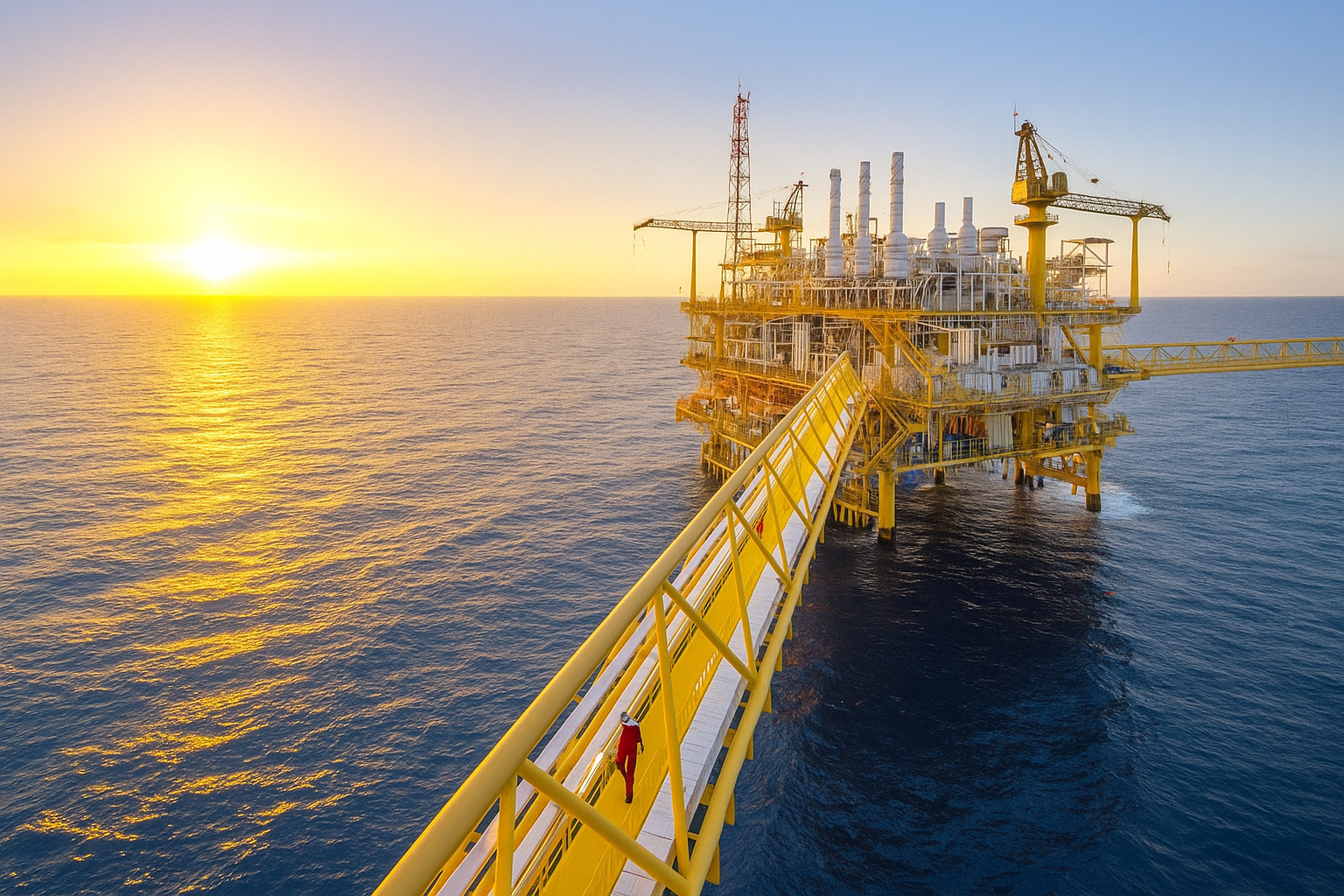
Brazil Reaches Record in Oil and Natural Gas Production in May, Reinforcing Its Leadership in the Energy Sector and Showcasing the Constant Growth of the National Market.
Brazil has undoubtedly reached an important milestone in its journey in the exploration of energy resources by achieving a record in May. According to data released by the National Agency of Petroleum, Natural Gas and Biofuels (ANP), total production reached 4.763 million barrels of oil equivalent per day (boed). This thus represents significant growth and consolidates the country as one of the main energy producers in Latin America.
Moreover, this advancement demonstrates the Brazilian energy potential and highlights the importance of the sector for national economic development and energy security.
In recent years, Brazil has undergone a significant transformation, primarily driven by the exploration of pre-salt — a vast layer of oil and gas located beneath the ocean floor of the Atlantic, in deep waters.
-
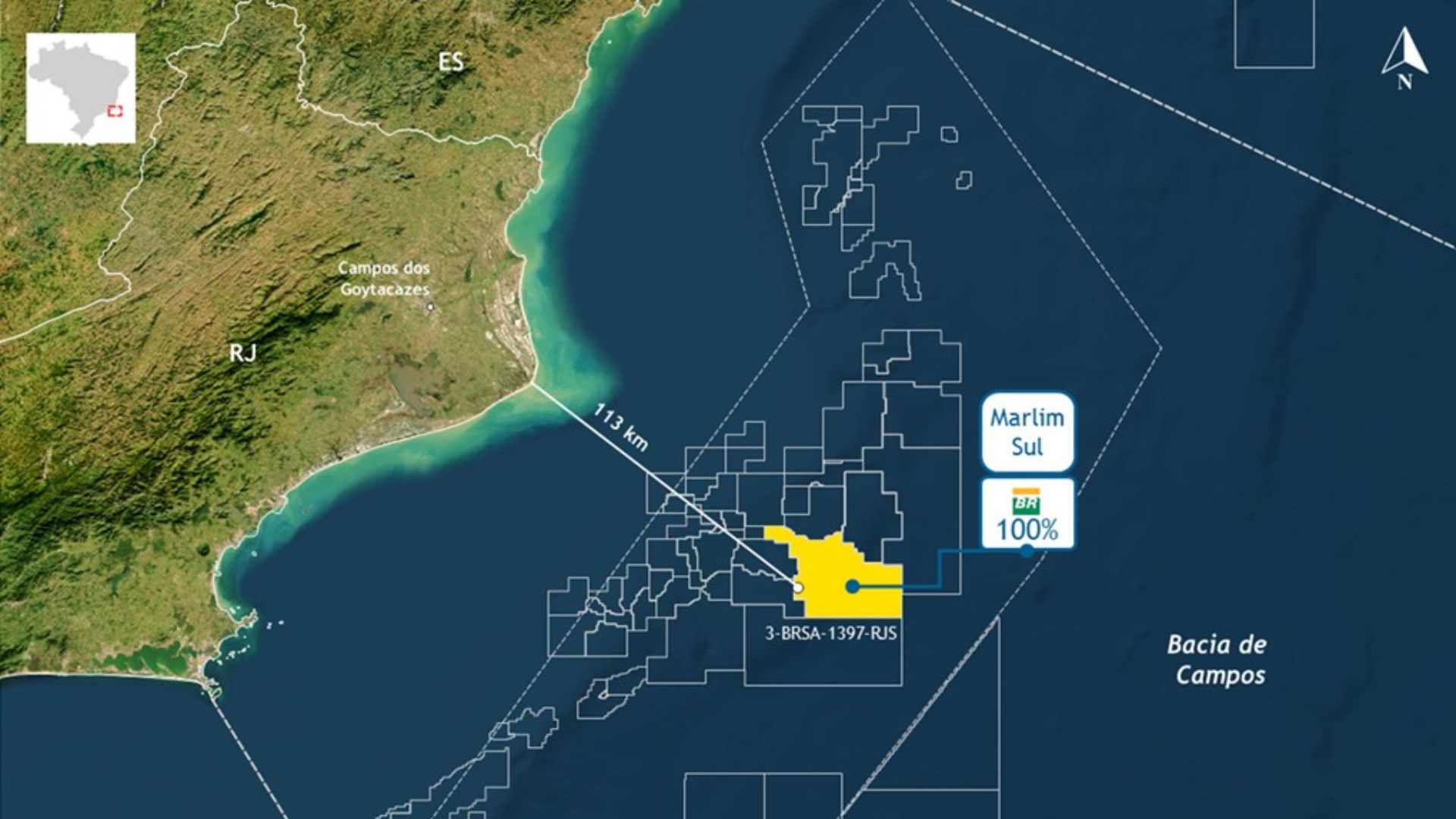
Petrobras finds high-quality oil in the pre-salt at 113 km from RJ and reignites expectations about strategic reserves in the Campos Basin.

-
Ocyan opens registrations for startups focused on innovation in the oil and gas sector and will select projects for Innovation Day with the support of Nexio.

-
Petrobras announces new oil discovery in the pre-salt of the Campos Basin and reinforces Brazil’s prominence with high-quality reserves that can increase production and energy revenues.
-
Alert in the fuel market: Analysts and a former director of ANP warn that oil prices may worsen in the coming months due to global instability.


Indeed, the pre-salt represents one of the largest oil discoveries in the world in recent decades and has driven much of the growth in national production. For example, in May, pre-salt production reached 3.803 million boed, accounting for almost 80% of the total produced in the country.
It is important to emphasize that this growth in the pre-salt would not have occurred without significant technological advances. Exploration in ultra-deep waters presents numerous challenges, such as extreme pressure, high temperature, and the need for sophisticated equipment.
Thus, the development of these technologies, a result of partnerships between national and foreign companies, has made this record production viable, placing Brazil at the forefront of the global oil industry.
Economic Impacts and the Participation of Main Companies
This significant increase in production brings with it important economic impacts. Oil and natural gas are global commodities, with prices influenced by international factors. However, the ability to produce domestically allows Brazil to reduce its dependence on imports, improve its trade balance, and create jobs in various regions, especially in areas related to the offshore industry.
Additionally, the revenue from the exploration of these resources directly finances investments in infrastructure, health, education, and other essential sectors.
Besides the direct economic impact, the oil and natural gas production chain stimulates several sectors, such as shipbuilding, logistics, specialized services, and scientific research. Many coastal cities have experienced development driven by this industry, receiving investments that improve the quality of life for local populations.
Indeed, this multiplier effect highlights the social relevance of production growth.
Despite the overall growth, some companies in the sector have faced variations in their production. Petrobras, for example, registered a slight decrease of 0.6% in May, closing the month with an average of 2.905 million boed. Nevertheless, it continues to be the largest producer in the country, extracting 2.214 million barrels per day of oil and 109.7 million cubic meters per day of natural gas.
In addition to Petrobras, other companies play significant roles in the national landscape. Shell, for example, is the second-largest producer, with a total production of 530,000 boed, divided between oil and natural gas.
The presence of these companies diversifies the sector, fosters competition, investment in innovation, and the development of technologies for exploration in complex environments, such as the depths of the ocean.
Energy Security and Sustainability
The record production in May reaffirms Brazil’s strategic position in the global energy market. At a time when the transition to renewable sources is gaining momentum, oil and natural gas remain essential to ensure global energy security.
In Brazil’s case, the sustainable development of the sector requires balancing the exploration of fossil resources and investment in clean sources, minimizing environmental impacts and supporting the green economy.
Brazil has also sought initiatives to reduce greenhouse gas emissions, even in the oil sector. Projects involving carbon capture, the use of renewable energy on platforms, and improvements in energy efficiency in operations illustrate this growing concern.
These actions demonstrate the country’s commitment to aligning economic growth with environmental protection.
Beyond the economic aspect, the growth in production generates social and environmental repercussions. The creation of direct and indirect jobs strengthens local communities, especially in coastal regions where offshore extraction activities are concentrated.
On the other hand, the responsibility of companies and the government grows in ensuring that exploration respects the environment, adopting technologies that reduce the risk of accidents and negative impacts.
Record in Oil and Natural Gas Production: Technology, Regulation, and Future Perspectives
Another important point for the future of the sector is technological innovation. The pre-salt exploration, for example, requires advanced equipment, cutting-edge technology, and highly qualified teams.
Brazil invests in research and development to overcome the challenges of the deep marine environment, such as high pressures and extreme temperatures. This technological advancement strengthens national production and positions the country as a reference in engineering and solutions for the oil sector.
Additionally, the training of specialized professionals has been a priority to meet the growing demand of the sector.
Universities, technical institutes, and training programs are expanding their offerings to train engineers, technicians, and qualified researchers, contributing to the strengthening of the industry and the increase in productivity.
The record in oil and natural gas production in May also highlights the impact of public and regulatory policies in the energy sector. The ANP regulates and oversees the sector, ensuring a stable, transparent, and competitive business environment.
The concessions of areas for exploration, the establishment of clear rules, and the promotion of sustainability maintain growth and attract investments.
Finally, Brazil’s performance in the oil sector exemplifies how a country can leverage its natural resources to boost its economic and social development.
By achieving a record in production, the country reaffirms its ability to compete on the global stage, contributing to energy security and wealth generation.
Therefore, Brazil continues to demonstrate that, with strategy and technology, it can expand its presence in the international market, ensuring benefits for its population and for the planet.









-

Uma pessoa reagiu a isso.