





 English
  Francês
  Alemão
  Italiano
  Japonês
  Norueguês
  Portuguese
  Spanish
  3 min of reading
  0 comments


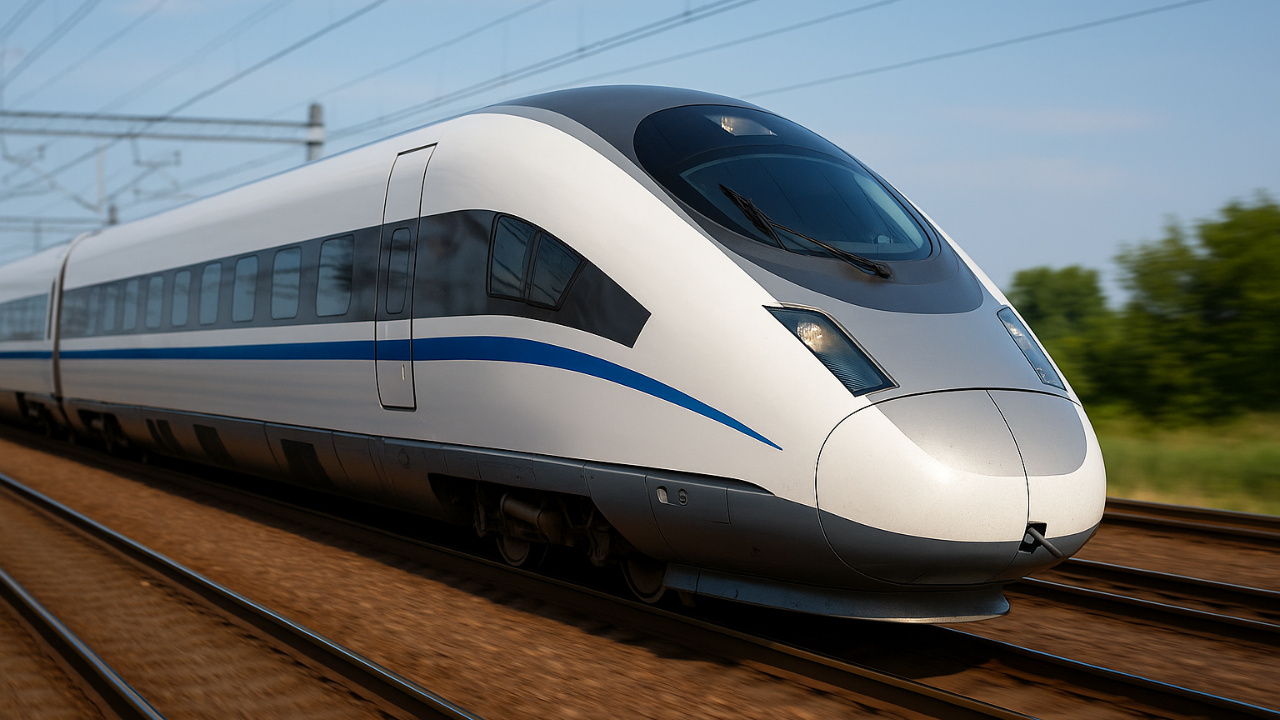
Fastest Train in Brazil Will Be Built and Connect 2 Giant Cities in 2032, with a 105-Minute Trip Between Rio and São Paulo.
The advancement of the project only became possible thanks to the railway regulatory framework approved in 2021, which opened the way for private investments.
Since then, the initiative has gained momentum and established itself as an alternative capable of transforming logistics and mobility between the two capitals.
Moreover, the adopted model facilitates the entry of international operators and modernizes the Brazilian railway sector, boosting an infrastructure historically limited and dependent on highways and air transport.
-
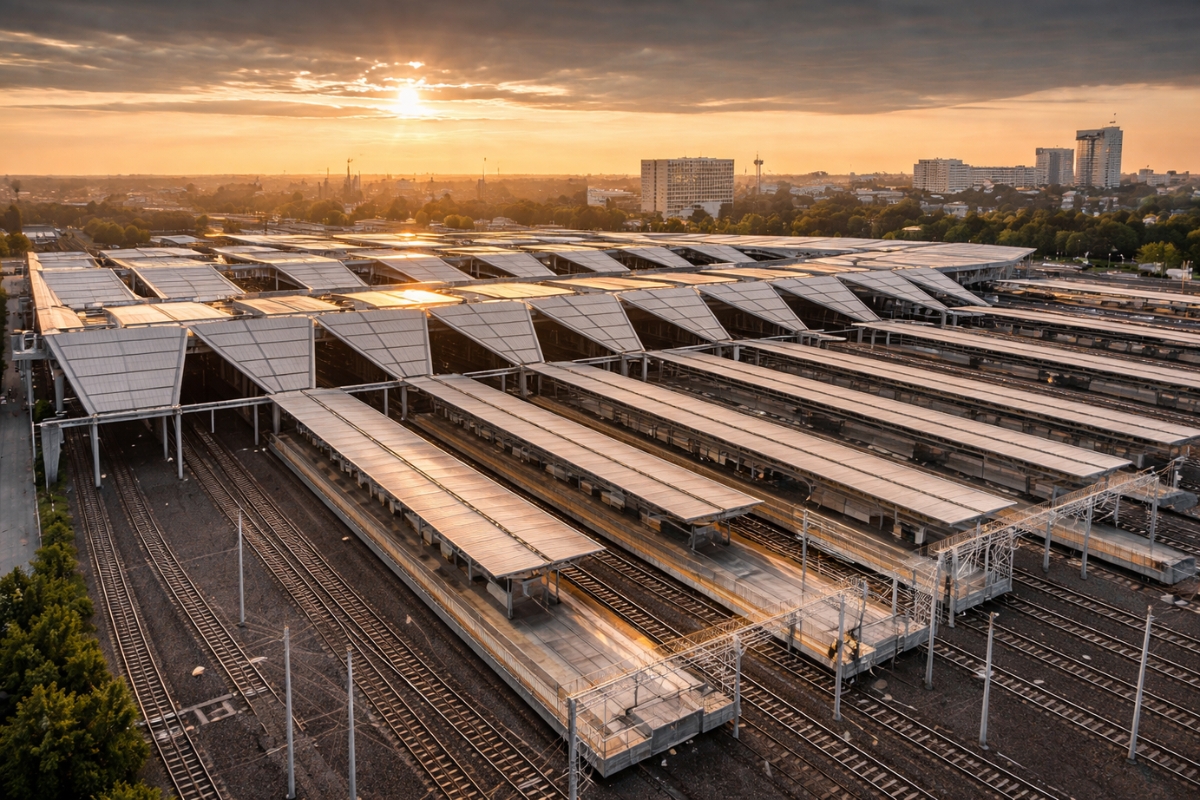
In A European City, The Country’s Largest Railway Junction Was Modernized Without Closing Its Doors, Kept Trains Running During Years Of Construction, Now Serves Up To 60,000 Passengers Per Day, And Installed Solar Panels That Generate About 30% Of Its Energy
-
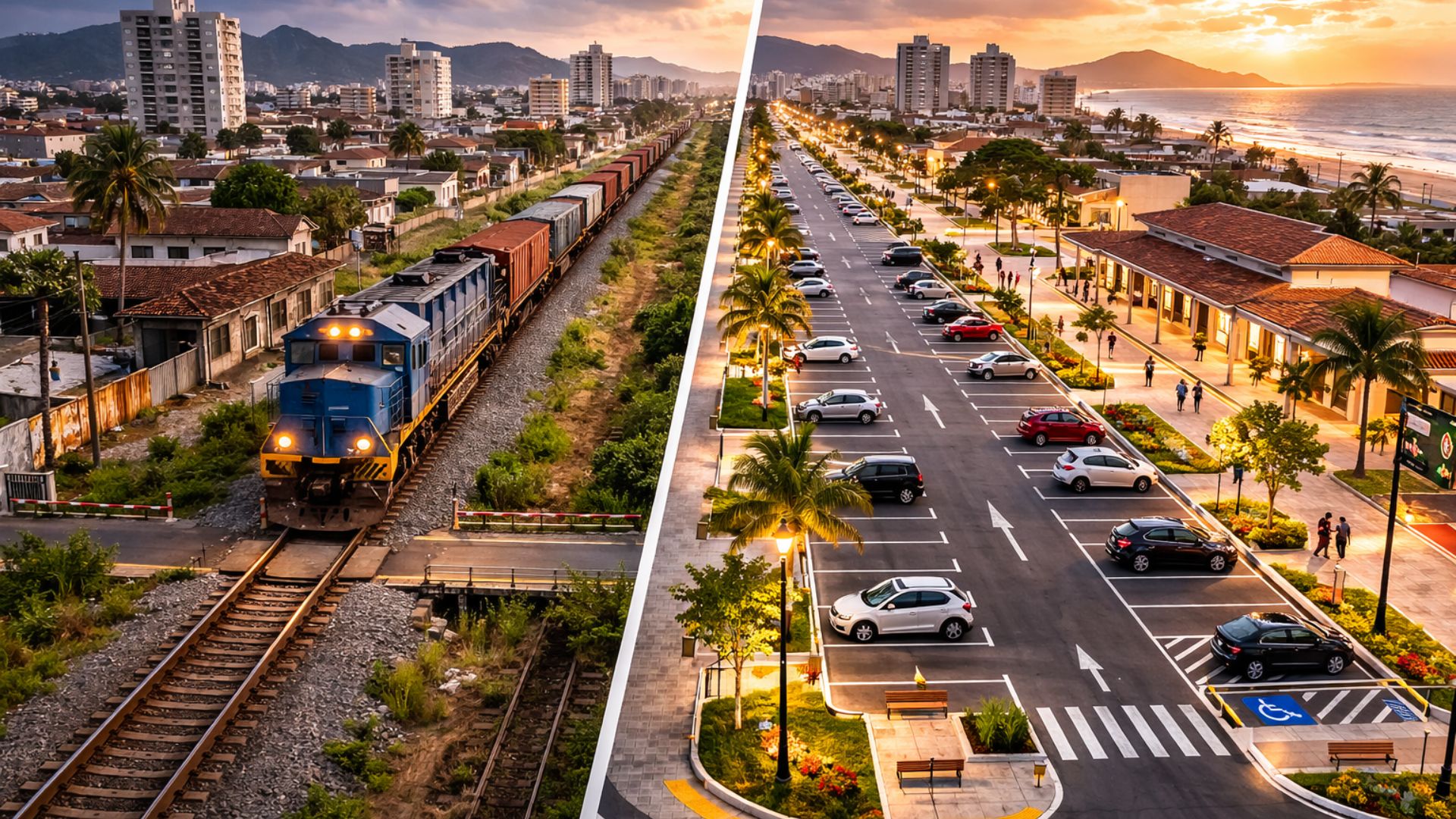
Famous Brazilian Railway May Become a Parking Lot
-
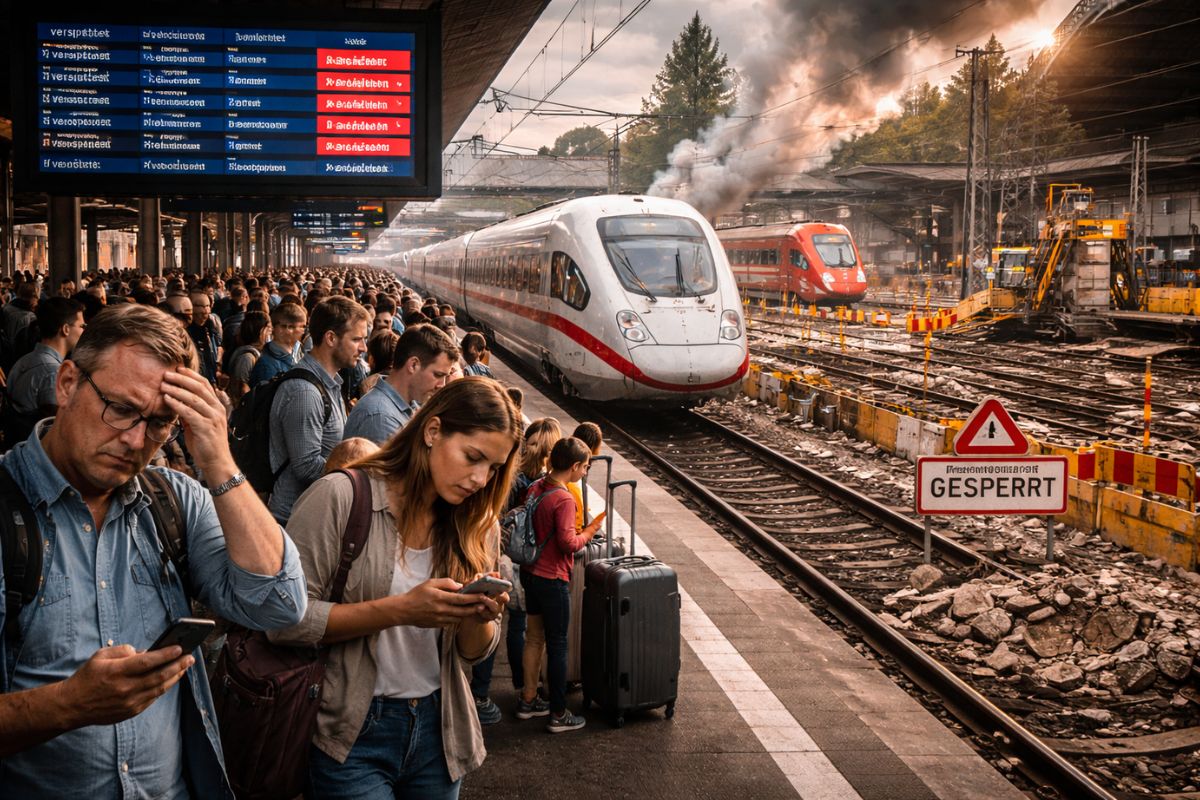
The Country of “Punctual As a Train” Admits It Has Lost Control: High-Speed Trains Delay, Stop, Disappear from the Map and Turn 6-Hour Trips into 10, While Deutsche Bahn Promises Restructuring in 2026 But Faces 19th Century Infrastructure, Staff Shortages and Sections Closed for Months
-
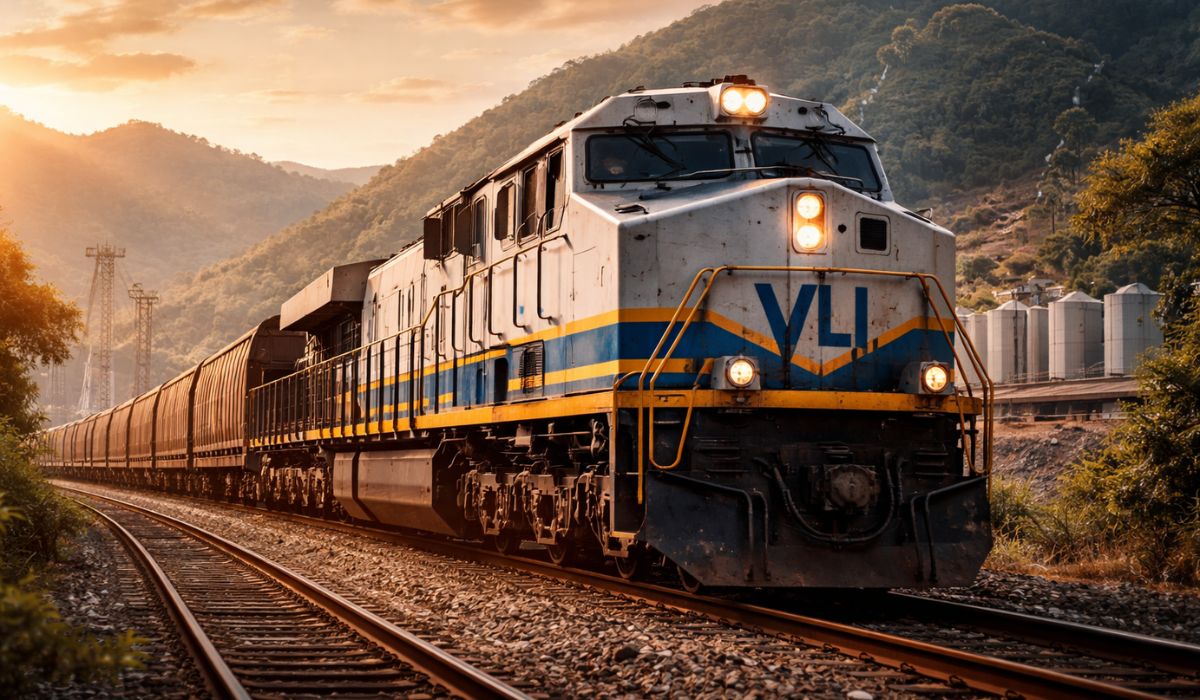
With an Investment of R$ 700 Million in One of the Country’s Main Rail Networks, VLI Reinforces Infrastructure, Receives 8 New Locomotives, and Expands the Corridor Connecting 7 States, Boosting Jobs and the Transportation of Grains, Ore, and Oil Products to the Port of Santos

Billion-Dollar Impact on the Brazilian Economy
The economic projections reinforce the grandiosity of the work. To bring the fastest train in Brazil that will be built and connect 2 giant cities to life, approximately R$ 60 billion will be invested.
According to estimates, the country could register an increase of R$ 168 billion in GDP by 2055, as a result of the movement of production chains, income generation, and increased productivity.
Additionally, the project has the potential to create about 130,000 direct and indirect jobs, stimulating works, specialized services, technology, logistics, and regional trade.
Urban Transformation Around the Stations
The implementation of the high-speed train will not only benefit those traveling between Rio and São Paulo. It is expected to trigger a profound transformation in the areas near the future stations.
The planned urban development includes:
new residential and commercial hubs;
real estate appreciation;
decentralization of saturated urban areas;
boosting of technological and logistical centers.
Thus, the project becomes a catalyst for modernization, with a direct impact on the planning of the two metropolitan regions and the intermediate cities.
A Fast, Secure, and Modern Alternative
In addition to being faster, the train promises to be one of the safest options for Brazilian transport.
The high-speed technology reduces dependence on the road transport mode subject to traffic and accident risks and creates a continuous link between two of the largest economic centers in Latin America.
The railway model also enhances the country’s competitiveness, opening space to increase the flow of business, tourism, and services.
Challenges and Ongoing International Negotiations
TAV Brazil is in negotiations with investors from China and Spain, countries that dominate high-speed train technologies and can provide both financing and technical expertise.
These negotiations are essential to ensure the pace of the works and the quality of the planned infrastructure.
A Milestone for the Future of Brazilian Mobility
When it enters into operation, the high-speed train will represent a historic leap in national transport, offering speed, sustainability, and integration between strategic regions of the country.
By connecting two megacities in just over an hour and a half, Brazil finally joins the select group of nations with state-of-the-art railway transport, marking a new phase for mobility, the economy, and urban development.








-

2 pessoas reagiram a isso.