





 Portuguese
  English
  Spanish
  3 min of reading
  0 comments


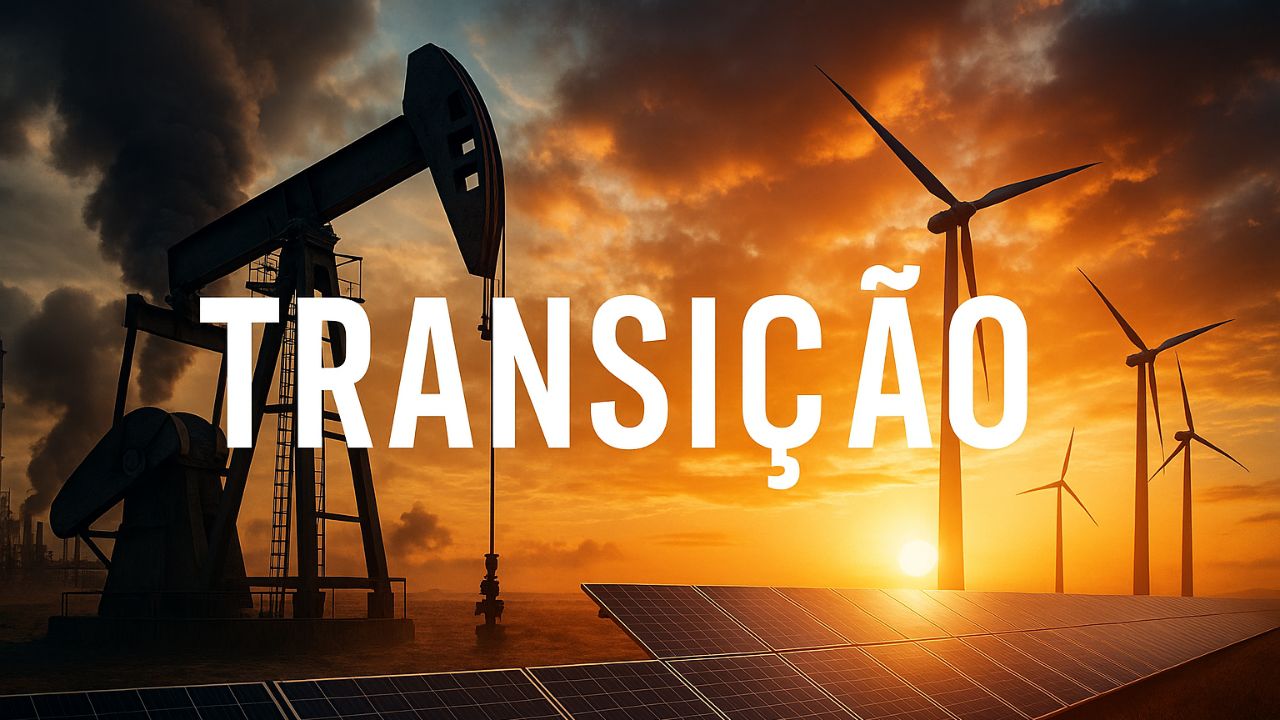
Billion-Dollar Cut In Fossil Subsidies Marks Advance Of Brazil Toward A Cleaner And More Sustainable Economy.
Brazil is experiencing an unprecedented milestone in its energy policy. For the first time in eight years, the country has significantly reduced fossil subsidies, boosting the energy transition and balancing the scales between polluting fuels and clean sources.
According to the Institute of Socioeconomic Studies (Inesc), in 2024 the incentives for oil, natural gas, and coal fell by 42%, totaling R$ 47 billion, the lowest amount since 2017.
The main reason for this decline was the reimposition of taxes on gasoline and diesel, with the return of PIS and Cofins charges.
-
Brazilian giant expands borders in the Southeast: Petrobras confirms new oil discovery in ultra-deep waters in the pre-salt of the Campos Basin.

-
Alert in the global energy market: Severe tropical cyclone hits the coast and disrupts gas production at major plants in Australia, threatening global supply.

-
Petrobras finds high-quality oil in the pre-salt at 113 km from RJ and reignites expectations about strategic reserves in the Campos Basin.

-
Ocyan opens registrations for startups focused on innovation in the oil and gas sector and will select projects for Innovation Day with the support of Nexio.


This measure reduced subsidies for consumption from R$ 39.8 billion to R$ 6.3 billion, a decrease of 84%.
The cut represented savings of about R$ 33 billion for public coffers, without causing a significant increase in consumer prices.
Gasoline And Diesel Rise Less Than Expected
Even with the reimposition, the impact on prices was moderate. In 2024, the price of gasoline rose by 10.2%, while diesel increased by only 3.4%.
The ethanol, for its part, advanced 20.4%, reflecting lower sugarcane production and the appreciation of sugar in the international market.
Still, the renewable fuel maintained its competitiveness against fossil fuels.
For the political advisor at Inesc, Cássio Cardoso Carvalho, the outlook is encouraging.
“This is a historic movement. It shows that it is possible to review exemptions for fossil fuels in a planned way, without major social impacts,” he noted.
Production Incentives Remain High, But With Tendency For Review
While consumption subsidies fell dramatically, those aimed at fossil fuel production saw a more modest reduction of 2.8% — from R$ 41.9 billion to R$ 40.7 billion.
The highlight remains the Repetro, a special tax regime for the oil and gas sector, which accounted for R$ 13.6 billion in 2024.
The tax reform approved this year (Complementary Law No. 214/2025) may, however, change this scenario.
It created the Selective Tax, which will target products harmful to health and the environment, and mandated that all special regimes be reassessed every five years.
“The fall in subsidies, coupled with these new evaluation mechanisms, indicates that the country is beginning to align its fiscal policy with the energy transition. It is the kind of signal that Brazil needs to take to COP30,” Carvalho highlighted.
Renewable Sources Gain Momentum, But Face Technical Challenges
While fossil incentives diminish, subsidies for renewable sources grew by 3.2%, reaching R$ 18.6 billion.
The biggest highlight was the distributed generation — a model in which consumers produce their own energy, primarily solar — which received R$ 11.5 billion in incentives, compared to R$ 7.1 billion the previous year.
Despite the progress, Inesc warns that the model requires planning. Since distributed generation is not directly controlled by the National System Operator (ONS), it can cause technical imbalances and lead to the temporary shutdown of contracted power plants, a phenomenon known as curtailment.
“Subsidies need to be planned to avoid distorting the market or penalizing those without access to these technologies,” remarked a researcher from the institute.
Gas Aid And The Importance Of Social Balance
Even with the cut in fossil subsidies, Inesc advocates for the maintenance of social programs, such as the Gas Aid, which benefits about 23% of Brazilian families.
The measure reduces energy poverty and improves the quality of life for vulnerable populations, especially those still relying on firewood for cooking.
Discrepancy Still Exists, But The Course Is Set
Despite the significant reduction, incentives for fossil fuels are still more than double those allocated to clean sources.
For every R$ 1 invested in renewable energy, R$ 2.52 continue to be directed to oil, gas, and coal.
In total, energy incentives — both fossil and renewable — amounted to R$ 65.7 billion in 2024, down from R$ 99.8 billion in the previous year, a decrease of 34%.
Inesc recommends that the government improve fiscal transparency and create clear criteria for granting benefits, prioritizing actions aligned with a fair and sustainable energy transition.
“Cutting inefficient subsidies and redirecting resources to clean sources is the way to a more coherent energy policy with the country’s climate and social goals,” Carvalho concluded.










Seja o primeiro a reagir!