





 English
  Francês
  Alemão
  Italiano
  Japonês
  Norueguês
  Portuguese
  Spanish
  5 min of reading
  1 comment


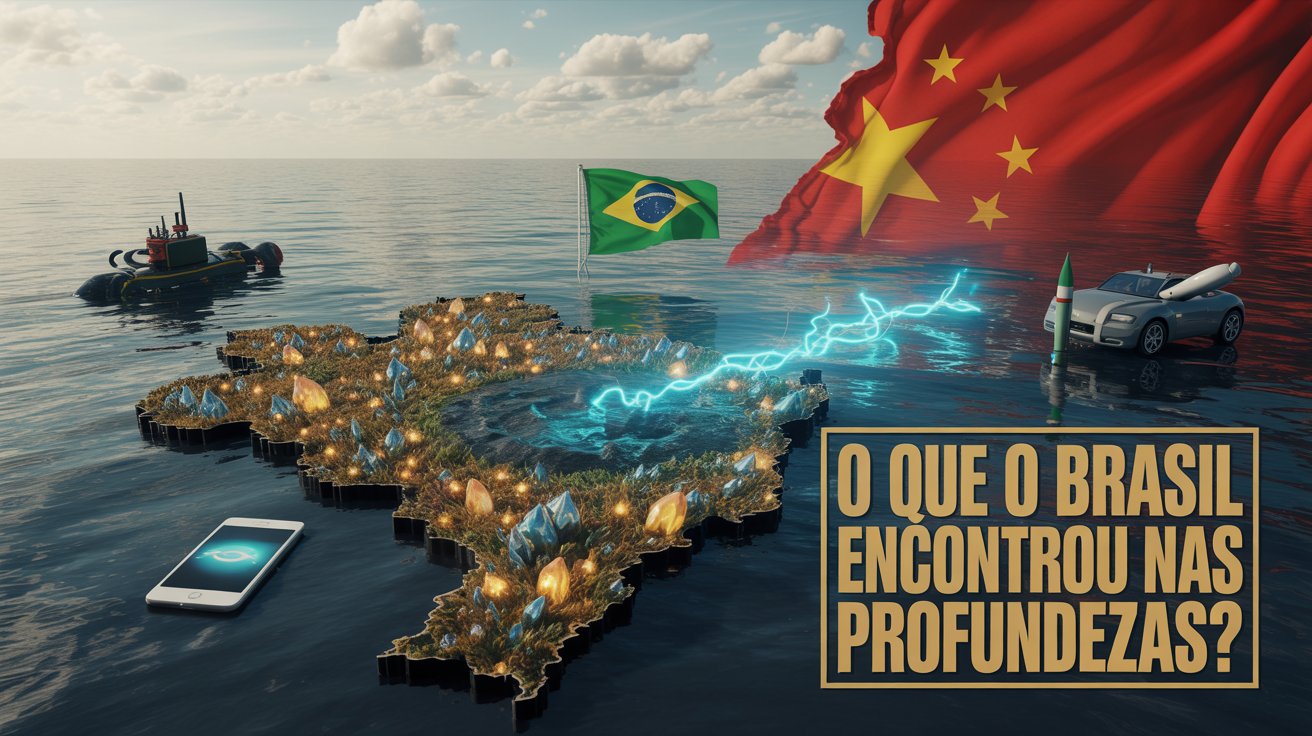

Submarine Area Equivalent to Spain Holds Strategic Minerals and is at the Center of an International Dispute Led by Brazil, Which Seeks to Expand Its Presence in the Global Scenario of Energy and Technological Transition.
Brazil has intensified its claim with the United Nations for control of a vast submarine area in the South Atlantic, known as Rio Grande Elevation.
With a similar size to Spain, about 500 thousand square kilometers, the region concentrates strategic minerals for the energy transition and the global technology industry, especially the so-called rare earths.
According to a report published by g1, the Brazilian initiative could represent an important step to diversify the global supply of these elements, which is currently dominated by China.
-
Historic bankruptcy of Centauro shocks the market, and the century-old company puts more than 500,000 products, machines, and complete infrastructure up for online auction.
-
New shoe factory in Ceará is expected to create 400 jobs and strengthen the local economy.
-
No one imagined it, but a mixture of sawdust with a mineral that fights fires surprises scientists with a result that changes the course of fire-resistant construction.
-
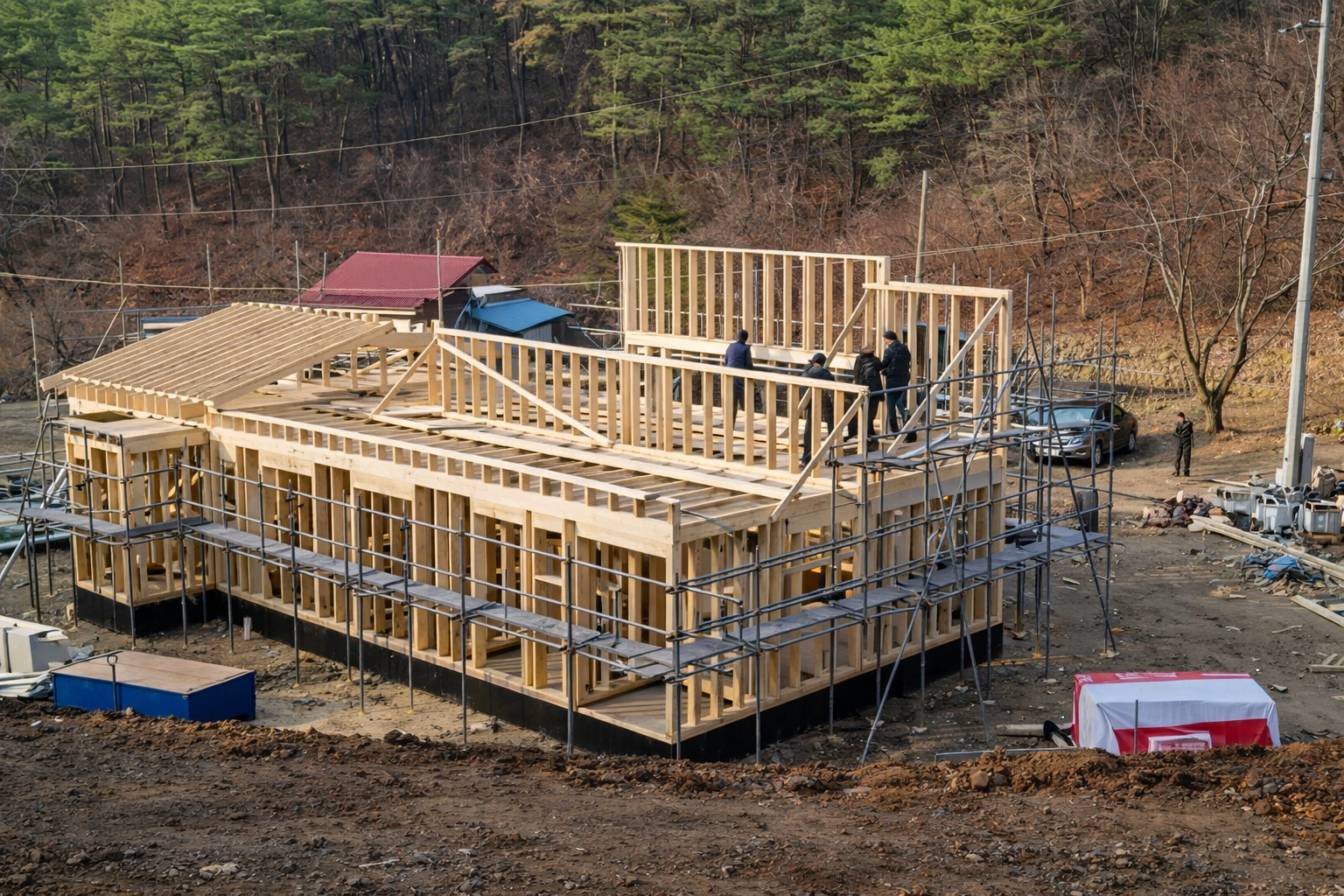
From empty land to a high-end house, wooden construction uses a lightweight system, metal structure for the foundation, ventilated ceramic cladding, and special windows to create an efficient and comfortable living space throughout the year.

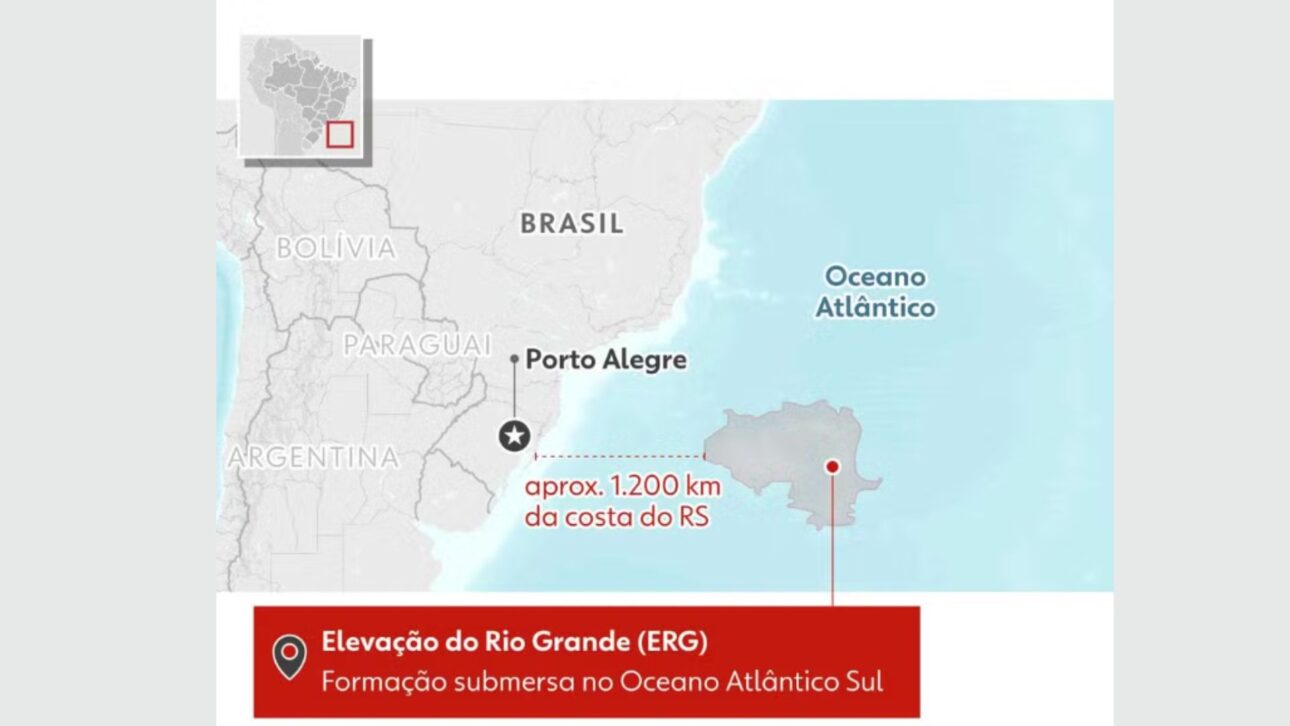
Rio Grande Elevation and Strategic Minerals
Located approximately 1,200 kilometers from the coast of Rio Grande do Sul and about 5,000 meters deep, the Rio Grande Elevation attracts attention not only for its size but mainly for its mineral potential.
According to researchers from the University of São Paulo cited by g1, soil samples collected in the region show a strong resemblance to the soil of interior São Paulo before submersion, indicating a possible geological connection with the Brazilian continental territory.
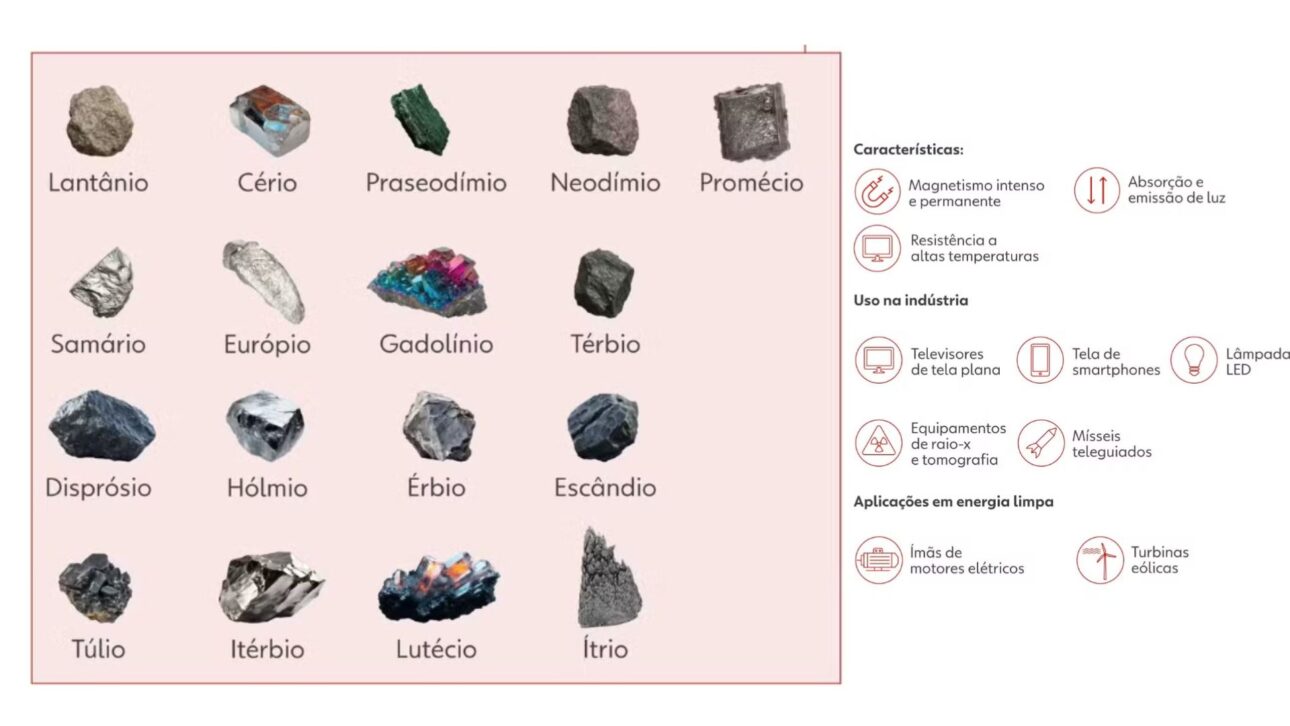
Rare Earths in the South Atlantic: Potential for the Future
The so-called minerals of the future, such as basalt and layers of red clay, are complemented by a significant concentration of rare earths – a group of 17 chemical elements essential for cutting-edge technologies.
Among these elements are:
- Lanthanum
- Cerium
- Neodymium
- Disprosium
- Praseodymium
- Promethium
- Samarium
- Europium
- Gadolinium
- Terbium
- Holmium
- Erbium
- Scandium
- Thulium
- Ytterbium
- lutetium
- Yttrium
All are essential for the production of electronic equipment, clean energy, and modern armaments.
According to research by g1, these minerals cannot be artificially produced and are noted for their ability to absorb and emit light, withstand high temperatures, and exhibit magnetic properties.
Global demand for rare earths continues to grow steadily.
These elements are indispensable in the manufacturing of televisions, mobile phones, LED bulbs, medical equipment such as CT scanners, electric motors, and defense systems, including guided missiles.
The newspaper also pointed out that, due to this relevance, control over new reserves could alter the international dynamics of the sector, currently centralized in China, responsible for about 70% of global production.
Brazilian Reserves and the Challenge of Value Addition
Despite having the second largest rare earth reserve in the world, according to data presented by the Ministry of Mines and Energy to g1, Brazil still exports a large portion of these minerals in raw form, without adding value.
The potential of the Rio Grande Elevation reignites the debate on the need for investments in technology and national production chains to avoid primary exports and enhance Brazilian competitiveness.
International Dispute and Legal Criteria
The dispute over the submerged territory is based on the United Nations Convention on the Law of the Sea.
The Brazilian government submitted, in February 2025, an official request to the Continental Shelf Limits Commission to integrate the Southern-Meridional Margin, where the Rio Grande Elevation is located, into the country’s continental shelf.
The document, prepared by the Brazilian Navy, details the geological and legal arguments that support the claim.
According to information from g1, in addition to the Rio Grande Elevation, Brazil is contesting two other areas in international waters: the Southern Region and the Equatorial Margin, totaling about 1.5 million square kilometers outside the current Exclusive Economic Zone.
The Brazilian Exclusive Economic Zone, established since 1982, extends 370 kilometers from the coast.
What goes beyond this range is considered the heritage of humanity and cannot be exploited exclusively by a single country unless there is international recognition.
Therefore, the Brazilian request is under review, and there is no defined deadline for a decision by the United Nations.
Geological History and Scientific Research
Recent scientific research highlighted by g1 reveals that the Rio Grande Elevation was once an island covered with forests and surrounded by reefs in a tropical climate before being submerged by geological phenomena and volcanic eruptions.
Expeditions carried out by the Oceanographic Institute of the University of São Paulo in 2018 confirmed the existence of layers of basalt and red clay, as well as records of reefs and remnants of ancient fauna and flora.
The study also involved the use of unmanned submarines capable of capturing images from the depths and collecting samples in the so-called Great Trench, a submerged canyon with peaks exceeding four thousand meters in height.
According to researcher Luigi Jovane, interviewed by g1, the evidence found reinforces the hypothesis that the area was connected to the continent until relatively recent geological periods.
Currently, teams from different Brazilian universities – including the University of São Paulo, Mackenzie University, the University of Brasília, the State University of Rio de Janeiro, the University of the Sinos River Valley, and the Federal University of Espírito Santo – are focusing efforts on studying the environmental, biological, and legal aspects related to the Rio Grande Elevation.
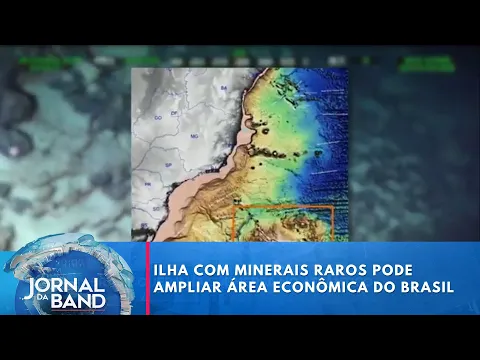

Environmental Challenges and Global Implications
One of the central points of the debate, as highlighted by g1, is the balance between the economic potential of deep-sea mining and the need to protect the environmental heritage of the South Atlantic.
Experts emphasize the importance of deepening the analysis of the environmental impacts of potential explorations, especially given the fragility of deep-sea marine ecosystems and the challenge of reconciling technological development with biodiversity conservation.
In the international scenario, the possibility of Brazil expanding its participation in the global rare earth chain could bring significant impacts, especially in the context of energy transition and security of technological supplies.
Countries around the world are seeking alternatives to reduce dependence on Chinese exports and strengthen national production chains in strategic sectors.
Given such vast potential, the question remains: Will Brazil be able to transform this mineral wealth into a competitive advantage for the national industry, or will it continue merely as an exporter of strategic raw materials to the world?








Excelente matéria, aprabéns