





 Portuguese
  English
  Spanish
  4 min of reading
  59 comments


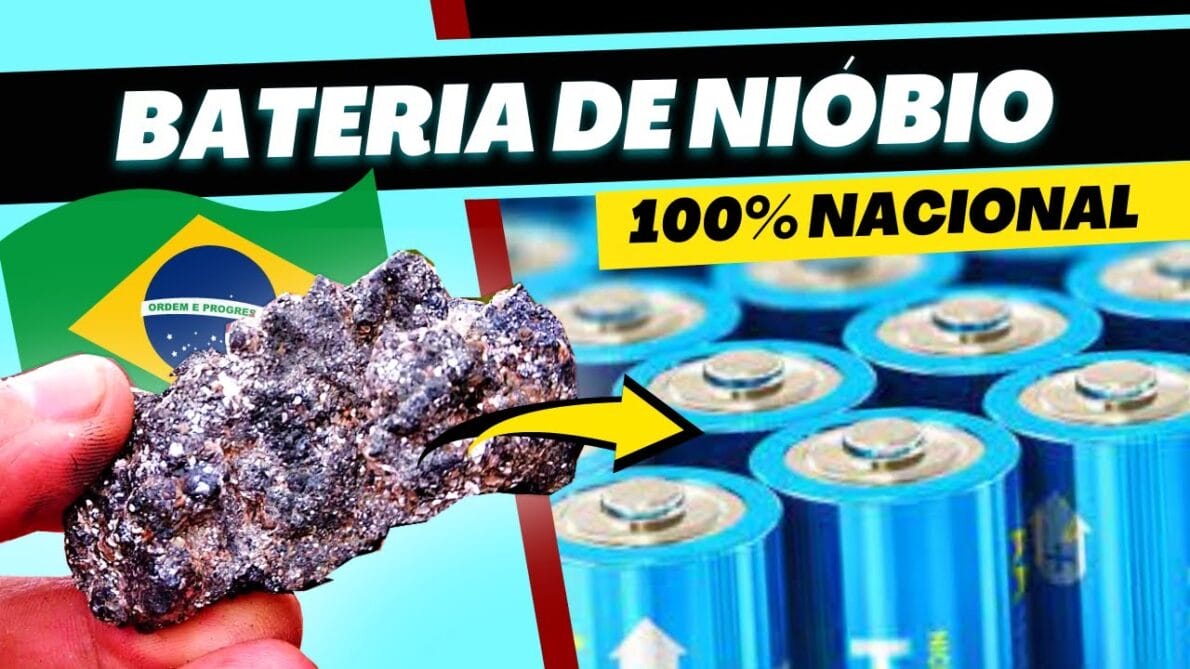

Learn How Brazil Is Leading Innovation in Niobium Batteries for Electric Vehicles. Discover the Benefits, Technology, and Why They Are the Future of Energy Storage
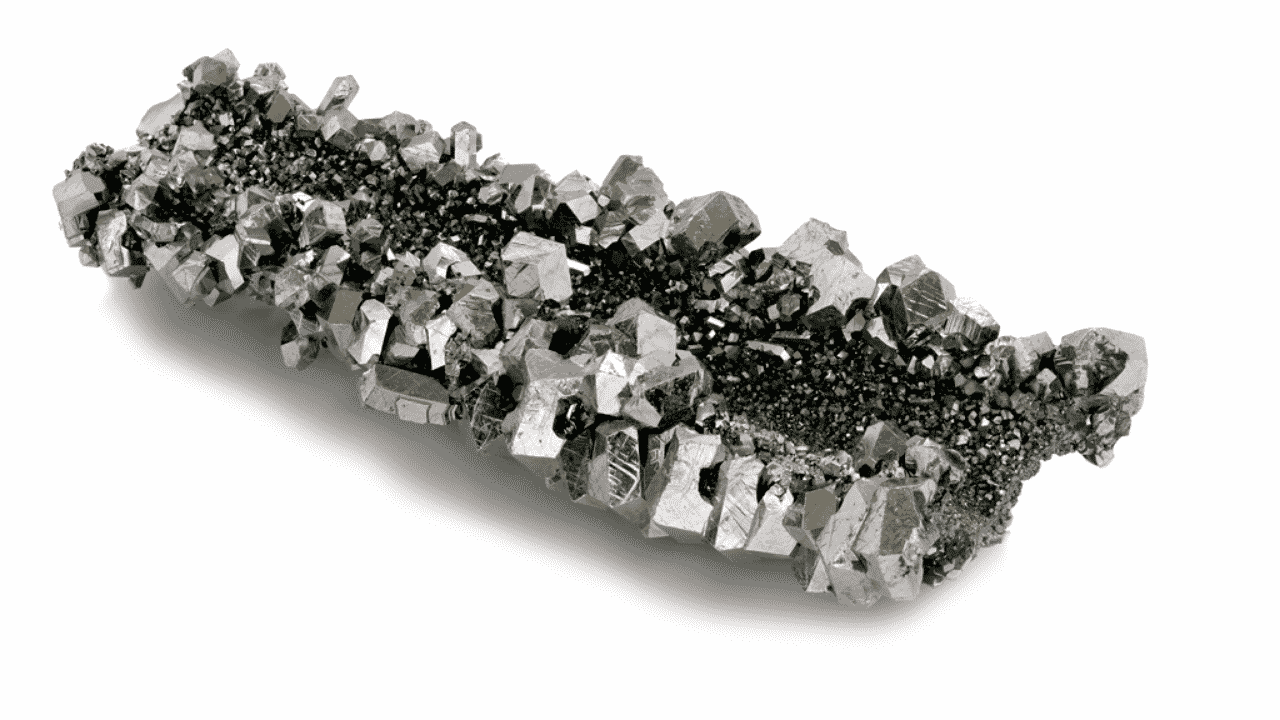
Niobium, identified by the symbol Nb, is a chemical element found in group 5 of the periodic table. It has an atomic number of 41 and an atomic mass of 92.9. Discovered in 1801 by English chemist Charles Hatchett, niobium was initially called columbium (Cb). However, it was later renamed niobium by the international community. Niobium has the unique ability to transform the properties of other materials, making it valuable in various industries, such as battery production.
Niobium is used in a wide variety of applications, including cars, aircraft turbines, magnetic resonance imaging devices, pacemaker instruments, rockets, and electronic components. It is primarily used in special alloys, where it is mixed with other metals like steel, titanium, or copper to increase the mechanical strength of the final product. One example is the use of niobium in pipeline tubes, where it significantly increases their strength. Despite its versatility, the demand for niobium is limited due to its specific applications.

Innovative Technology Using Niobium
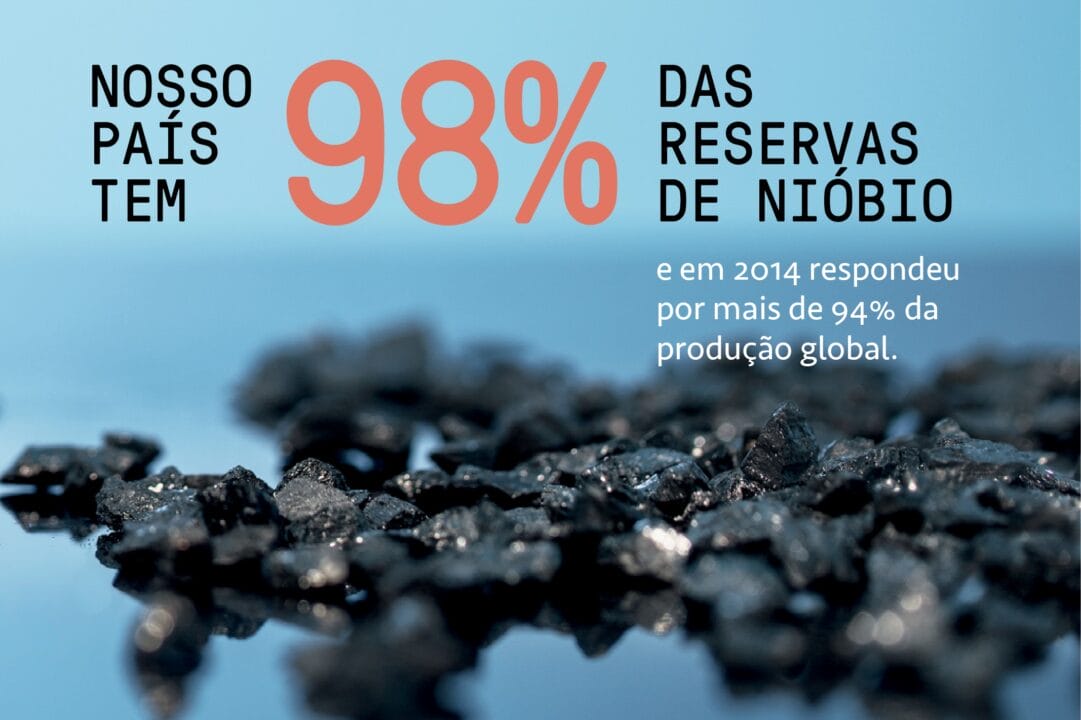
Brazil, with nearly 98% of the world’s niobium reserves, has developed innovative technology using niobium in batteries. This innovation could revolutionize the energy storage market and bring significant benefits to the country. By adding value to the raw material and exporting a technological product instead, Brazil aims to improve the niobium extraction and production chain.
-
A “silent skill” is allowing Brazilians to earn up to R$ 22,000 per month without a degree and become indispensable for companies that rely on millions of data to survive.

-
Researchers at the Toyota Research Institute found that if a human uses robotic arms to flip a pancake 300 times in an afternoon, the robot learns to do it on its own the next morning, and this is currently the most promising method to solve the biggest bottleneck in modern robotics.

-
Goodbye iron: a common item in households is starting to lose space to technology that smooths clothes in minutes without an ironing board and with less energy consumption.

-
Antarctica reveals an unusual clue high in the Hudson Mountains, and what appeared to be just an isolated rock began to expose a secret hidden under the ice for ages.


Niobium has several advantageous properties, including high thermal and electrical conductivity, ductility, malleability, and resistance to heat, wear, and corrosion. These characteristics allow niobium to improve the physical properties of other materials, making them more efficient. In the mobility sector, niobium enables the development of smarter and stronger materials, resulting in lighter and technologically advanced products. Additionally, niobium helps to address engineering challenges, leading to the optimization of materials and structures.
The Collaboration: Volkswagen Trucks and Buses (VWCO) and CBMM
Volkswagen Trucks and Buses, in partnership with CBMM (Companhia Brasileira de Metalurgia e Mineração), has been a pioneer in developing and manufacturing niobium-based batteries for electric vehicles. This collaboration aims to elevate Brazil’s position in the automotive industry by introducing innovative battery technology. One of the advantages of Brazilian niobium batteries is their record charging time of up to six minutes, allowing electric cars to be charged as quickly as refueling a combustion car.
The niobium battery technology developed by VWCO and CBMM replaces graphite with niobium in batteries, reducing their size by half compared to conventional batteries. However, the energy density of niobium batteries is lower, resulting in less vehicle range. To support this technology, specific charging infrastructure needs to be implemented to take advantage of fast charging capabilities. Although the battery’s lifespan may be shorter, studies show that niobium battery packs can last nearly 20 years and up to 10,000 cycles, significantly outlasting typical lithium-ion batteries.
Learn All About Niobium Batteries
Advantages of Niobium Batteries
In addition to the extended battery life and high cycle count, niobium batteries offer greater safety. Unlike other batteries, niobium batteries do not degrade at extreme temperatures, reducing the risk of fire incidents. Imagine driving an electric car powered by a Brazilian niobium battery, knowing you can fully charge it in just six minutes and enjoy a safer and longer-lasting energy storage solution.
The development of niobium batteries represents a significant step toward a more sustainable and efficient energy storage market. By leveraging Brazil’s abundant niobium reserves, VWCO and CBMM have set an important precedent for the country’s economy. With further advancements and investments, niobium batteries could become a game changer in the renewable energy and electric vehicle industries. In conclusion, niobium batteries hold tremendous potential for the future of energy storage. With their unique properties and advantages, they offer a compelling solution for various applications. As Brazil continues to lead in niobium extraction and technology development, the world awaits the widespread adoption of this innovative battery technology.







ESTOU NA TORCIDA PARA QUE A NOSSA BATERIA ALCANCE UMA OTIMA TECNOLOGIA PARA OTIMIZAR SUA DURAÇÃO .
a implementação de um carregamento de 50kw ja é complicada, pois demanda um pico de energia alto na rede do local que muitas vezes ja esta saturada, eu tenho carro eletrico e é dificil achar um carregador de 50kw, e ja achei alguns que funcionavam por um tempo e caiam devido a rede nao suportar aquele pico de potencia no local, agora imaginem entao os problemas e os custos para implementar um carregador de 600kw, se caminharmos para essa solução “a carga rapida” sinceramente eu acredito que o carro eletrico vai morrer de novo!.. para mim a solução sao ultra autonomias, como 1000 ou 1500km, assim vc sempre carrega seu carro de forma lenta na sua casa ou em hoteis/pousadas durante o periodo da noite que a demanda da rede eletrica é menor, e apos 6 ou 10 horas voce e seu carro estão prontos para seguir por mais 1000 ou 1500km na sua viagem.. dificilmente alguem anda mais que isso antes de dormir.
Texto tedioso!