





 Portuguese
  English
  Spanish
  3 min of reading
  8 comments


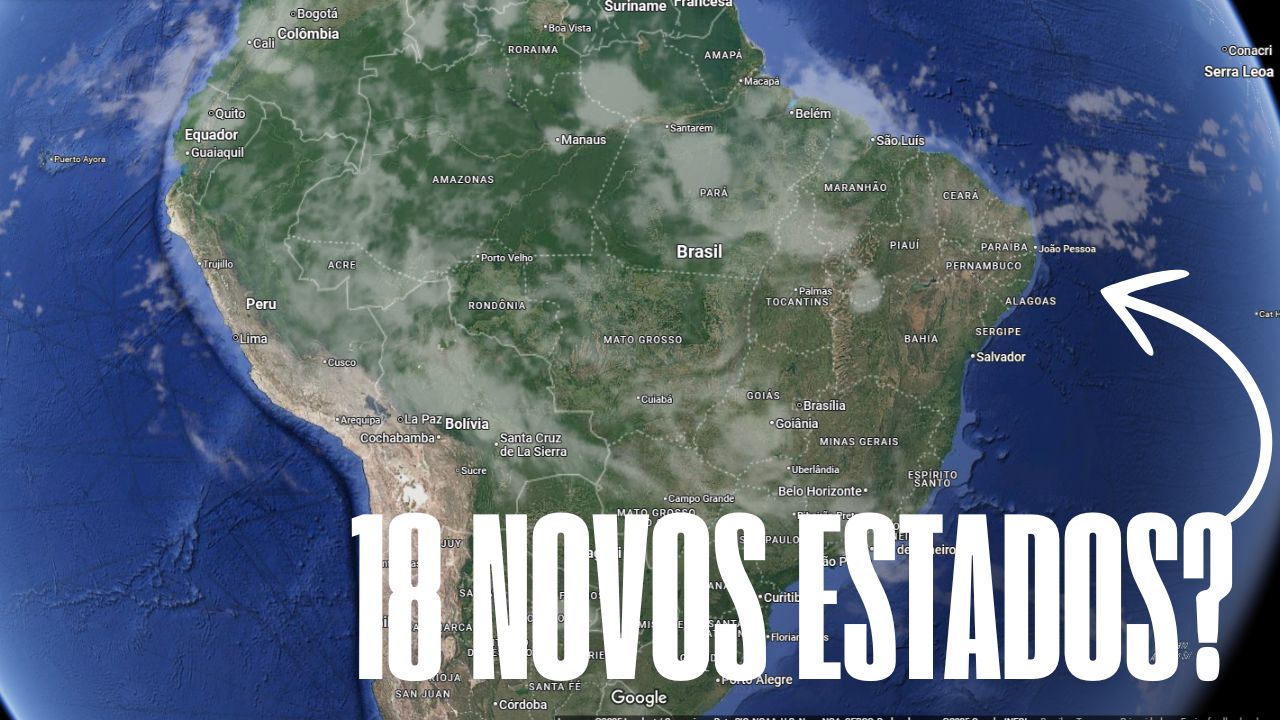


With 18 New States and Three Federal Territories Under Discussion in Congress, Experts Analyze the Economic and Political Impacts of the Possible Territorial Division in Brazil
The creation of new states in Brazil has been a topic of discussion in the National Congress for years. Currently, 18 proposals for new states and three new federal territories are awaiting analysis, which could alter the country’s map and directly impact public administration and regional economy. If approved, these divisions would increase the number of federative units from 27 to 48.
New States Under Discussion in Brazil
Different regions of Brazil are claiming greater administrative autonomy, arguing that territorial division would facilitate local development. Among the most advanced proposals are the State of Triângulo, which envisions separating the Triângulo Mineiro from Minas Gerais, and Maranhão do Sul, which seeks to divide the state of Maranhão. Additionally, the State of Gurgueia in southern Piauí and the divisions of Pará into Tapajós and Carajás are frequently debated as ways to decentralize public administration, according to studies by the Institute of Applied Economic Research (IPEA).
Experts point out that the creation of new states could generate significant political impacts. The formation of new federative units would require a reorganization of the National Congress, including new representatives in the Senate and the Chamber of Deputies. This change could alter the political balance in the country, favoring regions that currently have less legislative influence, as discussed in public hearings in the Chamber of Deputies.
-
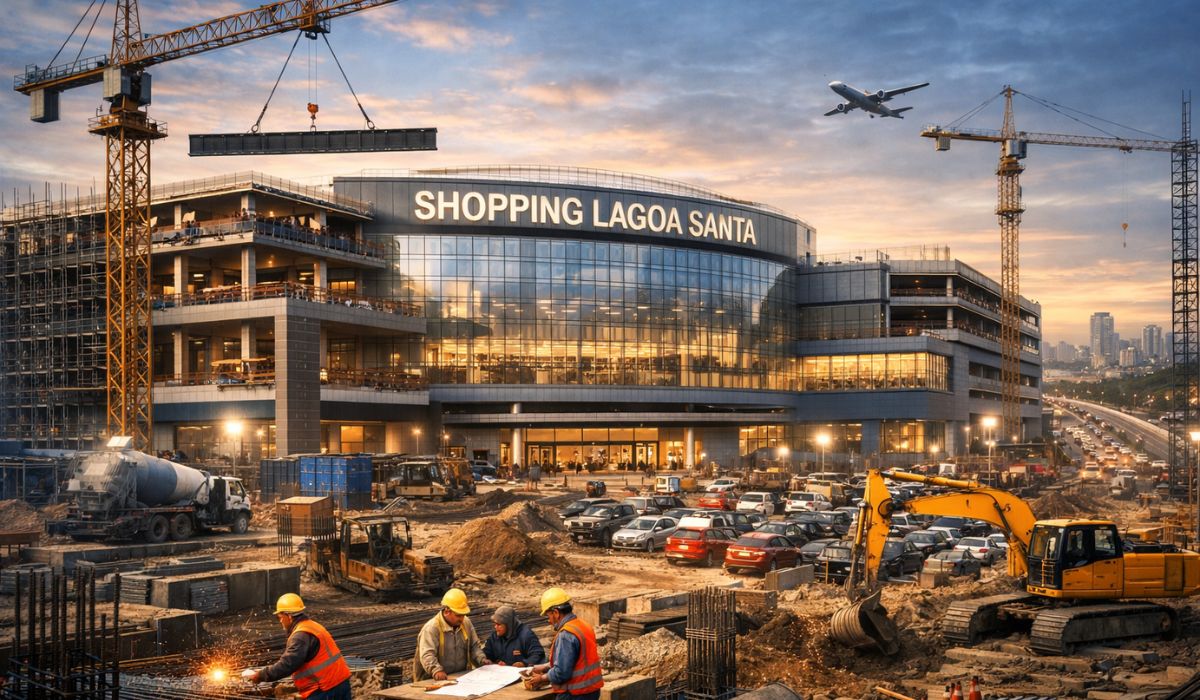
A new Brazilian shopping center worth R$ 400 million will be built in an area equivalent to more than 4 football fields, featuring 90 stores, 5 cinemas, a supermarket, a college, and parking for 1,700 cars, potentially generating 3,000 jobs.
-
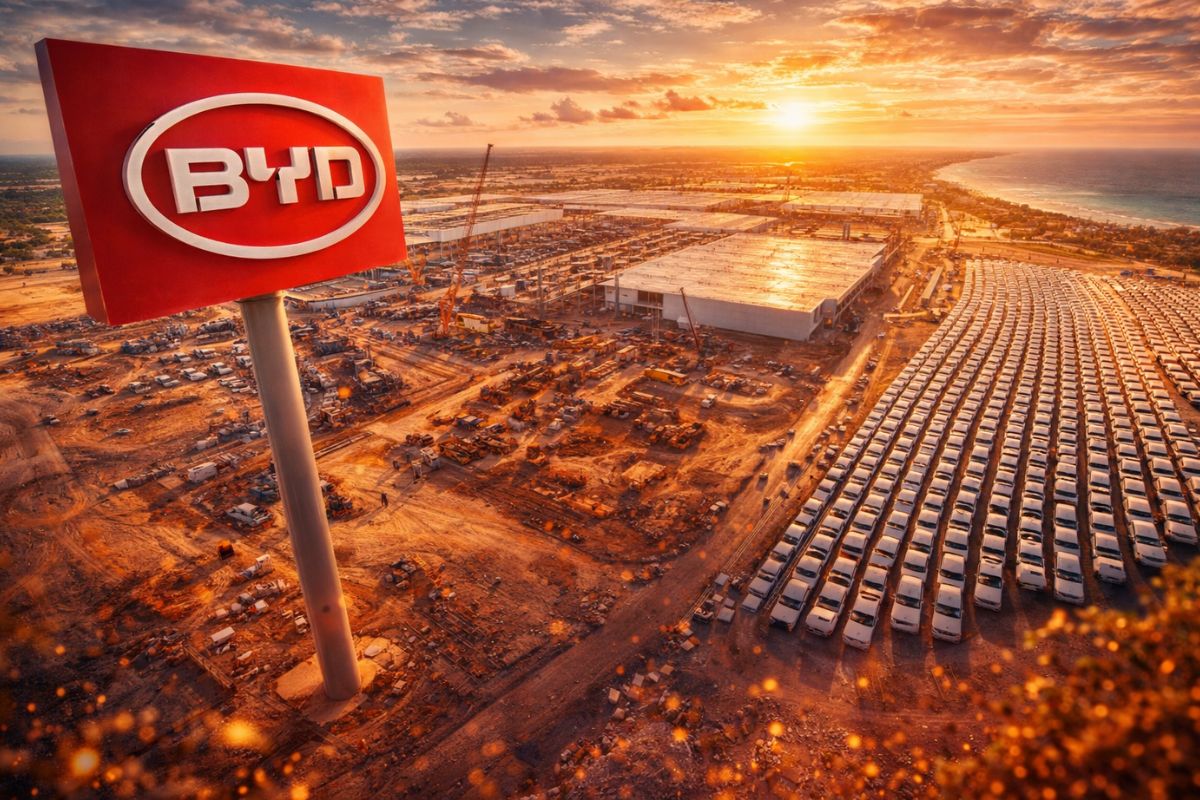
Larger than entire cities in Brazil: BYD is building a 4.6 km² complex in Bahia with a capacity for 600,000 vehicles per year, but the discovery of 163 workers in conditions analogous to slavery has shaken the entire project.
-
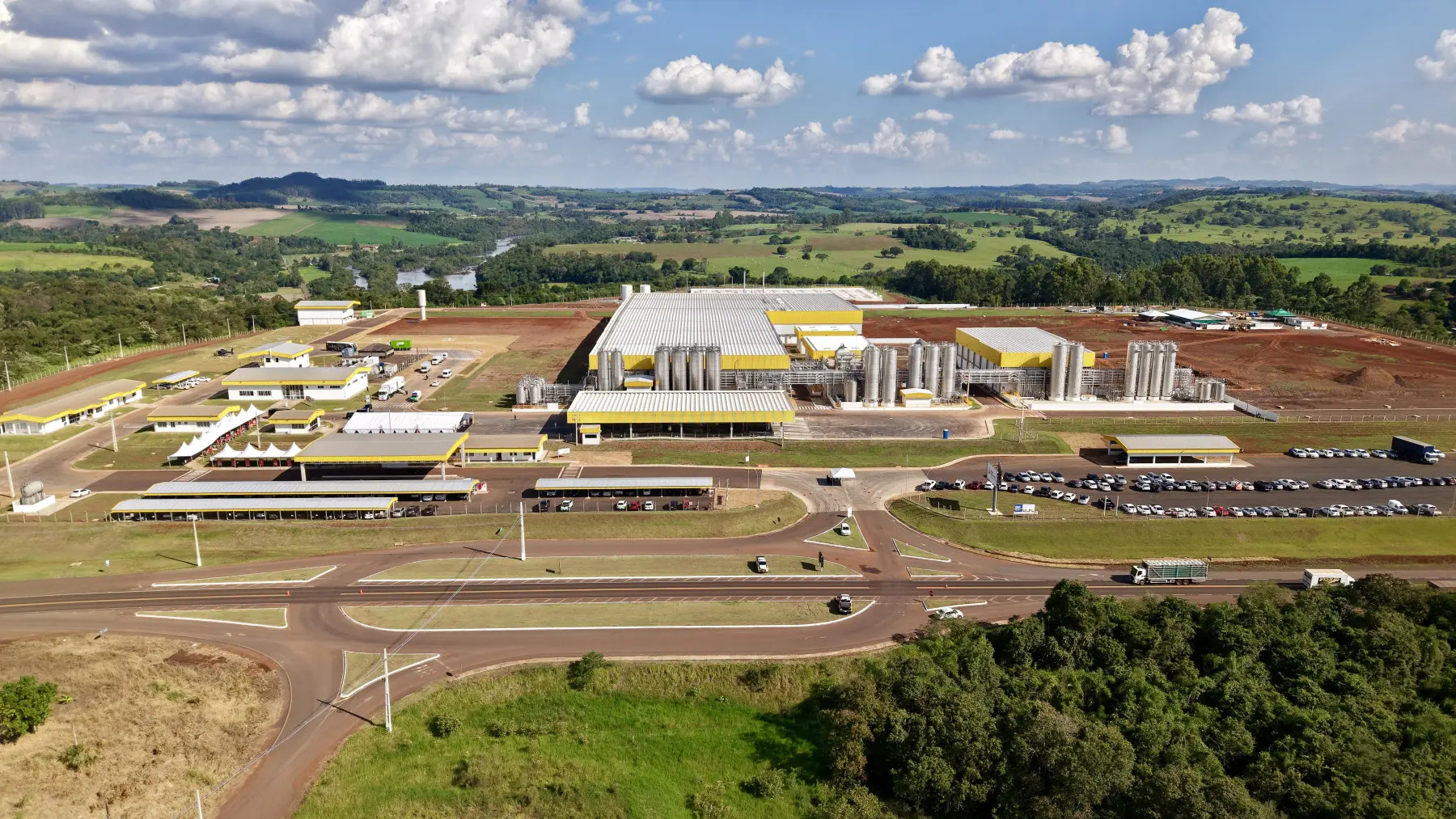
With an investment of R$ 612 million, a capacity to process 1.2 million liters of milk per day, Piracanjuba inaugurates a mega cheese factory that increases national production, reduces dependence on imports, and repositions Brazil on the global dairy map.
-
Brazilian city gains industrial hub for 85 companies that is equivalent to 55 football fields.

The Legal Process for Creating States
The process to create a new state in Brazil requires the approval of a bill in the National Congress. After this step, a plebiscite must be held to consult the population of the region involved. If the majority of votes is favorable, Congress must approve a complementary law officially establishing the new federative unit. The last plebiscite of this kind took place in 2011, when voters in Pará rejected the creation of the states of Tapajós and Carajás, according to records from the Superior Electoral Court (TSE).
Economic Aspects and Administrative Challenges
The territorial division raises debates about the costs involved. Creating a new state in Brazil would imply building administrative headquarters, appointing governors and legislators, and reorganizing the federal budget. According to economists, one of the biggest challenges would be ensuring that the new federative units have economic sustainability to maintain themselves without relying excessively on federal transfers.
On the other hand, proponents of the proposal argue that decentralization could improve resource distribution and promote regional development. In the case of the State of Triângulo, for example, the main justification is that the region already has a strong economy and could grow more rapidly without depending on the decisions of the Minas Gerais state government, according to analysis by the Federal Senate.
Acre as an Example of Successful Territorial Annexation in Brazil
The only significant territorial annexation made by Brazil occurred with Acre in the early 20th century. Previously belonging to Bolivia, the region was occupied by Brazilian rubber tappers and became a focal point of disputes. The issue was resolved in 1903 with the Treaty of Petrópolis, which formalized the purchase of Acre by Brazil. As part of the agreement, Brazil paid 2 million pounds sterling, ceded a small area in Mato Grosso to Bolivia, and committed to building the Madeira-Mamoré Railway to facilitate Bolivian trade.
Acre was elevated to the category of federal territory and only became a Brazilian state in 1962. This process is frequently cited as an example of successful territorial annexation, as it contributed to the economic growth of the Amazon and consolidated national borders without the need for armed conflict.







Mais políticos, mais tetas para eles mamarem. Mais corrupção, mais do que não presta e não serve pra nada.
Mais 18 governadores, 18 assembleias, etc. Até parece piada.
Está proposta socialmente falando não traz benefícios.