





 English
  Francês
  Alemão
  Italiano
  Japonês
  Norueguês
  Portuguese
  Spanish
  3 min of reading


During Lula’s Trip to Buenos Aires, the Governments of Brazil and Argentina Will Sign an Agreement for the Financing of Brazilian Exports in Operations with Guarantees from the Neighboring Country and International Liquidity to Revive Trade Between These Two Countries, Said Reuters, a Source from the Brazilian Government That Participated in the Negotiations.
This agreement provides for the opening of credit from Brazilian banks so that Argentine importers and the creation of funding plans by the Brazilian government ensure the payment of loans.
According to the source, in this operation, the bank will pay directly to the Brazilian exporter, with the guarantee of the national treasury; however, Brazil will receive the same amount from Argentina, deposited in New York, with international liquidity bonds.
“It can be Chinese bonds, it can be purchase and gas contracts, wheat. Something with international liquidity that ensures that, in case of non-payment by the Argentine importer, Brazil can access it to offset this non-payment,” said the source.
-
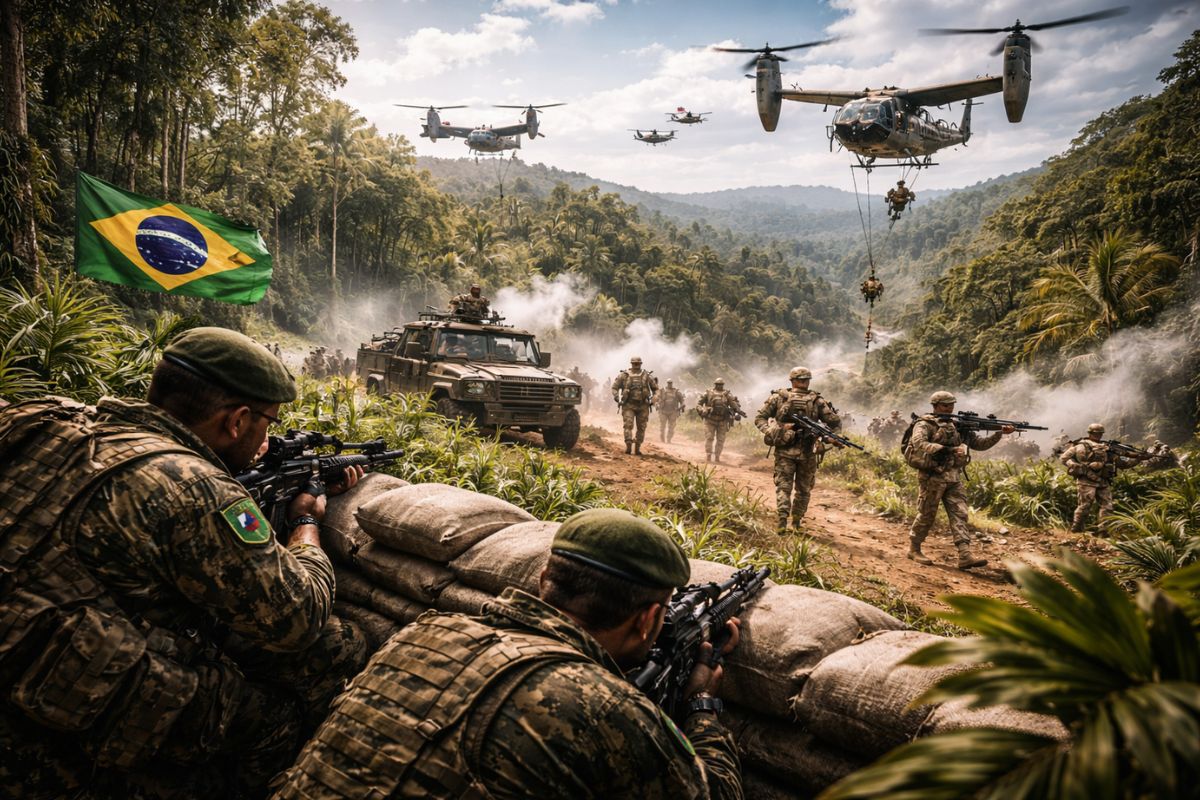
If the USA were to go to war with Brazil, Washington’s greatest fear would not be the attack itself, but facing a vast territory, prolonged resistance, and a costly, chaotic, and unpredictable occupation.
-
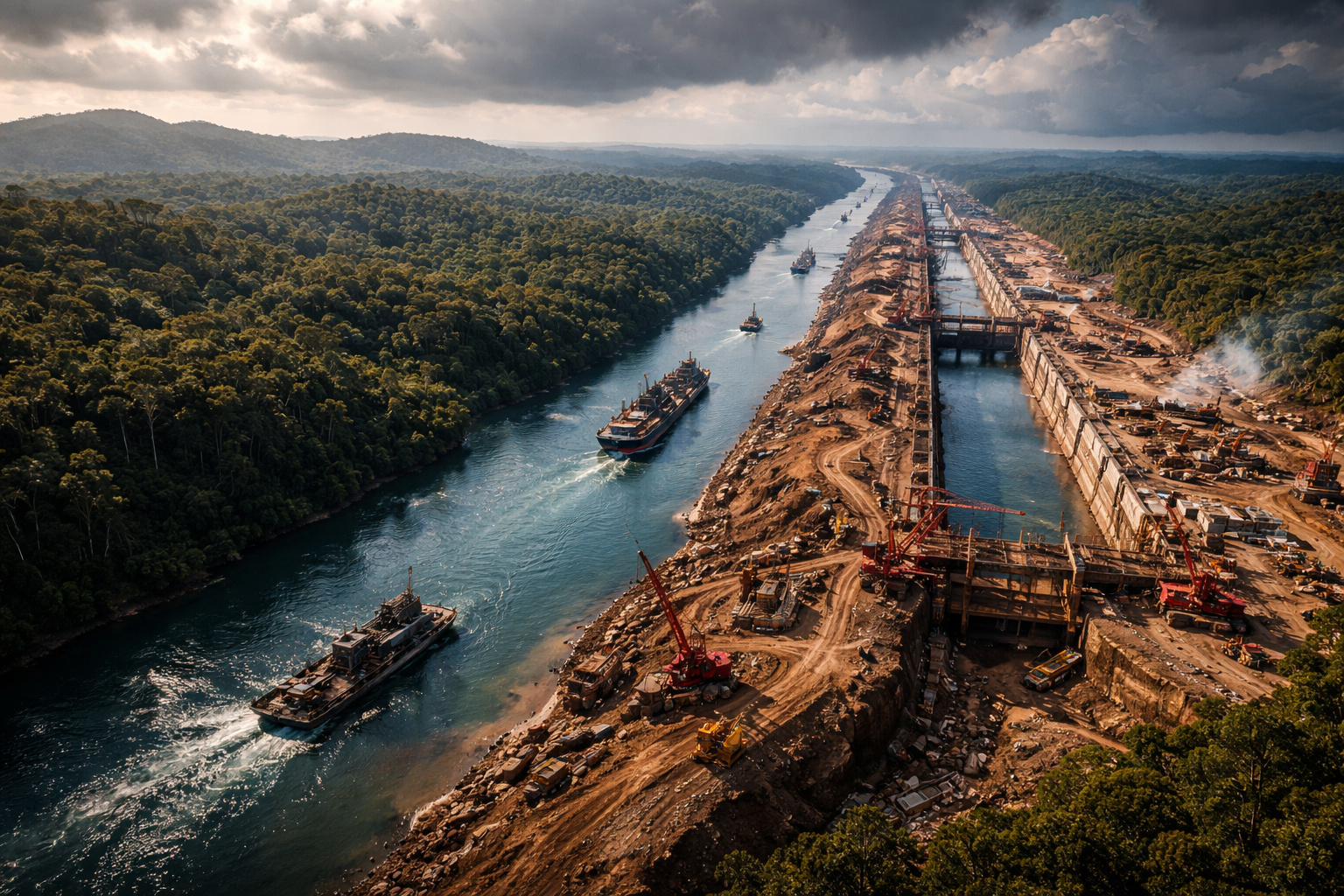
In 2013, Nicaragua sold the concession for a canal to rival Panama to a Chinese billionaire who lost 85% of his fortune, disappeared, and was declared bankrupt. Now the project resurfaces with a new route, a new Chinese partner, and a cost of $64.5 billion.
-
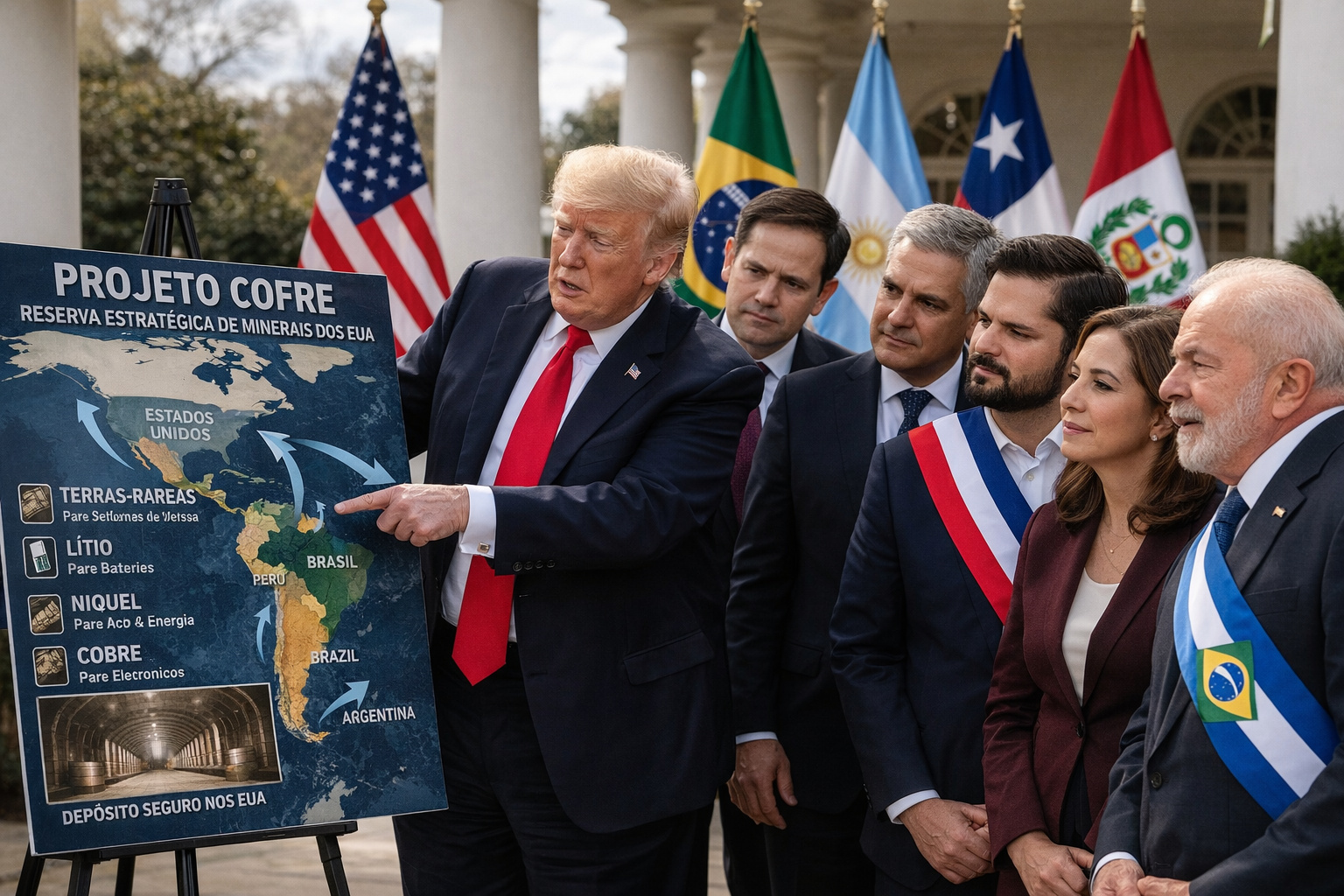
The USA announces a mysterious billion-dollar vault project to store critical minerals, but what intrigues experts is not just the plan itself, but why Latin America, including Brazil, has entered the center of this global dispute against China.
-
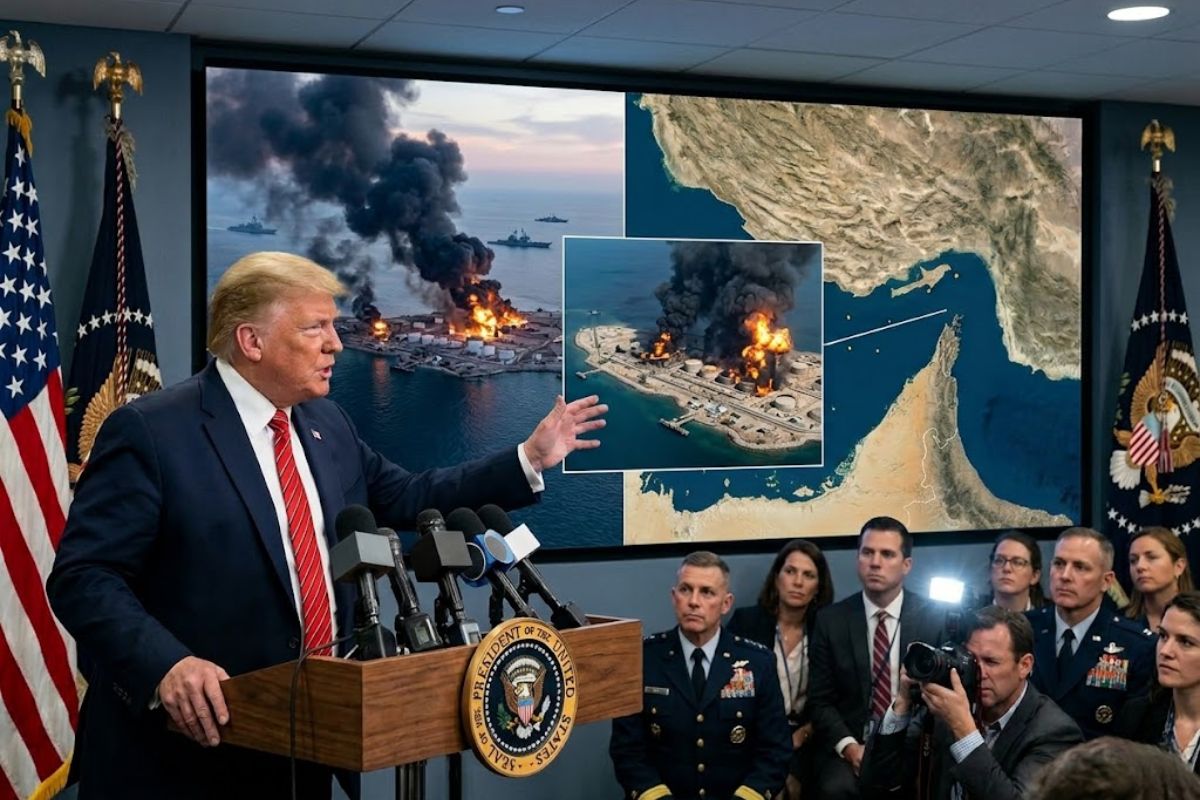
Trump Announces Bombing of U.S. Military Targets on Iranian Island Responsible for About 90% of Iran’s Oil Exports, Warns of Further Attacks if Navigation in Strategic Strait of Hormuz Is Threatened

The agreement also provides for the guarantee that Brazilian companies can withdraw funds from Argentina without any difficulty. Without the foreign currency, the country has controlled the exit of resources from other foreign companies, which should no longer happen with Brazilian companies.
In addition to all this, this agreement also provides for the organization of a working group for the creation, in the medium and long term, of a single compensation account for South America and under the same model negotiated now with Argentina, but even more systematized and with governance that authorizes access to resources for the country, provided it meets certain rules, such as a single-digit inflation rate and not being in default.
Single Currency
The Brazilian government is expected to request that the memorandum on financial integration, which will be signed this Monday in Buenos Aires by President Lula and Argentine Alberto Fernandez, include a section that makes clear that discussions on common financial units between the two countries will not involve a single currency.
The new unit, which may be named Sur (South in Spanish), will be used for financial and commercial transactions between the two countries, and not for replacing the Brazilian real or the Argentine peso.
The goal of Brazil with this explicit request in the agreement is to ease the noise caused by news of the possibility of creating a coin that would be a common South American currency, that is, to clarify that the Sur will not replace any type of currency.
“We are breaking our heads to find a solution, something in common that allows for increased trade. Argentina is one of the countries that buy manufactured goods from Brazil, and our exports to them are decreasing. It involves navigating their difficulties; we are considering various possibilities,” explained Haddad.









Seja o primeiro a reagir!