





 Portuguese
  English
  Spanish
  3 min of reading
  1 comment


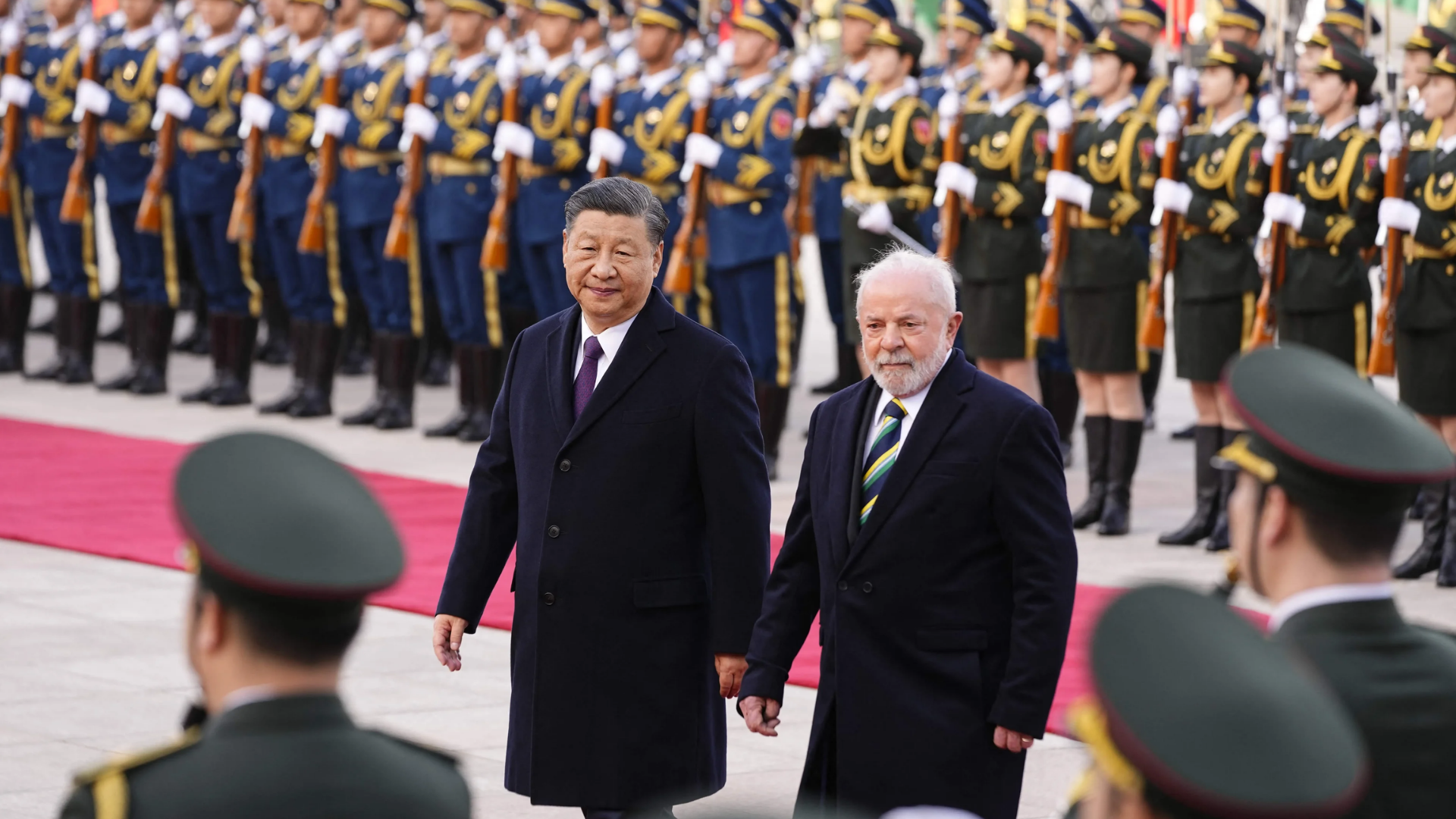

The New Phase Of The Relation Between The Countries Includes Collaborations In Strategic Areas And Investments That May Exceed R$ 6 Billion!
The recent visit of President Luiz Inácio Lula da Silva to China resulted in a significant milestone in bilateral relations, with the signing of 36 agreements covering various areas, such as infrastructure, energy, technology, and the environment, according to Exame. This initiative not only reinforces China‘s position as Brazil‘s largest trading partner but also opens new opportunities for the economic and social development of both countries.
The Importance Of Bilateral Agreements
With a value exceeding US$ 157 billion in Brazilian exports to China, the new agreements are an important step in consolidating a strategic partnership. Among the agreements, notable is the Memorandum of Understanding that establishes synergies between Brazil’s development programs, such as the Growth Acceleration Program (PAC), and China’s Belt and Road Initiative, which aims to connect economies through infrastructure investments. Do you believe that this synergy can bring real benefits to regional development?
Although Lula emphasized that Brazil did not formally commit to the Chinese project, the openness to partnerships is an indication that the country is willing to explore new collaborative possibilities. This stance can be seen as a strategy to diversify trade relations, especially in a constantly changing global scenario.
-
With an investment of R$ 612 million, a capacity to process 1.2 million liters of milk per day, Piracanjuba inaugurates a mega cheese factory that increases national production, reduces dependence on imports, and repositions Brazil on the global dairy map.

-
Brazilian city gains industrial hub for 85 companies that is equivalent to 55 football fields.

-
Peugeot and Citroën factory in Argentina cuts production by half and opens a layoff program for more than 2,000 employees after Brazil drastically reduced purchases of Argentine vehicles.

-
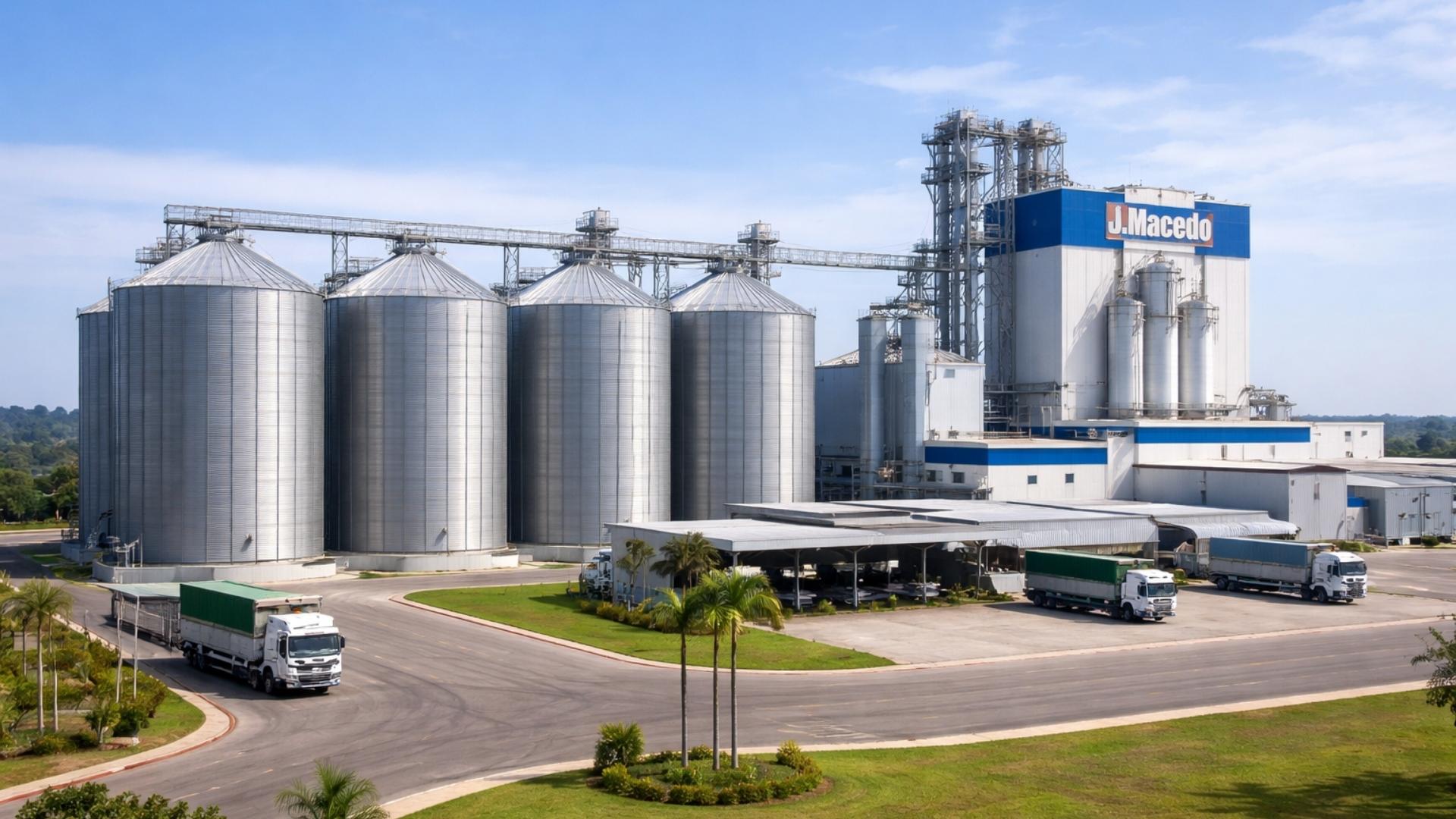
A Brazilian city gains a factory worth R$ 300 million with the capacity to process 200 thousand tons of wheat per year, a mill of 660 tons/day, silos for 42 thousand tons, and an industrial area of 276 thousand m².

Advances In Economy And Infrastructure
One of the highlights of the visit was the signing of a currency swap agreement between the Central Bank of Brazil and the People’s Bank of China, allowing for commercial transactions in local currencies and reducing dependency on the dollar. Additionally, memorandums of cooperation in financial intelligence and combating money laundering were signed, demonstrating a mutual commitment to strengthen financial integrity.
In the area of infrastructure, the interest of Chinese companies in participating in the auction of the Santos-Guarujá Tunnel, scheduled for September, is an indication of the investment potential that may exceed R$ 6 billion. This type of investment can transform Brazil’s infrastructure, but do you think that foreign participation is always beneficial for the local economy?
Cooperation In Technology And Environment
The collaboration in technology was one of the highlights of the visit. Brazil established partnerships with giants like Huawei, aiming to develop solutions in artificial intelligence and create a Technology Transfer Center. This could mean a significant boost for sectors like telecommunications and cybersecurity, which are essential for a safe and innovative digital future. Have you thought about how technology can impact everyday life?
Regarding the environment, the two countries signed a memorandum focused on restoring vegetation and promoting clean energy, such as the use of ethanol and sustainable mining practices. These efforts are crucial at a time when sustainability is a growing concern worldwide.
The Future Of The Brazil-China Partnership
With China accounting for a significant portion of Brazilian exports, the new agreements have the potential to further increase this volume, consolidating the strategic partnership between Brasília and Beijing. The interaction between the two countries may result in advancements not only economically but also socially and environmentally.
How do you view the future of the relationship between Brazil and China? Do you believe this partnership can bring lasting benefits to both countries? Share your opinions and thoughts in the comments!







Demorou 60 anos, pra isso acontecer.
Mas eu “ainda estou aqui”, pra ver isso acontecer.
Basta de exploração americana, em nosso Brasil.