





 Português
  Inglês
  Espanhol
  3 min de leitura
  0 comentários


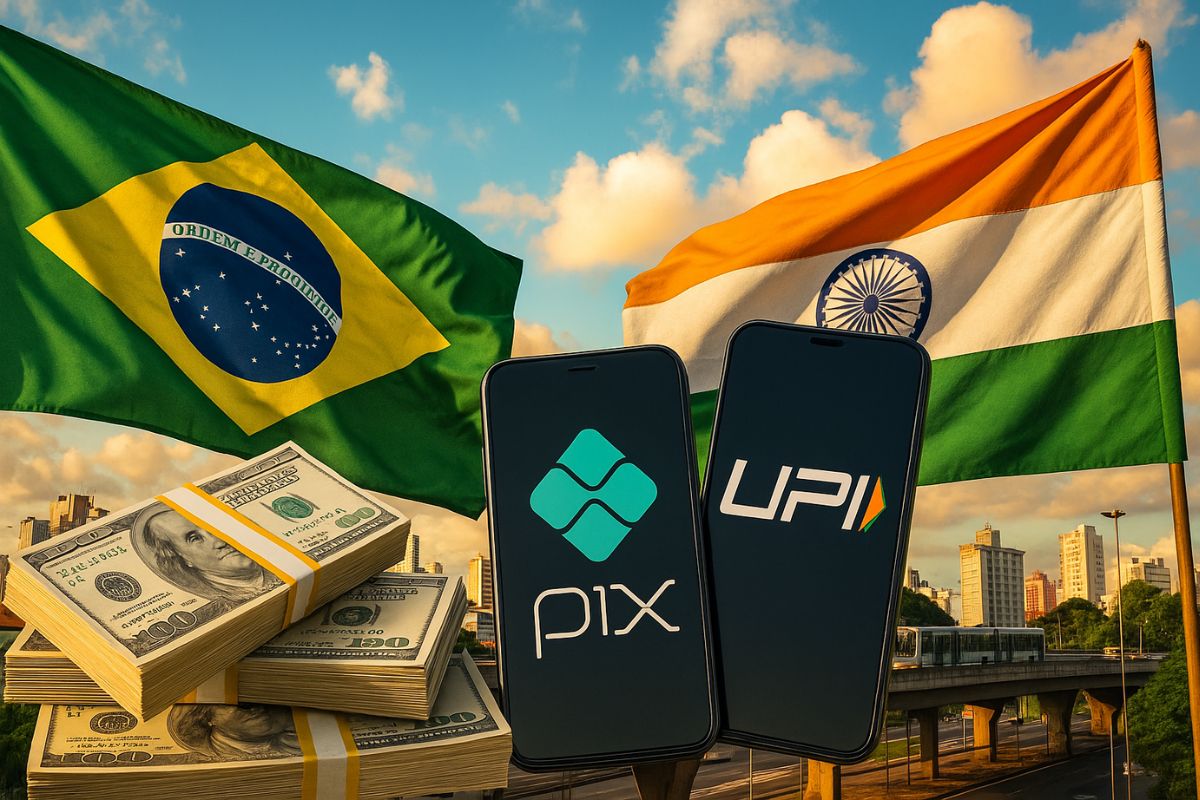
Conversation Between Leaders Strengthens Alliance Between Brazil and India Amid Pressure from the US and Aims to Expand Economic Cooperation
The president Lula spoke by phone this Thursday with India’s Prime Minister, Narendra Modi, to discuss the new tariffs imposed by the United States government. The conversation took place a day after Donald Trump raised the tariff on Indian products to 50%, matching the level already applied to Brazil. The two leaders reaffirmed their commitment to multilateralism and the search for alternatives to American economic pressure.
According to a statement released by the Palácio do Planalto, the call lasted about an hour and also addressed strategies for trade integration, financial technologies such as Pix and UPI, and the goal of expanding bilateral trade. The gesture signals a growing diplomatic alignment between Brazil and India, both affected by unilateral tariff sanctions from the US.
What Did Lula and Modi Discuss During the Call?
During the dialogue, the leaders debated the international scenario and the effects of unilateral tariffs imposed by the US, which directly impacted the economies of Brazil and India. Both criticized the measure and emphasized the need to strengthen multilateral negotiation mechanisms, advocating for an international system based on rules and cooperation.
-
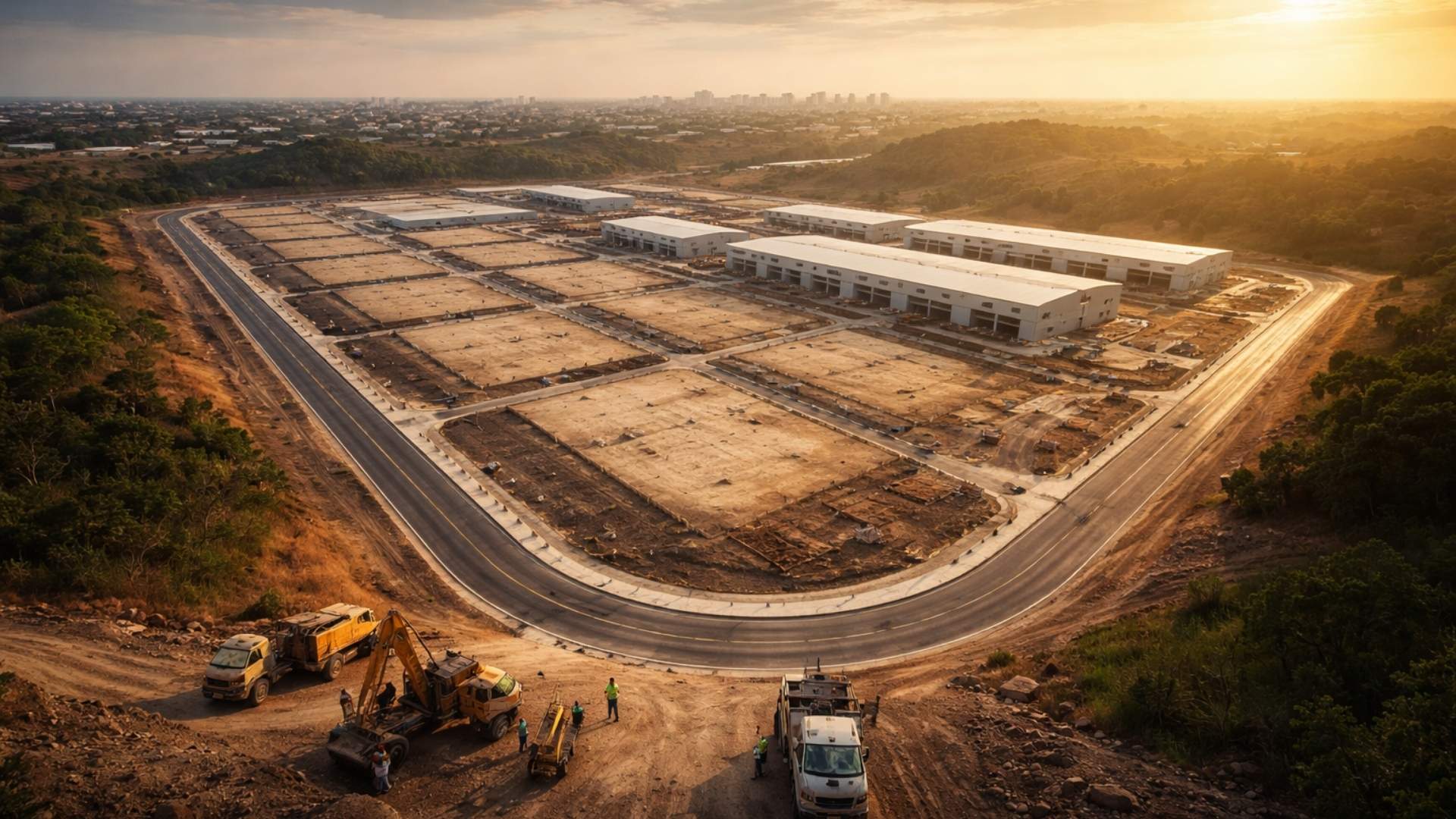
Brazilian city gains industrial hub for 85 companies that is equivalent to 55 football fields.

-
Peugeot and Citroën factory in Argentina cuts production by half and opens a layoff program for more than 2,000 employees after Brazil drastically reduced purchases of Argentine vehicles.
-
A Brazilian city gains a factory worth R$ 300 million with the capacity to process 200 thousand tons of wheat per year, a mill of 660 tons/day, silos for 42 thousand tons, and an industrial area of 276 thousand m².
-
Havan will leave the shopping mall in Blumenau to inaugurate something that the chain has never done before: a megastore in half-timbered style in the Historic Center of the city, which is expected to be completed in May and change the landscape of local retail.

In addition, Lula confirmed that he will make a state visit to India in early 2026, while Vice President Geraldo Alckmin will lead a business mission to the country later in October, addressing topics such as defense, energy, critical minerals, and digital inclusion.
What is Trump’s Position on India and Brazil?
Donald Trump justified the new tariff against India based on its trade relations with Russia. According to him, the country would be “feeding Putin’s war machine” by buying Russian oil. The American president also accused India of imposing severe barriers on US products and of participating in alliances like the BRICS, which are seen as hostile to American foreign policy.
The measure was formalized through an executive order and will take effect in 21 days. With the new taxation, Indian products will face a total surcharge of 50% in the US, the same level already applied to Brazil. The decision increases the commercial isolation of both countries in the North American market.
What Does It Mean to Defend Multilateralism?
Both Lula and Modi emphasized the importance of an international trading system based on shared rules and collective decisions, rather than unilateral sanctions. This defense of multilateralism seeks to preserve balance in global economic relations, especially among emerging countries.
In practice, this positioning is a direct criticism of the model adopted by Trump, who uses tariffs as a geopolitical tool, punishing countries for sovereign strategic decisions — such as buying oil or forming diplomatic alliances.
How Should Trade Between Brazil and India Advance?
The goal of both governments is to increase bilateral trade to US$ 20 billion by 2030. To achieve this, the leaders plan to enhance the agreement between Mercosur and India, creating new opportunities in strategic sectors. Collaboration between the payment systems Pix (Brazil) and UPI (India) is also on the agenda, with the potential to facilitate international transactions and enhance financial integration.
The movement reflects mutual interest in reducing dependence on Western markets, diversifying partnerships in areas such as technology, defense, and renewable energy.
What is the Geopolitical Impact of This Alignment?
The rapprochement between Brazil and India represents a coordinated response to the pressure exerted by the US, especially under the Trump administration. Both are founding members of the BRICS and share interests in reforms of multilateral institutions, such as the UN and the WTO.
By strengthening diplomatic and economic relations, Lula and Modi bolster a south-global front aiming to rebalance current geopolitical forces, challenging American hegemony in strategic areas such as trade, finance, and energy security.
Do you believe that Brazil should align more with India in light of pressures from the United States? Is multilateralism still viable in this scenario? Share your opinion in the comments — your viewpoint is essential for this global debate.







Seja o primeiro a reagir!