





 English
  Francês
  Alemão
  Italiano
  Japonês
  Norueguês
  Portuguese
  Spanish
  4 min of reading
  0 comments


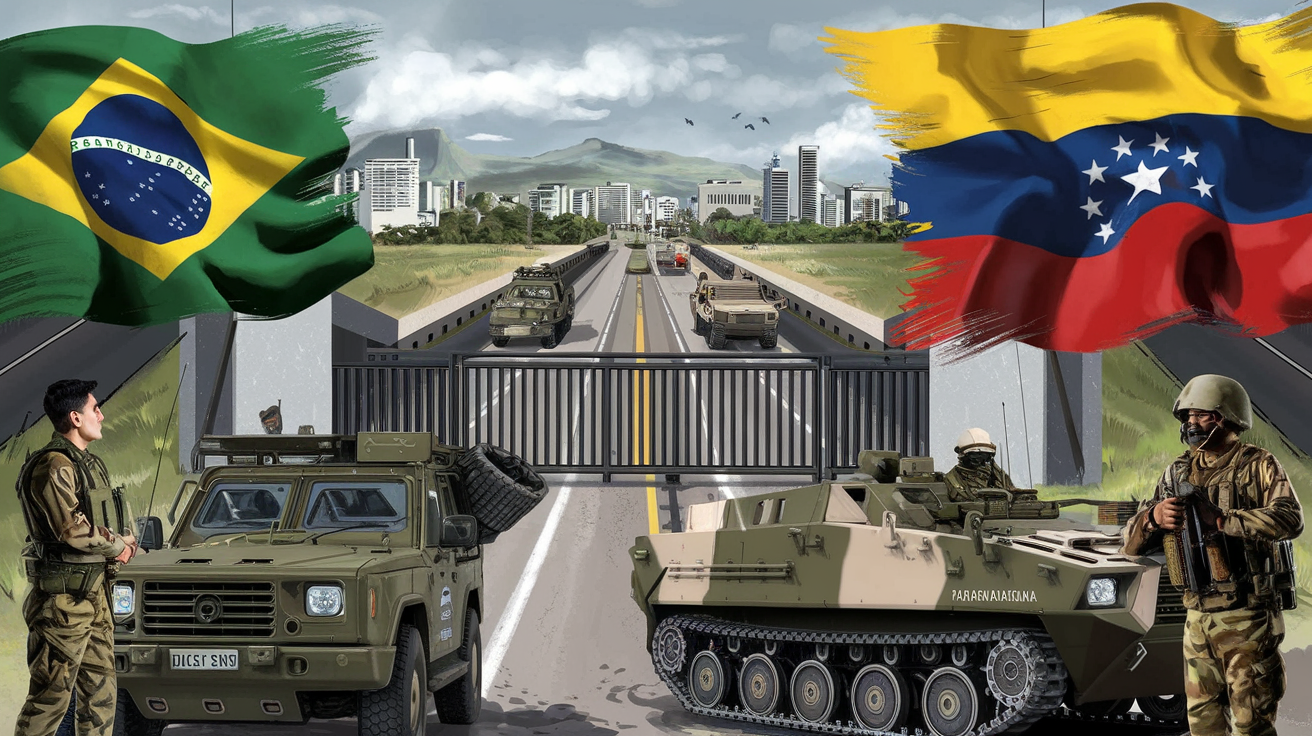
In a move that paralyzed the border with Brazil, Venezuela conducts military exercises and deploys troops in the “Bolivarian Shield.” With Pacaraima isolated, the Lula government monitors the situation, while northern governors express concern. What could be behind this strategy?
An unusual event drew the attention of Brazil and its governors earlier this year.
The border between Brazil and Venezuela was the scene of military movement that raised doubts and fears. Armed Venezuelan troops took action, closing the region of Pacaraima (Roraima), leaving Brazilian authorities on alert.
While northern governors ask for explanations, the government of Luiz Inácio Lula da Silva is reinforcing its vigilance in the region.
-
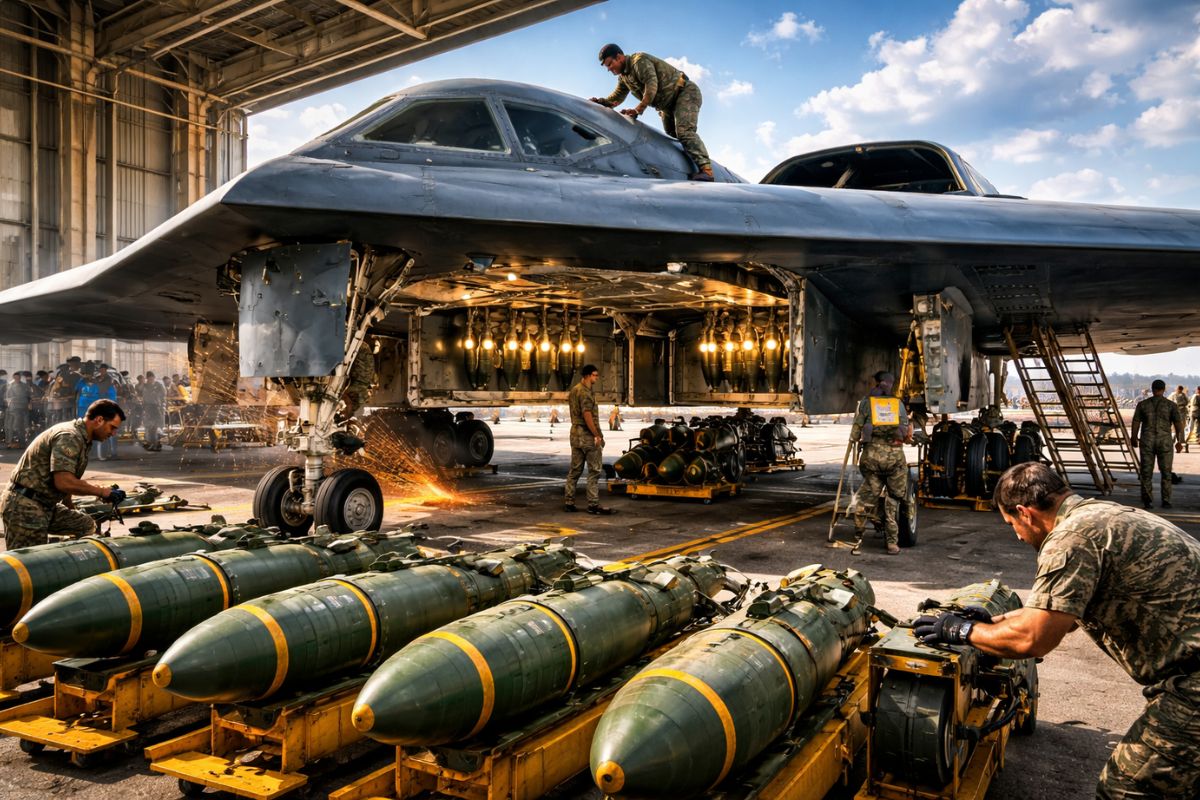
Valued at over $2 billion, the B-2 Spirit bomber requires meticulous inspection, bombs calibrated in a controlled environment, and extreme preparation to disappear from radar and launch attacks with lethal precision.
-
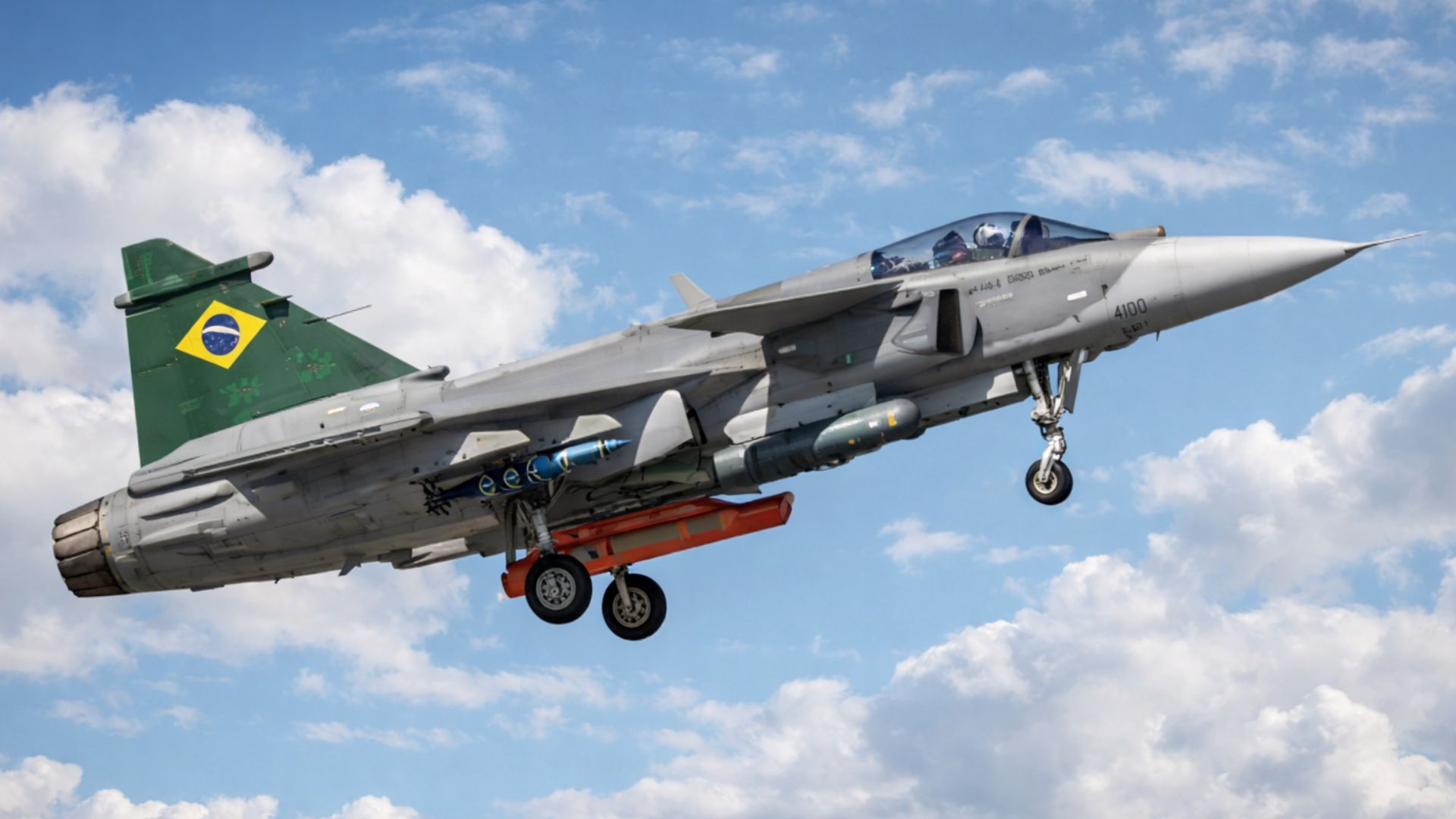
Brazil presents the first national F-39 Gripen fighter and redefines air defense with technological advancement, job creation, and strengthening of the defense industry on the global stage.
-
The construction of the Polar Ship Almirante Saldanha is progressing ahead of schedule and strengthens Brazil’s presence in Antarctica; the vessel will be 93 meters long, have a two-month autonomy, and technology to face ice.

-
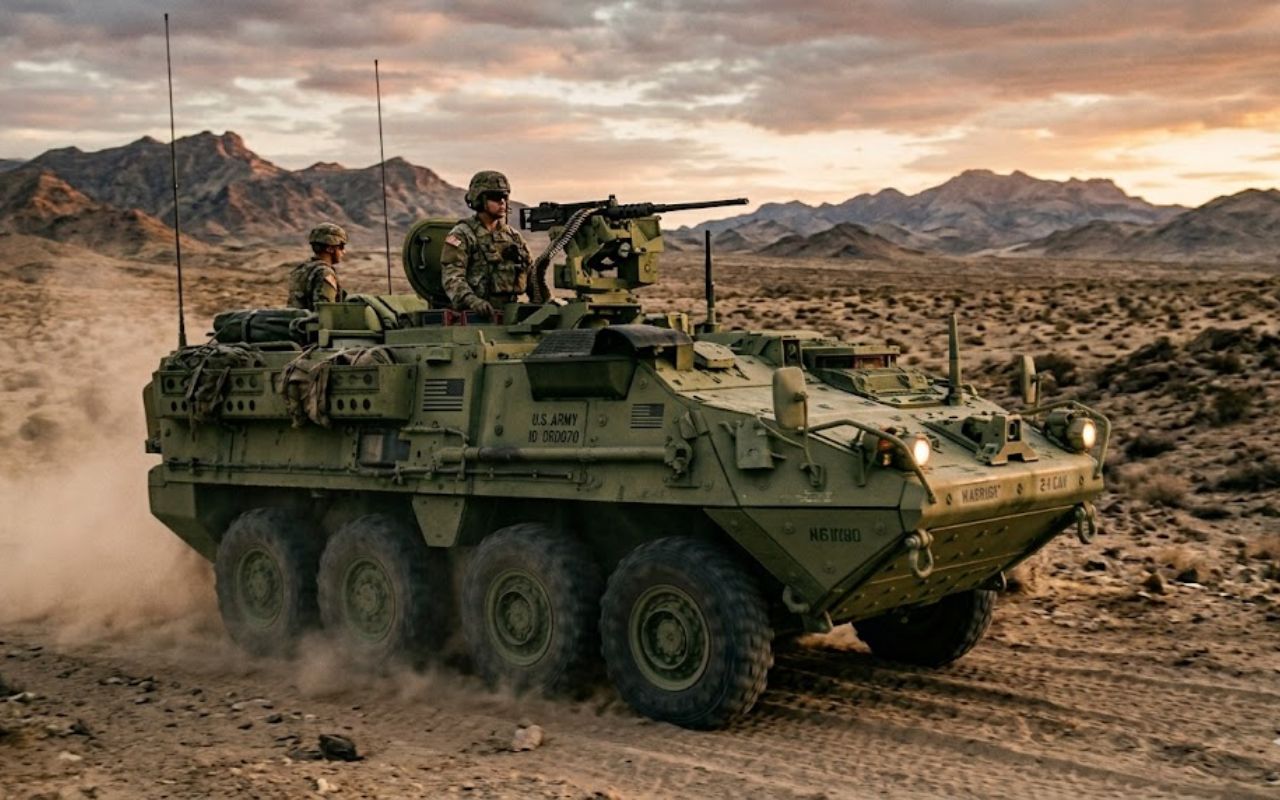
The United States Army has an armored vehicle that reaches speeds of up to 100 km/h, capable of operating normally on different types of terrain and also on asphalt without causing damage; equipped with a 350 hp engine, it can transport up to 9 soldiers — meet the Stryker.

What is behind this movement at the border? Is it just a sovereignty exercise by Venezuela, or is there more to it?
Military Exercises and the Border Closure
Last Monday, Venezuela began its first military exercise of 2025, dubbed “Bolivarian Shield”.
According to President Nicolás Maduro, the operation aims to “ensure peace, sovereignty, freedom, and true democracy” in the country.
The Venezuelan regime decided to temporarily close the border with Brazil as part of this strategy.
According to O Globo newspaper, the Itamaraty confirmed that the measure was justified as a “security issue.”
The closure is expected to last until Thursday, directly impacting the city of Pacaraima, whose commerce is highly dependent on cross-border circulation.
Impacts on Pacaraima
Pacaraima, located in Roraima, is a city with strong economic ties to Venezuela.
With the border closure, local merchants and workers immediately felt the effects of the disruption.
According to traders interviewed by O Globo, the halt of goods and people flow harmed daily sales and transactions, as many Venezuelans cross the border regularly to shop.
Besides the economic impact, the closure increased tension among residents.
Many fear that the military exercises could escalate into something more serious, especially given Venezuela’s history of political and economic instability.
Brazilian Government Maintains Vigilant Posture
In Brazil, the federal government has adopted a precautionary stance.
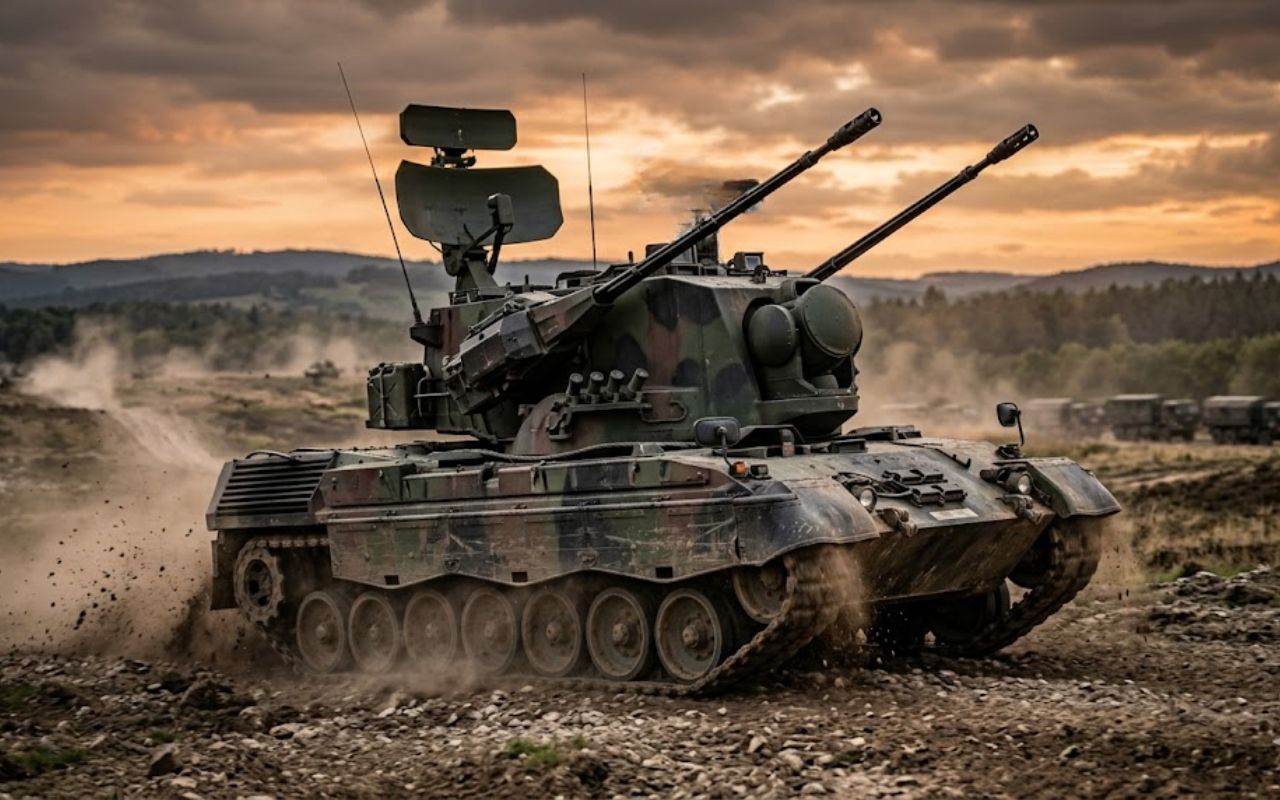
The Palácio do Planalto and the Ministry of Defense are closely monitoring the situation, while Army armored vehicles have been repositioned in the region to reinforce security.
Despite this, government sources stated that there are no indications of a direct threat to national territory.
Reports on social media suggesting that Venezuelan troops had crossed the border were officially and categorically denied.
The Itamaraty reaffirmed that there was no military incursion into Brazilian territory.
According to investigations by O Globo, the Roraima government requested more information about the events, while governors from other states in the northern region also showed concern.
What Is the “Bolivarian Shield”?
The “Bolivarian Shield” is a military operation planned to demonstrate the strength of Venezuela’s Armed Forces.
Nicolás Maduro frequently uses these maneuvers to consolidate internal support and reinforce his position as a political leader.
Experts interviewed by O Globo point out that these exercises may serve as a geopolitical message, not only to Brazil but to other countries in South America and even to the United States, which have long criticized the Venezuelan regime.
Strategy or Provocation?
Although the Brazilian government dismisses immediate risks, some analysts believe that the military movement can be interpreted as a veiled provocation.
Relations between Brazil and Venezuela have been marked by ups and downs over the years, and the recent diplomatic thaw during Lula’s government doesn’t erase the accumulated tensions of the past.
For Maduro’s government, the military mobilization could also be a way to divert attention from internal problems, such as the economic crisis and the social instability plaguing the country.
Long-term Concerns
Even if the situation normalizes in the coming days, the episode serves as a reminder of the complexity of the Brazil-Venezuela relationship.
Border security remains a sensitive point, especially for states like Roraima, which have an economy highly dependent on this bilateral interaction.
Governors and local leaders have been pressing the federal government to ensure that episodes like this are treated seriously.
According to O Globo, there are calls for the border to be monitored more closely to avoid even greater economic and social impacts.
The Future of the Border
With the closure of the Venezuelan military operation expected by Thursday, the anticipation is that commerce in Pacaraima will return to normal.
However, the question remains: what do these maneuvers represent for the relationship between the two countries in the long term?
As the Lula government reinforces vigilance and diplomacy, the population of Pacaraima anxiously awaits the full reopening of the border.
But the effects of this episode will still be felt, both in the local economy and in Brazil’s foreign policy.
Question for Readers
Do you believe that the “Bolivarian Shield” is just a military exercise or a political strategy by Nicolás Maduro to reaffirm his authority? How should Brazil respond?








-

Uma pessoa reagiu a isso.