





 Portuguese
  English
  Spanish
 2 min of reading
  0 comments


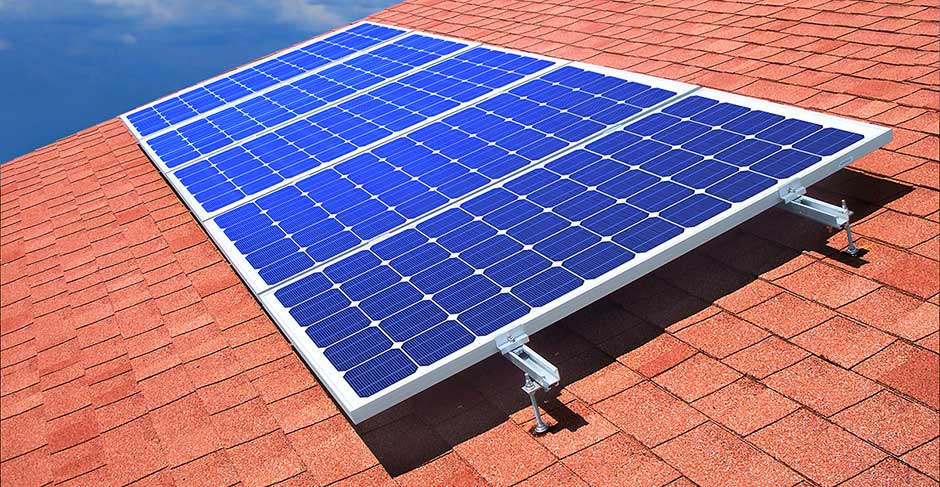
Solar Panel Theft: A Growing Obstacle in the Brazilian Energy Market
The Brazilian Association of Photovoltaic Solar Energy (Absolar) ranks Brazil as the 8th country with the highest accumulated potential in solar energy. However, alongside the growth of this sector, significant challenges arise, with solar panel theft being one of the most pressing.
Impact of Crime on the Solar Energy Sector
The issue of solar panel theft is not isolated, affecting various regions of Brazil. For example, the cities of Conceição das Alagoas and Frutal in Minas Gerais, and Aguaí in São Paulo, where recent police actions seized around 3 million reais in stolen equipment. This type of crime not only poses a direct threat to the development of solar energy in the country but also imposes significant additional costs, as the value of stolen or damaged photovoltaic panels far exceeds the investments in effective protection systems.
-
Renewable energy advances over protected areas in Brazil, and a survey by the Energy Transition Observatory reveals silent impacts that challenge environmental conservation and pressure sensitive traditional territories.

-
Rio Grande do Sul accelerates energy transition: State invests in renewable technologies and consolidates decarbonization strategies and pathways to attract billions in new industrial investments.

-
With 160,000 m² of collectors, an area larger than 20 football fields, Silkeborg, in Denmark, hosts a solar thermal plant that heats 19,500 homes and could become the largest solar heating plant in the world.

-
A study reveals the expansion of renewable energy procurement in Brazil and shows how companies are taking advantage of opportunities to reduce expenses, ensure energy efficiency, and strengthen strategic environmental commitments.


Safety as a Priority in the Solar Energy Market
In light of this scenario, the security of solar energy installations has become a high-priority issue. To discuss effective strategies and solutions, Christian Speyer, Marketing Manager at Morlan and sector expert, is a valuable source of information. He can provide detailed insights into the importance of fencing to protect solar installations, addressing the specific challenges of the market and explaining how protective screens can be an effective solution to combat this type of crime.
Speyer’s knowledge of solar energy market trends and best security practices is essential to understand how companies can protect their investments and ensure the continued growth of the sector in Brazil. Speyer’s experience can help illuminate the paths to a safer and more sustainable solar energy future in the country.
Source: Giulia Muraro.









Seja o primeiro a reagir!