





 Portuguese
  English
  Spanish
  4 min of reading
  0 comments


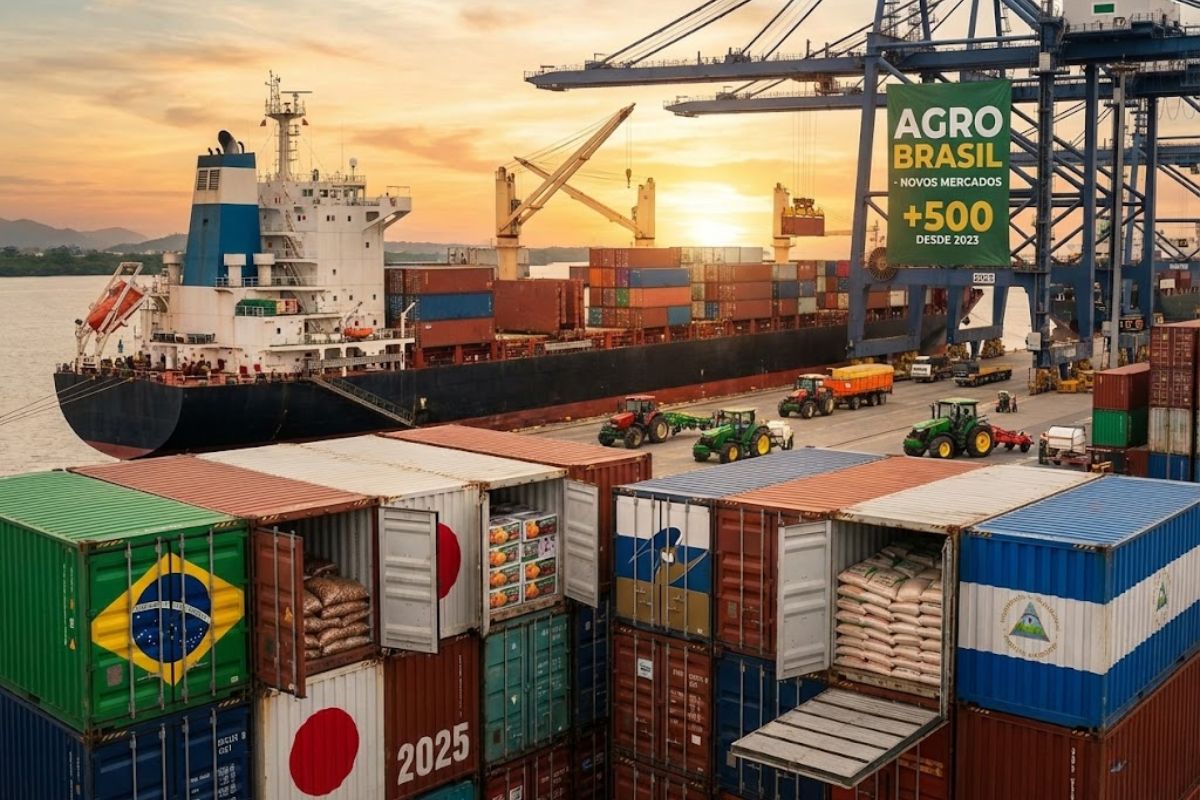
Brazil Advances in Sanitary Diplomacy by Closing Agreements with Japan, Eurasian Economic Union, and Nicaragua, Allowing Baru Nuts, Frozen Fruits, and Processed Rice, Adding 507 Market Openings Since 2023 and Spreading Brazilian Agriculture Worldwide with Less Risk and More Added Value and Direct Opportunities for Producers.
Since the beginning of 2023, Brazil has accumulated 507 market openings for agribusiness and, in this new round, closed phytosanitary agreements with Japan, the Eurasian Economic Union, and Nicaragua that allow baru nuts, frozen and dehydrated fruits, and processed rice for consumers in different regions of the world.
In 2024, countries of the Eurasian Economic Union purchased more than US$ 1.4 billion in products from Brazilian agribusiness, while Japan surpassed US$ 3 billion and Nicaragua imported around US$ 55 million between January and November of this year, consolidating the strategy of diversification and risk reduction in Brazil’s exports.
Brazil Uses Sanitary Diplomacy to Reduce Risks in Agribusiness Exports
According to the Ministry of Agriculture and Livestock, the new openings reinforce Brazil’s presence in markets considered relevant and with high consumption potential.
-
Brazil has just secured a secret route through Turkey to save agribusiness exports that were threatened by the closure of the Strait of Hormuz amid violent clashes in the Middle East.

-
JBS, founded by the Batista brothers, continues to conquer the world: the entrepreneurs built a ‘factory in the desert’ with 3,000 jobs.

-
With only 1% of Brazilian territory, Santa Catarina has built one of the most competitive industrial parks in the country with 64,000 companies, nearly 1 million jobs, and a growth of 5.3% while the national industry is practically stagnant.

-
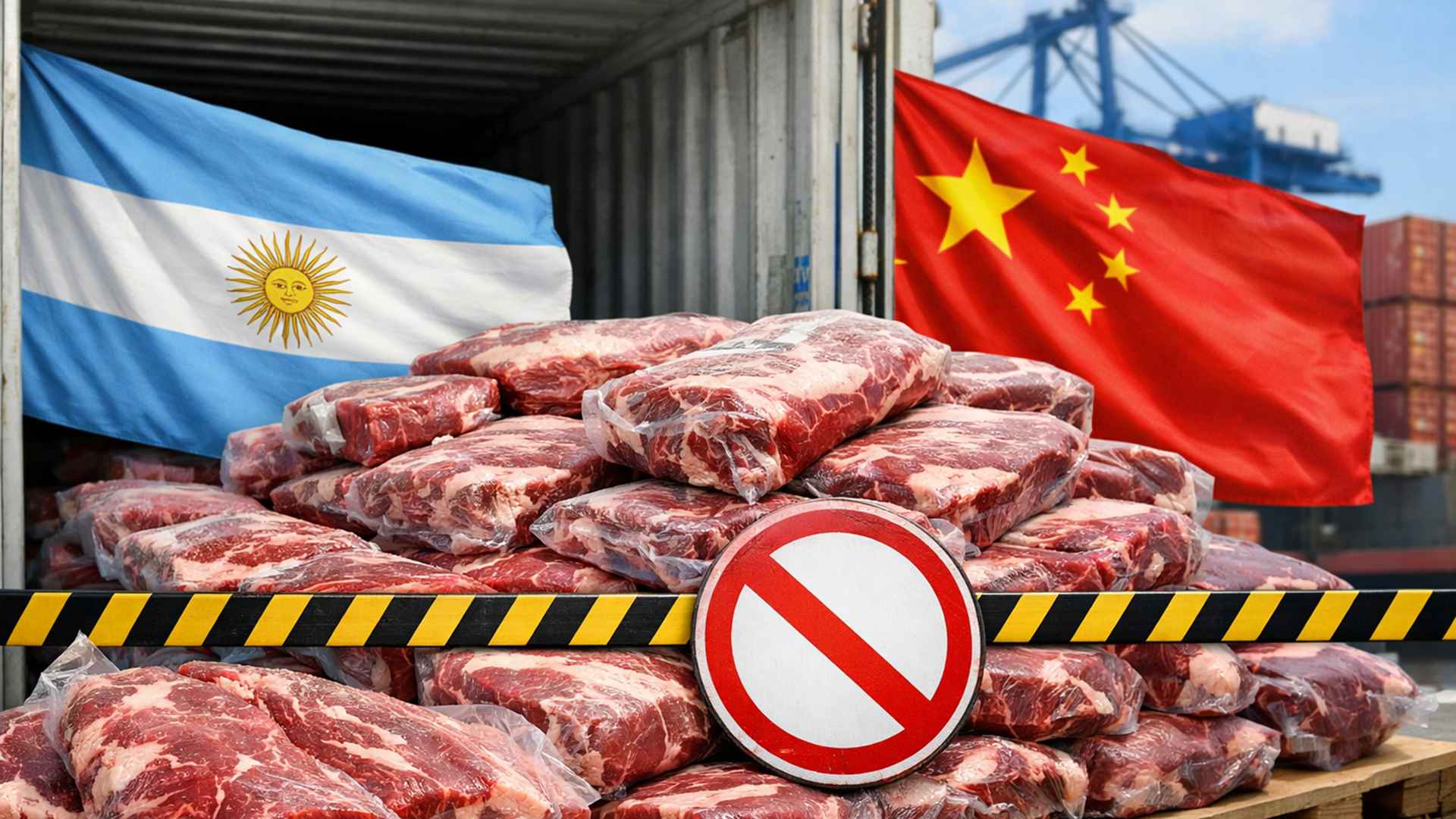
China banned the export of 22 tons of meat from Argentina.

The central guideline is to diversify destinations and product portfolio, including items with higher added value, to reduce dependence on a few buyers and better spread commercial risk.
The government emphasizes that the results are the result of joint efforts between the Ministry of Agriculture and Livestock and the Ministry of Foreign Affairs.
Brazilian sanitary diplomacy works on negotiating phytosanitary requirements, adapting regulations, and proving quality standards, creating space for Brazilian agribusiness to reach more consumers and segments of the industry in other countries.
Eurasian Economic Union Approves Export of Baru Nuts from Brazilian Cerrado
In the Eurasian Economic Union, phytosanitary authorities approved the export of baru nuts from Brazil.
The oilseed is native to the Cerrado and plays an important role in generating income for local communities, with increasing use in the food industry. Both the pulp and the nut are edible and can be used in flours, snacks, oils, and gourmet products.
The Eurasian bloc has more than 183 million inhabitants, comprising Armenia, Belarus, Kazakhstan, Kyrgyzstan, and Russia.
In 2024, these countries imported over US$ 1.4 billion in agricultural products from Brazil, especially soybeans, meats, and coffee.
With the entry of baru nuts, the government expects more added value and new opportunities for productive chains linked to the Cerrado.
Japan Opens Market for Frozen and Dehydrated Fruits from Brazil
In Japan, phytosanitary authorities confirmed the approval of Brazilian frozen and dehydrated fruits.
The opening is considered strategic because it expands sales of processed products, a segment that tends to generate better remuneration per exported ton. Brazil’s frozen and dehydrated fruits can cater to both retail and the food industry, which seeks standardized and safe ingredients.
Japan, with about 124 million inhabitants, has already imported over US$ 3 billion in agricultural products from Brazil in 2024.
The government believes that presence in a demanding market like Japan reinforces the quality image of Brazilian agribusiness and opens doors for new categories of food, especially those with higher added value and links to healthiness and convenience.
Nicaragua Authorizes Brazilian Processed Rice and Expands Purchases
In Central America, Nicaragua authorized the export of processed rice from Brazil. The country has about 6.9 million inhabitants and has been increasing its purchases of Brazilian agricultural products.
Between January and November of this year, Nicaragua’s imports totaled approximately US$ 55 million, an 8.5 percent increase compared to the figures recorded in 2024, according to data from the Ministry of Agriculture.
The entry of processed rice from Brazil reinforces the presence of the national grain processing industry in the region, scales up the sector, and expands long-term contracting possibilities with Central American buyers.
For the government, this type of opening helps strengthen regional productive chains, connecting producers, cooperatives, industries, and Brazilian trading companies to nearby and expanding markets.
Sanitary Diplomacy Takes Brazil to 507 New Markets Since 2023
With the new authorizations, Brazilian agribusiness reaches 507 market openings since the beginning of 2023.
In the government’s assessment, each new product and destination authorization not only increases sales potential but also better distributes Brazil’s commercial risk in the international scenario.
The strategy combines opening markets for traditional items, such as grains and meats, with the inclusion of niche products, native to the Cerrado or with higher industrial added value.
By expanding this basket, Brazil attempts to protect producers and exporters from external shocks, such as tariff changes, sudden sanitary restrictions, or economic crises in major buyers, while strengthening regional productive chains and stimulating innovation in the field and the food industry.
And you, do you believe that Brazil is sufficiently diversifying its agribusiness markets or still relies too much on a few countries to sell its production abroad?










-

-

2 pessoas reagiram a isso.