





 English
  Francês
  Alemão
  Italiano
  Japonês
  Norueguês
  Portuguese
  Spanish
  4 min of reading


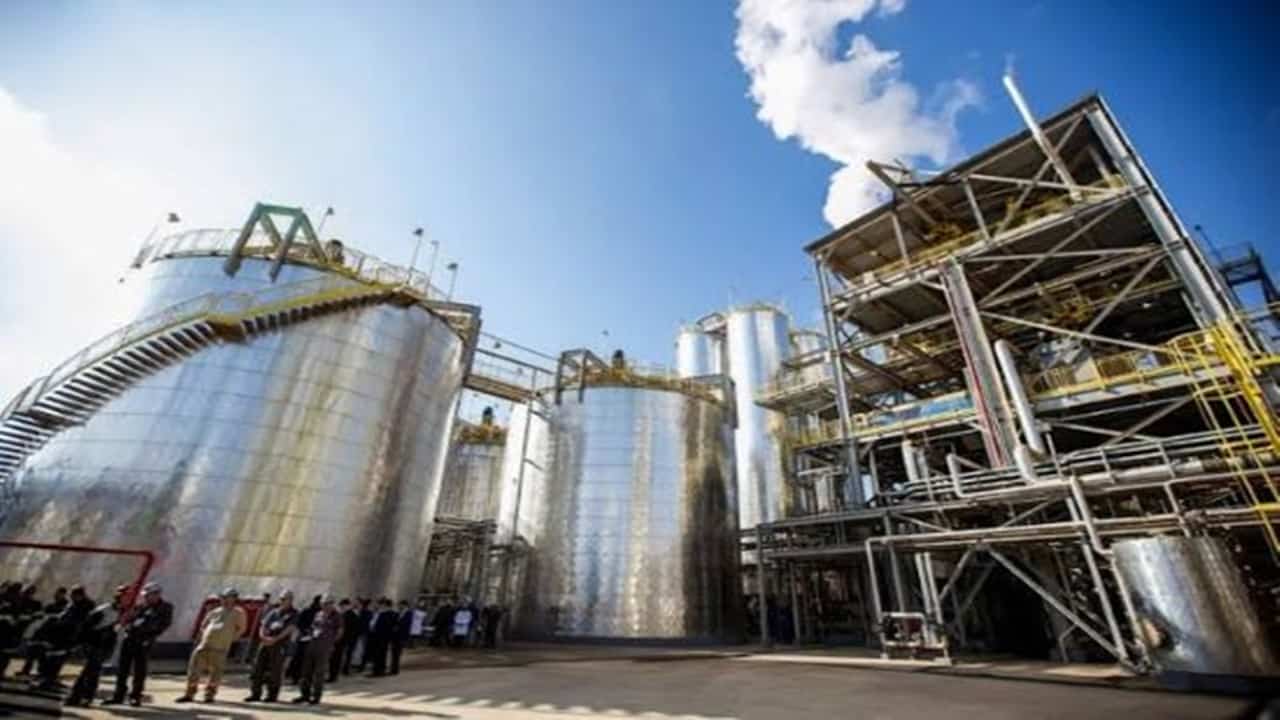
Growing Adoption of Ethanol in India Creates a Range of Business Opportunities for Brazil with the Asian Country, and the Sugar-Energy Industries in Paraíba Will Benefit.
With India’s new ethanol fuel policy, which calls for the addition of 20% of the biofuel to gasoline starting in 2023, sugarcane ethanol is increasingly positioning itself as a clean and renewable alternative for sustainable mobility, as the green fuel can reduce emissions by 90% compared to gasoline. Brazil and the Asian country have maintained friendly and constructive relations, which help to boost the sugar-energy sector, flex-fuel vehicles, and reduce pollutant emissions.
Also Read
- Job Openings Today (04/01) for Working at an Ethanol Plant
- Construction of Noemille’s New Ethanol Plant Will Generate 1,500 Job Openings in MS; Factory Promises to Process 1.2 Million Tons of Corn Annually, 550 Million Liters of Ethanol, 105 GWh of Energy, and 22,000 Tons of Oil
- Direct Sale of Ethanol from Plants Approved by the Senate Promises to Stimulate Competition and Curb Gasoline Price Increases at Fuel Stations
- Volkswagen, Bosch, Nissan, USP, and UNICAMP Study Ethanol Technology and Realize the Dream of Electric Cars Running Without a Battery
- To Ease the Burden from Rising Gas Prices, Ethanol, Diesel, and CNG, Consumers Turn to Online Kits Promising Water-Powered Cars Starting at Less than R$ 200
The Executive President of the Alcohol Industry Union of Paraíba (Sindalcool-PB), Edmundo Barbosa, was invited by Minister Bento Albuquerque of Mining and Energy to join the business delegation that would visit India this first month of the year. The main objective of the mission was to deepen discussions on cooperation between the two countries in the area of sustainable mobility, focusing on biofuels and flex-fuel vehicles. Due to the advance of the pandemic, the trip was suspended.
“The relationships between Brazilian automotive industries and Indian industries that are set to implement flex technology are becoming quite mature. We could see this at the last event that took place online in lieu of the mission that was to be held in India. There is a very determined interest in replacing fossil fuel, meaning 20% of gasoline will have ethanol added; this already has set deadlines in Indian legislation. By 2025, we will see India using 20% ethanol in gasoline, making use of its better possibility for sugarcane production and also for ethanol,” emphasized Barbosa.
-
While Russia dominates the global wheat market, Brazil emerges as an unexpected competitor in the Cerrado, offering grain available in July and August when stocks in the Northern Hemisphere are at their lowest point of the year.

-
China returned almost 20 Brazilian ships with soybeans, but now everything could change: the country that buys 80% of the grain is considering relaxing regulations after impurities held up shipments of thousands of tons and caused million-dollar losses.
-
Chinese giant worth nearly R$ 4 billion that manufactures cables for electric cars, solar energy, and robotics wants to open a factory in SC.

-
Many employers do not know, but the law guarantees domestic workers a 25% increase in salary during trips, 50% for overtime, 20% for night shifts, and 17 additional benefits that can lead to labor lawsuits if not paid.

Automotive Industry Will Opt for Ethanol to Reduce Emissions
In this scenario, the sugar-energy industries in Paraíba will benefit indirectly, as will the entire Brazilian sector. “The fact that India is starting to use more cane for ethanol production benefits the international market as a whole and increasingly urges the automotive industry to opt more securely for the use of ethanol to reduce emissions. This is the great gain of this relationship (Brazil-India), the expansion and valuing of the Brazilian sugar-energy sector in the international market,” says the leader of Sindalcool-PB.
The result of adding ethanol to gasoline is the fruit of previous missions from Brazil to India, which has been offering its expertise in ethanol production to the Asian country since 2019. Currently, India adds 10% of the biofuel to fossil fuel to reduce pollution.
India and Brazil are the largest sugar producers in the world. With greater local ethanol production, the country will have lower sugar stocks for export, thus avoiding excess supply in the global market.
There is still no forecast for a new in-person meeting between leaders and representatives of the two countries. However, Brazil and India continue to maintain an intense virtual relationship activity.
India Is Expected to Become the Third Largest Ethanol Market in the World, Behind Only the United States and Brazil by 2026.
India, with about 1.38 billion inhabitants (2020), hosts 22 of the 30 most polluted cities in the world, and the air kills more than 1 million people each year in the country.
The Indian government’s determination for increased ethanol use among automakers and biofuel companies is accelerating. There has been an increase in ethanol production – which is expected to reach 10 billion liters annually when the blending with gasoline rises to 20% – and the manufacturing of flex-fuel vehicles is set to be implemented.
According to a recent report by the International Energy Agency (IEA), the Asian country is set to become the third largest ethanol market in the world, behind only the United States and Brazil by 2026.
The growing adoption of ethanol in India creates a range of business opportunities for Brazil with the Asian country.
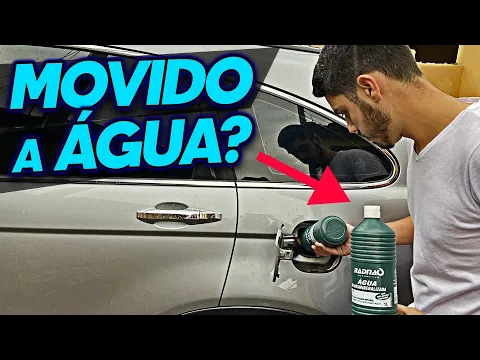
To Ease the Burden from Rising Gas Prices, Ethanol, Diesel, and CNG, Consumers Turn to Online Kits Promising Water-Powered Cars Starting at Less than R$ 200
The best thing about Brazil is the Brazilians; with skyrocketing gasoline, ethanol, diesel, and CNG prices, there are no shortage of ads for accessories promising to reduce fuel consumption in vehicles. The new online gadget promises to convert conventional combustion engine cars into “water-powered” cars, through a product known as a hydrogen kit.
The contraption being offered on social media and e-commerce sites has a starting price of less than R$ 200 but can exceed R$ 1,000, depending on the brand and configuration. But the promise remains the same: the “technology” uses electricity from the alternator to extract hydrogen from water, which is stored in a small tank. Read the full article here
Is a Water-Powered Car Possible? Watch the Video Below to Understand the Process:









Seja o primeiro a reagir!