





 English
  Francês
  Alemão
  Italiano
  Japonês
  Norueguês
  Portuguese
  Spanish
  3 min of reading


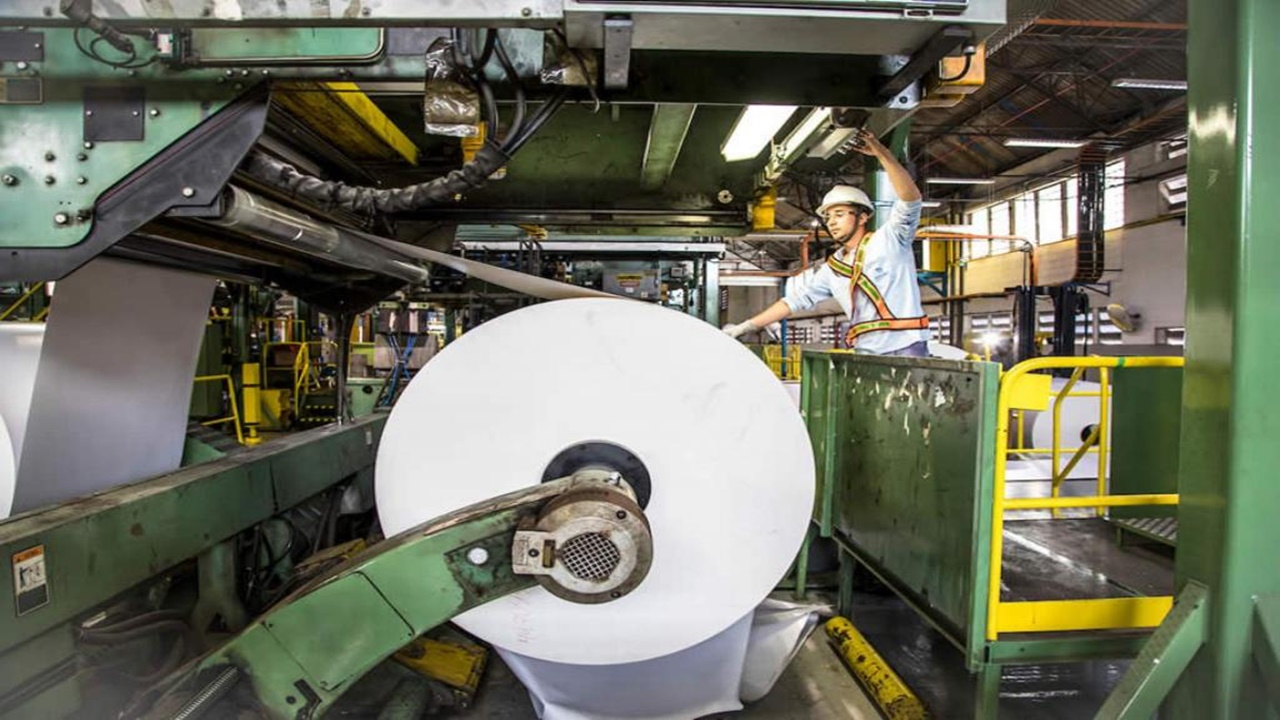
In 2020, Paraná exported about US$ 1 billion in pulp, according to a survey by the Ministry of Agriculture, Animal Husbandry and Supply (Mapa).
Brazil is the largest exporter of pulp and currently the second largest producer, trailing only the United States. Used in the manufacturing of a wide range of products, from paper to fabric, pulp supplies industries across various segments. Therefore, the preservation of the natural resources that give rise to this input is equally important.
Read Also
- Siemens wins a huge order for the construction of the GNA II Thermal Power Plant at the Port of Açu; the largest LNG complex in Latin America has investments of R$ 6 billion and will supply energy for 14 million homes
- SENAI and MEC offer more than 100 online (EAD) and free courses with certificates to train 820,000 people by 2025
- Canada is seeking labor to fill job vacancies in Technical, Engineering, Mechanical, Technology, Health and more fields
- PetroRio, the largest independent oil and gas company in Brazil, started registration for job vacancies in Rio de Janeiro yesterday (22/11); candidates without experience are invited to apply for internship opportunities
This is one of the missions of the Fiep System through the Senai Technology Institute (IST) in Pulp and Paper: to develop research and innovation projects for better utilization of lignocellulosic waste.
Pulp Can Also Be Applied in the Biofuels Industry
The Senai Institute, located in Telêmaco Borba, has been working to demonstrate the versatility of cellulose waste, which can even be applied in the biofuels industry. Since 2020, the Senai Institute in Pulp and Paper has been accredited by the National Agency of Petroleum, Natural Gas and Biofuels (ANP) and conducts research for the reuse of waste in the production of natural fuels.
-
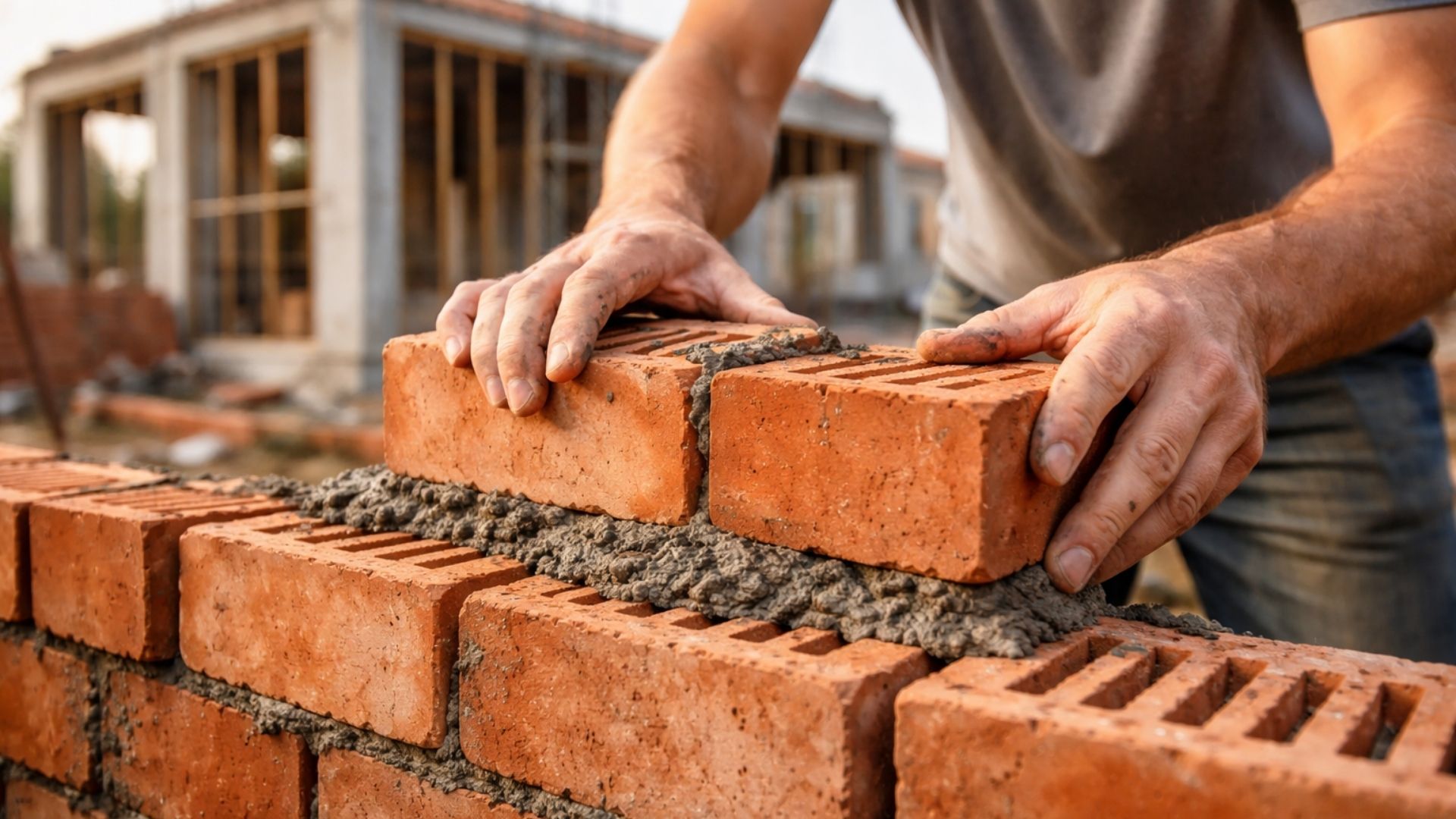
‘Interlocking brick’ made of earth arrives in the construction industry with cost reductions of up to 40% on the project.
-
Espírito Santo will receive the largest engineering project in its history with the duplication of BR 262, which will have 50 viaducts, 28 bridges, and 2-kilometer tunnels cutting through the most challenging mountainous region of the entire state.

-
A project of nearly 9 million reais already has the first kilometer paved in Santa Catarina and promises to completely transform the access between Jaraguá do Sul and Rio dos Cedros in an area where tourism is growing at a rapid pace.

-
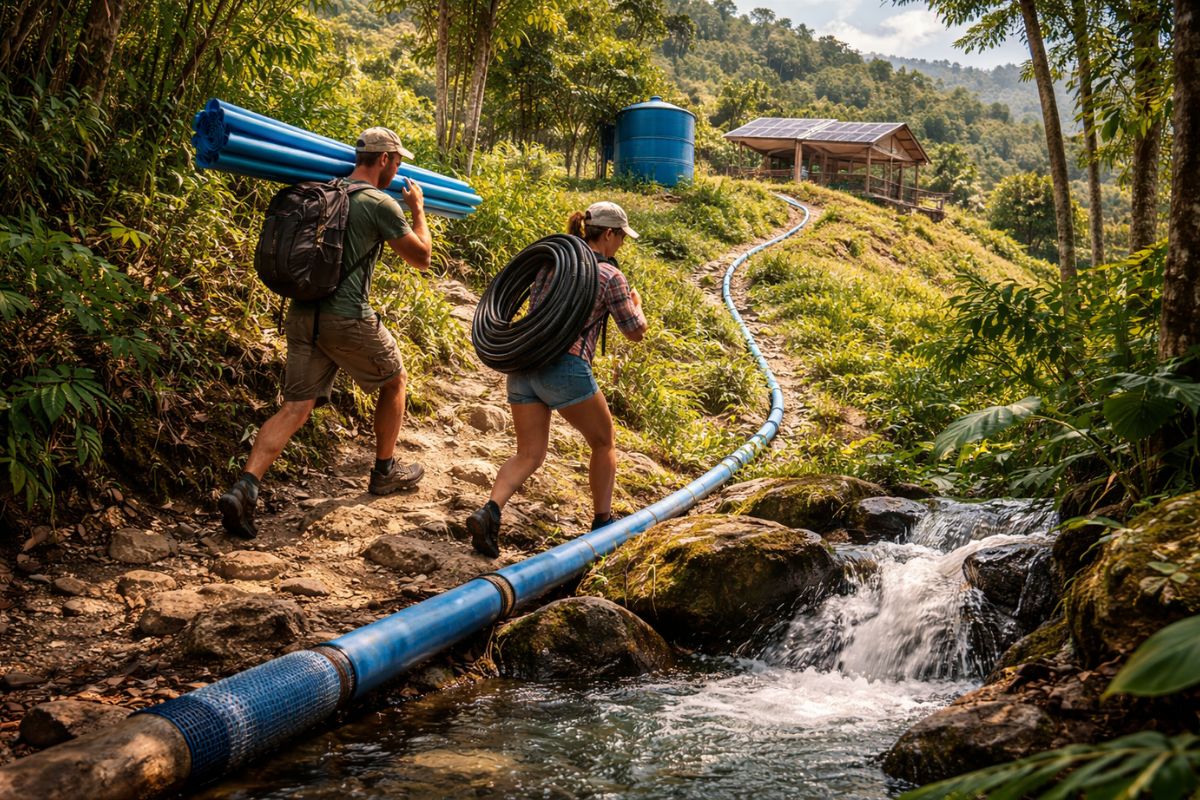
A couple builds a system to bring water from the spring to their land, climbs a hill with materials on their backs, and creates a simple, cheap, and sustainable solution to ensure their own water supply.
According to the Brazilian Association of Paper Packaging (Empapel), the packaging sector is expected to end 2021 with a growth of 4.9% compared to 2020. However, paper production faces environmental challenges – among them, the amount of water used in processes and the impact on nearby rivers in extraction forests.
Chemical Pulp Made from Cow Manure Promises to Replace Wood-Sourced Pulp in Paper Production
The Senai Institute in Pulp and Paper developed, in 2020, a chemical pulp made from cow manure in partnership with BBA, a construction company. This pulp can replace wood-sourced pulp in paper production. “We became the first company in the world to produce pulp on an industrial scale for paper production using bovine waste,” says Alexandre Guedes, owner of BBA.
The organic waste from dairy production in Castro was the starting point for the solution: “After some tests, we realized that we could extract a significant amount of fiber from this manure and decided to seek Senai to enable the transformation of this fiber into pulp,” adds Alexandre.








Seja o primeiro a reagir!