





 Portuguese
  English
  Spanish
  5 min of reading
  0 comments


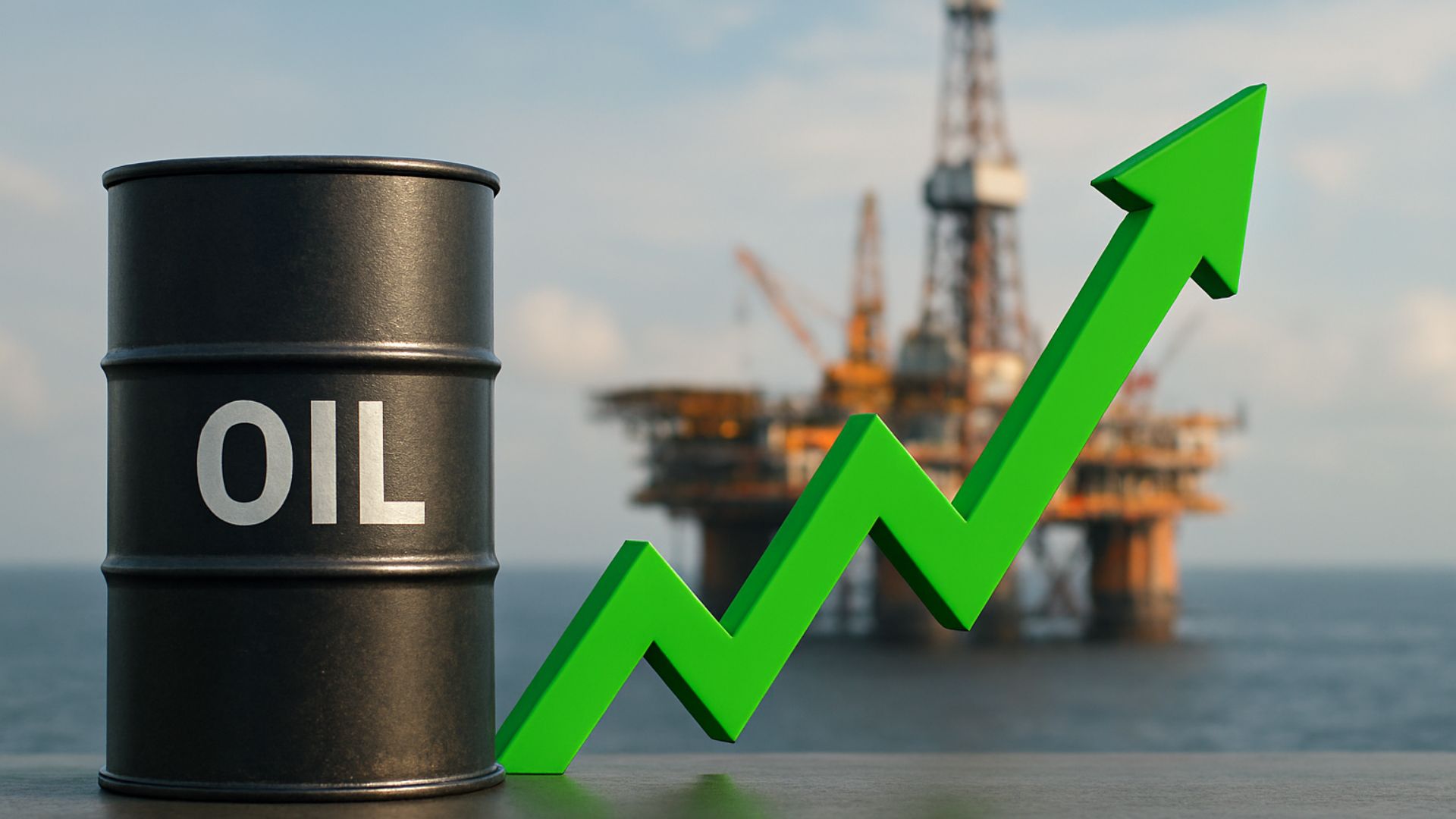
MME And EPE Study Indicates That Brazil Is On Track To Increase Oil Production Efficiently, Achieve Record Levels By 2035, And Reduce Emissions, Strengthening Energy Competitiveness
A new study conducted by the Ministry of Mines and Energy (MME) and the Energy Research Company (EPE) shows that Brazil is positioned to achieve a record oil and natural gas production by 2035, maintaining competitiveness and reducing emissions throughout the process. The projections, detailed in the “Petroleum and Natural Gas Production Notebook of the PDE 2035,” highlight that the country could achieve historic production levels, driven by the advancement of the pre-salt layer and the use of lower carbon intensity technologies.
Brazil Advances In Oil Production With Robust Projections For 2035
The document confirms that the country has the potential to consistently expand its productive capacity, combining economic development and environmental responsibility, factors that are increasingly valued in the global energy landscape. In this way, the study reinforces the strategic relevance of the sector and its role in the future of energy transition.
Official projections indicate that oil production could reach approximately 4.9 million barrels per day by 2035, peaking at 5.1 million barrels per day in 2032. These figures represent a 44% increase compared to the current level.
-
Brazilian giant expands borders in the Southeast: Petrobras confirms new oil discovery in ultra-deep waters in the pre-salt of the Campos Basin.
-
Alert in the global energy market: Severe tropical cyclone hits the coast and disrupts gas production at major plants in Australia, threatening global supply.
-
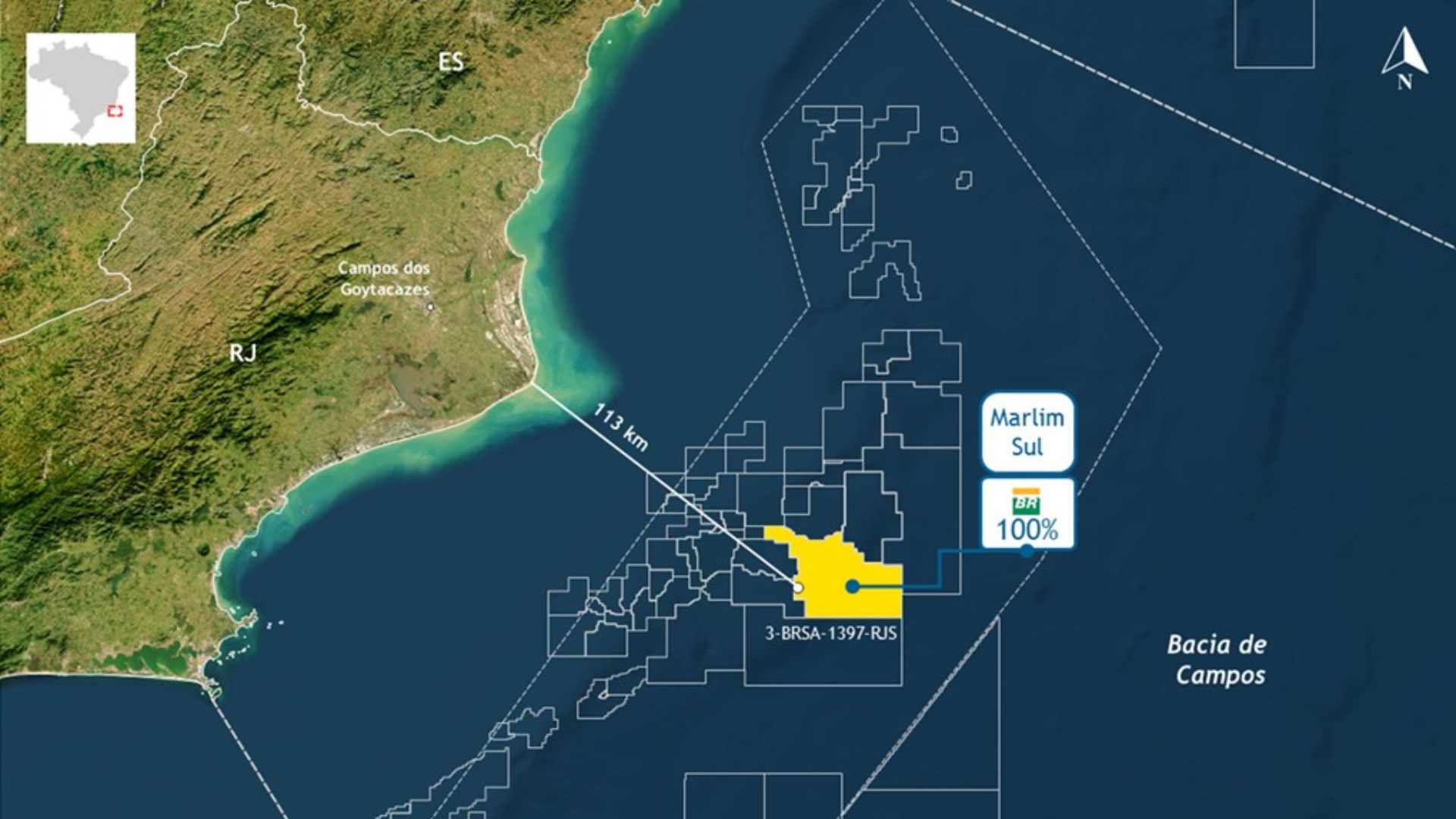
Petrobras finds high-quality oil in the pre-salt at 113 km from RJ and reignites expectations about strategic reserves in the Campos Basin.

-
Ocyan opens registrations for startups focused on innovation in the oil and gas sector and will select projects for Innovation Day with the support of Nexio.


According to the study, around 76% of national production will come from the pre-salt layer by 2035. This percentage highlights the maturity of the region and its international competitiveness, reflected in the high productivity of wells and the stability of projects in operation.
In addition, the report emphasizes that 92% of the estimated production for 2035 comes from already discovered reserves, which reduces the risks associated with exploring new areas and strengthens predictability for investors. This feature makes the Brazilian scenario even more attractive for long-term investments.
Another relevant point is that the Búzios field, one of the most productive in the country, could have six new production units by 2030. This could enable it to reach 1.7 million barrels per day, solidifying its position as one of the largest offshore projects in the world.
Natural Gas Gains Protagonism In The Expansion Of The Energy Sector
The production of natural gas also shows positive prospects. The study projects that gross production may reach 299 million m³ per day by 2035, peaking at 309 million m³ per day in 2033. In practice, this would mean a significant increase, nearly doubling current capacity.
When considering the net volume — after accounting for own consumption, reinjection and losses — the projection reaches 127 million m³ per day, with growth exceeding 150% over the period. This advancement reinforces the opportunity to increase the use of natural gas as a transition fuel, particularly in industrial sectors and electricity generation.
The expansion of evacuation routes and processing units will be essential to fully harness the productive potential. In addition, gas associated with the pre-salt stands out for its high availability, contributing to greater energy security.
Competitiveness And Reduced Emissions: Brazil’s Differentiator In The Energy Transition
In addition to production expansion, the “Petroleum and Natural Gas Production Notebook of the PDE 2035” emphasizes the importance of reducing specific emissions. The projections indicate values close to 14 kg of CO₂ equivalent per barrel of oil equivalent (CO₂eq/boe) — a level considered competitive in the international scenario.
This result occurs due to factors such as:
- High productivity of pre-salt fields;
- Modernization of technologies used in production;
- Lower gas flaring rates;
- More efficient operational processes.
Brazil is able to combine high production with lower carbon intensity, making its supply more attractive and aligned with global environmental requirements. This differentiator will be increasingly relevant in the search for buyer markets and in long-term contracts.
Diversified Regulatory Structure To Support Oil Production
Another important point of the study is that production growth will not be concentrated in just one regulatory regime. The estimate for 2035 indicates that:
- The concession regime will account for about half of production;
- Production-sharing contracts will correspond to nearly 40%;
- The onerous assignment will represent just over 10%.
This balance between different regulatory models favors the business environment, provides greater legal security and attracts various profiles of investors. Thus, the sector remains dynamic and prepared for market fluctuations.
In addition, the study reinforces that the planned investments in new production, evacuation, and processing systems will be decisive in sustaining the projected growth. These investments will allow for better utilization of associated natural gas, increase oil exports, and strengthen logistical infrastructure.
Challenges That May Influence The Goals By 2035
Although the outlook is positive, some challenges need to be considered, as they may affect Brazil’s ability to achieve the record oil production projected by MME and EPE. Among the main factors are:
- Global Energy Transition: many countries are accelerating decarbonization policies, which may reduce demand for fossil fuels in the long term.
- Volatility of International Prices: fluctuations in barrel value directly interfere with investment planning.
- Limited Infrastructure: it will be necessary to expand evacuation routes, processing units, and logistical systems.
- Increased Environmental Regulations: even with low specific emissions, production expansion will require greater environmental control and additional technologies.
Despite these challenges, the study reinforces that the forecasts are consistent and based on solid data. The country has real conditions to grow safely and competitively, as long as it maintains the pace of investments and strategic planning.
Impact For Brazil And Opportunities For The Energy Sector
The advancement projected by MME and EPE represents a strategic movement for Brazil, capable of strengthening the economy, increasing exports, and generating skilled jobs. The consolidation of the pre-salt layer as the main national energy asset reinforces the long-term stability of the sector.
The investments planned until 2035 should also stimulate new technologies, international partnerships, and innovation in areas such as automation, carbon capture, digitalization of operations, and energy efficiency. Additionally, the expansion of natural gas opens doors for industrial modernization and cost reduction for various productive sectors.
By combining growing production, already discovered resources, and reduced emissions, the country stands out as one of the most competitive producers in the world.
Strategic Relevance Of The Study On Oil Production
The study released on December 3, 2025, confirms that Brazil is prepared to achieve an even more relevant position in the global energy market.
The projection of record oil and natural gas production by 2035, combined with the commitment to lower emissions, shows that the country is following a balanced path between economic development and environmental responsibility.
The outlook is promising and places Brazil among the leaders of the global industry, with significant opportunities in energy, investments, and innovation in the coming decade.








Seja o primeiro a reagir!