





 English
  Francês
  Alemão
  Italiano
  Japonês
  Norueguês
  Portuguese
  Spanish
  3 min of reading


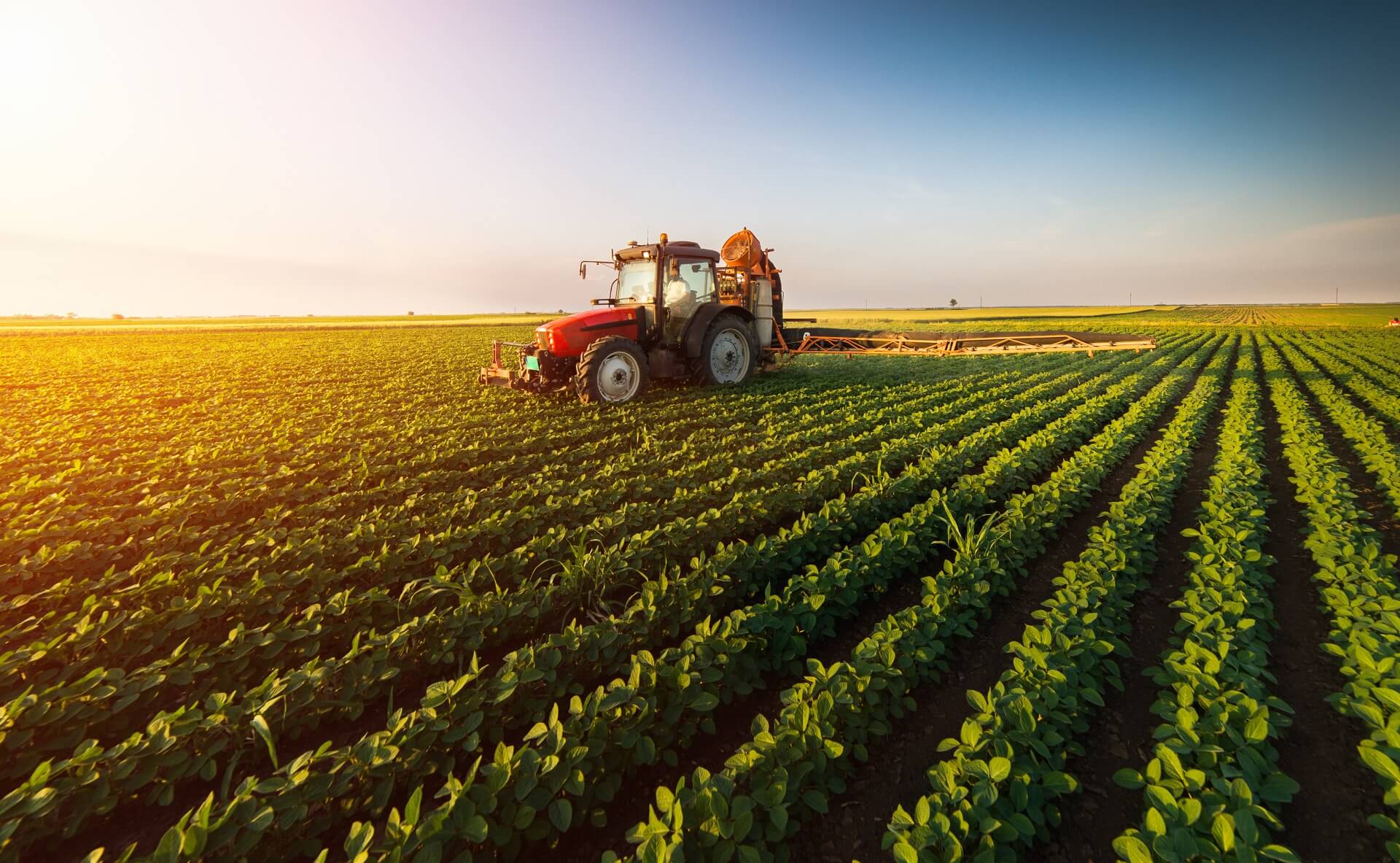
President Jair Bolsonaro Has Maintained a Neutral Position Regarding the War Between Ukraine and Russia Due to Brazil’s Dependence on Fertilizers from Russia.
There has been much demand for a position from the head of the Executive regarding the war involving Ukraine and Russia; however, the neutral stance occurs because of the business relationship Brazil has with Russia, responsible for 23% of the inputs used by Brazilian farmers to increase soil productivity. On Thursday (03), Agriculture Minister Tereza Cristina announced a program that could eliminate the dependence on fertilizers from the European country currently invading Ukrainian territory.
See Also
- Multinational ExxonMobil, the Largest Oil Company in the US, Halts Billion-Dollar Operations and Cancels New Investments in Russia
- Narrowing Ties with Russia in the Nuclear Energy Segment, Brazil Could Gain Promising Small Modular Reactor Projects
The announcement of the national fertilizer plan by the Government occurred during a live broadcast by President Jair Bolsonaro on social media. After all, the issue of importing the product could not be left unaddressed at this time.


The fertilizers imported from Russia, especially nitrogen, phosphorus, and potassium, are heavily used in Brazil’s agricultural sector. About 80% of these products come from Russia and Belarus.
-
While Russia dominates the global wheat market, Brazil emerges as an unexpected competitor in the Cerrado, offering grain available in July and August when stocks in the Northern Hemisphere are at their lowest point of the year.

-
China returned almost 20 Brazilian ships with soybeans, but now everything could change: the country that buys 80% of the grain is considering relaxing regulations after impurities held up shipments of thousands of tons and caused million-dollar losses.
-
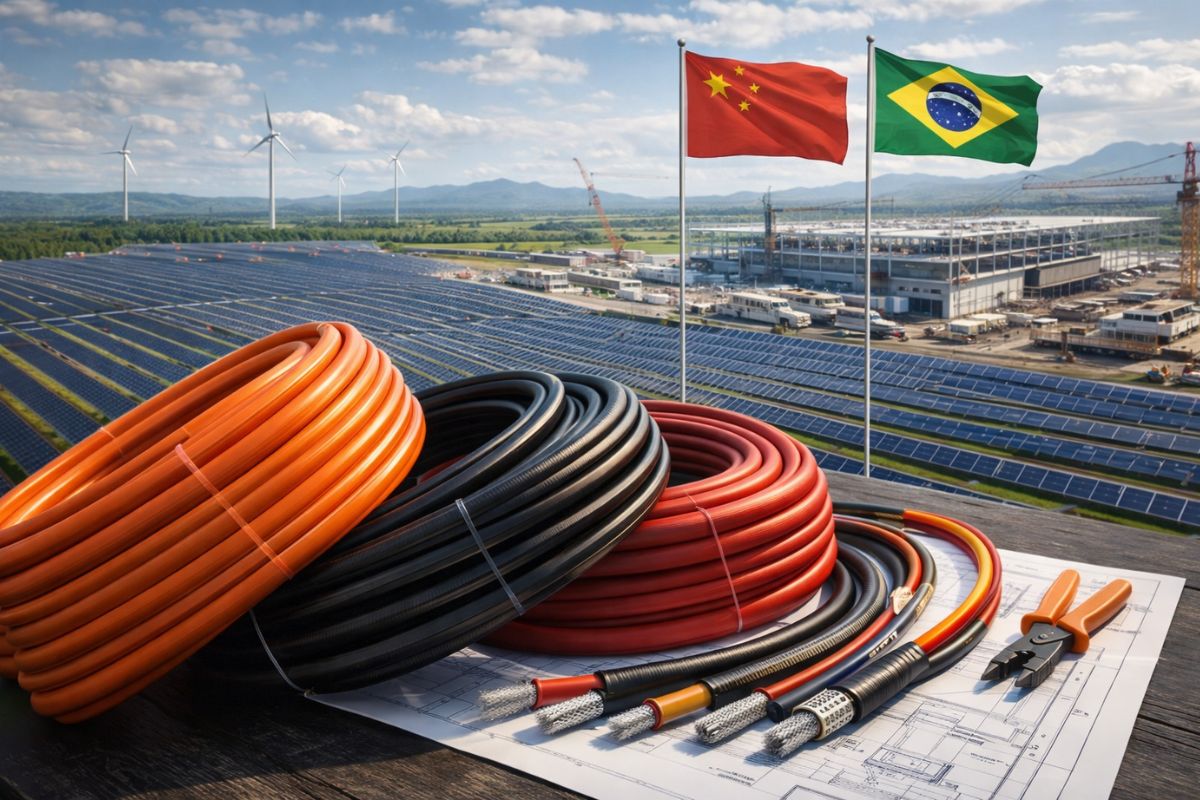
Chinese giant worth nearly R$ 4 billion that manufactures cables for electric cars, solar energy, and robotics wants to open a factory in SC.
-
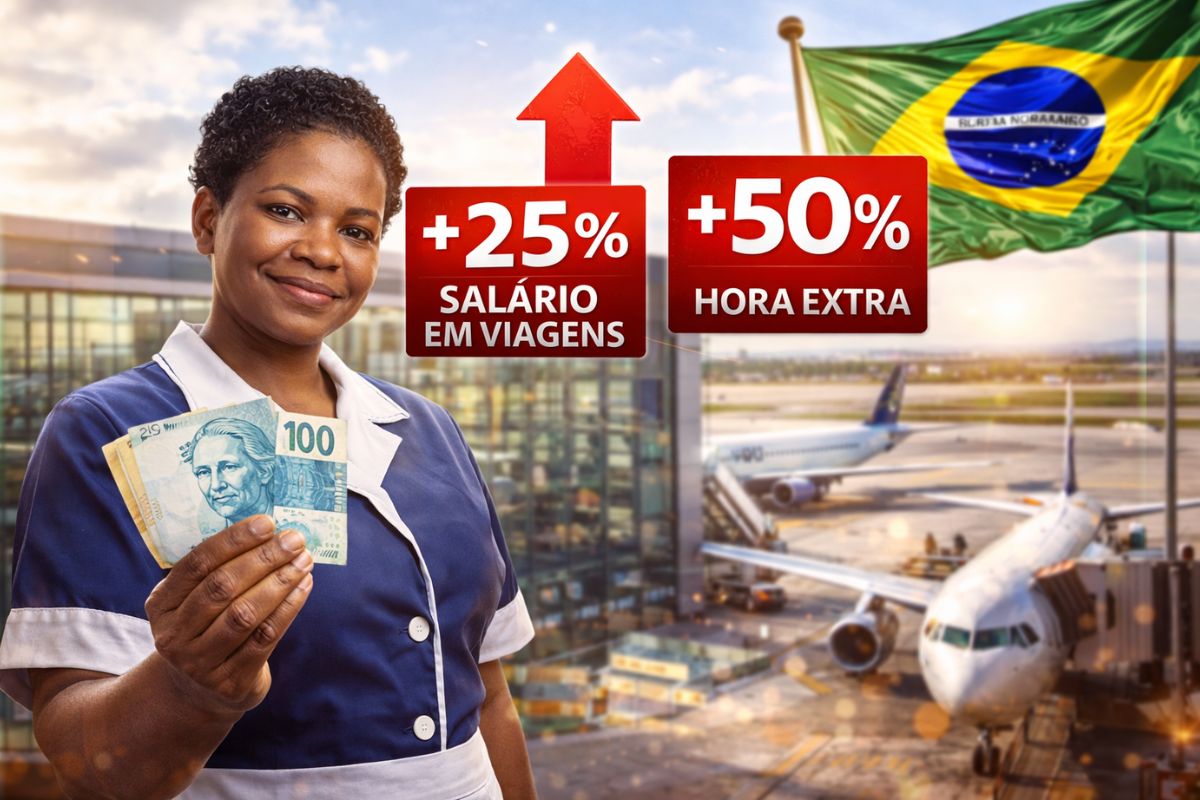
Many employers do not know, but the law guarantees domestic workers a 25% increase in salary during trips, 50% for overtime, 20% for night shifts, and 17 additional benefits that can lead to labor lawsuits if not paid.
However, the current state of war in Eastern Europe has generated economic sanctions applied against Russians and Belarusians. And this has made it difficult for the government to bring fertilizers into Brazil.
Tereza Cristina’s promise is that the national fertilizer plan will be presented in a ceremony at the Palácio do Planalto by the end of March. According to her, the program is already ready.
“Brazil, in the past, did not create a national program for its own fertilizer production. We made a wrong choice back then to keep importing nitrogen, phosphorus, and potassium”, Tereza Cristina remarked while emphasizing the fertilizer program.
In total, Brazil imports over 80% of the fertilizers used in agricultural production. According to Itaú BBA bank, of that total, 20% are nitrogenous, 28% are potash, and 15% are phosphate.
War Has No Date to End. Does Brazil Still Have Enough Fertilizers?
Agriculture Minister Tereza Cristina states that the stock of fertilizers is guaranteed until October, even with the current state of war involving Russia, the main supplier of inputs.
The second corn crop is already in production. However, by the end of September and October, the summer harvest period arrives. And this indeed raises concern. “What was needed in terms of fertilizer has already arrived; it is with the rural producer. The summer harvest is a concern,” Tereza said at a press conference on Wednesday (02).
Amid this global crisis, the minister must negotiate fertilizers with Canadians. The impact on the final consumer will depend on the duration of the war in Eastern Europe. Without these products, food prices could skyrocket… if the ongoing inflation wasn’t already sufficient.
Sale of the Fertilizer Factory in MS Could Hinder Petrobras’ Plans?
The Petrobras sold its Nitrogen Fertilizer Unit (UFN3), located in Três Corações, Mato Grosso do Sul, to the Russian business group Acron. Bolsonaro’s expectation is that the negotiation will be finalized by mid-year. However, with a war ongoing involving Russia, there is uncertainty about whether the sale will actually go through.
The fertilizer factory was shut down in December 2014. In February 2017, Petrobras announced the sale of the unit as part of a plan to address the financial losses that have now totaled about R$ 3.8 billion. At the time, there was also the claim that Petrobras no longer had an interest in the fertilizer sector.





Seja o primeiro a reagir!