





 Português
  Inglês
  Espanhol
  5 min de leitura
  0 comentários


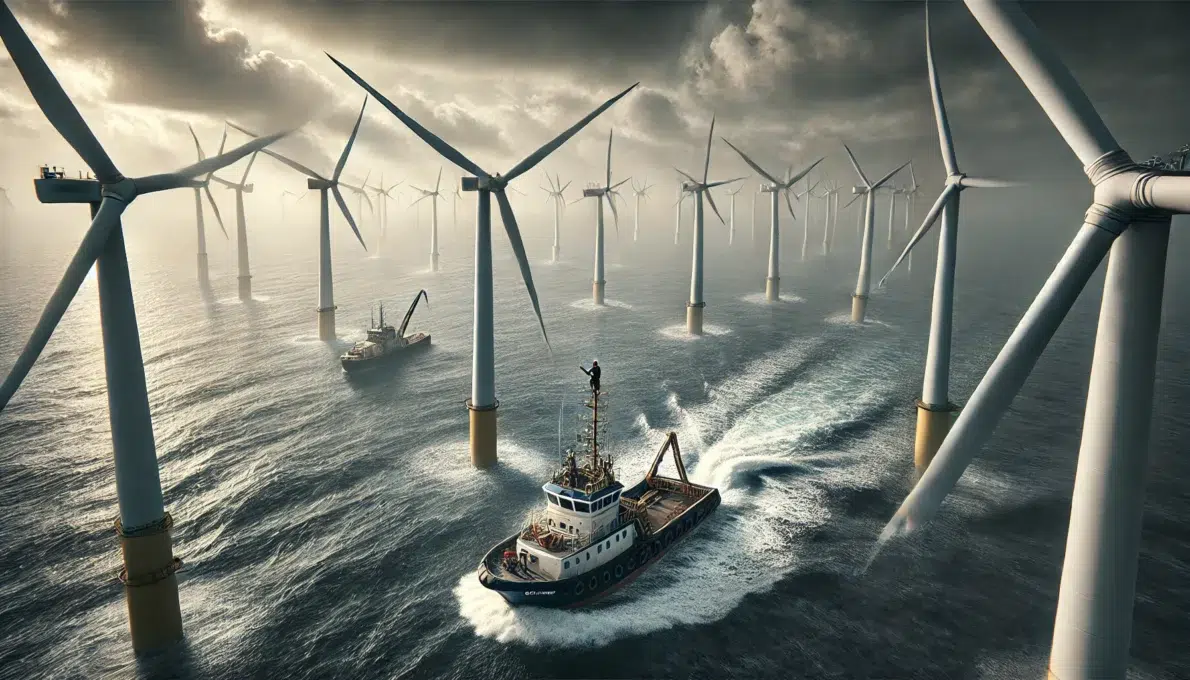
Offshore Wind Energy Is About to Trigger a Revolution in the Brazilian Energy Sector. Despite Cost and Infrastructure Challenges, Installing Wind Turbines at Sea May Be the Key to a Sustainable Future and Ensuring Energy Supply Even in Times of Water Crisis.
Offshore wind energy is emerging as one of the most promising alternatives for expanding clean energy generation in Brazil. The country, known for its immense renewable energy potential, can leverage the vast expanse of its coastline to implement this innovative and sustainable technology.
Despite the high initial costs, offshore wind energy offers long-term benefits that justify the investment. With over 339 thousand square kilometers of coastal areas available for turbine installation, this form of energy generation has the capacity to meet a substantial portion of the country’s energy demand, diversifying the energy mix and reducing dependence on hydroelectric power.


The Great Potential of Offshore Wind Energy in Brazil
According to a study conducted by the World Bank, in partnership with the Energy Research Company (EPE), the potential for offshore wind energy generation in Brazil could reach an impressive 1.2 thousand gigawatts (GW). This amount of energy would be sufficient to meet the country’s growing needs and also provide a viable alternative during periods of water scarcity, which has become a recurring concern in the last decade.
-
Renewable energy advances over protected areas in Brazil, and a survey by the Energy Transition Observatory reveals silent impacts that challenge environmental conservation and pressure sensitive traditional territories.

-
Rio Grande do Sul accelerates energy transition: State invests in renewable technologies and consolidates decarbonization strategies and pathways to attract billions in new industrial investments.

-
With 160,000 m² of collectors, an area larger than 20 football fields, Silkeborg, in Denmark, hosts a solar thermal plant that heats 19,500 homes and could become the largest solar heating plant in the world.

-
A study reveals the expansion of renewable energy procurement in Brazil and shows how companies are taking advantage of opportunities to reduce expenses, ensure energy efficiency, and strengthen strategic environmental commitments.


Growth Scenarios for Offshore Wind Energy by 2050
The study projected three possible growth scenarios for offshore wind energy in Brazil by 2050:
- Basic Scenario: Addition of 16 GW to installed capacity.
- Intermediate Scenario: Increase of 40 GW.
- Ambitious Scenario: Expansion to 96 GW, representing up to 19% of the national energy matrix.
These projections indicate that in the most optimistic scenario, offshore wind energy could play a fundamental role in Brazil’s energy security. With the increase in installed capacity, it would be possible to reduce dependence on sources like hydroelectric power, which is highly susceptible to drought periods, and complement production with a less variable energy source.
How Offshore Wind Energy Can Prevent Water Crises
The severe droughts Brazil has faced in recent years have highlighted the vulnerability of the national energy system, which heavily relies on hydroelectric power. The variability of hydropower generation makes the country susceptible to crises when rainfall is insufficient to supply reservoirs.
This is where offshore wind energy emerges as a strategic solution. According to the World Bank study, the annual variability of energy generated by offshore turbines would be significantly lower than that of hydropower. This means that, unlike hydroelectric plants, offshore wind energy generation does not directly depend on local weather conditions, such as rainfall patterns, thereby offering a kind of “safety net” for the energy sector.
If the technology had been implemented in previous years, Brazil would have been able to generate enough electricity to compensate for the loss of hydropower production during drought periods.
The Importance of Diversifying the Energy Matrix
The diversification of the Brazilian energy matrix is one of the priorities to ensure the country’s energy security in the coming decades. Offshore wind energy, in addition to being a clean and renewable source, is crucial for balancing Brazil’s dependence on seasonal energy sources, such as hydroelectric power.
The Cost of Offshore Wind Energy in Brazil: Barriers and Solutions
Although the potential of offshore wind energy is clear, its development in Brazil still faces considerable barriers, especially regarding implementation costs. Currently, the generation price of each megawatt-hour (MWh) for offshore wind is around R$ 344, a still high amount compared to other energy sources.
Cost Reduction and Economic Viability
However, as the technology becomes more widespread and accessible, the cost per MWh could fall to R$ 215, making offshore wind energy more competitive in the Brazilian market. This price drop will be essential for Brazil to achieve the more ambitious expansion scenarios by 2050.
For this to happen, it will be necessary to attract investments from both the public and private sectors. The National Bank for Economic and Social Development (BNDES) will be key in financing offshore wind energy projects, offering credit lines and financial support to companies interested in investing in this strategic sector.
Infrastructure Needed for the Development of Offshore Wind Energy
The infrastructure necessary for the implementation of offshore wind farms is complex and involves various factors, such as:
- Environmental impact studies, especially in ecologically sensitive areas, such as Ecologically Significant Areas (EBSA).
- Maritime and port infrastructure for the construction, transportation, and installation of turbines at sea.
- Maritime traffic planning and the various economic uses of the sea, such as fishing and tourism.
These elements are essential to ensure that the installation of offshore wind turbines is carried out safely and sustainably, without compromising marine biodiversity and other economic sectors that depend on the sea.
Job Creation and Economic Opportunities with Offshore Wind
In addition to environmental benefits and the diversification of the energy matrix, the development of offshore wind energy in Brazil can also have a significant impact on the economy, especially in terms of job creation and investments.
Job Creation Estimate
Studies indicate that the implementation of offshore wind energy could generate up to 500 thousand direct and indirect jobs by 2050, particularly in construction, operation, and maintenance of wind farms. These jobs will be concentrated mainly in coastal regions, bringing economic benefits to various localities in Brazil.
Billion-Dollar Investments in the Sector
In addition to job creation, the offshore wind energy sector will also attract billion-dollar investments. It is estimated that approximately US$ 168 billion will be needed by 2050 for Brazil to harness the full potential of its coastline for energy generation. These investments may come from both domestic companies and multinational corporations interested in expanding their operations in renewable energies in Brazil.
The Role of Legislation in Expanding Offshore Wind Energy in Brazil
Another critical factor for the development of offshore wind energy in Brazil is the regulatory framework. Currently, energy auctions adopt a policy of technological neutrality, which fails to favor more expensive technologies, such as offshore wind. To accelerate the implementation of this technology, it will be necessary to create a specific approach for offshore energy auctions, ensuring more favorable conditions for its competitiveness.
The bill to regulate offshore wind energy in Brazil was scheduled to be reviewed by the Senate last month, a significant step toward creating legal security and attracting new investors.
Offshore wind energy represents a unique opportunity for Brazil. With an enormous potential for generating clean energy, it can not only diversify the national energy matrix but also provide a long-term solution to the water crises affecting the country. However, for this revolution to occur, it will be necessary to overcome challenges related to implementation costs, infrastructure, and regulation.
If well planned and executed, offshore wind energy can transform Brazil into a global leader in renewable energies, promoting economic development and energy security in a sustainable manner.










Seja o primeiro a reagir!