





 Portuguese
  English
  Spanish
  2 min of reading
  0 comments


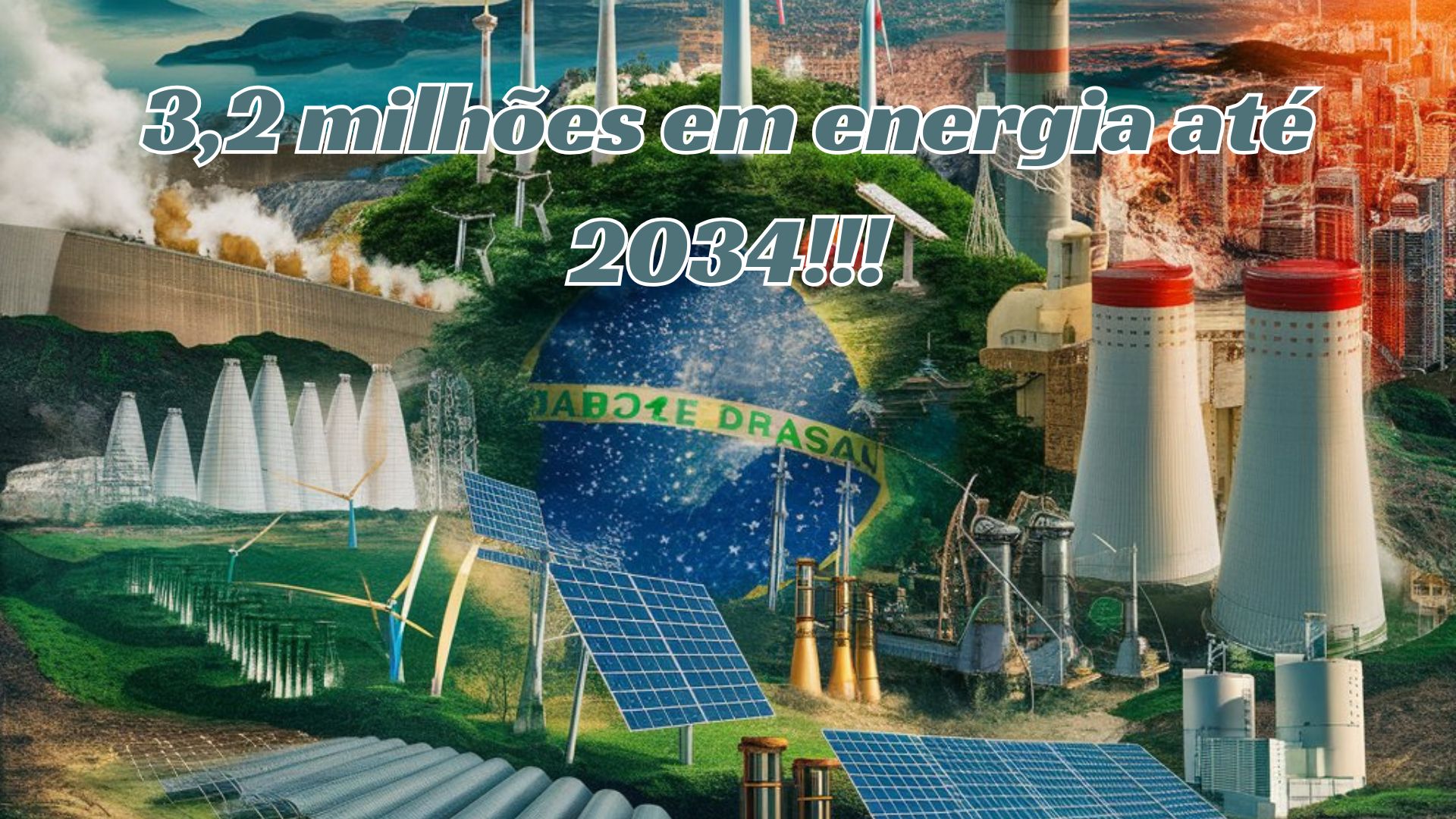
According to estimates from the Ministry of Mines and Energy (MME) in collaboration with the Energy Research Company (EPE), the energy sector in Brazil could, by 2034, attract investments near R$ 3.2 trillion.
With these investments, it is expected not only to strengthen the energy infrastructure but also to promote a significant diversification of the country’s energy matrix, expanding clean and renewable sources.
Oil and Gas Industry: Main Recipient of Investments
To begin with, it is relevant to highlight that, from this significant amount, more than 78% will be allocated to the oil and natural gas industry. Thus, the sector is expected to receive approximately R$ 2.5 trillion, consolidating itself as the central pillar of the country’s energy economy, thereby ensuring supply security and contributing significantly to national economic stability.
Resources for Electric Sources and Biofuels
In addition to oil and gas, about 18.7% of the investments, or approximately R$ 600 billion, is expected to support the expansion of electric sources. Therefore, the electric sector is preparing to strengthen energy generation and transmission. Similarly, the liquid biofuels sector, responsible for 3% of the total, is expected to raise up to R$ 102 billion, promoting a gradual transition to cleaner sources.
-
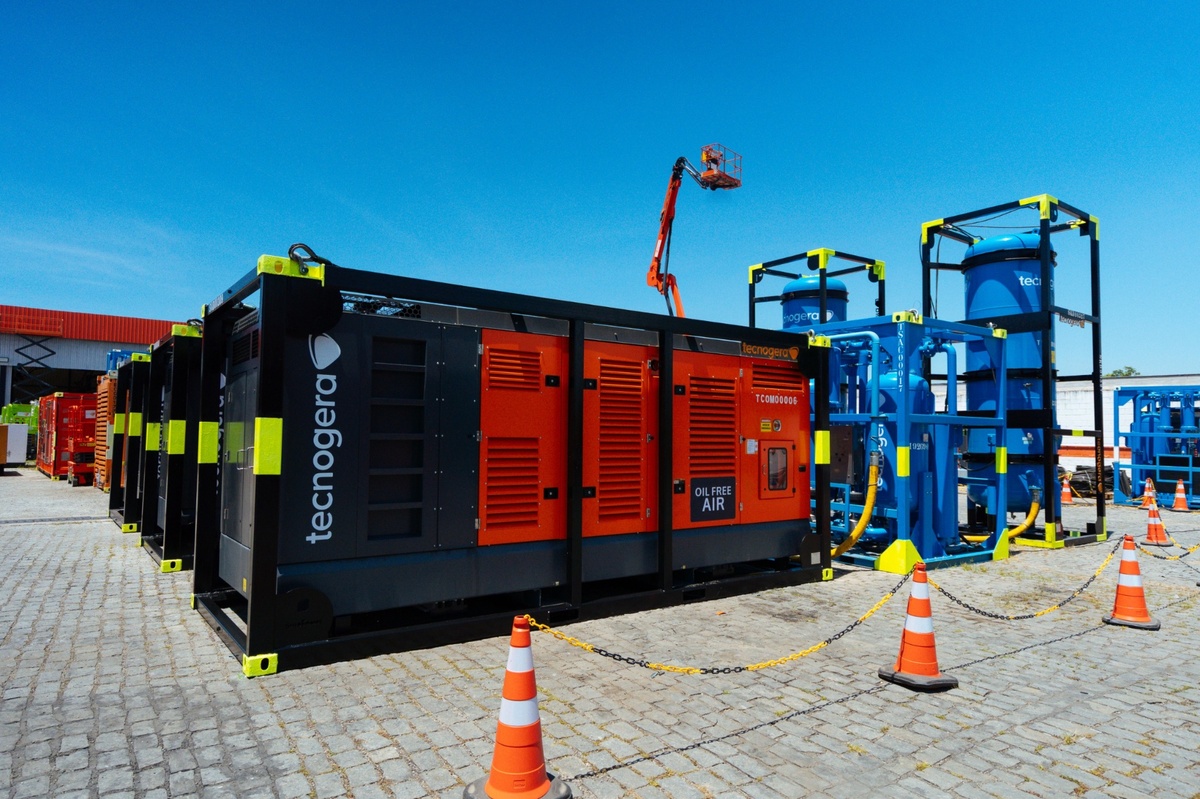
Offshore industrial demand in Macaé skyrockets with the recovery of oil and gas and could grow by up to 396% by 2026 in the Campos Basin.
-
Offshore industrial demand in Macaé surges with the recovery of oil and gas and could grow by up to 396% by 2026 in the Campos Basin.
-
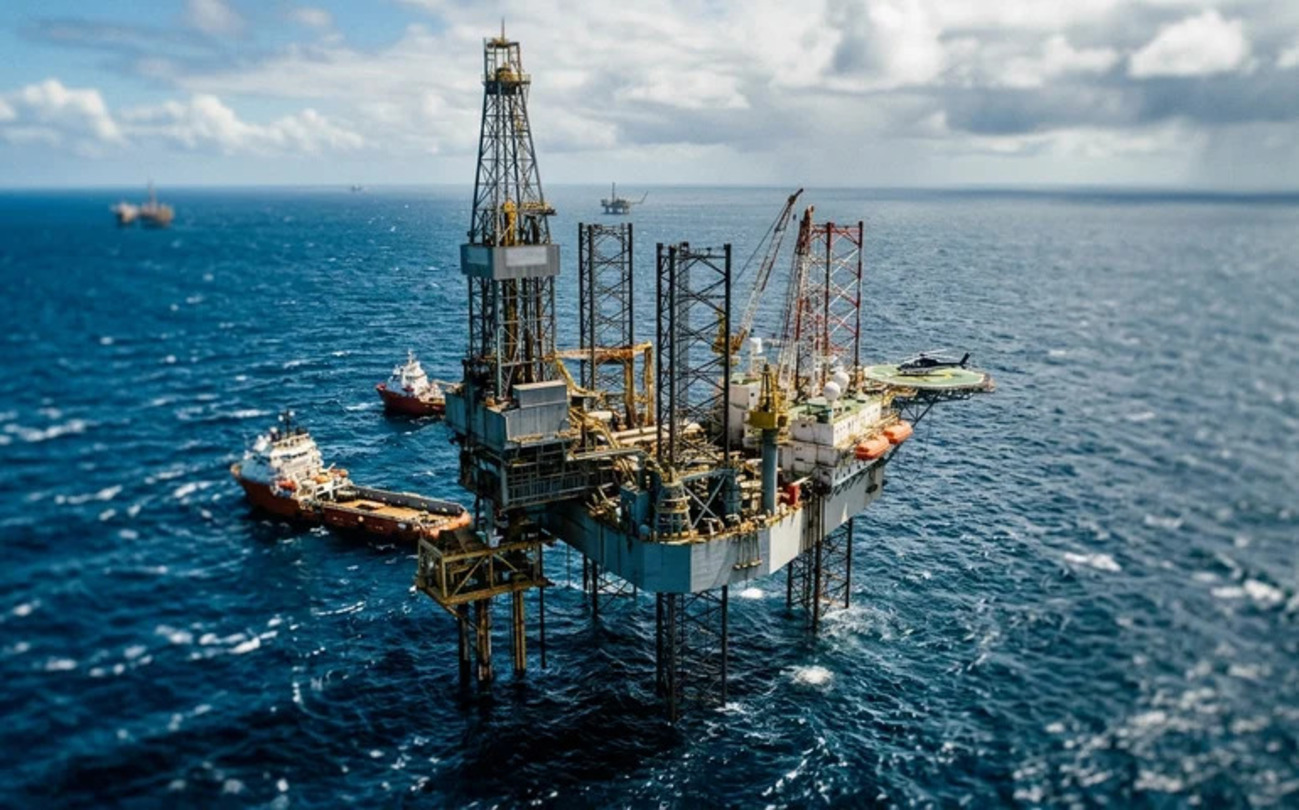
Brazilian giant expands borders in the Southeast: Petrobras confirms new oil discovery in ultra-deep waters in the pre-salt of the Campos Basin.
-
Alert in the global energy market: Severe tropical cyclone hits the coast and disrupts gas production at major plants in Australia, threatening global supply.

Growth of Energy Supply
Consequently, this massive investment is expected to provide an annual increase of 3.3% in energy supply. Thus, it is estimated that, by 2034, national energy production will reach 1,045 TWh (terawatt-hours). However, even with this progress, per capita energy supply is expected to remain below the global average, reinforcing the importance of optimizing usage and expanding access.
Diversification of the Energy Matrix
Another central point of this projection is the diversification of the Brazilian energy matrix. Although hydroelectric energy currently accounts for 55.8% of the supply, it is expected that, by 2034, this share will decrease to 46.7%. Thus, room is being created for other renewable sources, which will contribute to a more varied and sustainable matrix.
Growth Potential for Wind and Solar
Thus, it is expected that wind energy will increase from 15% in 2024 to 17.2% by 2034, while solar energy is expected to expand from 3.4% to 5.8% during the same period. This way, the national matrix will become less dependent on fossil sources, ensuring a cleaner and more diversified energy scenario.










Seja o primeiro a reagir!