





 Portuguese
  English
  Spanish
  4 min of reading
  0 comments


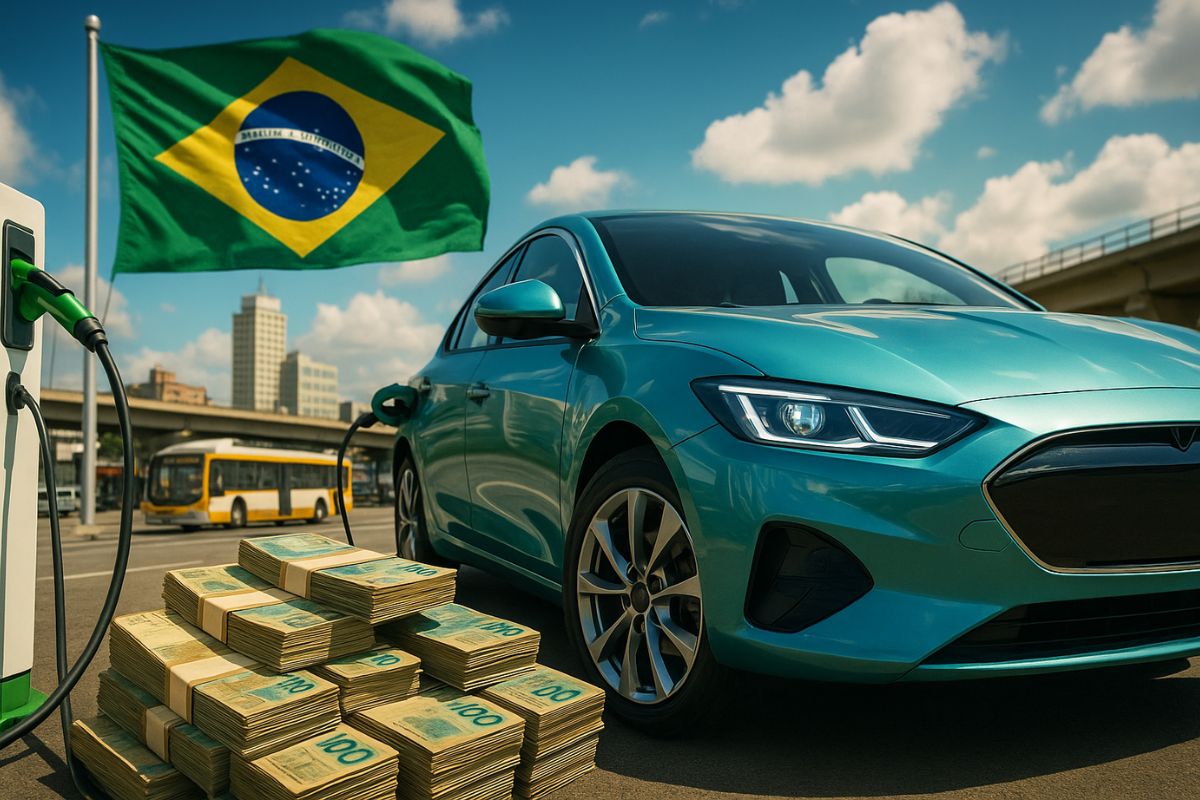
With A Clean Energy Matrix And An Industry In Transformation, Brazil Emerges As A Candidate To Become A Global Hub For Electric Cars By 2030, With The Potential To Generate R$ 200 Billion Annually And 400 Thousand Green Jobs By 2050.
Brazil Can Become A Global Hub For Electric Cars By The End Of The Decade. The Country, Which Is Already The Largest Automotive Market In Latin America And The Sixth Largest In The World, Has Unique Conditions To Lead Vehicle Electrification In The Region. Studies Indicate That The Sector Could Generate R$ 200 Billion Per Year And Create 400 Thousand Green Jobs By 2050, In Areas Such As Battery Production, Embedded Software, And Charging Infrastructure.
According To The oGlobo Portal, This Scenario Is Driven By Two Main Factors: A Predominantly Clean Energy Matrix, With Over 80% Of Generation Coming From Renewable Sources, And The Advancement Of Automakers That Are Already Investing In Electrification. Scania, BYD, Renault, And GWM Are Among The Manufacturers Accelerating Local Production Plans, Transforming The Country Into A Favorable Environment For The Development Of The Electric And Hybrid Vehicle Industry.
The Energy Advantage And The Industrial Leap
One Of Brazil’s Strategic Differentials Is That, Unlike Other Economies, Electricity Is Not An Environmental Villain.
-
Costing R$ 16,000, the new Yamaha features a 125 cc hybrid engine with electric assistance, delivers 8.3 hp, includes ABS, optimized fuel consumption, Y-Connect connectivity, 25 liters of storage space, and a surprising 4-year warranty in the urban segment.

-
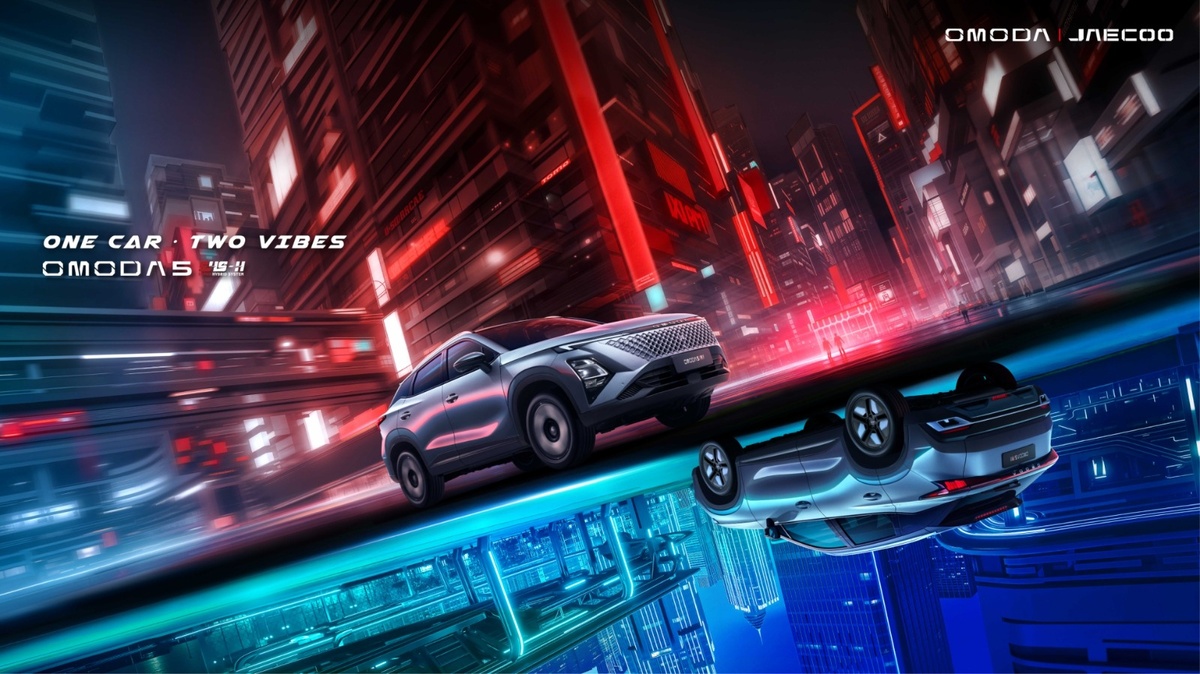
OMODA & JAECOO grows in Europe in 2026 with an integrated strategy of sales, innovation, local production, and technological advancement in the United Kingdom, Italy, and Spain.
-
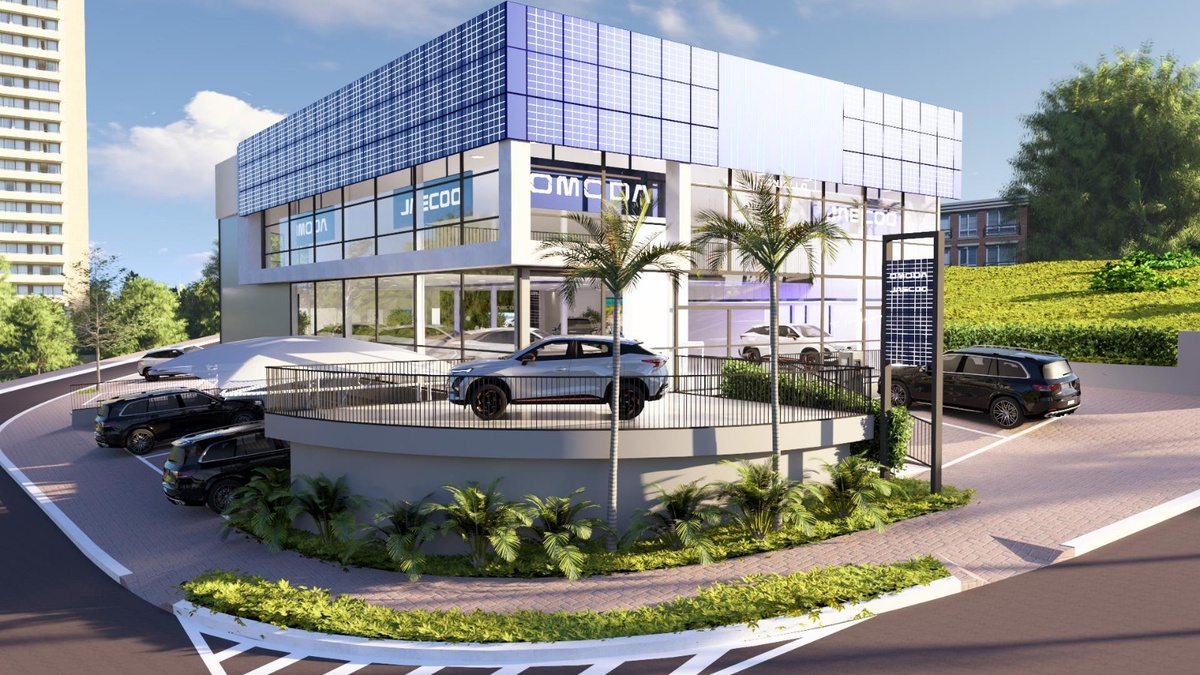
OMODA & JAECOO expands after-sales service in Brazil with competitive maintenance, a 7-year warranty, and high availability of parts for technological SUVs.
-
OMODA & JAECOO appoints Alessandra Souza as executive marketing director in Brazil and accelerates brand expansion with a focus on innovation, networking, and hybrid portfolio.


CO₂ Emissions From The Brazilian Electric Matrix Represent Just Over 1% Of The National Total, According To The Instituto Acende Brasil.
This Data Makes The Country A Fertile Ground For Fleet Electrification Without Compromising Climate Balance, Especially In High-Impact Sectors Such As Road Freight Transport, Which Accounts For 14% Of National Carbon Emissions.
According To The Gigantes Elétricos Movement, Which Brings Together Companies And Institutions Focused On Energy Transition, Electrification Can Create A Sustainable Economic Cycle: Stimulating Private Investments, Generating Qualified Jobs, And Strengthening Local Production Chains.
Brazil Has What Many Countries Do Not Have: Clean Energy And An Established Industrial Base, And This Could Put It At The Forefront Of The New Automotive Economy.
R$ 200 Billion Per Year And New Green Jobs
The Study By Acende Brasil, In Partnership With The Consulting Firm Mirow & Co., Estimates That The Electrification Ecosystem Could Generate R$ 200 Billion Annually By 2030.
The Charging Infrastructure Alone Is Expected To Generate R$ 14 Billion Per Year, While The Increase In Electricity Demand Could Add R$ 10 Billion Annually In Revenue For Energy Distributors.
In Addition To The Economic Impact, There Is The Potential For The Creation Of 400 Thousand New Green Jobs By 2050 — A Number That Could Double To 800 Thousand With The Advancement Of New Technologies And The Reskilling Of Workers In The Traditional Automotive Chain.
“Jobs In Combustion Engines Will Not Disappear; They Will Be Redirected To Biofuels And Ethanol, But Electric Vehicles Will Open Up New Frontiers For Work And Innovation,” Explains Clemente Gauer, From The Brazilian Association Of Innovative Vehicle Owners (Abravei).
Ongoing Investments And The Role Of Automakers
Investments Have Already Begun. Automakers Established In Brazil Expect R$ 140 Billion In Investments By 2030, Including R$ 8.5 Billion Just For Electric Trucks, According To Anfavea.
Scania, For Example, Is Investing R$ 2 Billion Between 2025 And 2028 To Adapt Its São Paulo Plant For The Production Of Electric Vehicles.
In August 2025, It Began Manufacturing Electric Buses In The Country, With Plans To Expand To Trucks Within Two Years.
Private Companies Are Also Taking Action. JBS, Through Its Subsidiary No Carbon, Has Increased Its Electric Fleet Ninefold From 2022 To 2025, From 31 To 281 Electric Trucks Dedicated To Urban Deliveries.
Mercado Livre Already Operates 2,200 Electric Vehicles And 220 Biogas-Powered Trucks In Brazil, Avoiding The Emission Of More Than 11 Thousand Tons Of CO₂.
Coca-Cola Femsa Has A Total Of 110 Trucks And 78 Electric Forklifts, Resulting From An Investment Of R$ 103 Million Over 14 Years.
Infrastructure And Autonomy: The Major Challenges
Despite Progress, Electrification Is Still Slow. Since 2021, The Country Has Registered Only 1,600 Electric Trucks, Compared To 548 Thousand Combustion Trucks In The Same Period.
The Price Is Also A Barrier: An Electric Truck Costs About R$ 600 Thousand, Approximately 20% More Expensive Than The Diesel Model.
For Ricardo Bastos, President Of The Brazilian Association Of Electric Vehicles (ABVE), The Turnaround Depends On Scale And Charging Infrastructure.
“We Need More Refueling Corridors And Batteries With Greater Autonomy For Distances Over 500 Km.
I Believe That Long-Distance Transport Will Be The Next Step, But There Are Still Technological And Logistical Obstacles,” He States.
The Path To 2030 And The Transformation Of The Brazilian Fleet
The Next Five Years Will Be Crucial. Acende Brasil Projects That By 2030, The Fleet Of Hybrid And Electric Vehicles Will Exceed 1 Million Units In Brazil, With A Predominance Of Flex Hybrids That Combine Electricity And Ethanol.
State And Municipal Fiscal Incentives, Such As Exemption From Road Restrictions In São Paulo And Reduction Of IPVA, Also Promote The Transition.
Experts Suggest That The Country Could Become A Major Export Hub For Electrified Vehicles To South America, Leveraging Its Geographical Position And The Advancement Of Regional Trade Agreements.
With Planning, Industrial Policies, And Coordinated Investments, Brazil Can Lead Clean Mobility In The Southern Hemisphere.
Brazil Is Facing A Historic Opportunity: To Transform Its Industrial And Energy Base Into A Global Competitive Advantage.
The Potential To Become A Global Hub For Electric Cars Is Real, But It Requires Coordinated Action Among Government, The Private Sector, And Society.
And You, Do You Believe That The Country Has The Conditions To Lead The Electric Car Revolution By 2030? Or Are High Costs And Lack Of Infrastructure Still Insurmountable Barriers? Leave Your Opinion In The Comments — We Want To Hear From Those Closely Following This Change.








Seja o primeiro a reagir!