





 Portuguese
  English
  Spanish
  5 min of reading
  0 comments


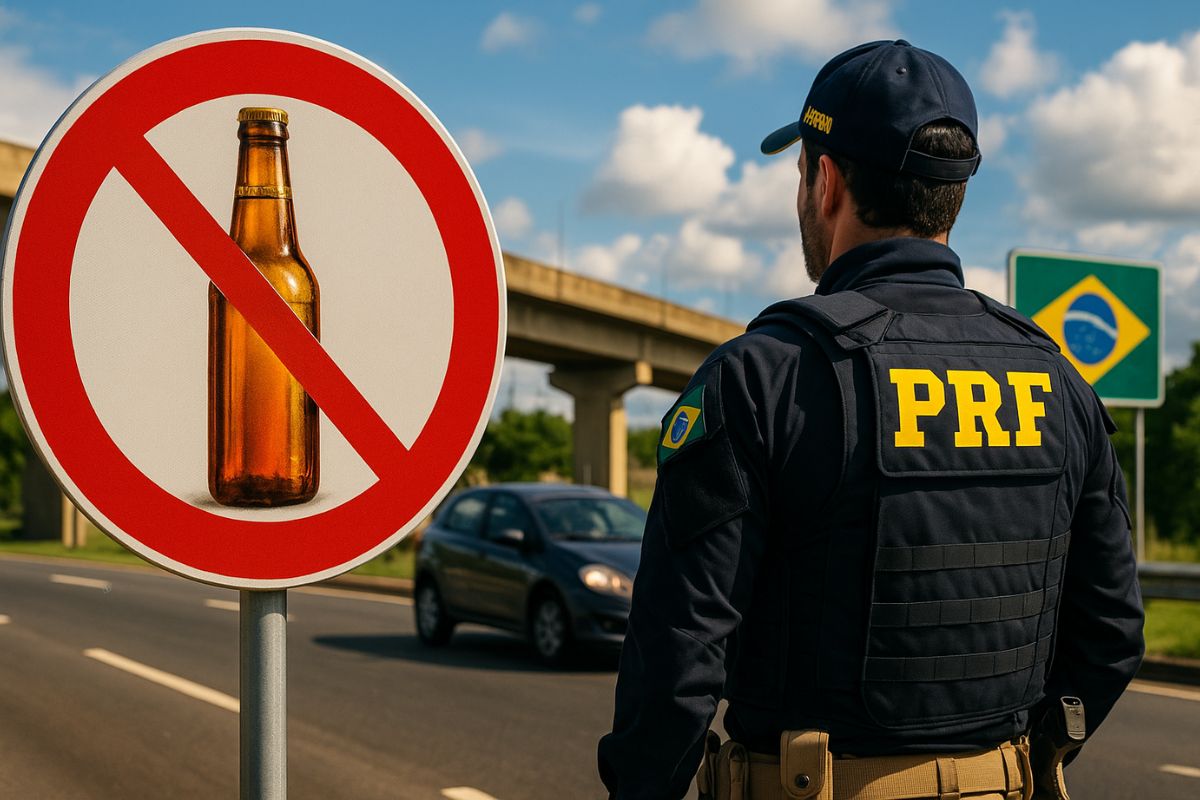
The Sale of Alcoholic Beverages on Federal Highways Remains Prohibited by Law 11.705 of 2008, Validated by the STF, with Monitoring by the PRF, Sanctions That Can Reach Suspension of Access by the DNIT, Application in the Right of Way and Adjacent Areas with Direct Access, Differentiation for Urban Sections and Central Aim of Reducing Traffic Accidents
The sale of alcoholic beverages on federal highways has been prohibited in Brazil since 2008 and was designed to reduce traffic accidents associated with alcohol consumption. The rule applies to establishments in the right of way of BRs and to adjacent areas with direct access to the tracks, creating a “buffer zone” that makes it difficult for drivers in transit to access alcoholic beverages.
The Supreme Federal Court validated the constitutionality of this policy, consolidating the role of the Federal Highway Police in enforcement. Despite controversies and isolated attempts at flexibilization, the guideline has been maintained by the judiciary as a legitimate measure to protect life and safety on the roads.
What Exactly the Law Determines and Where It Applies
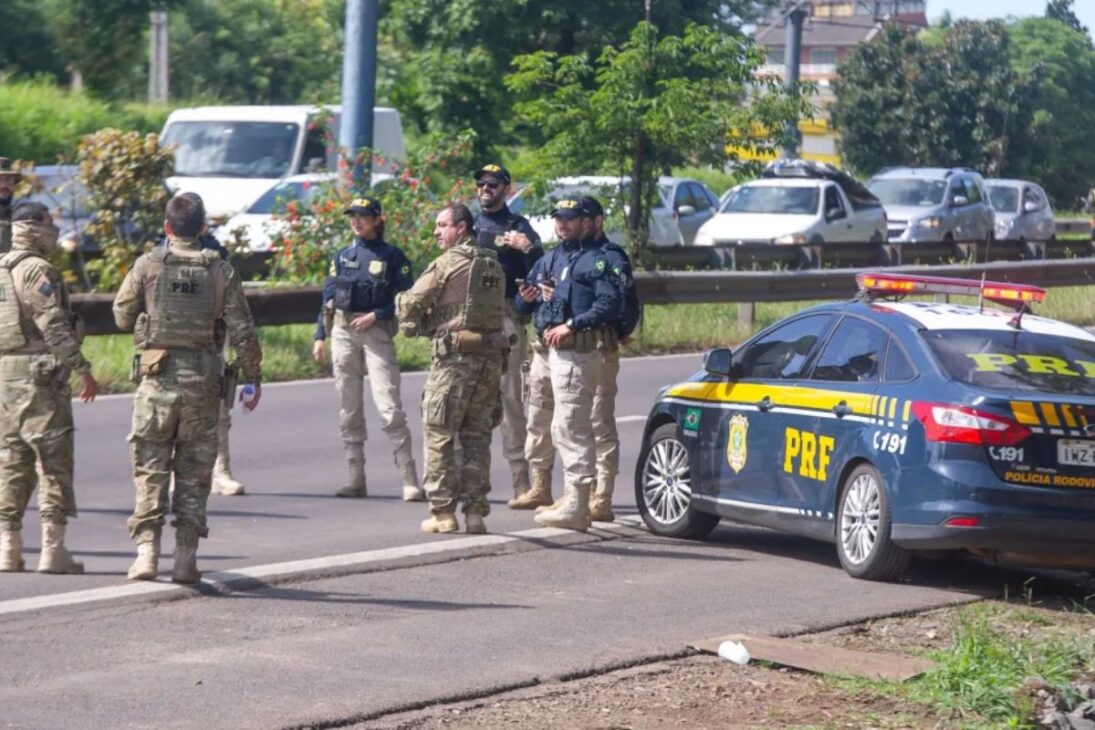
Law 11.705/2008, regulated by Decree 6.489 of the same year, prohibits the sale and offering of alcoholic beverages in establishments located in the right of way of federal highways or in adjacent areas with direct access to them.
-
The Senate approves a bill that criminalizes misogyny, hatred, or aversion towards women, and includes the crime in the Racism Law with a penalty of up to 5 years.

-
Chamber Approves Bill That Allows Pepper Spray for Women Over 16 and Imposes Strict Rules for Purchase, Possession, and Use as Self-Defense

-
Chamber Approves Law to Combat Leucaena, Fast-Growing Plant That Dominates Land and Threatens Native Species in Various Regions of the Country

-
Asset Division: Know What Cannot Be Divided in Case of Divorce


The focus is to interrupt the point of sale in high-risk zones, preventing consumption immediately before the driver returns to the wheel.
There is differentiation for urban sections as it is understood that, within cities, the circulation dynamics and municipal control are distinct.
Gas stations and restaurants in urban areas do not fall under the sales prohibition for this specific criterion, even if they are close to a BR.
Enforcement, Who Enforces and What Are the Sanctions
The PRF is responsible for enforcing compliance with the regulation, being able to issue a notice of violation and order the immediate removal of products displayed for sale.
In case of recurrence, the DNIT can suspend the establishment’s access authorization to the highway, a measure that has a significant impact on businesses that depend on traffic flow.
Besides the commercial prohibition, driving under the influence of alcohol remains a serious violation as outlined in the Traffic Code.
The fine for drunk driving is R$ 2.934,70, illustrating the deterrent character of penalties in transit. The logic is complementary: preventing immediate access to alcohol and punishing risky driving severely.
Constitutionality: Why the STF Validated the Rule
The STF recognized the constitutionality of the prohibition based on the protection of life, health, and public safety.
In other words, the collective interest prevails over economic freedom in these environments, as the availability of alcohol increases the risk of accidents on high-speed, heavily trafficked roads.
Decisions in federal instances, such as in TRF6, reaffirmed this understanding, reversing attempts to reopen sales at certain points.
The Judiciary has been consistent in preserving the architecture of Law 11.705 as a preventive tool for accidents and fatalities.
Urban Sections, Common Questions and the Role of Responsible Consumption
A recurring question is whether every establishment along BR is prohibited from selling. The answer is no.
The rule reaches the right of way and adjacent areas with direct access, while urban sections are treated differently, avoiding undue impact on regular city commerce.
Another point is public consumption, which already finds prohibition in other regulations.
Even with the sales prohibition on BRs, there are drivers who insist on drinking and driving, which is why checkpoints and educational campaigns remain central pieces.
Enforcement and education go hand in hand to reduce lethality in transit.
How the Regulation Evolved and Why It Became a Permanent Guideline
The trajectory began with MP 415 in January 2008 and was converted into Law 11.705.
There were debates and attempts to alter it, including isolated legal actions from establishments, but the main structure has been maintained by subsequent decisions.
The original objective remained clear: to reduce accidents and save lives on the roads.
In the institutional design, PRF and DNIT have complementary roles. The PRF is on the front line of enforcement; the DNIT acts on administrative sanctions related to access to the highway.
This arrangement reinforces the effectiveness of the policy and distributes responsibilities according to the nature of each agency.
International Comparison and Why Brazil Chose More Restriction
In the United States and Germany, the emphasis is usually placed on blood alcohol limits and penalties for drunk driving.
Brazil, in addition, restricts the point of sale in high-risk areas, betting on a zero-tolerance strategy that acts before the driver sits behind the wheel.
This preventive model reduces the immediate availability of beverages for those in long-distance transit.
The public message is clear: road safety is a priority and the highway environment is not compatible with the offering of alcohol.
Why the Prohibition Remains Relevant for Road Safety
By difficulting access to alcohol in high-flow corridors, the rule contributes to fewer serious incidents and to behavioral change over time.
The consistency between the sales prohibition, enforcement, and penalties creates a protective circle that discourages risky choices.
Nonetheless, practical challenges persist: workarounds, movement to nearby areas not covered by the rule, and the ongoing need for education.
Maintaining vigilance and communicating clearly the boundaries of the prohibition are essential steps to sustain the gains in safety.
The prohibition of the sale of alcoholic beverages on federal highways has become part of the safety architecture of Brazilian transit, validated by the STF and supported by active enforcement by the PRF.
The legal design combines prevention and punishment to reduce risks in a naturally dangerous environment.










-

-

-

-

9 pessoas reagiram a isso.