





 Portuguese
  English
  Spanish
  6 min of reading
  0 comments


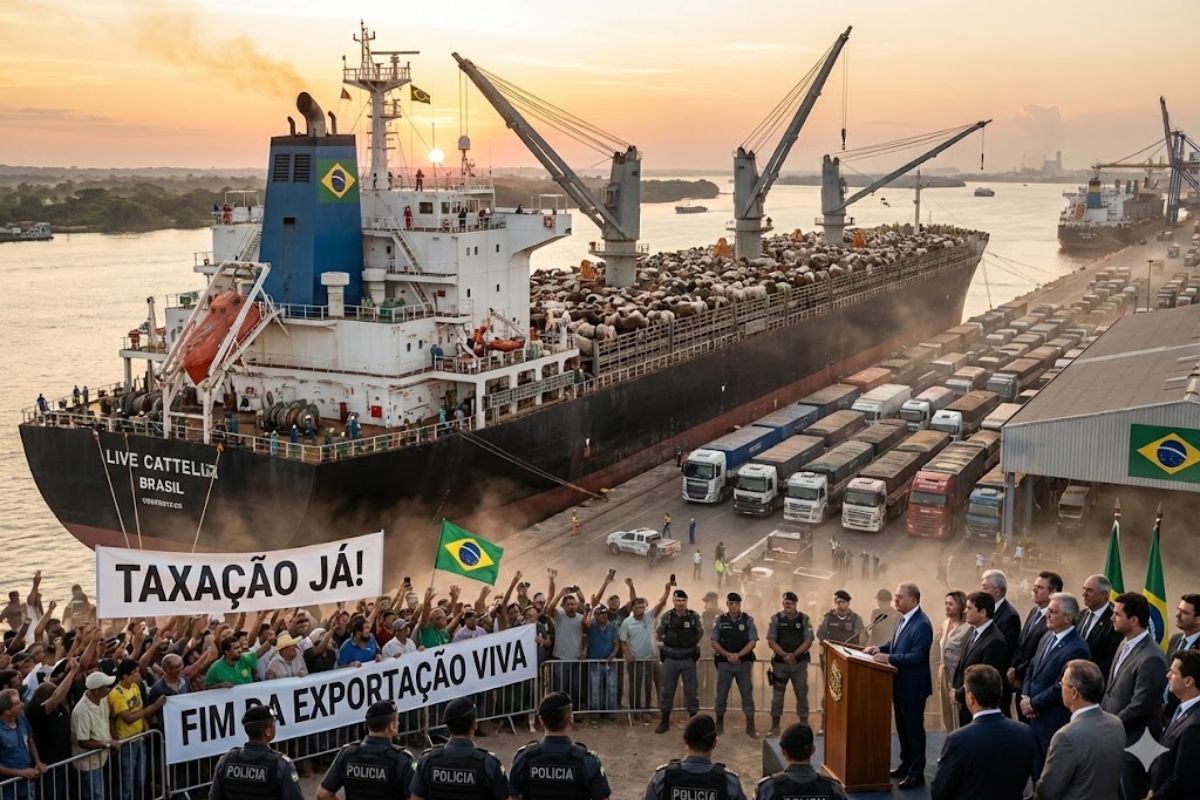
With Nearly 1 Million Live Cattle Shipped Between January and November 2025, Brazil Solidifies Its Position as a Global Leader, While Taxation Proposals in Congress, Reports of Animal Abuse, and International Pressure Target Exports Concentrated in Pará, Rio Grande do Sul, and New Brazilian Ports in This Critical Year.
The taxation proposals on live cattle exports reached the center of the debate in 2025, precisely in the year that Brazil is expected to surpass the mark of 1 million live cattle exported for the first time, totaling 964,200 heads between January and November and heading for a historical record by December 2025.
At the same time, public hearings held in the Chamber of Deputies in 2025, reports from animal protection NGOs, and recent cases of ships being detained for sanitary issues turned a positive economic figure into an explosive topic in Congress, on the environmental agenda, and for the very international image of Brazilian livestock.
A Historic Year for Live Cattle Exports
Data compiled by Agrifatto indicates that, from January to November 2025, Brazil exported 964,200 live cattle, a figure 11.9% higher than that recorded in the same period of 2024.
-
A rural producer from Urubici cries as he shows 50 tons of plums thrown on the ground because no one wanted to buy them, and in desperation, he records a video asking anyone to come to the property to pick the fruits before they rot.

-
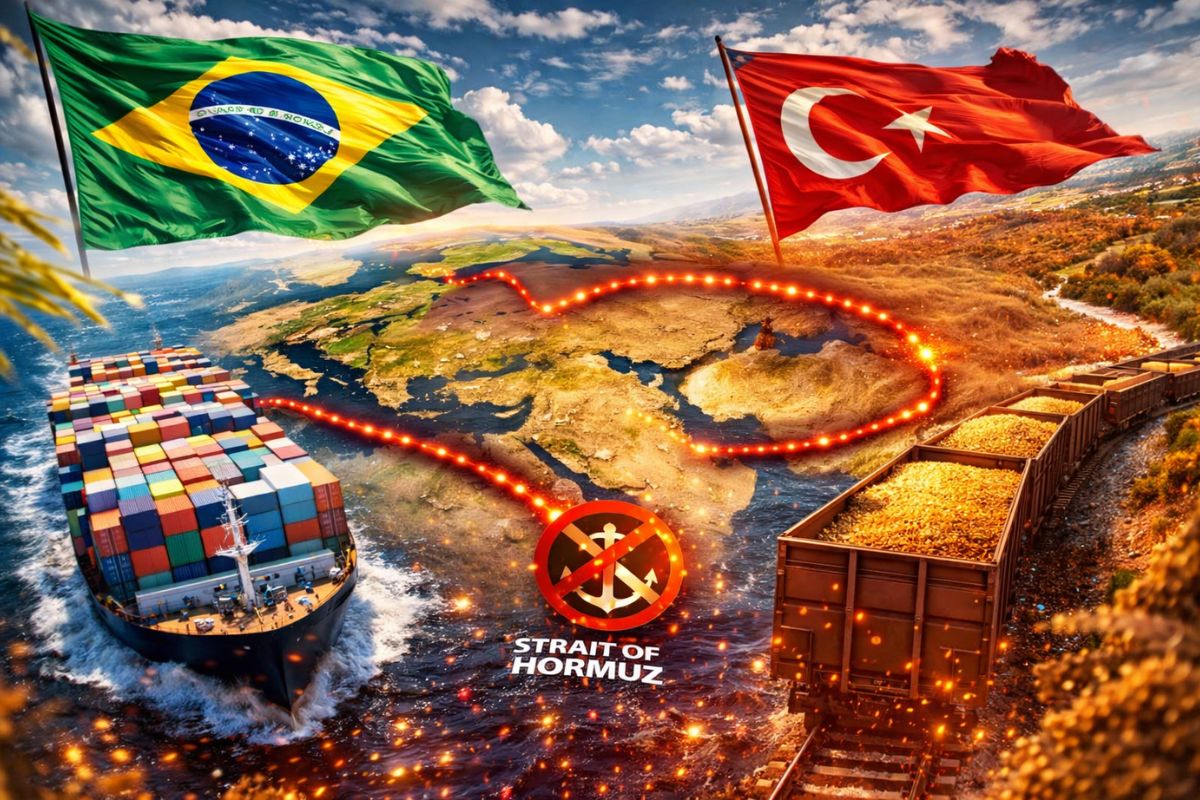
Unable to pass through Hormuz, Brazil activated a plan B that uses Turkey as a gateway to the Middle East: the route through Gibraltar and the Mediterranean is longer and more expensive but ensures that chicken, beef, and corn continue to reach Arab markets.
-
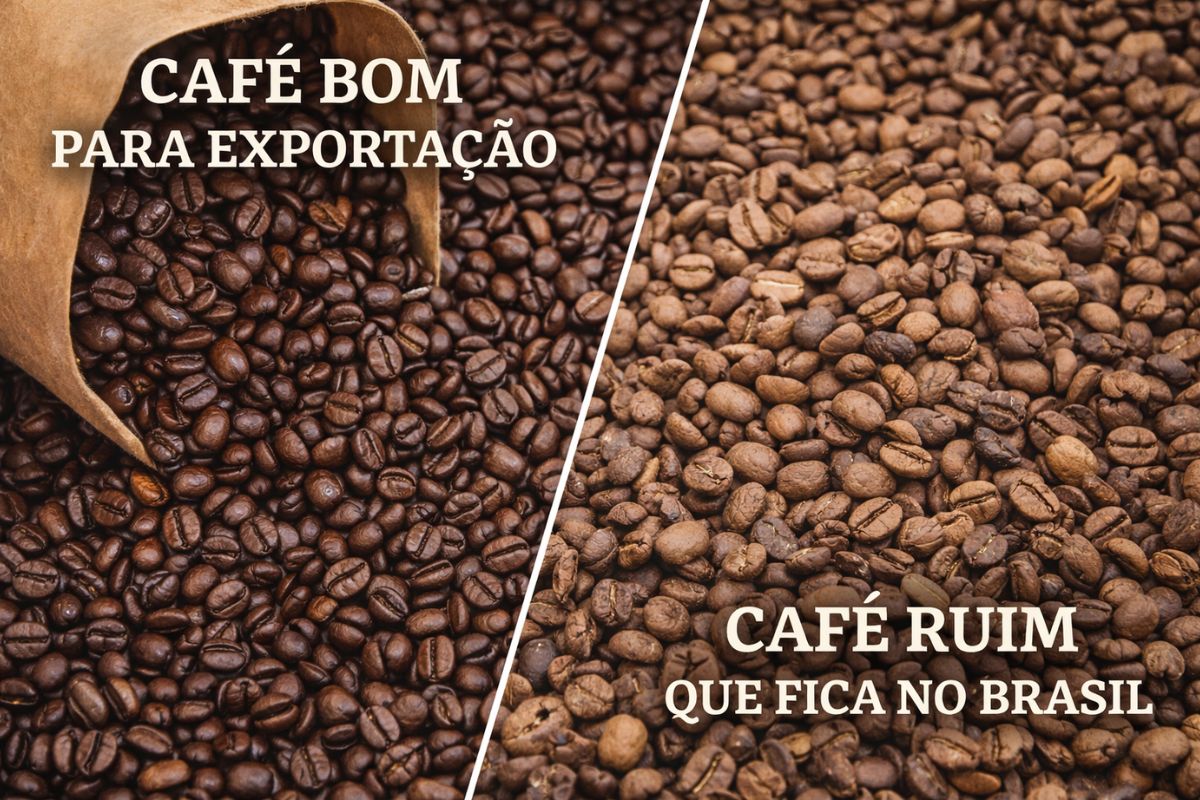
You grew up hearing that the good coffee from Brazil goes all abroad and the bad coffee stays for Brazilians, but this story has completely changed, and the numbers show that in the 1980s, thirty percent of the coffee sold here was adulterated with corn and barley.
-
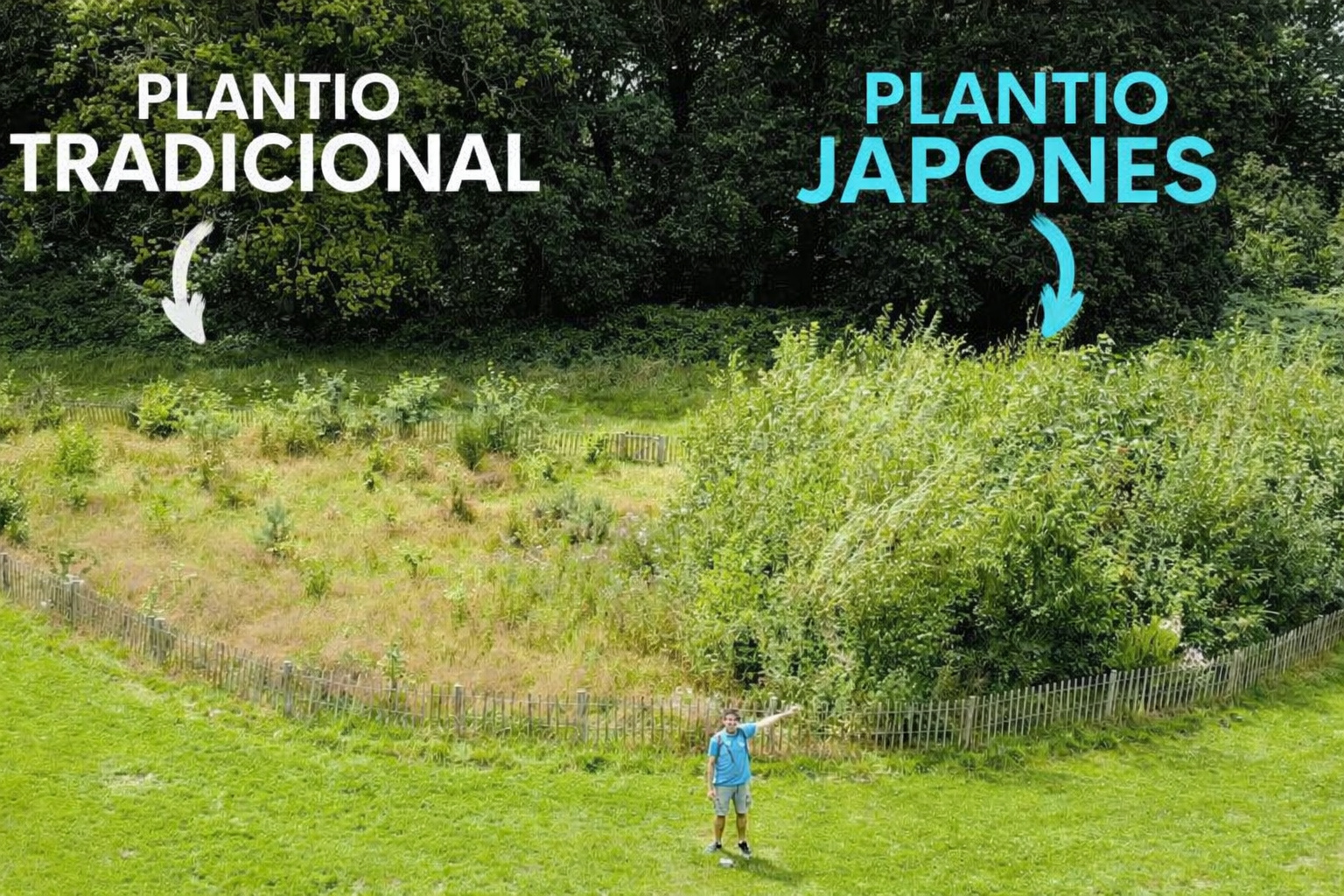
Engineer creates reforestation method that transforms small plots into dense forests in a few years using local biomass and can reduce environmental recovery costs.
At the current pace, the country is expected to surpass the symbolic mark of 1 million heads exported by the end of December 2025, consolidating a new level for what is known as “live cattle.”
This movement is not isolated. It results from several combined factors: the heated demand from countries in the Middle East and North Africa, the logistical structure built in the Northern Region in recent years, and Brazil’s ability to meet the sanitary protocols required by importers. All of this has placed the country in the position of largest global supplier of live cattle.
Pará and Rio Grande do Sul Drive the Progress
The protagonism of exports is concentrated in a few states. Pará accounts for 54.72% of all the volume exported in 2025, benefiting from proximity to adapted ports, the supply of young and standardized animals, and more competitive logistical costs relative to other regions.
In second place is Rio Grande do Sul, with 21.19% of exports, reinforcing the Southern Region’s share in the live cattle market.
Other states still have smaller shares but are gradually increasing their presence as new terminals adapt and logistics operators gain experience in this type of operation.
Who Buys Brazilian Cattle and What Revenue Is Generated
On the demand side, the market remains concentrated. Turkey, Egypt, Morocco, and Iraq absorbed 82.9% of Brazilian live cattle shipments in 2025, consolidating these destinations as pillars of the business.
These are countries that prefer to receive live animals for cultural, religious, logistical reasons or due to limited local slaughtering capacity.
In November 2025, a decisive month for the record, shipments totaled 113,030 heads, a jump of nearly 90% compared to October, generating US$ 115.58 million in revenue.
The average price was US$ 82.29 per arroba, consolidating live cattle as an important source of foreign exchange, especially for producers in the Northern Region.
How Live Cattle Exports Work in Brazil
Despite the accelerated pace, the sector operates under a strict set of sanitary and logistical regulations. Companies must comply with the requirements of the Ministry of Agriculture and the purchasing countries.
Among the main points are:
- Pre-shipment quarantine in government-approved facilities
- Individual identification of the animals, with tags or electronic chips
- Sanitary inspections and specific documentation, according to the destination
- Protocols for welfare during transport, defined in norms and contracts
In practice, however, failures in supervision and execution of these protocols still occur.
One of the most emblematic cases cited by entities was the Spiridon II ship, which faced disembarking refusals due to problems with the identification of animals and sanitary issues, remaining adrift for weeks before getting authorization to dock, raising alarms about control and traceability.
Reports of Animal Abuse and Environmental Risks
The growth of the live cattle trade has also brought harsh criticism from animal protection organizations.
In a public hearing in Brasília, representatives from the NGO Mercy For Animals reported precarious conditions of maritime transport, with overcrowding, lack of water and food, accumulation of feces and urine, as well as severe physical and psychological stress on animals during long journeys.
According to these organizations, the artificial environment of ships, combined with high temperatures, depresses the immune system of cattle and favors the occurrence of infectious diseases.
There are also concerns regarding environmental impacts, such as the emission of pollutants in port municipalities and the use of old vessels, not originally designed for transporting live animals, which increases the risk of accidents and structural failures.
These effects have already produced direct consequences on the logistical map. Cities like Santos in São Paulo and Belém in Pará decided to exit the live cattle export circuit, after years of pressure from residents, environmentalists, and the Public Ministry regarding the impacts of these operations on urban centers.
Taxation Proposals and New Restrictions in Congress
Social and environmental pressure has shifted to politics. Today, at least two bills are being processed in the National Congress proposing taxation aimed at discouraging the export of live animals.
One of the initiatives proposes to remove the ICMS exemptions guaranteed by the Kandir Law, directly increasing the cost of shipping live cattle.
Another bill is working on creating a specific tax on the export of live cattle, which could have its own rate and make the business significantly less competitive compared to the export of processed meat.
For critics of the model, the taxation proposals would be a way to force the shift from live cattle to slaughterhouses and industrial plants within Brazil, adding value, jobs, and revenue.
In the Executive branch, the Animal Protection Directorate of the Ministry of the Environment takes a critical stance regarding the continuation of live cattle exports in the current framework.
Technicians point out the risk of regressions in environmental and criminal standards in proposals attempting to relax animal protection legislation, in contrast to the international debate.
Global Pressure Against Live Cattle and Its Impact on the Brazilian Economy
The Brazilian conflict is not happening in isolation. Countries such as India, New Zealand, the United Kingdom, Germany, and Luxembourg have already banned or severely restricted the maritime export of live animals.
Australia, a global benchmark in this market, announced the end of the practice for sheep, while Argentina, Ecuador, and Uruguay are discussing or implementing restriction measures.
Studies cited by NGOs show that replacing the export of live animals with the sale of processed meat could generate up to R$ 1.9 billion in added value, create more than 7,000 formal jobs along the chain, and increase tax revenue by up to R$ 610 million in Brazil.
For advocates of this agenda, the taxation proposals would be a tool to accelerate this transition.
On the other hand, producers and shippers argue that live cattle ensure quick liquidity, diversify markets, and especially strengthen small and medium-sized ranchers in areas where slaughterhouse infrastructure is still limited.
They fear that heavy taxation, combined with possible bans, will lead to business closures and reduced income in rural areas.
Between the Record, Social Pressure, and the Future of the Sector
The record of live cattle exports in 2025 puts Brazil in the face of a strategic impasse. On one hand, the sector celebrates unprecedented numbers, market diversification, and increased revenue in dollars.
On the other, there is growing pressure from NGOs, visibility of cases of abuse, taxation proposals, and the global trend of moving away from live cattle.
With the advancement of the proposed laws, the public hearings scheduled for 2026, and the continuation of international animal welfare campaigns, the country will have to decide how far it wants to maintain the current model or redesign its strategy, favoring the industrialization of meat and gradually reducing the export of live cattle.
And you, do you think Brazil should maintain the record for live cattle exports or support tougher taxation proposals to change this model in the coming years?









-

-

-

-

-

6 pessoas reagiram a isso.