





 Portuguese
  English
  Spanish
  5 min of reading
  0 comments


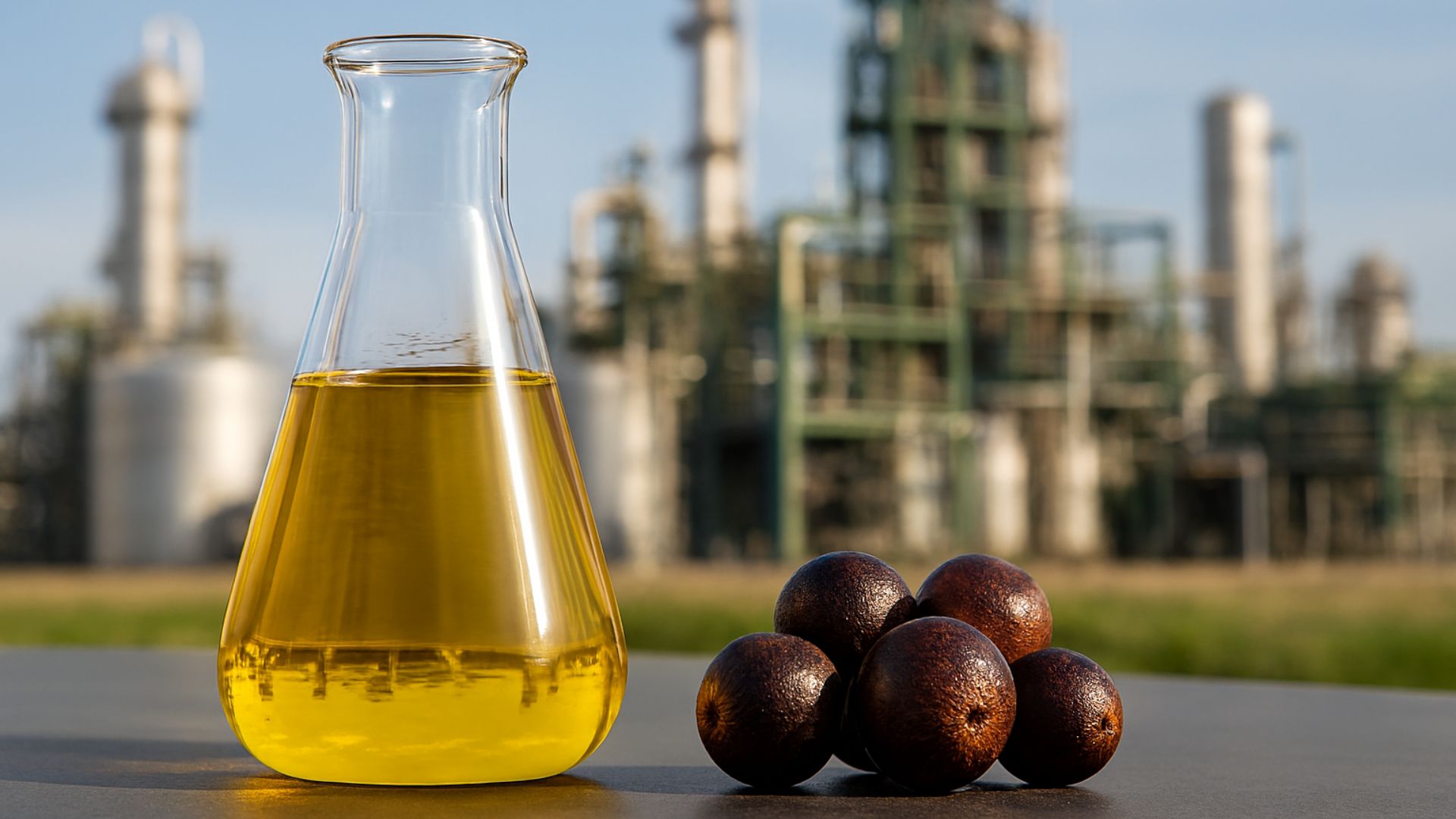
Brazil Advances in Energy Transition with Macaúba Project, Driven by an Investment from Acelen to Increase SAF Production and Consolidate New Directions for the Biofuel Market
Acelen Renováveis, controlled by the Arab fund Mubadala Capital, confirmed an Arab investment of US$ 3 billion to build the country’s first large integrated renewable fuels plant. According to a report published by Compre Rural this Sunday (7), the goal is to produce 1 billion liters per year of sustainable fuels, especially SAF, a sustainable aviation fuel considered essential for reducing emissions in the aviation sector in the coming years.
The Importance of Native Macaúba in the Advancement of Renewable Fuels
According to information released by the company, the project combines agricultural cultivation, industrial technology, advanced processing of vegetable oils, and a new biorefinery in Bahia. The announcement marks one of the largest initiatives ever made in Brazil for clean energy production, reinforcing the country’s role in the transition to renewable sources.
The core of the project is the use of Macaúba, a native palm tree from Brazil that has been gaining recognition due to its high yield of vegetable oil and its environmental potential. According to data revealed by Acelen Renováveis, the plant adapts well to degraded pasture areas, does not compete with food crops, and has higher productivity than other oilseed crops.
-
The Economist states that Brazil has a “secret weapon” against expensive oil and highlights how the country can reduce economic impacts even in international scenarios of high volatility.
-
Brazil accelerates decarbonization in the South: International forum in Foz do Iguaçu gathers leaders to discuss the advancement of biomethane in the energy matrix and the potential of “caipira pre-salt.”
-
As diesel prices soar due to conflicts in the Middle East, a Brazilian city decides to test a little-known biofuel that promises to completely replace fossil fuel without adaptation and could change the future of energy in the country.
-
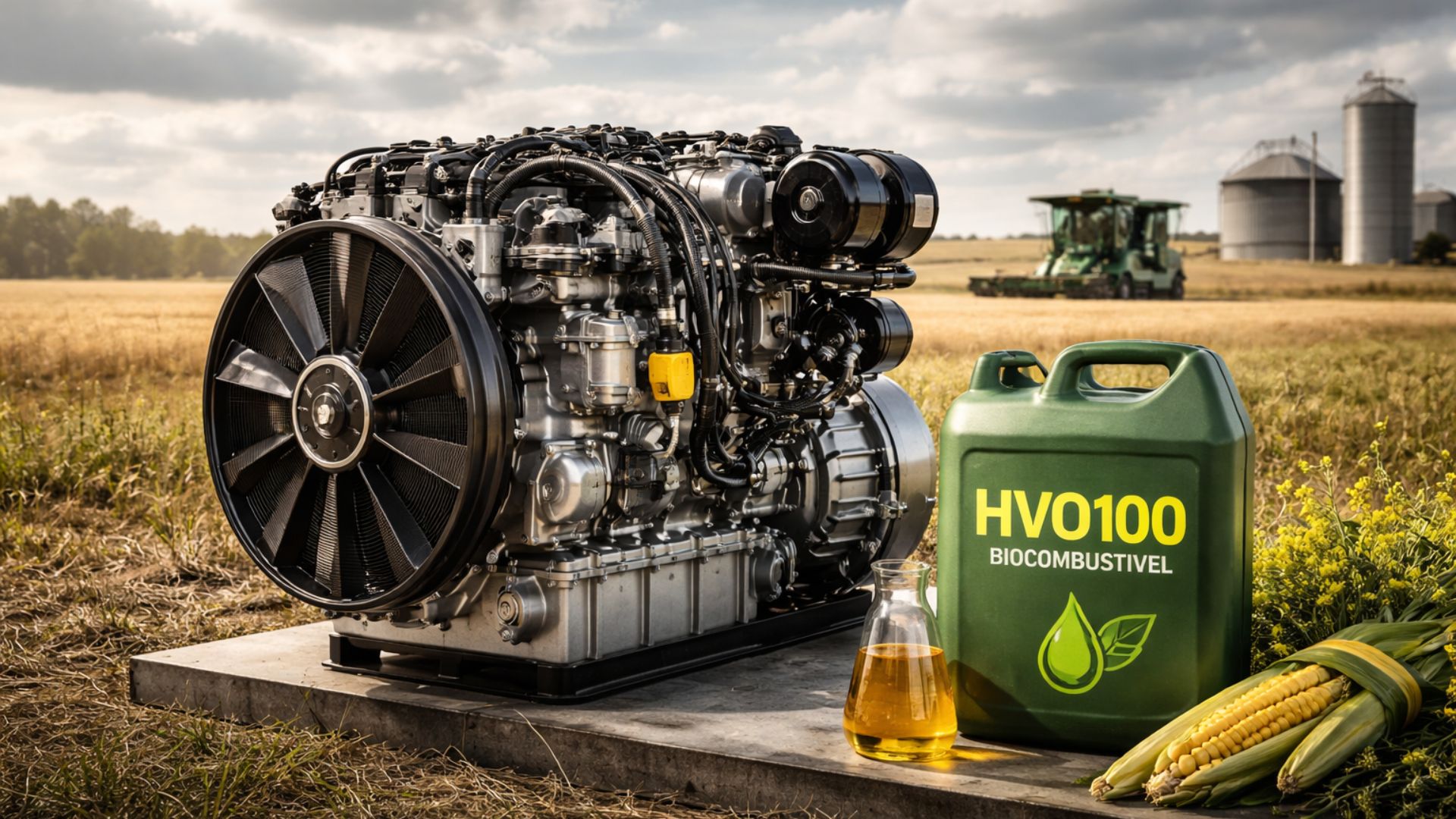
Innovation with biofuel engines transforms agribusiness by replacing diesel without the need for major adaptations, ensuring energy efficiency and helping to reduce dependence on oil.

Among the main advantages of the native palm are:
- Integral use of the fruit, including oil, pulp, fibers, and waste.
- High oil content per hectare, allowing for greater production scale.
- Ability to regenerate soils, contributing to environmental recovery.
- Potential for income generation in regions that depend on family farming.
The focus on Macaúba also reinforces the sector’s commitment to sustainability, as the cultivation can be integrated into agroforestry systems. The use of a native species strengthens the environmental identity of the project and helps Brazil gain traction in the global green fuels market.
Structure of Acelen’s Project and Consolidation of Arab Investment in Brazil
The Arab investment enables a production chain involving two main fronts: the Acelen Agripark and the new biorefinery located in Bahia. The Agripark, opened in August 2025, serves as a center for research, innovation, cultivation, oil extraction, and large-scale seed production. The facility occupies about 138 hectares and has an annual capacity to produce more than 10 million seedlings of the native palm.
At the site, specialists work on genetic improvement, increasing productivity, and creating more efficient cultivation systems. The Agripark is the backbone of the agricultural project, ensuring quality raw materials for the industrial phase. The biorefinery will be responsible for converting vegetable oil into SAF and other types of renewable fuels.
The goal is to operate with a potential reduction of up to 80% in CO₂ emissions compared to traditional fossil fuels, according to estimates released by the company. The combination of agricultural production, industrial technology, and robust investment creates a complete ecosystem for clean energy generation within Brazilian territory.
Territorial Expansion of Acelen and Integration with Small Rural Producers
To meet the demand of the biorefinery, Acelen plans to consolidate a cultivation area estimated at 180 thousand hectares distributed between Minas Gerais and Bahia. The strategy involves both owned farms and significant integration with small and medium rural producers.
This participation occurs through the Acelen Valoriza program, which promises training, technical support, and long-term supply contracts. The goal is for approximately 20% of total production to come from partner farmers, allowing rural communities to access a new source of income.
In addition to strengthening the production chain, this model helps diversify the economy of municipalities that rely almost exclusively on livestock or low-value crops. The sustainable cultivation of Macaúba can transform unproductive areas into hubs of agricultural and energy development.
Production of SAF and Brazil’s Role in Global Energy Transition
The SAF is currently the main biofuel targeted at the aviation sector and is considered strategic for airlines and airports to reduce their carbon footprint. The International Civil Aviation Organization (ICAO) and governments around the world have set goals to increase the use of this fuel in the next decade.
With the new plant, Brazil joins the group of countries with the greatest potential production capacity. Brazilian legislation stipulates that the aviation industry will start using mandatory percentages of renewable fuel from 2027, which is expected to increase domestic demand.
Moreover, the international market is booming. European countries, the United States, and the United Arab Emirates are seeking reliable suppliers to ensure their climate goals. The Brazilian project emerges as a highly competitive alternative, thanks to production costs, land availability, and the use of national raw materials.
Impacts of Acelen’s Biofuel Project
Studies by the Getulio Vargas Foundation (FGV) show that the economic impact of the project could exceed US$ 40 billion over the next decade. This figure includes job creation, direct investments, stimulation of the agricultural chain, and impacts on complementary sectors.
The expectation is that up to 85 thousand direct and indirect jobs will be created in the involved states, strengthening areas with a history of low structural development.
From an environmental standpoint, the cultivation of Macaúba in degraded areas contributes to:
- Reduction of net carbon emissions.
- Recovery of soils with low agricultural potential.
- Encouragement of sustainable production models.
- Less pressure on sensitive biomes and areas of native forest.
The project combines clean energy, socioeconomic development, and technological innovation, establishing a new standard for agricultural expansion in the country.
Perspectives and Relevance of Brazil in the Renewable Energy Sector
The trillion-dollar investment in the clean energy sector expected in the coming years worldwide creates favorable conditions for Brazil to position itself as a strategic supplier of biofuel for the global market. Acelen Renováveis’ project indicates that the country is prepared to occupy this space, especially with the use of native natural resources and sustainable processes.
The union of Macaúba, technology, and international capital shows that Brazil has the capacity to take the lead in the energy transition. The country possesses climate, soil, biodiversity, and a consolidated agricultural base that offers unique competitive advantages.
Furthermore, the use of a native plant reinforces Brazil’s image as a leader in sustainable and renewable solutions, aligning with current demands of international markets and the decarbonization goals already adopted by various countries.









Seja o primeiro a reagir!