





 Portuguese
  English
  Spanish
  4 min of reading
  0 comments


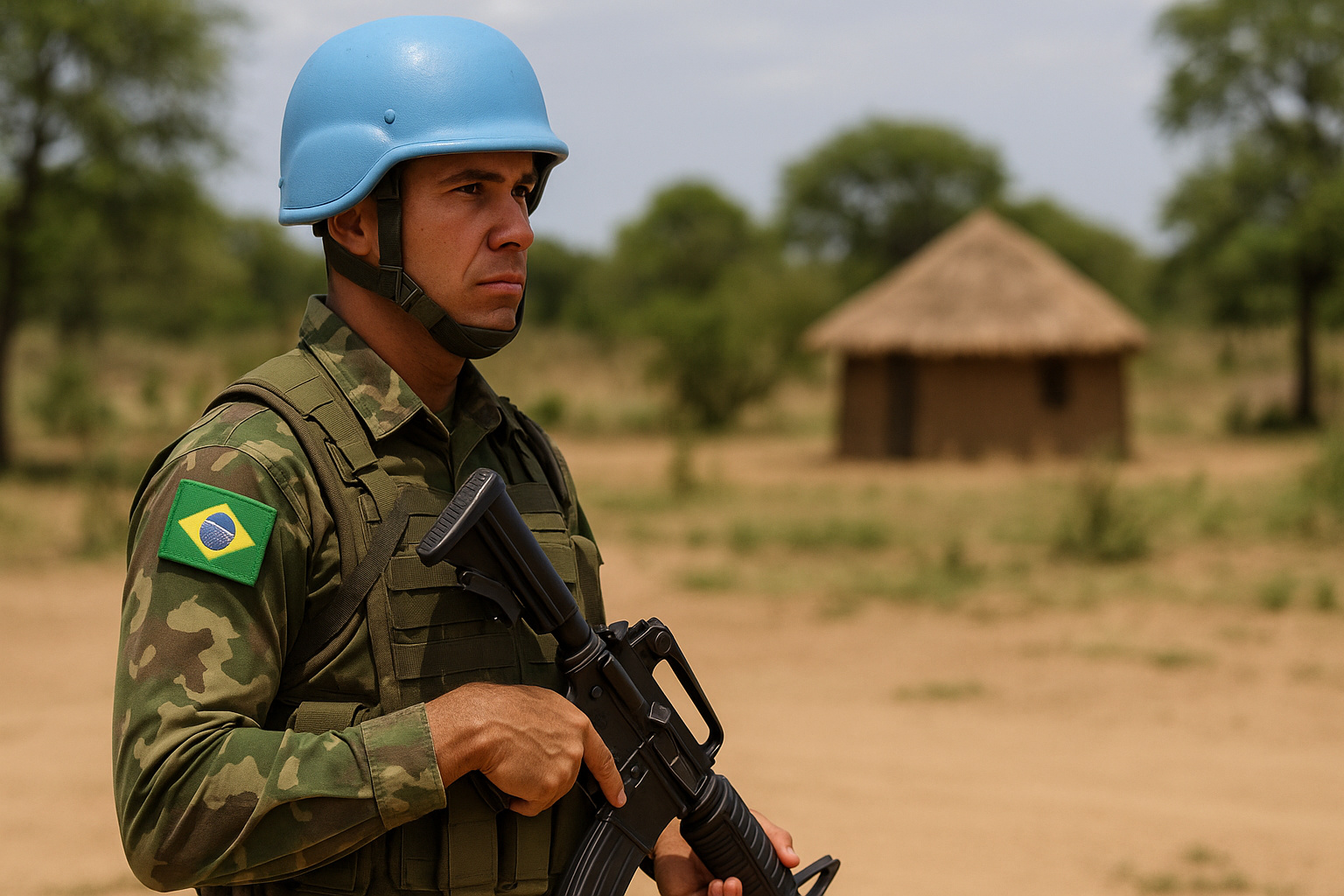
Learn How Brazil Prepares Peacekeepers for the UN with Intense Training and New International Opportunities.
Brazil Accelerates Training of Military Personnel to Act as UN Peacekeepers and Expands International Opportunities
The Brazil has been intensifying the Training of Military Personnel and police to act as Peacekeepers in UN missions, and thus, the training reveals a strict selection process, conducted over several stages, in Rio de Janeiro and abroad.
Only 54 Brazilians recently passed the United Nations assessment and, therefore, are currently part of operations in eight countries and territories.
The objective is clear: to prepare professionals capable of operating in extreme risk areas, where humanitarian crises demand technical, emotional, and cultural preparation. The missions are strategic because they represent Opportunities for international projection and reinforce the global image of the country.
-
The U.S. Army receives the first Black Hawk helicopter that can fly without pilots, be controlled by a tablet, and even land on its own during high-risk missions.

-
With 11,000 tons and sensors capable of hunting submarines at long distances, the Type 055 has become one of the most feared floating arsenals of the Chinese navy.

-
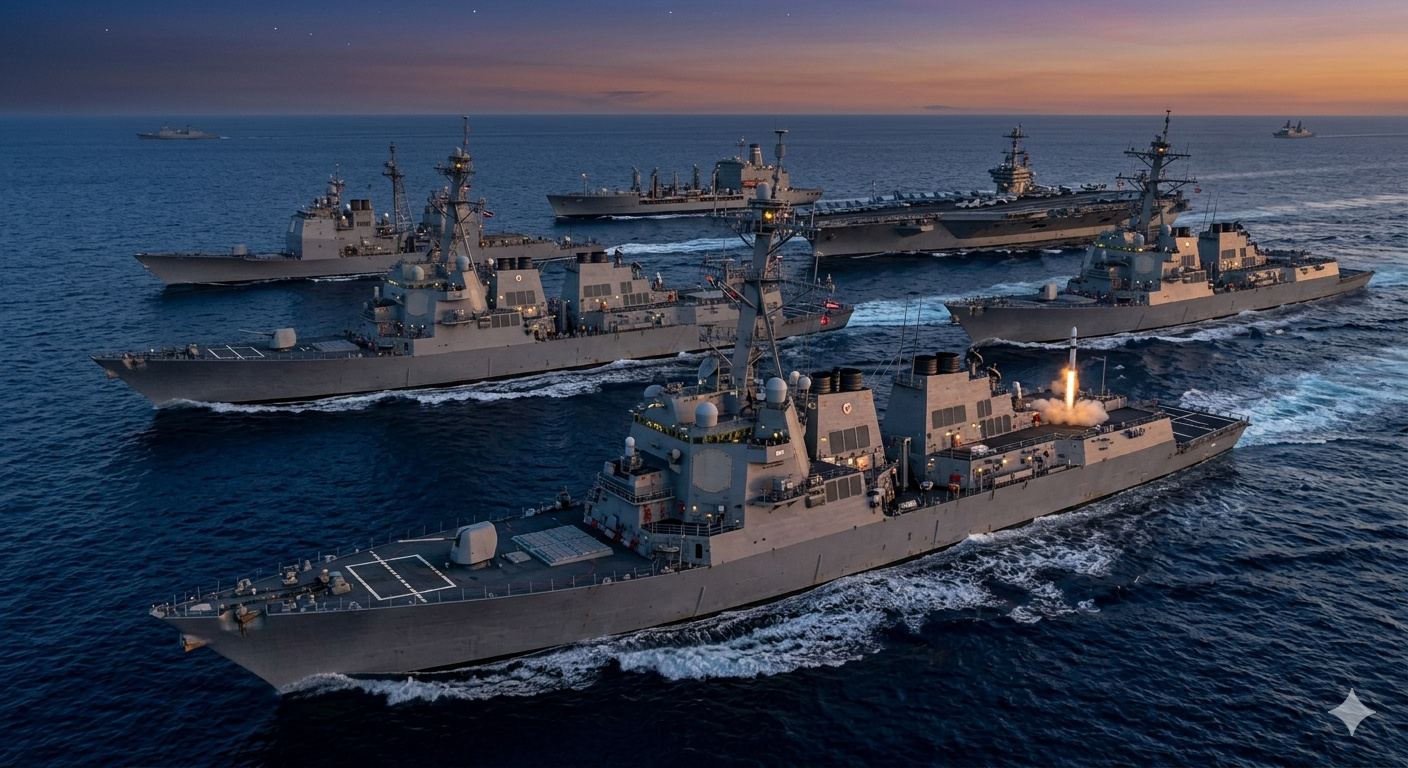
With over 15,000 tons, radars capable of tracking hundreds of targets simultaneously, and more than 120 missiles ready for launch in seconds, modern destroyers cease to be escorts and begin to dominate the naval battlefield.
-
With over 15,000 tons, radars capable of tracking hundreds of targets simultaneously, and more than 120 missiles ready for launch in seconds, modern destroyers cease to be escorts and begin to dominate the naval battlefield.
Brazil Expands Presence in Missions and Reinforces Role of Peacekeepers
Currently, Brazil has representatives in Lebanon, Cyprus, Colombia, Somalia, Central African Republic, Democratic Republic of the Congo, Yemen, and Abyei. Although more than 60,000 agents from around the world participate in these operations, the active Brazilian contingent — 64 military personnel and police — represents only 0.03% of the total.
However, since the creation of the UN, nearly 60,000 Brazilians have participated in these actions. Therefore, even with a reduced number today, the country remains recognized for its ability to improvise, discipline, and adapt in conflict zones.
Open Opportunities: Who Can Become a Peacekeeper
Contrary to what many think, the chance to join missions is not limited to the Armed Forces. Civil, federal, and military police are also eligible. There are three central roles:
- UN Police
- Military Observer
- Staff Officer
All operate in regions marked by political instability, armed violence, or humanitarian disasters. Therefore, the selection process requires highly specific technical and emotional skills.
Rigorous Selection Tests English, Psychological Preparedness, and Driving Skills
To ensure that only the most prepared advance, the process includes tests of English, shooting, driving, computer skills, and knowledge of the missions — in the case of police — conducted by Unpol every two years. Among the military, the Army Command assesses psychological interviews and physical tests.
The approved candidates proceed to the Joint Center for Peace Operations of Brazil (CCOPAB), where the cycle of Military Training truly begins.
First Stage: UN Doctrine and Essential Protocols
In the initial phase, police and military personnel study together the Basic Pre-Deployment Training Materials (CPTM). The content addresses malaria prevention, combating sexual abuses, and rules of engagement.
Major Adriana Hartmann explains that the language used in the missions needs to be mastered:
“It is like instrumental English. The training prepares the soldier to understand the mission’s jargon.”
The blocks also explore how international operations work and the individual role of each Peacekeeper.
Second Stage: War Simulations and Direct Community Contact
In the phase of Specialized Training Materials (STM), the preparation becomes even more intense. Professionals learn community policing, interaction with local forces, and institutional reconstruction.
Major Luiz Mota, who served in South Sudan, emphasizes:
“The UN wants every security force to be responsible, responsive, and representative.”
Thus, observers learn to listen to residents, identify armaments, and monitor peace agreements, while staff officers train in planning, logistics, and territorial analysis.
Psychological Support and Adaptation: A Crucial Part of the Mission
Before deployment, families also participate in emotional support sessions. After that, throughout the mission, professionals receive monthly remote follow-up.
Major Adriana details how the psychological impact can be as challenging as the physical one. She reports having been hospitalized for malaria and still asserts:
“I would live through it all again.”
Upon arrival in the destination country, each Peacekeeper undergoes Induction Training, consisting of 15 days of practical and eliminatory tests.
Brazilian Flag Becomes an ‘Emotional Shield’ in Conflict Zones
The Brazilian performance is recognized in the field for its flexibility and charisma. Major Mota comments on the symbolic impact of national identity:
“Our flag carries unimaginable weight. When they see the Brazilian flag, it completely changes the scenario.”
Thus, the Brazilian presence tends to calm tensions and facilitate negotiations, especially in devastated regions.
Personal Transformation and New International Opportunities
For many, like Adriana, the experience changes the way they see the world. She highlights that despite the risks, the connection with communities and the humanitarian impact justify every challenge.
With the continuous expansion of missions, the trend is that Brazil will open even more Opportunities for new professionals interested in acting on behalf of the UN.






Seja o primeiro a reagir!