





 Português
  Inglês
  Espanhol
  3 min de leitura
  0 comentários


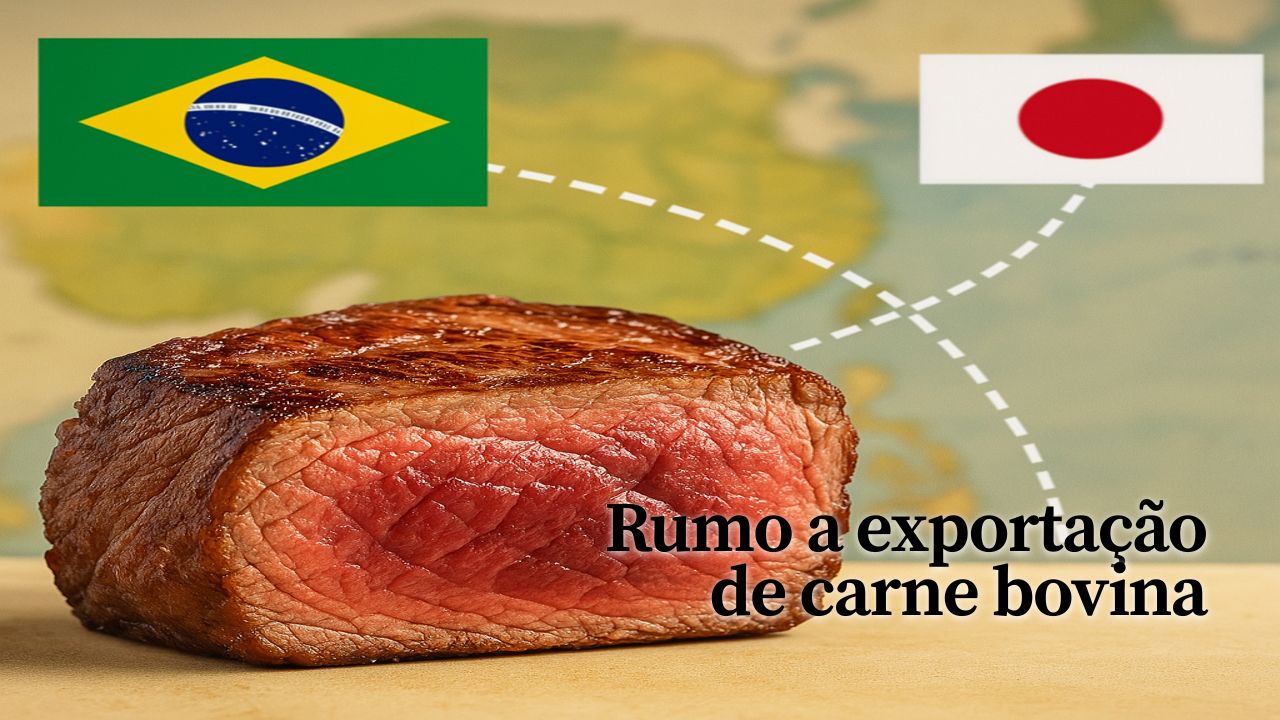
Japan Mission To Evaluate Brazilian Sanitary System And May Liberate Beef Exports To One Of The Most Demanding Markets In The World
Brazil has taken an important step to broaden its presence in the international beef market. During a meeting between Agriculture Minister Carlos Fávaro and Japanese authorities, the Japanese government committed to sending a technical mission to Brazil to evaluate the sanitary inspection system of Brazilian meats. According to the InfoMoney portal, this technical visit is essential for the Asian country to liberate the import of beef from other regions of Brazil, in addition to expanding the trade of pork, which is currently restricted to Paraná.
Japanese Market Is Strategic For Brazilian Agriculture And Beef
Japan is considered one of the most demanding and valuable markets for animal products. With consumers strict about quality and food safety, conquering this market is seen as a major advantage for Brazilian agriculture. According to an analysis published by CNN Brasil, the full opening of the Japanese market to Brazilian beef could represent considerable growth in exports, bringing direct benefits to producers, slaughterhouses, and the country’s trade balance. Japan is already one of the main destinations for Brazilian chicken meat, which demonstrates the potential for expanding exports.
Regionalization Facilitates Chicken And Egg Exports
Another measure achieved during negotiations was the regionalization of the International Sanitary Certificate (ISC) for cases of avian influenza. Previously, any outbreak of the disease led to the suspension of exports from the entire state involved. With the new rule, which will apply by municipality, the blocks become more targeted and fair. This allows for greater stability in the shipments of chicken meat and eggs to Japan. According to InfoMoney, this decision should directly benefit Brazilian producers and strengthen the trust of Japanese sanitary authorities in the Brazilian system.
-
If the USA were to go to war with Brazil, Washington’s greatest fear would not be the attack itself, but facing a vast territory, prolonged resistance, and a costly, chaotic, and unpredictable occupation.

-
In 2013, Nicaragua sold the concession for a canal to rival Panama to a Chinese billionaire who lost 85% of his fortune, disappeared, and was declared bankrupt. Now the project resurfaces with a new route, a new Chinese partner, and a cost of $64.5 billion.

-
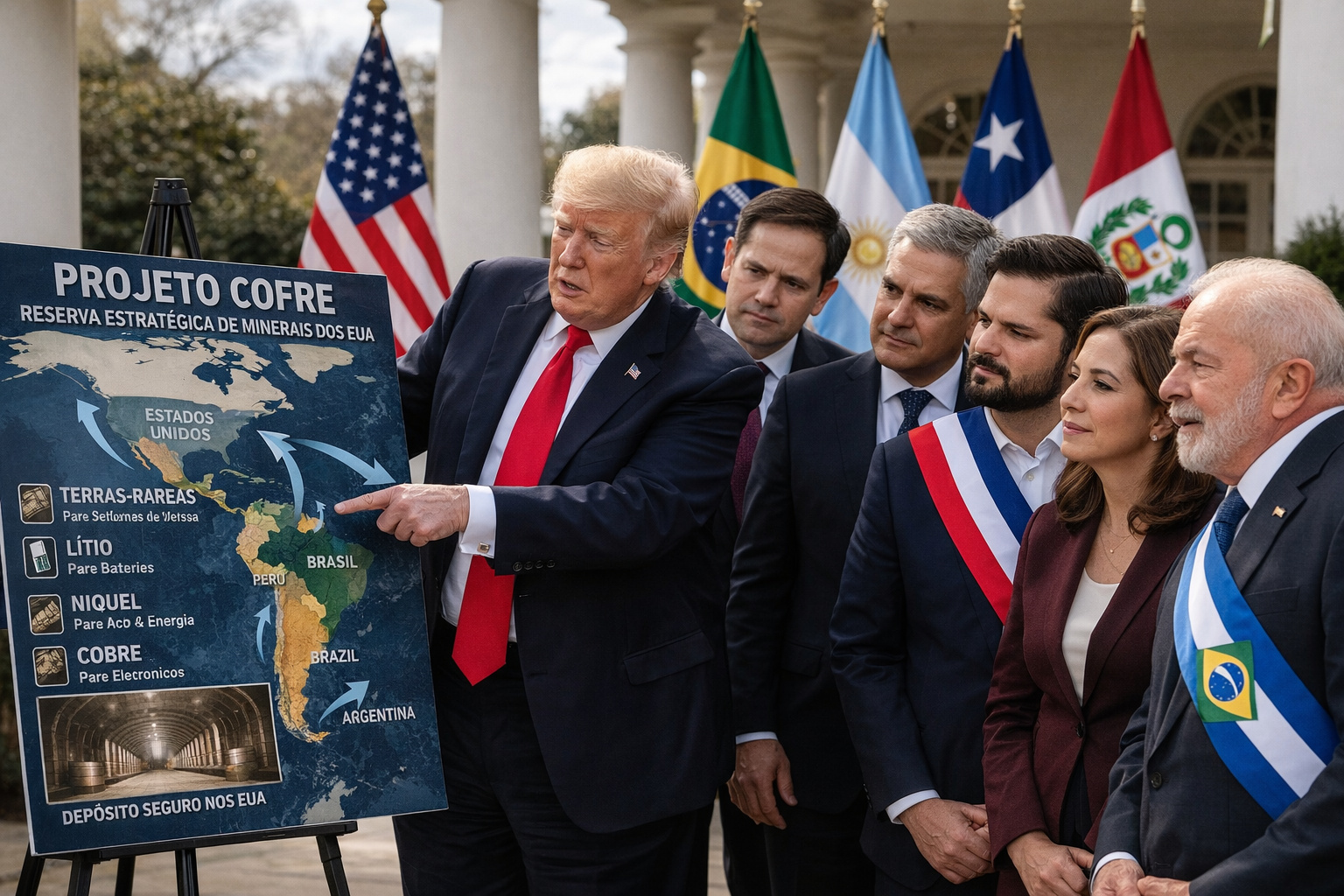
The USA announces a mysterious billion-dollar vault project to store critical minerals, but what intrigues experts is not just the plan itself, but why Latin America, including Brazil, has entered the center of this global dispute against China.
-
Trump Announces Bombing of U.S. Military Targets on Iranian Island Responsible for About 90% of Iran’s Oil Exports, Warns of Further Attacks if Navigation in Strategic Strait of Hormuz Is Threatened


Sustainability Cooperation: Agreement To Recover Pastures
In addition to beef trade, Brazil and Japan have signed a letter of intent for cooperation on projects to recover degraded pastures. The agreement aims to increase productivity in the field without expanding pasture area, which aids environmental preservation. The newspaper O Globo highlighted that this initiative is aligned with the sustainability goals of the Brazilian agricultural sector and opens doors for technological and environmental partnerships between the two countries, reinforcing the image of Brazil as a responsible food supplier.
Expectations Of The Beef Sector And Next Steps In Exports
The visit of the Japanese technical mission is expected to occur in the coming months and, according to the Ministry of Agriculture, will be decisive in consolidating Brazil as a beef supplier for Japan. Representatives of the sector believe that the moment is favorable, as Brazil is experiencing a phase of high competitiveness and credibility in international markets. The expansion of exports to Japan may also open space for new agreements with other countries in Asia. With the support of entities like CNA (National Confederation of Agriculture and Livestock of Brazil) and ApexBrasil, the sector hopes to accelerate the processes and celebrate the official opening of the Japanese market by 2025.









Seja o primeiro a reagir!