





 Portuguese
  English
  Spanish
  3 min of reading
  0 comments


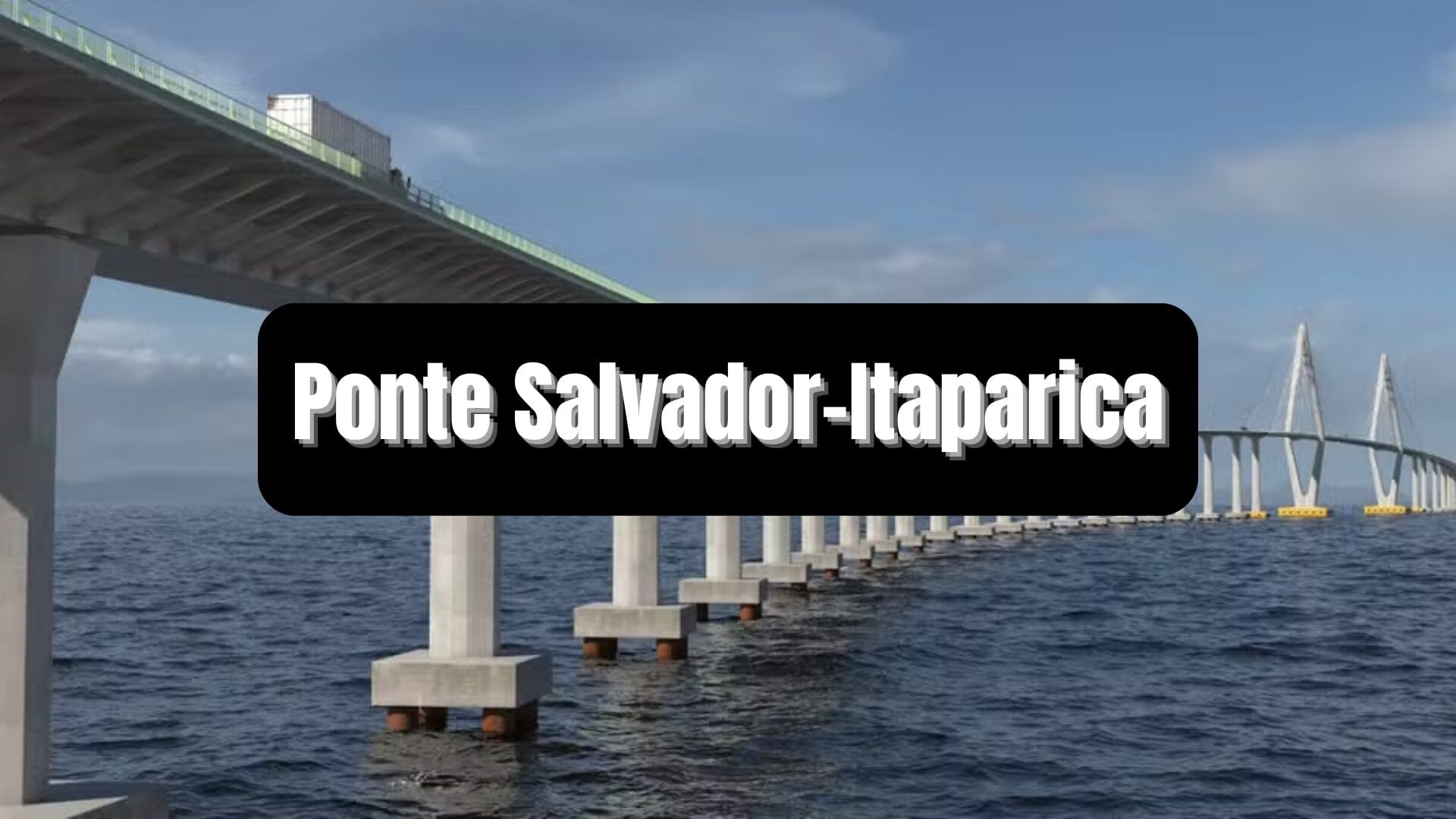
With Contract Revisions, Agility in Visa Issuance, and New Financial Investment, The Future of The Project Depends on Strategic Negotiations
During an official trip to China, the governor of Bahia, Jerônimo Rodrigues (PT), met with representatives of the consortium responsible for the construction of the Salvador-Itaparica Bridge, according to the blogdovalente site. This monumental project, with a length of 12.4 km, is considered a milestone for Bahia’s infrastructure and promises to revolutionize mobility in the region, as well as boost local economic development. However, in order for the project to move forward, three main requirements were presented that need to be met: contract revision, agility in visa issuance for Chinese engineers, and new financial investment from the Banco do Nordeste.
Contract Revision Due to High Costs
The first demand from the consortium relates to the rising costs of the project. Geological surveys revealed that the All Saints Bay features soft rock, which can significantly increase construction expenses. This geological condition is a critical factor, as unforeseen issues of this nature are common in large infrastructure projects and can cause delays and cost increases. Governor Jerônimo assured that the contract provides for the possibility of value revision in cases of such unforeseen events. Do you think this contractual flexibility is sufficient to guarantee the project’s viability?
Agility in Visa Issuance for Engineers
Another important point raised was the bureaucracy faced by Chinese engineers in obtaining work visas in Brazil. The sluggishness of the current process, characterized by long queues and diplomatic hurdles, has hindered the arrival of these essential professionals for the execution of the project. The governor highlighted the need for agility in visa issuance, as the quick presence of these engineers is crucial for the project’s progress. Do you believe that greater collaboration between governments could improve this situation?
-
The government requests the Federal Revenue Service for a new system to automate the income tax declaration, reducing errors, time, and bureaucracy for millions of Brazilians.

-
Pix in installments, international Pix, and contactless payment without internet: the Central Bank revealed the new features coming to the tool that is already used by almost every adult in Brazil.

-
Mercado Livre has just started selling medications with delivery in up to three hours to your door, and this move could completely change the way Brazilians buy medicines on a daily basis.

-
The lack of welders, electricians, and operators becomes a structural threat in 2025, with the construction industry and manufacturing already suffering from delays, cost pressures, and labor shortages in Brazil.

Need for New Financial Investment from Banco do Nordeste
The third requirement made by the consortium is an increase in financing from the Banco do Nordeste (BNB). So far, the bank has already invested R$ 3 billion, but now the Chinese are requesting an additional R$ 1.5 billion to ensure the start of construction activities for the bridge. This new financial investment is fundamental for the project to really take off. During his visit to China, the governor also organized a meeting between BNB representatives and Chinese executives, seeking a solution for the financial demands.
Furthermore, the government of Bahia has begun negotiations with the New Development Bank (NDB), also known as the BRICS Bank, which is headquartered in Shanghai and is presided over by Dilma Rousseff. This new initiative could bring in more resources and ensure that the consortium’s requirements are effectively met.
Expectations for the Bridge Construction

The discussions held in China bring new optimism for the construction of the Salvador-Itaparica Bridge, which is a crucial project for Bahia’s infrastructure. With the completion of the bridge, a significant impact on mobility and economic development in the region is expected, in addition to facilitating transportation between Salvador and Itaparica Island, reducing travel time and promoting tourism.
Can you envision how this bridge will transform the lives of citizens, easing access to services and opportunities? As for the economic impact, do you believe that the bridge could attract new investments to the region?
Stay updated on this important project and share your thoughts in the comments! Everyone’s participation is essential for us to debate and better understand the benefits and challenges that the construction of the bridge will bring to Bahia and its inhabitants.








Seja o primeiro a reagir!