





 English
  Francês
  Alemão
  Italiano
  Japonês
  Norueguês
  Portuguese
  Spanish
 3 min of reading


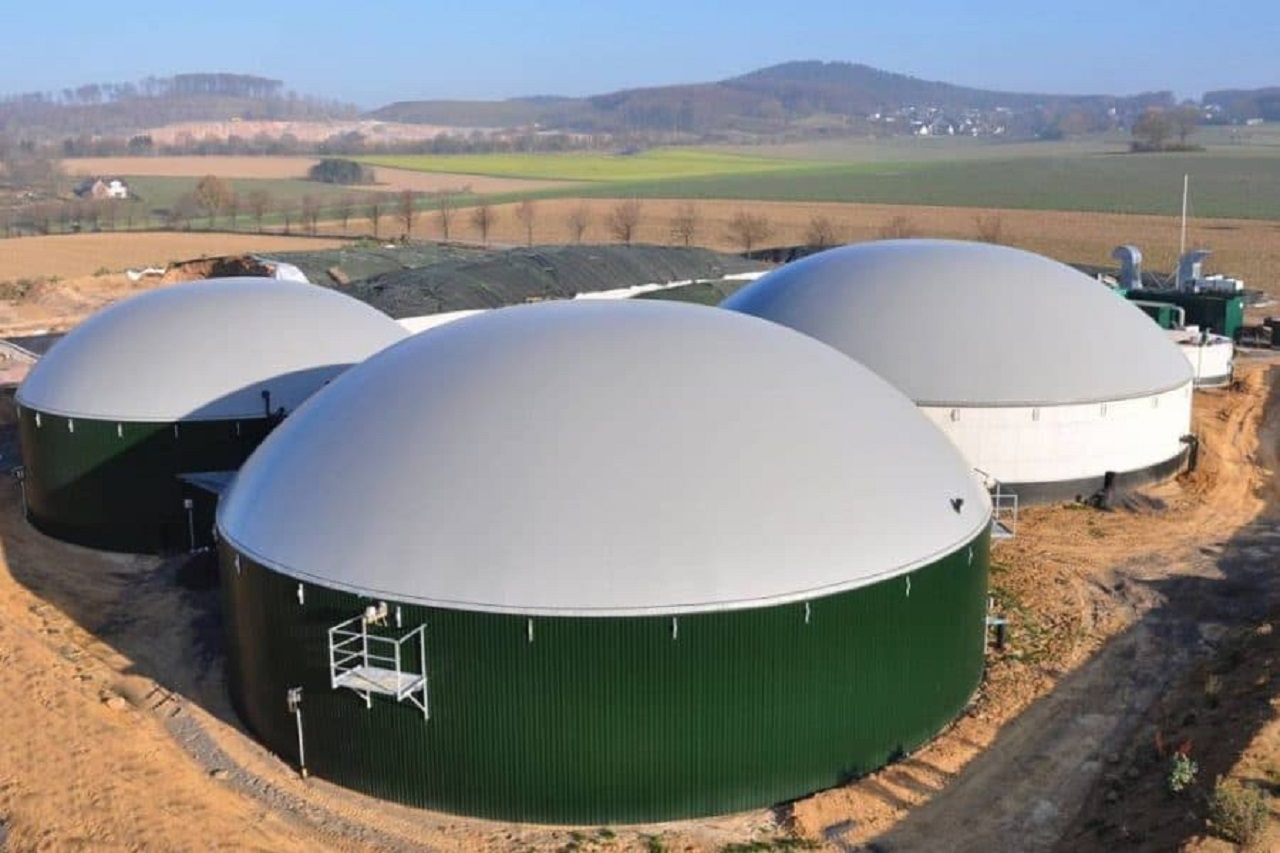
Brazil Advances with Focus on Sustainability and Announces Development of the First Plant That Converts Waste into Electricity, Generating 144 MW per Day.
Brazil is moving towards sustainability and, as such, São Paulo is already building its first plant that converts waste into electricity, expected to be inaugurated by the end of next year. The project that will bring the country closer to sustainability will be installed in the city of Palmital, about 400 kilometers from the capital, and will initially serve other 13 municipalities in the region.
Plant That Converts Waste into Electricity Will Avoid Almost 100 Thousand Tons of Waste
The waste will be collected from approximately 150 thousand homes, resulting in the generation of 144 MW/day, enough to meet the energy demand of nearly 30 thousand households, which will result in the generation of 144 MW per day, enough to meet the electrical energy demand of nearly 30 thousand homes per year.
Without a doubt, the main advantages of the plant that converts waste into energy are less waste and more savings on the electricity bill for residents of the municipalities. According to the Intermunicipal Consortium of the Paranapanema Valley (CIVAP), responsible for the project, the development of the plant will avoid the disposal of almost 94 thousand tons of waste per year in landfills.
-
With 160,000 m² of collectors, an area larger than 20 football fields, Silkeborg, in Denmark, hosts a solar thermal plant that heats 19,500 homes and could become the largest solar heating plant in the world.

-
A study reveals the expansion of renewable energy procurement in Brazil and shows how companies are taking advantage of opportunities to reduce expenses, ensure energy efficiency, and strengthen strategic environmental commitments.

-
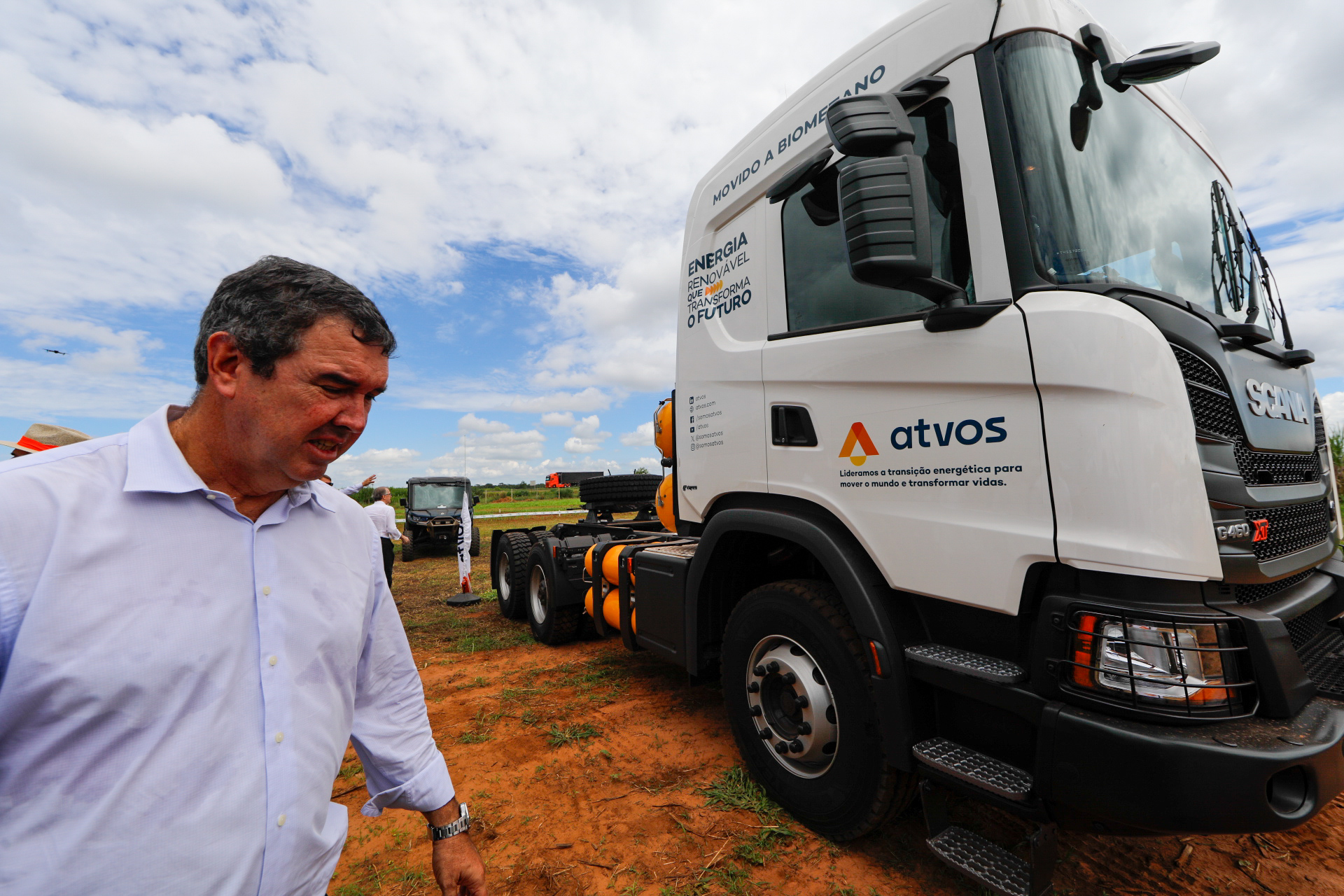
Mato Grosso do Sul excels in the sugar-energy sector: the state reaches a milestone of 22 operating mills and accelerates the production of clean energy in MS with a focus on sustainability.
-
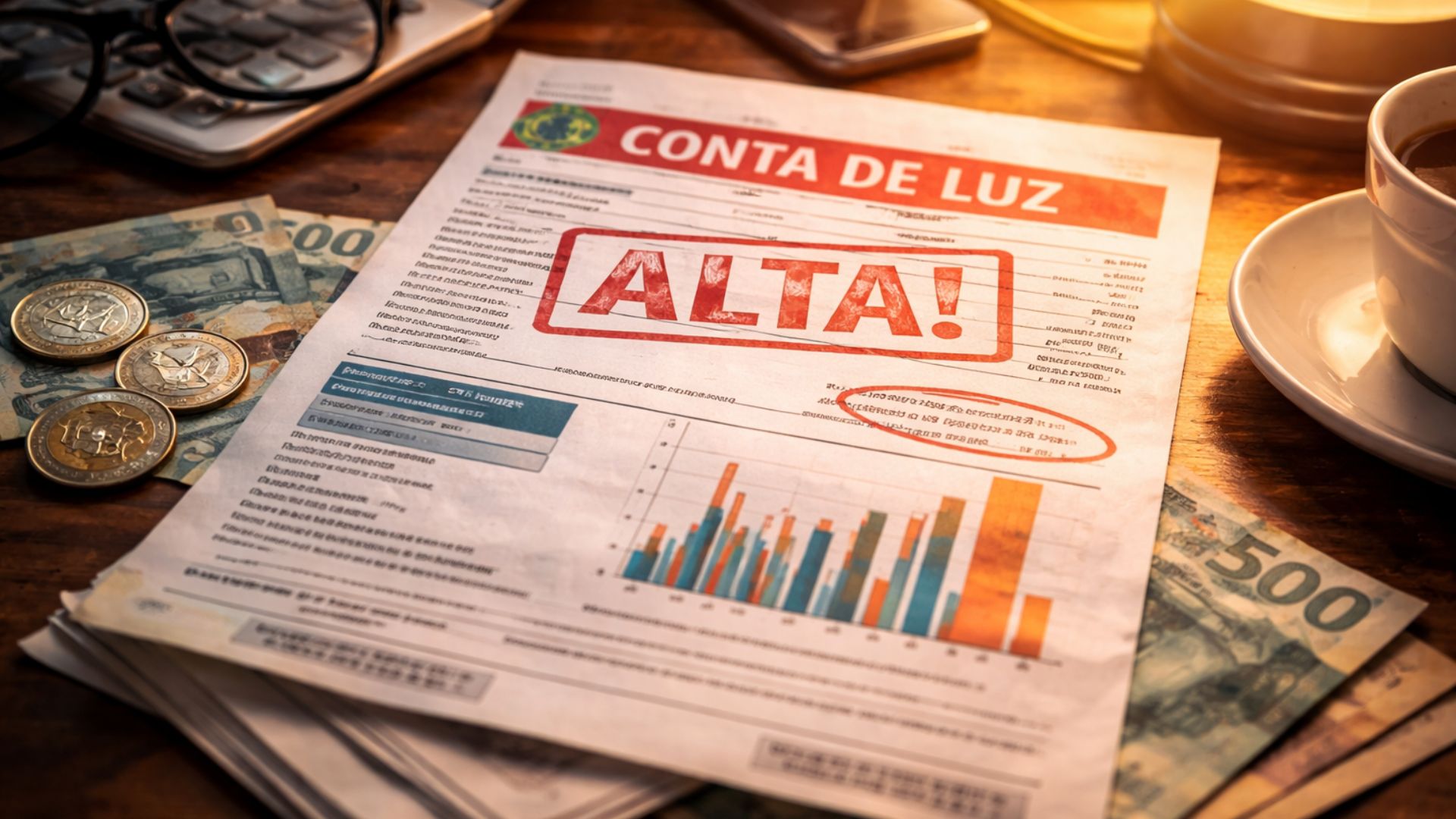
National energy dilemma: Brazilians support clean energy but reject increases in tariff costs to finance the sustainable transition.
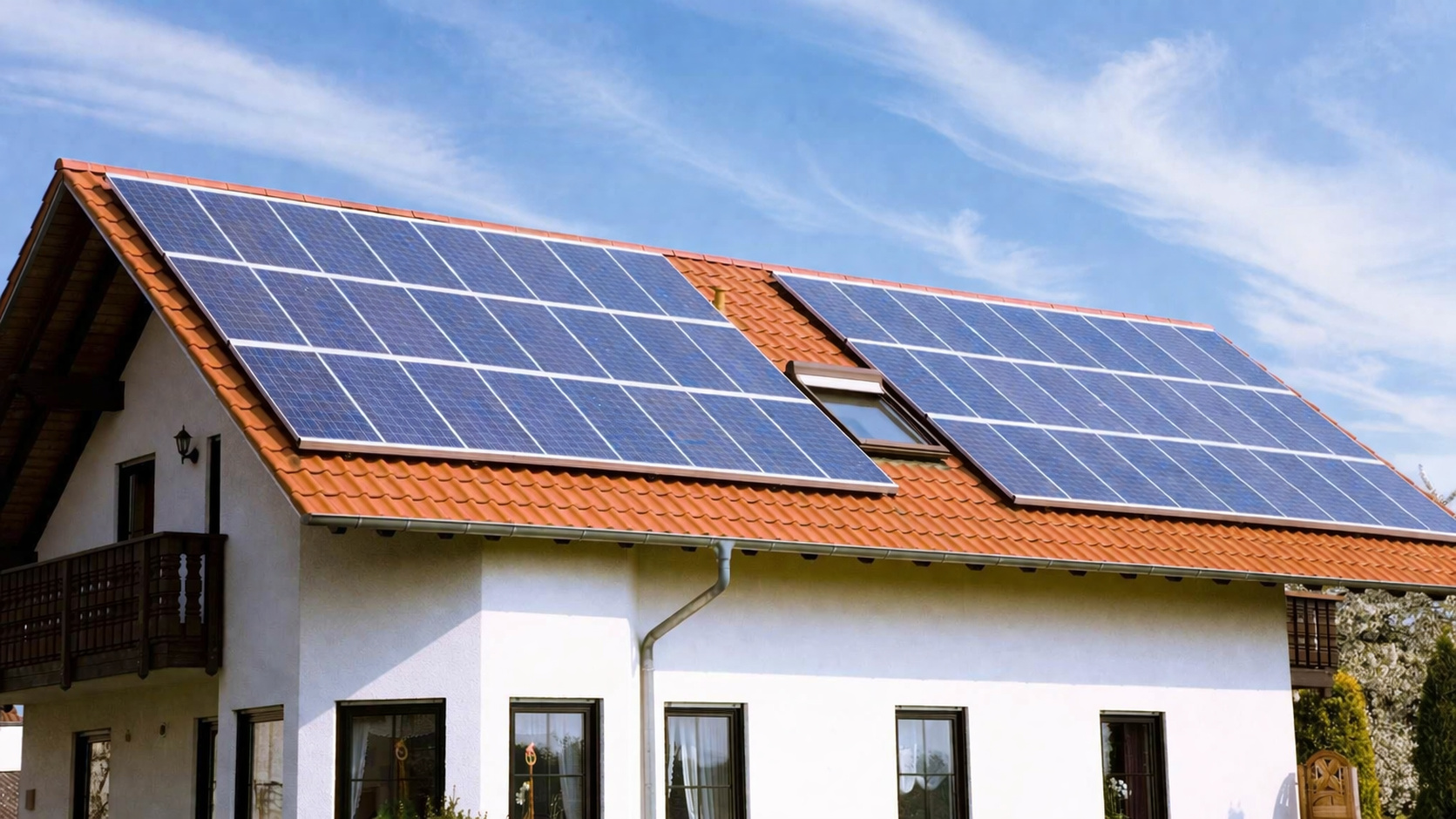

There is currently no expectation of how much electricity bills will be reduced, but it is anticipated that the amounts will decrease drastically, considering the rates currently charged by conventional plants.
Ashes from Waste Can Generate Other Products
Regarding the energy incineration process, the other partner in the project of the plant that converts waste into electricity, the utility BAL-CIVAP, assured that the ashes generated by the transformation of waste-derived fuel into gas are not harmful to the environment.
The generated ashes can also be reused to make bricks and asphalt mix. According to Luciano Reis Infiesta, president of Carbogás Energia, the project executor and patent holder, the company will receive the raw waste, carry out grinding, dehydration, and create a fuel that will subsequently be transformed into gas.
This will be the first time a plant is developed using technologies aligned with the 12 Sustainable Development Goals (SDGs). These goals make up a global UN plan to improve the planet’s sustainability by 2030.
Another Municipality in SP Will Receive Pyrolysis Technology
The municipality of Tupã, in the state of SP, will receive an Israeli machine at the beginning of next year that features pyrolysis technology. The machine uses waste to produce gas, electricity, and a variety of oils. The equipment was in the municipality during the month of November, and the initiative will serve as a basis for other municipalities in the country.
The arrival of the machine was announced on the social media of the municipality’s mayor, Caio Aoqui, who was in São Paulo alongside Anderson Luiz, Secretary of Agriculture, for meetings with technicians and engineers from the National Health Foundation, which mediated the municipality’s selection in SP to receive the equipment.
According to Aoqui, this machine is valued at R$ 18 million, meaning it is unlikely the country would be able to purchase it; however, it will serve as a baseline for other locations. The waste that the municipality receives that goes to the transfer station to be sent to the landfill, through this pyrolysis technology machine, can generate energy, gas, and oils.





-

Uma pessoa reagiu a isso.