





 Portuguese
  English
  Spanish
  5 min of reading
  0 comments


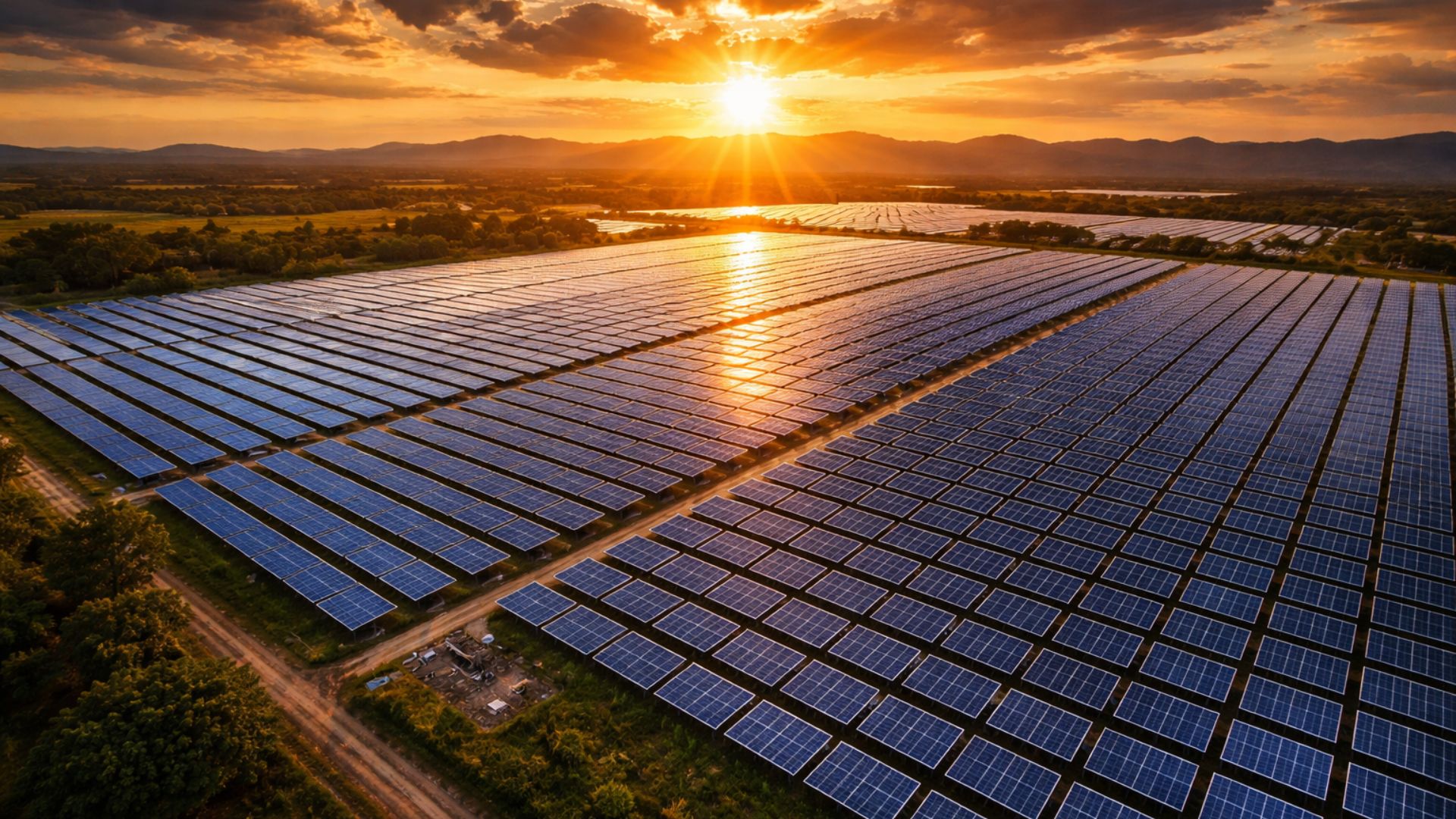
Brazil Reaches New Level in Solar Energy, with Expanding Solar Plants, Billion-Dollar Investments, Green Jobs, and Advancement of the Energy Transition in the Northeast and Southeast
The Brazil has surpassed the mark of 20 GW of installed capacity in large-scale solar plants, according to data released by the Brazilian Association of Photovoltaic Solar Energy (Absolar) and reported by CNN Brazil on Monday (12). This progress consolidates solar energy as one of the main pillars of the national energy transition, driven by billion-dollar investments, the generation of green jobs, and strong expansion in the Northeast and Southeast, regions that concentrate the majority of installed capacity.
Brazil Solidifies Growth of Solar Plants in the Electric Matrix
The milestone reinforces that solar energy has ceased to be a complementary alternative and has taken on a structural role in the Brazilian electric matrix. In a scenario of extreme heat, growing demand for electricity, and pressure on hydroelectric reservoirs, solar plants gain strategic relevance to ensure energy security and stability within the system.
The advancement of solar plants in Brazil is the result of a combination of technical, economic, and environmental factors. Since 2012, when the sector began to gain scale, the photovoltaic source has shown continuous growth, supported by a reduction in equipment costs, greater regulatory predictability, and increased interest from investors.
-
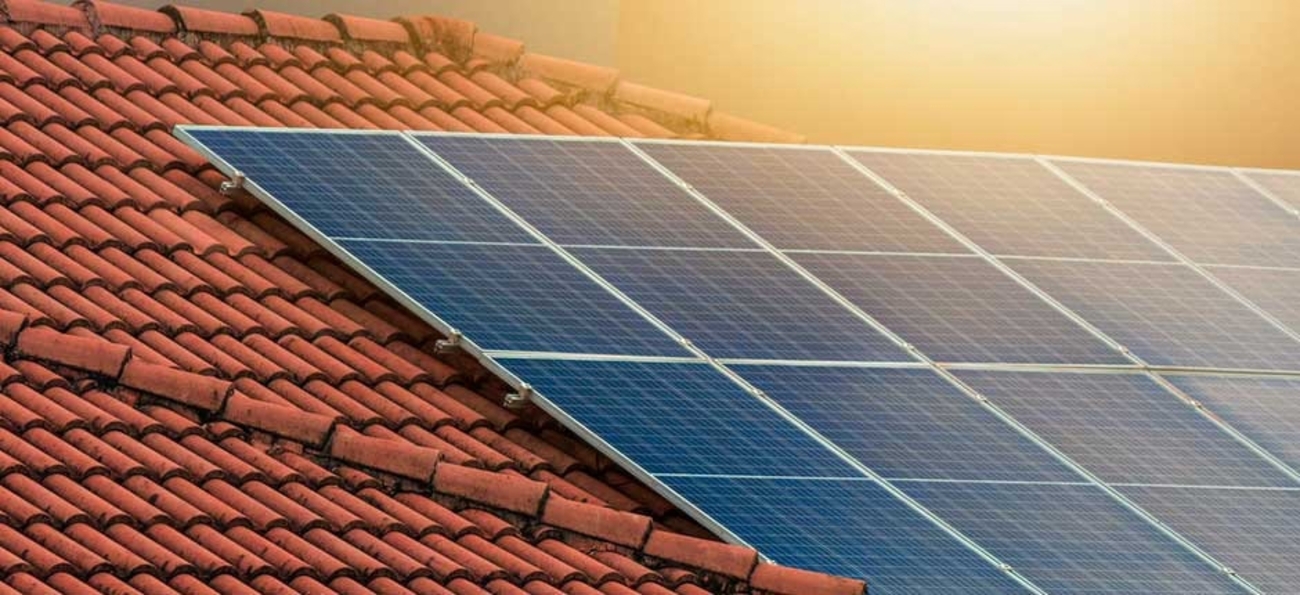
Roraima bets on the sun to escape high tariffs: Amid the energy crisis and price hikes, solar energy is growing in Roraima and transforming consumption in the North region.
-
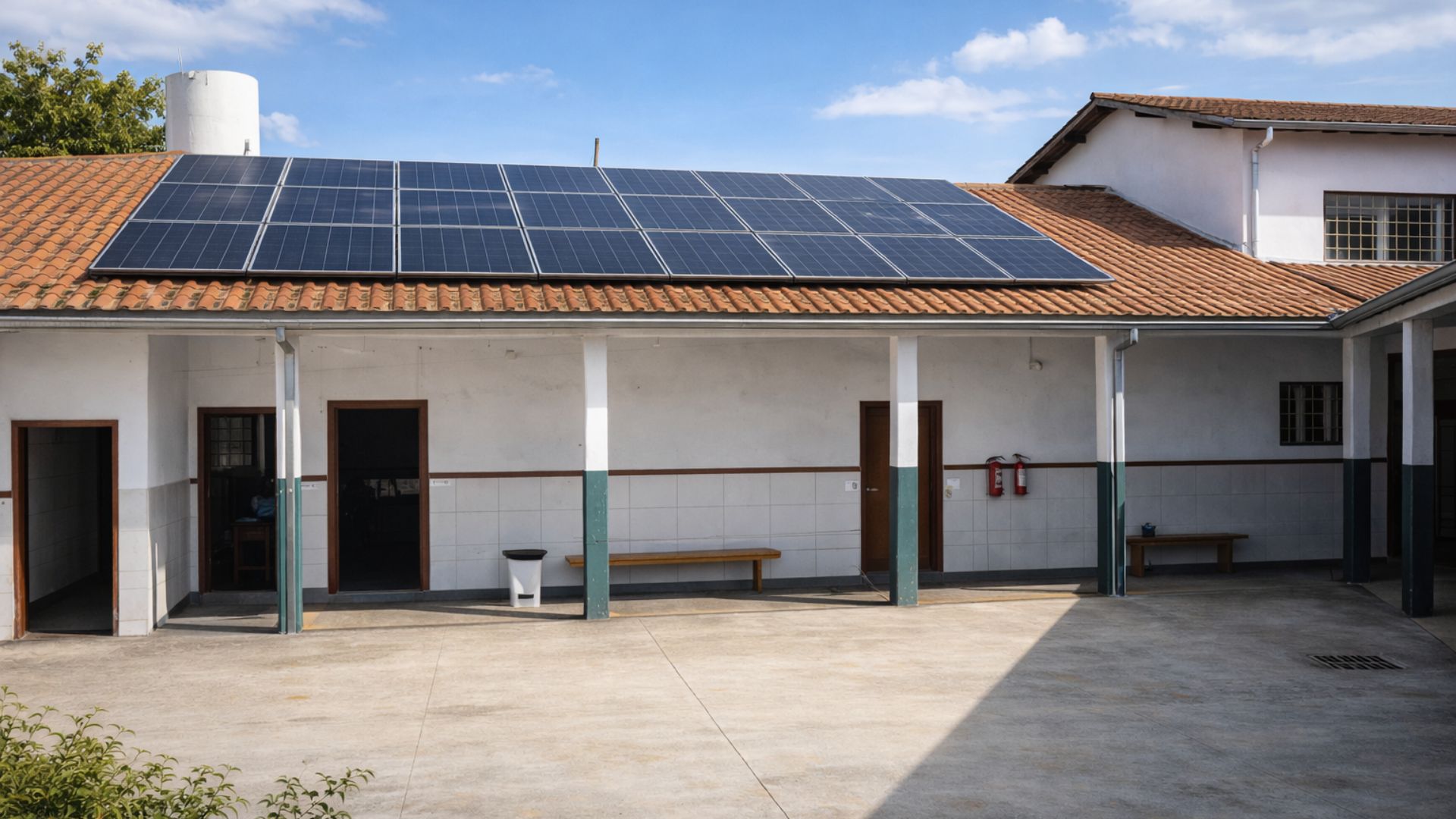
Copel boosts solar energy in Paraná and brings innovation to public schools, promoting savings on electricity bills, energy efficiency, and a direct impact on the quality of education.
-
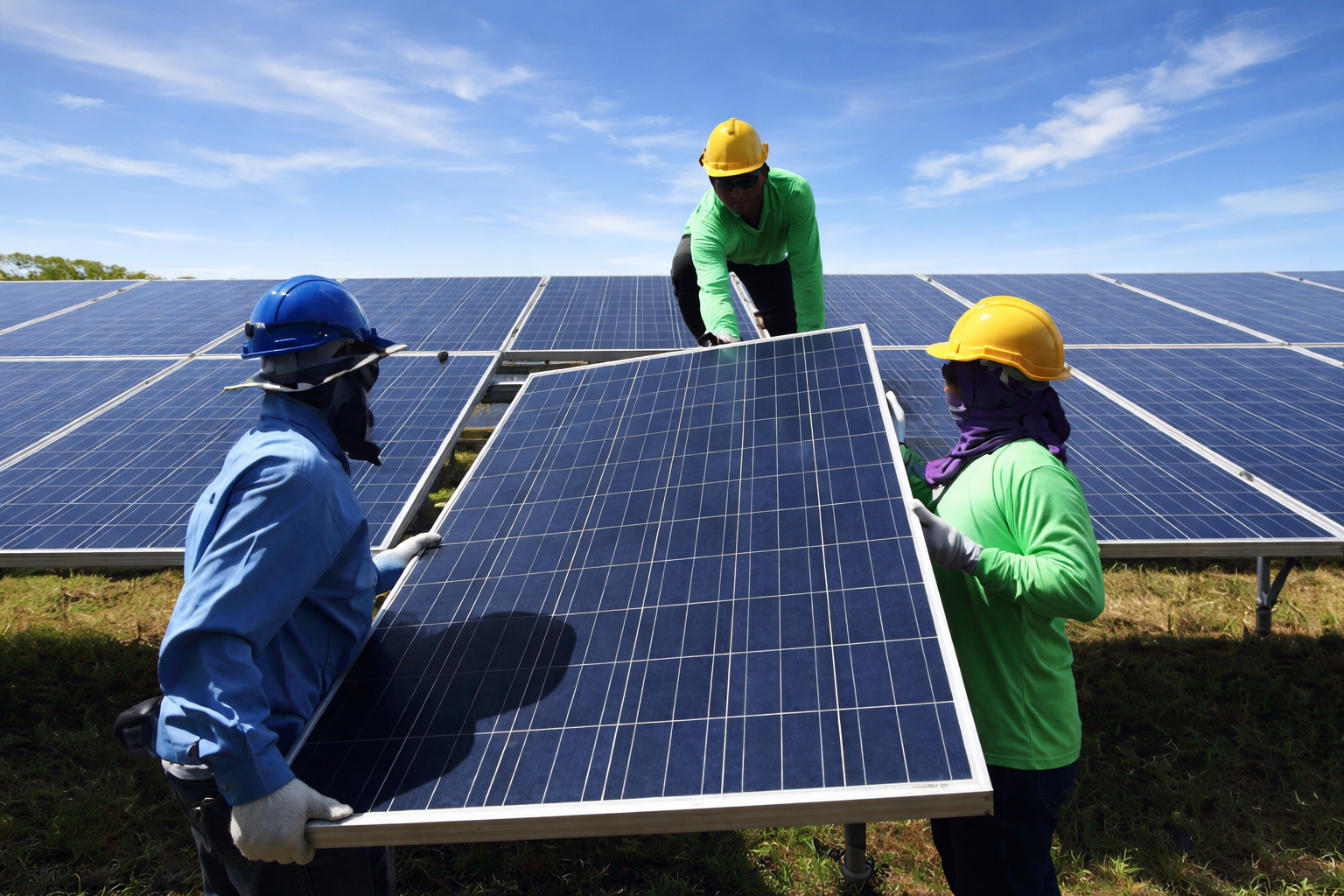
Brazil reaches historic milestone in solar energy: Sector surpasses 2 million accumulated green jobs and generates billions in the national economy even under market pressure.
-
Minas Gerais takes the lead in renewable energy: State surpasses historic mark of 14 GW in solar energy generation in MG and consolidates dominance in the Brazilian electric sector.
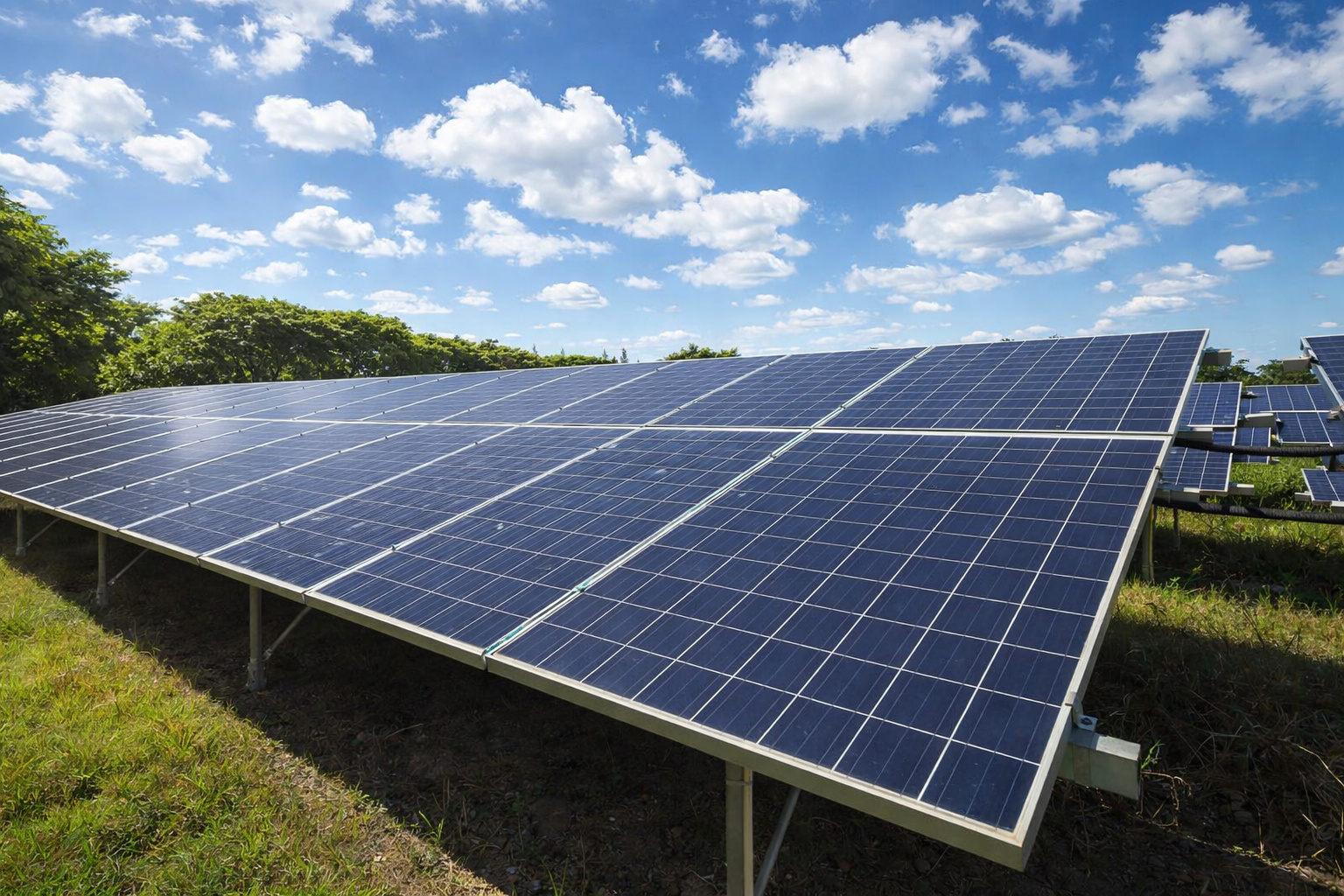

Exceeding 20 GW of centralized solar plants places Brazil among the largest solar markets in the world. This result also signals the maturity of the sector, which has begun to attract large-scale projects and long-term contracts, essential for the sustainable expansion of renewable generation.
Solar Energy in Brazil Reaches 63 GW with Distributed Generation
In addition to large solar plants, distributed solar energy plays a significant role in the expansion of the source. According to Absolar, when installations on rooftops, facades, parking lots, and small plots are added, the total solar energy capacity in Brazil already reaches 63 GW.
This number highlights the reach of solar energy, present in both large enterprises and residential, commercial, industrial, and rural consumption. As a result, the country broadens the diversification of the electric matrix and reduces dependence on sources more vulnerable to extreme weather events.
Billion-Dollar Investments Drive the Energy Transition in Brazil
Since 2012, the solar energy sector has mobilized R$ 87.7 billion in billion-dollar investments, according to data from Absolar. This financial volume reflects market confidence in the economic viability of solar plants and in the role of the photovoltaic source in the Brazilian energy transition.
Billion-dollar investments go beyond energy generation, impacting entire production chains. Equipment industries, engineering companies, construction, logistics, and specialized services have been directly benefited by the expansion of the solar sector in Brazil.
Solar Plants Create Green Jobs and Strengthen Regional Economies
Another direct impact of the expansion of solar plants is job creation. Since 2012, the sector has created over 601 thousand green jobs, including direct and indirect positions, according to the industry association.
These jobs stand out for being qualified, decentralized, and aligned with the low-carbon economy. Additionally, they contribute to regional development, especially in the Northeast and Southeast, where the largest solar projects and most of the employed workforce are concentrated.
Northeast and Southeast Lead the Expansion of Solar Energy
The geographic distribution of solar plants in Brazil shows a strong concentration in the Northeast and Southeast. According to Absolar, the Northeast accounts for 52% of the installed capacity, while the Southeast concentrates 46.8%.
Other regions appear with smaller shares: South (0.5%), Central-West, including the Federal District (0.28%), and North (0.26%). The prominence of the Northeast and Southeast is explained by the high solar incidence, the availability of areas, and proximity to major consumer centers.
Solar Plants Are Already Operating in All States of Brazil
Despite regional concentration, solar plants are already present in all Brazilian states. This progress demonstrates that solar energy has ceased to be regionalized and has become integrated into national energy planning.
The presence of solar plants throughout the national territory increases the resilience of the electric system, reduces operational risks, and broadens economic opportunities in different regions of Brazil.
Energy Transition Faces Operational and Regulatory Hurdles
Even with significant growth, Absolar warns of challenges that may compromise the pace of the energy transition. One of the main problems highlighted is the cuts in generation without compensation faced by centralized solar plant projects.
According to the entity, these restrictions reduce project predictability and directly affect the attractiveness of new billion-dollar investments. Without adjustments to planning and regulation, the advancement of solar energy may lose momentum.
Electrical Planning Is Essential for the Future of Solar Plants
To sustain the expansion of solar plants and the energy transition, Absolar advocates for modernizing Brazilian electrical planning. Among the priorities are the expansion of transmission lines, better integration of renewable sources, and strengthening the electric system’s infrastructure.
These measures are considered essential to ensure security, stability, and competitiveness in Brazil’s electric sector, especially given the rapid growth of solar energy.
Energy Storage Can Accelerate the Energy Transition
The president of Absolar, Rodrigo Sauaia, emphasized that the combination of solar plants and battery storage systems can bring significant benefits to Brazil.
According to him, the use of batteries increases supply reliability, improves the management of solar generation intermittency, and contributes to meeting the environmental commitments the country has made on the international stage. This integration is seen as a decisive step toward consolidating the energy transition.
Solar Energy Gains Prominence in a Scenario of Heat and Water Crisis
The growth of solar plants occurs in a context of more frequent heat waves, increasing electricity consumption, and reduced levels in hydroelectric reservoirs. In this scenario, solar energy becomes even more strategic for Brazil.
The photovoltaic source offers clean generation, quick deployment, and competitive costs, helping to relieve pressure on other sources and ensuring greater energy security for the country.
The Strategic Role of Solar Plants in Brazil’s Energy Future
The fact that Brazil has surpassed 20 GW of solar plants marks a new phase of the national energy transition. Supported by billion-dollar investments, the creation of green jobs, and expansion in the Northeast and Southeast, the solar sector consolidates itself as a central axis of Brazilian energy development.
The challenge now is to turn growth into long-term sustainability. Advancing infrastructure, transmission, and storage will be crucial for solar plants to continue driving the economy, strengthening electrical security, and positioning Brazil as a global reference in clean energy.








Seja o primeiro a reagir!