





 Portuguese
  English
  Spanish
  4 min of reading
  0 comments


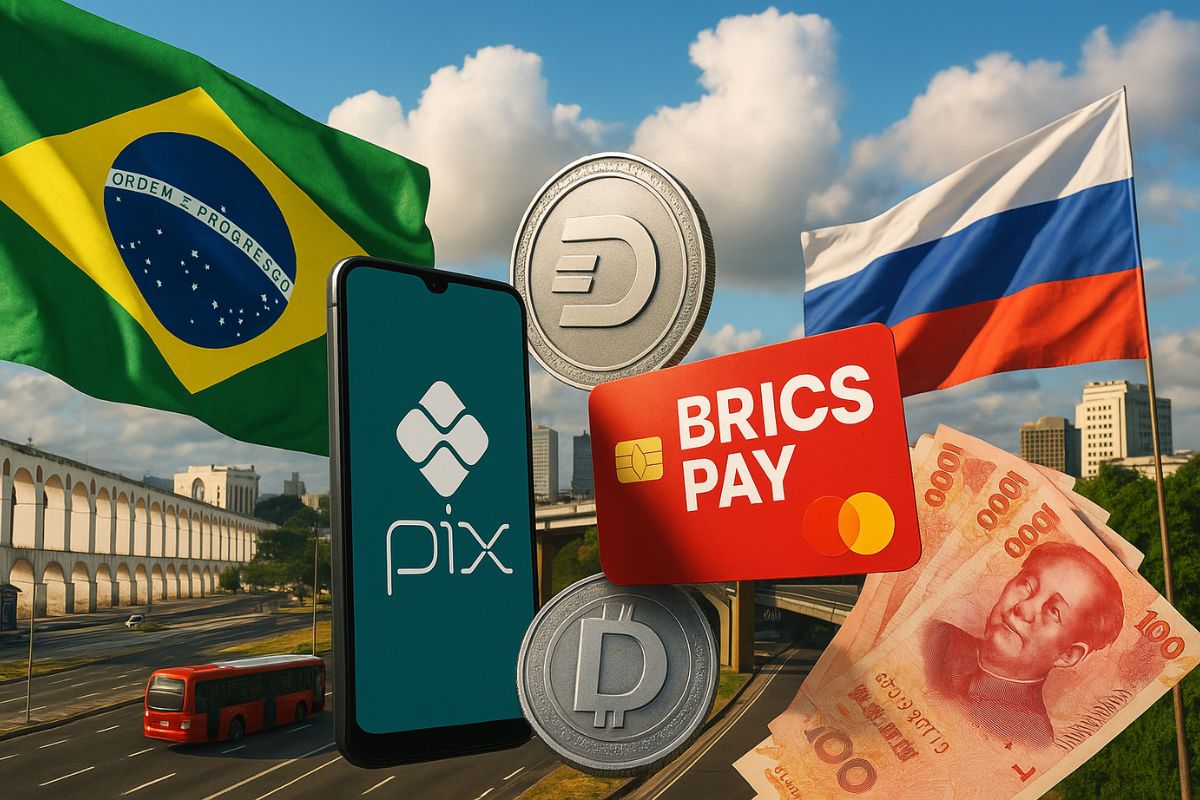
Brazil Becomes A Protagonist With Pix And Drex In BRICS Pay, Which Is Already Testing Between China And Russia, Integrates Indian UPI And Seeks To Reach 50% Of Trade In Local Currencies By 2027
The BRICS Pay Is Born With China Russia Tests And Places Brazil In A Prominent Position Thanks To The Experience Gained With Pix And The Development Of Drex, The Digital Real. The New Platform Aims To Reduce Dependence On The Dollar In International Transactions, Offering Instant And Low-Cost Payments Between The Countries In The Bloc.
The Goal Is Bold: By 2027, 50% Of Trade Between BRICS Countries Should Be Conducted In Local Currencies, Such As Real, Yuan, Rupee, And Ruble. With The Integration Of National Systems And The Use Of Blockchain, BRICS Pay Promises More Autonomy, Efficiency, And Security In International Operations.
The Role Of Brazil And The Success Of Pix
The Creation Of BRICS Pay Would Not Be Viable Without Brazil’s Influence, Which Presented The Bloc With The Successful Pix Model.
-
Unemployment rises again to 5.8% at the beginning of 2026, raising alarms about the end of temporary positions and its impact on the Brazilian job market.

-
Document organization can cut invisible costs in small businesses, a simple step that prevents waste, rework, and losses in daily operations.

-
Chinese giant worth nearly R$ 4 billion that manufactures cables for electric cars, solar energy, and robotics wants to open a factory in SC.
-
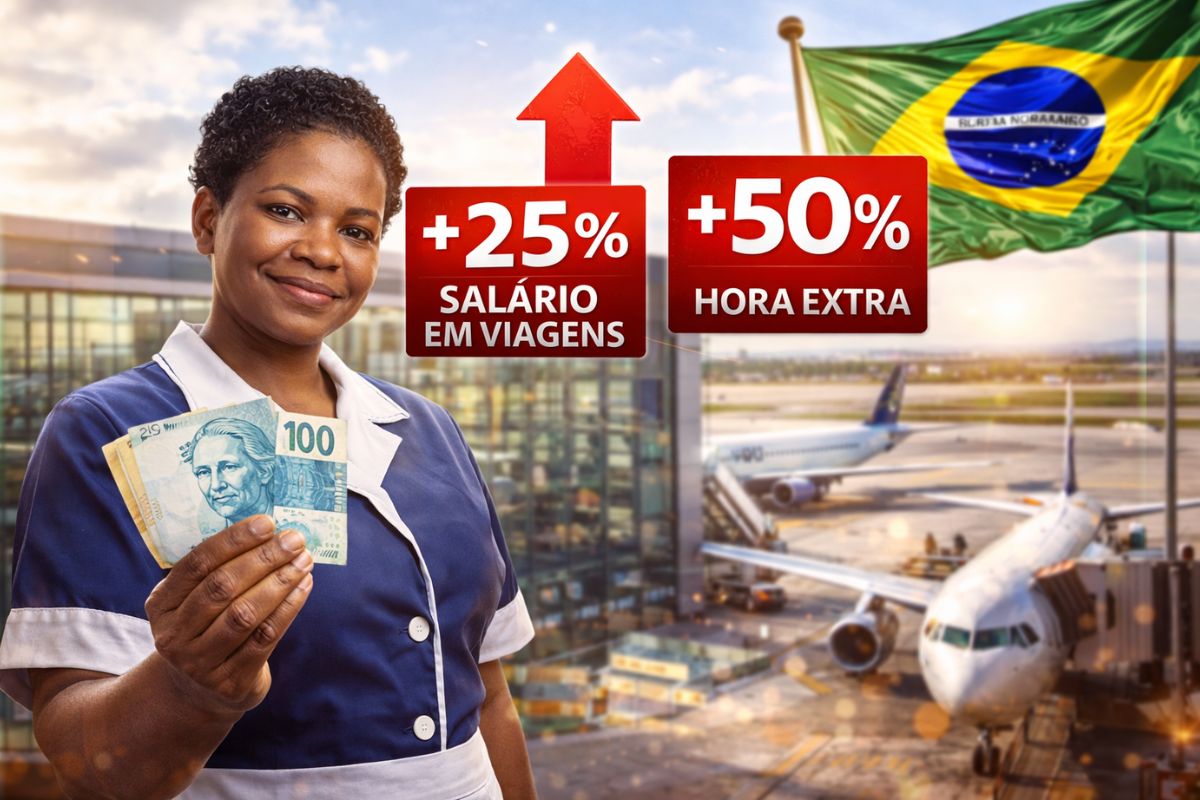
Many employers do not know, but the law guarantees domestic workers a 25% increase in salary during trips, 50% for overtime, 20% for night shifts, and 17 additional benefits that can lead to labor lawsuits if not paid.

Since 2020, The Brazilian Instant Payment System Has Become A Global Reference, With Billions Of Monthly Transactions.
This Infrastructure Inspired The Architecture Of The New Platform And Ensured The Country A Technical And Political Leadership Role Within BRICS.
In Addition To Pix, Brazil Is Advancing In The Implementation Of Drex, The Digital Real.
Drex Is Already Undergoing Tests In Direct Connection With The Chinese Yuan, Reinforcing The Integration Between Local Currencies And Reducing Costs For Exporters And Importers.
The Country Assumes The Rotating Presidency Of BRICS In 2026, When It Will Have The Mission To Coordinate The Next Technical Advances Of The Platform.
Initial Tests Between China And Russia
The First Bilateral Tests Began Between China And Russia, With About 500 Daily Transactions Already Being Processed.
The Operation Uses The Decentralized Network DCMS, Developed In Russia, Which Allows Up To 20,000 Messages Per Second And Offers High Security Against Fraud.
Each Country Manages Its Own Node, Avoiding Power Concentration In A Central Authority, As Happens In The SWIFT System.
More Than 200 Russian Financial Institutions Have Already Joined The Project, Highlighting Banks Operating Through The SBP, The Country’s Instant Payment System.
The Rapid Progress Indicates That The Technological Base Is Ready To Scale.
Integration With National Systems
BRICS Pay Is Born Connected To Existing Platforms In Each Country.
The Brazilian Pix Leads With Its Scale, The Indian UPI Accounts For Billions Of Monthly Operations, The Russian SBP Serves Hundreds Of Banks, And The South African PayShap Covers Local Payments.
China Operates With The IBPS, A System That Supports The Digital Yuan.
This Integration Ensures Full Interoperability Among Bloc Members, Overcoming Compatibility Barriers That Still Limit The Use Of SWIFT And Reducing Currency Conversion Costs, Which Can Fall By Up To 30% For Exporters.
Strategic Objectives By 2027
The Project Aims To Increase The Use Of Local Currencies To 50% Of Internal BRICS Trade By 2027.
Today, About 84% Of Global Transactions Still Occur In Dollars, But The Bloc Aims To Decrease This Hegemony And Strengthen Its Financial Sovereignty.
In Addition To Reducing Costs, The Platform Ensures Greater Protection Against External Sanctions And Increases The Competitiveness Of Global South Countries.
Industries Such As Agribusiness, Mining, And Renewable Energy Are Already Identified As The Biggest Beneficiaries.
Challenges Ahead
Despite The Optimism, There Are Regulatory And Political Challenges.
The Harmonization Of Financial Legislation Among Ten Countries Is Complex, And Tax And Foreign Exchange Issues Require Continuous Negotiations.
Additionally, Western Resistance, Particularly From The United States, Has Already Manifested In Threats Of New Trade Tariffs.
Another Point Is The Internal Balance Of The Bloc: China Seeks Greater Prominence While India Advocates For More Equitable Rules.
Consensus Among Members Will Be Essential For The Success Of BRICS Pay.
The Fact That BRICS Pay Is Born With China Russia Tests Shows That The Project Has Evolved Beyond Being Just A Political Idea And Is Starting To Solidify As A Concrete Alternative To The Dollar-Dominated Financial System.
With Pix And Drex, Brazil Assumes A Central Role And May Reap Billions In Gains In Efficiency And Autonomy.
In Your Opinion, Will BRICS Pay Be Able To Truly Change The Logic Of International Trade Or Will It Face Political And Economic Barriers That Limit Its Reach? Leave Your Comment And Join The Debate On The Global Financial Future.










-

-

-

-

-

-

396 pessoas reagiram a isso.