





 Português
  Inglês
  Espanhol
  6 min de leitura
  0 comentários



Chinese Automakers Intensify Presence in Brazil, Driving Changes in the National Automotive Market and Increasing Local Manufacturers’ Concern Amidst the Growth of Imports and Billion-Dollar Investments in Factories and Strategic Partnerships.
The presence of Chinese automakers in Brazil has triggered an unprecedented transformation in the national automotive sector.
Brands such as BYD and GWM, among others, have been expanding their share in the Brazilian market, intensifying competition in a landscape already pressured by high interest rates and rising delinquency.
According to a report by Gazeta do Povo, this movement, driven by the search for China’s overproduction for alternative markets due to domestic overproduction, raises concerns among manufacturers established in the country, who see the possibility of an “industrial blackout” and risks for the local production chain.
-
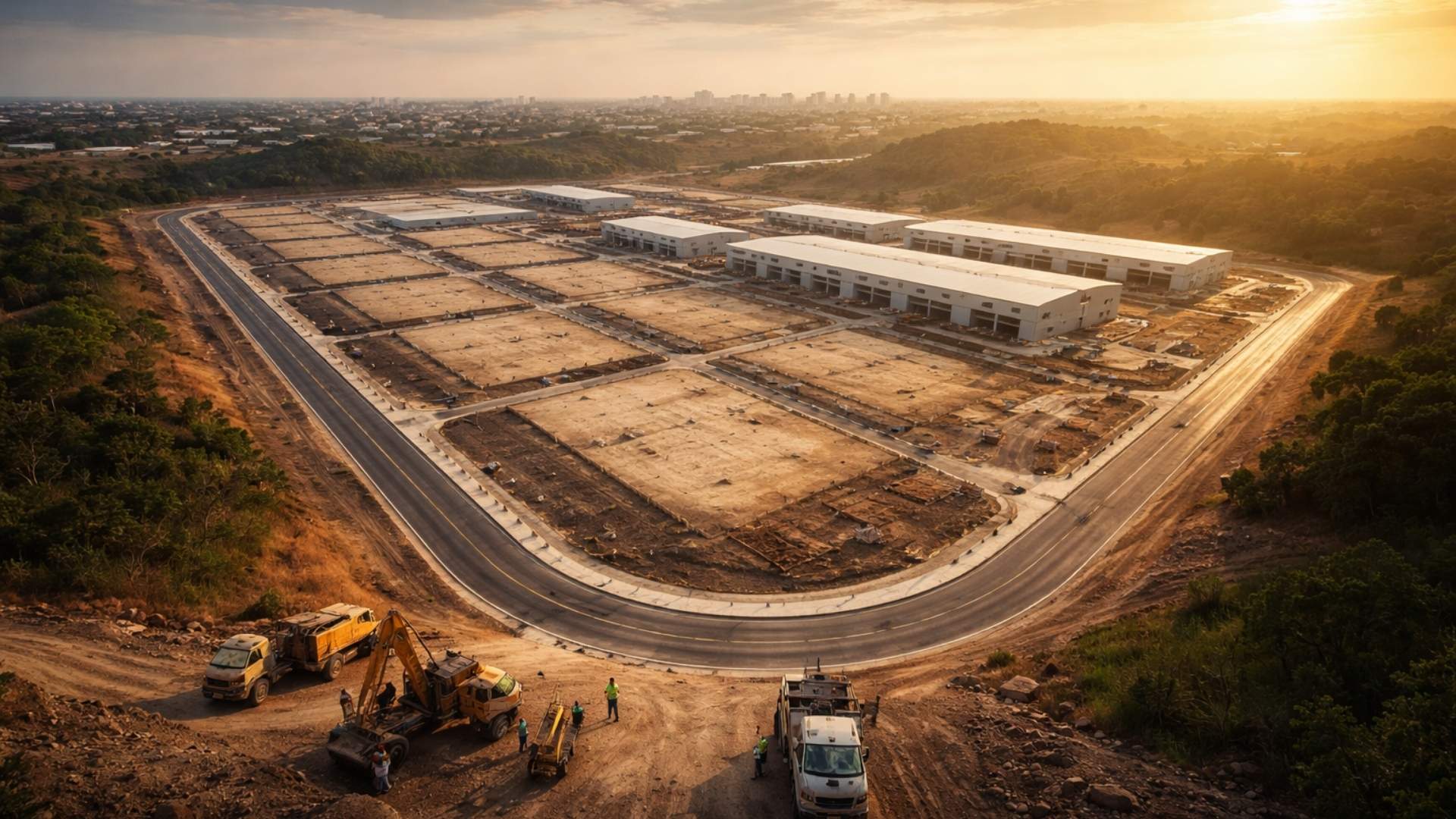
Brazilian city gains industrial hub for 85 companies that is equivalent to 55 football fields.

-
Peugeot and Citroën factory in Argentina cuts production by half and opens a layoff program for more than 2,000 employees after Brazil drastically reduced purchases of Argentine vehicles.

-
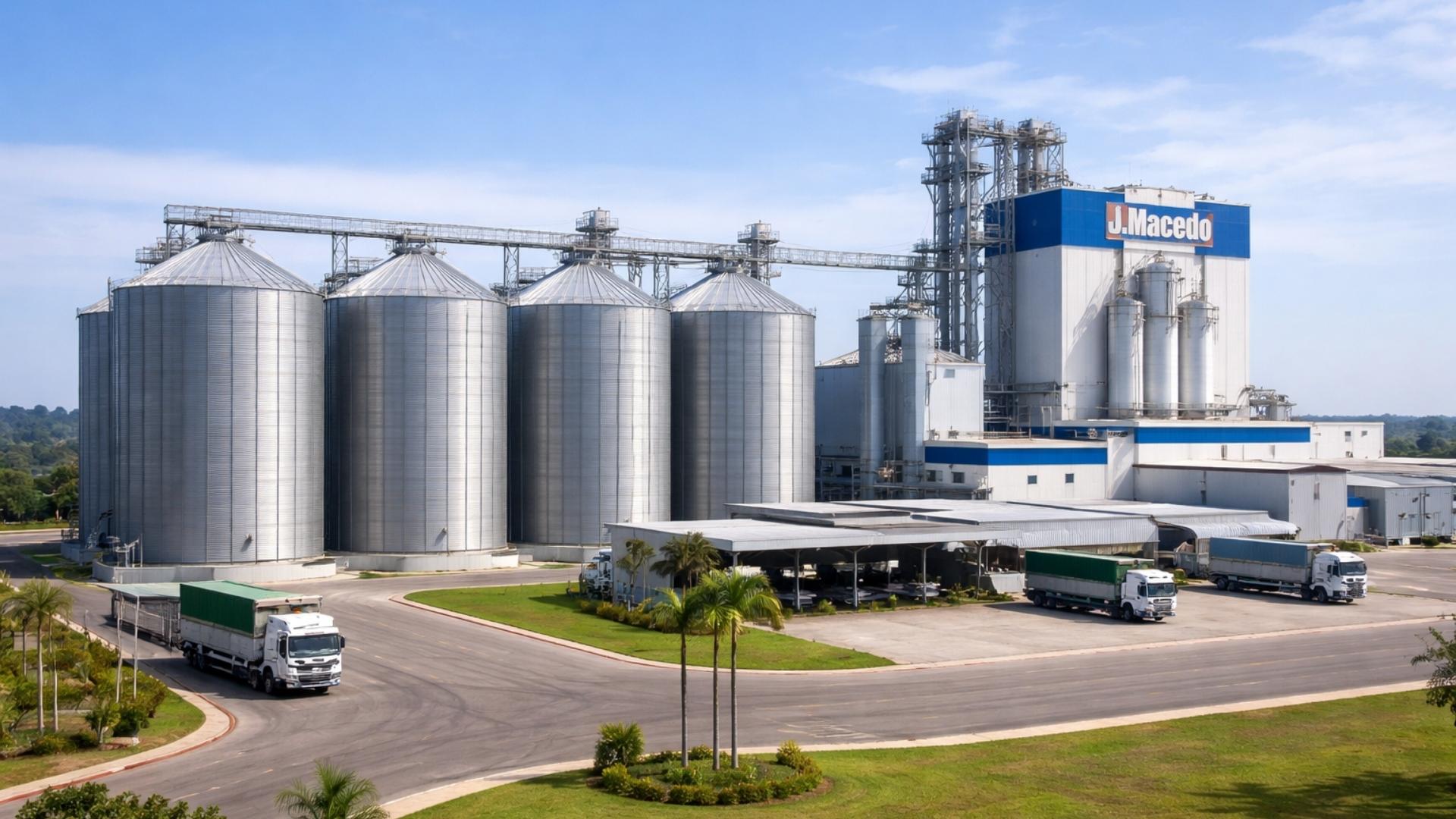
A Brazilian city gains a factory worth R$ 300 million with the capacity to process 200 thousand tons of wheat per year, a mill of 660 tons/day, silos for 42 thousand tons, and an industrial area of 276 thousand m².
-
Havan will leave the shopping mall in Blumenau to inaugurate something that the chain has never done before: a megastore in half-timbered style in the Historic Center of the city, which is expected to be completed in May and change the landscape of local retail.


Chinese Automakers Expand Investments and Imports in Brazil
The Chinese offensive occurs through three main strategies: increased imports, establishment of factories, and partnerships with national companies.
BYD, for example, reached the fifth position in the Brazilian ranking in June 2025, with 8.7% market share in retail and leadership in more than a hundred municipalities, including capitals like Maceió, Brasília, and Porto Velho.
In the electrified segment, especially 100% electric vehicles, the company dominates 77% of the market.
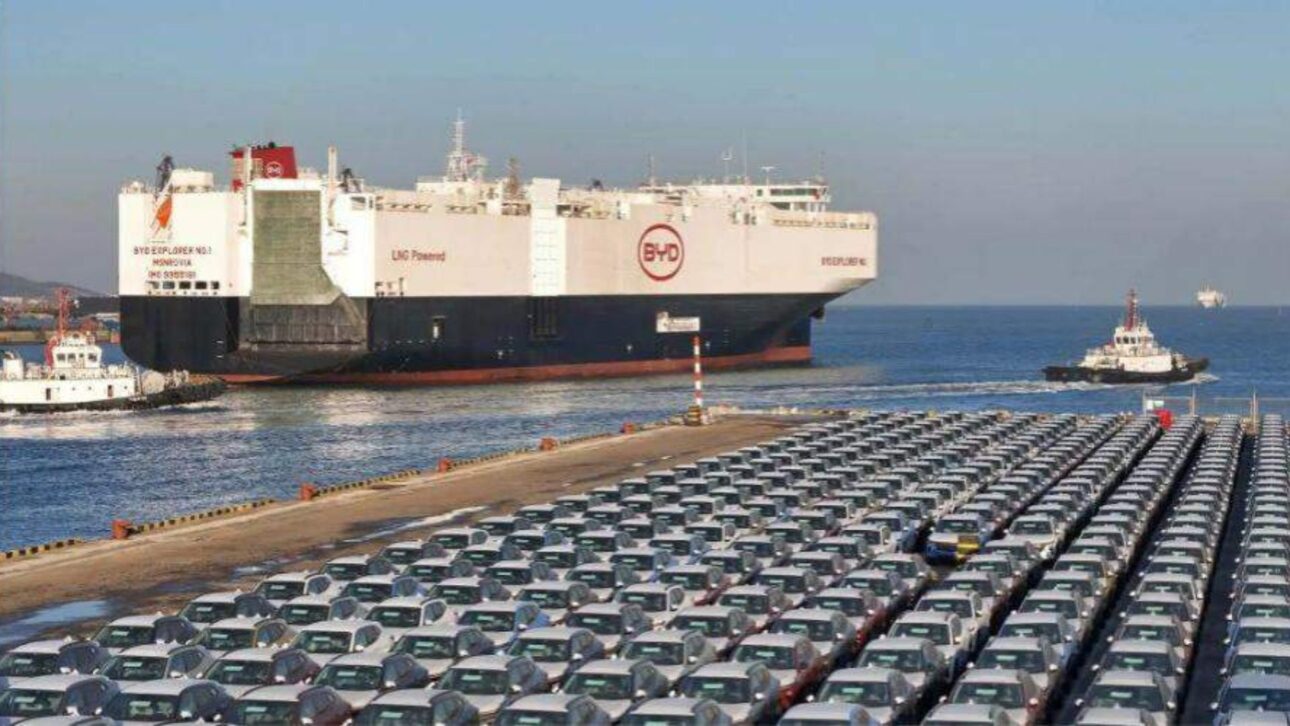
Part of this advance is due to large-scale imports, using their own ships, such as the BYD Shenzhen, which disembarked 7,292 electric vehicles at the Itajaí (SC) port in May of this year, marking the largest operation of its kind ever recorded in Brazil.
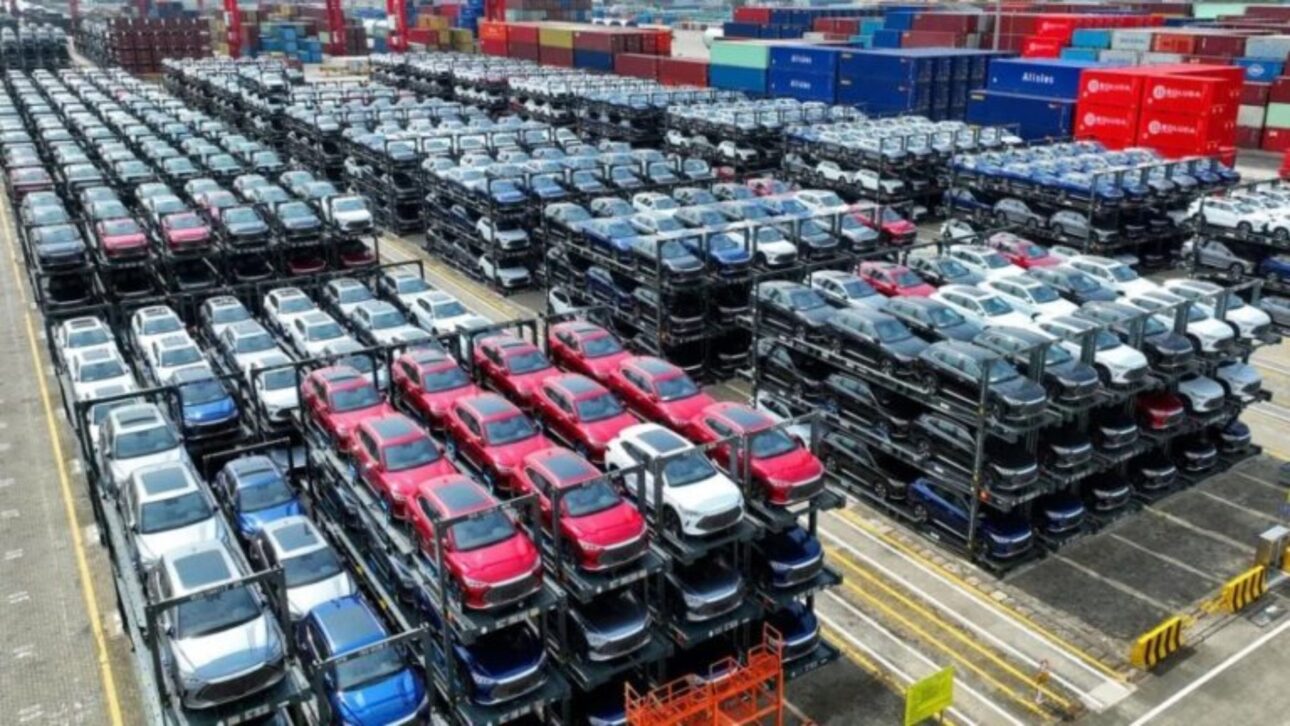
The industry’s expectation is that imports of vehicles from China will grow nearly 40% in 2025, reaching around 200,000 units, equivalent to 8% of the total light vehicles sold in the country.
Alongside imports, local production is seen as a pillar for consolidating Chinese operations.
BYD is investing R$ 5.5 billion in the former Ford factory in Camaçari (BA), transforming the complex into the largest manufacturing unit of the group outside Asia, with an estimated capacity of up to 600,000 vehicles per year and potential to serve as an export platform to other countries in the Americas.
However, BYD’s national production initially focuses on the SKD (semi knocked down) model, where the body arrives already welded and painted from China, and the other components, almost all imported, are assembled in Brazilian territory.
By July 2025, only Continental Pneus had been certified as a national supplier, while another 105 Brazilian companies were in the certification process.
Chinese Advance Affects Competition and Jobs in the Automotive Sector
GWM (Great Wall Motors), another Chinese automaker, is also accelerating its operations in Brazil, with growth seven times higher than the sector average in the first half of 2025, registering 15,261 registrations.
The Haval H6 model has established itself as the best-selling hybrid SUV in the country year-to-date.
The company is preparing to inaugurate its factory in Iracemápolis (SP) in 2025, planning to invest R$ 10 billion by 2032 and plans to expand the nationalization of the supply chain.
Another significant move is the return of Geely to Brazil after nine years, bringing 680 electric vehicles disembarked in Paranaguá (PR) in June and planning to start sales as early as this month.
Geely has partnered with the Renault Group to evaluate the production of hybrid and electric vehicles in São José dos Pinhais (PR), with the possibility of becoming a minority shareholder in Renault do Brasil.
China’s Overproduction and Global Price War
This Chinese advance is not exclusive to Brazil, reflecting a global phenomenon fueled by excess productive capacity and the price war within China, where around 115 electric vehicle brands operate.
China, the world’s largest manufacturer and exporter of automobiles, tripled its exports in three years, totaling 4.7 million units in 2023 and projecting 7.3 million by 2030.
In response to this internal pressure, Chinese automakers are seeking markets in the so-called “Global South” – Latin America, Southeast Asia, the Middle East, and Africa, where competition is lower and regulatory requirements are less stringent.
In 2024, Chinese brands accounted for 82% of battery electric vehicle sales in Mexico, Brazil, Argentina, and Chile.
In Europe, the advance is also notable: according to consulting firm Jato Dynamics, in May 2025, Chinese brands reached 5.9% of total sales, more than double the previous year.
BYD surpassed Tesla in electric vehicle sales in the European continent in April 2025, highlighting the region’s strategic importance for the automaker.
To mitigate tariffs and logistical costs, Chinese companies have invested in building factories in different countries.
BYD, in addition to the plant under construction in Hungary, chose Brazil to establish its first unit outside Asia.
However, protectionist measures have already begun to emerge: the European Union has raised tariffs on Chinese electric vehicles, and other markets, like Russia, have imposed extra charges on imported cars in an attempt to limit the Chinese advance.
Impacts on Employment and Pressure for Protection of the National Industry
The rapid expansion of Chinese automakers causes concern in the Brazilian automotive sector.
Igor Calvet, president of the National Association of Motor Vehicle Manufacturers (Anfavea), stated that the increase in imports already represented 54% of market growth in May 2025.
The imbalance between the expansion of imported sales and the stagnation of national production is evident: while domestic vehicle sales rose 2.6% in the first half, imports grew 15.6%.
There was even a 10% drop in sales of locally produced light vehicles.
The issue of employment is one of the main points of concern.
The Brazilian automotive sector recorded more than 600 direct layoffs in recent months.
According to Calvet, the volume of imports in the first half of 2025 (228.5 thousand units) is equivalent to the annual production of a large national factory, responsible for over 6,000 direct jobs.
The adoption of less sophisticated assembly processes, such as SKD/CKD, also results in lower generation of indirect jobs – only two to three for each direct position, compared to about ten in highly integrated plants.


Taxes, Expensive Credit, and New Strategies in the Sector
The Anfavea advocates for the maintenance of the Import Tax on semi-knocked-down vehicles as a strategy to protect the local industry and avoid a process of deindustrialization.
At the same time, it pressures the federal government to advance the increase in import tariffs on electric vehicles, currently at 18% for pure electrics, 20% for hybrids, and 25% for plug-in hybrids, with a forecast to reach 35% only by mid-2026.
The Brazilian economic environment adds more challenges to the sector.
The Selic rate, at 15% per year, is at its highest level since 2016 and hinders access to credit.
The deliquency rate for companies reached 3.3%, the highest level since 2017, while among individuals it reached 5.16%, the highest rate since 2023.
Restricted credit particularly affects the heavy truck segment, which saw a 3.6% decline in sales in the first half of 2025, according to data from the Central Bank of Brazil.
The National Federation of Motor Vehicle Distribution (Fenabrave) also highlights the challenges posed by high interest rates, which impact financing and reduce sales pace in segments like trucks and road implements.
On the other hand, the market for cars and light commercial vehicles, primarily aimed at individual consumers, remains more resilient, supported by full employment and rising incomes, as well as differentiated financing conditions offered by automakers’ banks.
Fenabrave’s projections for 2025 have been adjusted: a 7% decline in truck sales, but maintaining growth for cars (5%), buses (6%), and motorcycles (10%).
In light of the advance of China’s overproduction and competitive pressure, how can Brazil protect its automotive industry without compromising innovation and access to new technologies? What is the ideal balance between market openness and preservation of national jobs?







Seja o primeiro a reagir!