





 Portuguese
  English
  Spanish
  3 min of reading
  0 comments


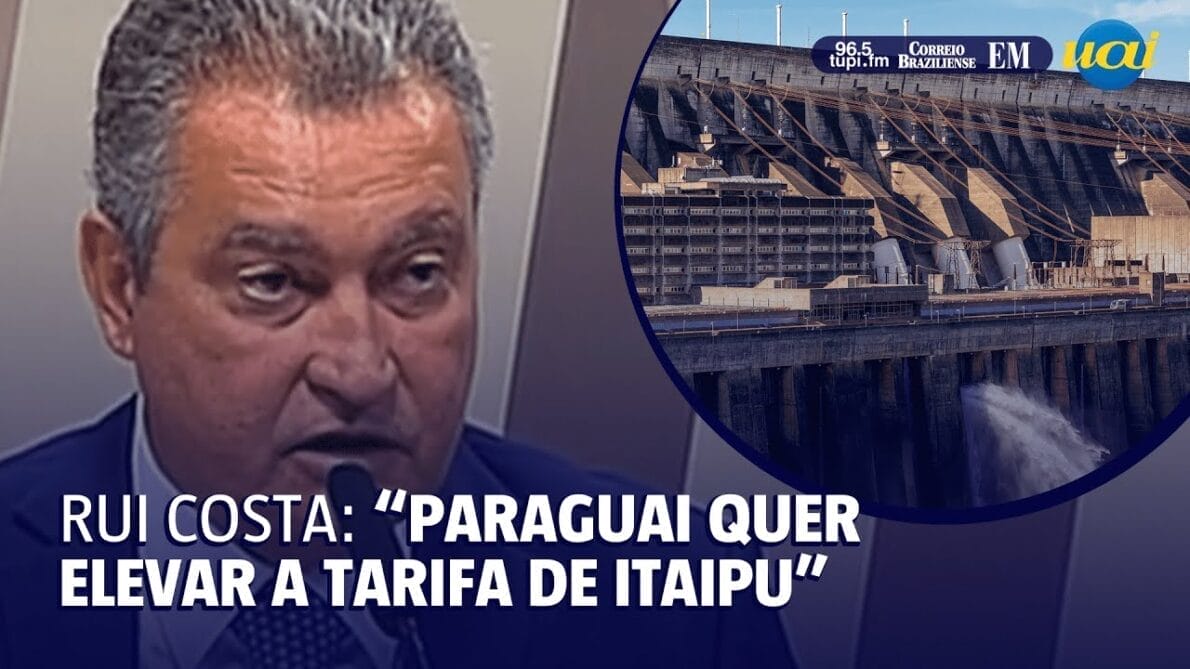
Understand The Impact Of The Tariff Adjustment On The Cost Of Energy From The Itaipu Hydroelectric Plant Between Brazil And Paraguay And How It Affects You
In a significant event that marked energy diplomacy between Brazil and Paraguay, the two countries reached a consensus on the tariff of the Itaipu Binational Hydroelectric Plant. This decision, crucial for bilateral relations and the energy market, was signed in Asunción, the Paraguayan capital, bringing a friendly solution to a dispute that had persisted for months.
This agreement between Brazil and Paraguay not only resolves an important tariff issue but also strengthens the strategic partnership between the two countries in the energy sector. Maintaining a balanced and mutually beneficial relationship is vital for the stability and growth of the region. Furthermore, the strategy adopted to protect Brazilian consumers from tariff impacts demonstrates responsible government planning geared toward the well-being of the population.


Details Of The Energy Agreement Of The Itaipu Hydroelectric Plant
The agreement signed this Tuesday by representatives of the Brazilian and Paraguayan governments provides for an adjustment in the tariff of energy produced by the plant. Until 2026, the tariff will be increased by 15.4%, rising from US$ 16.71 per kilowatt/month to US$ 19.28. This adjustment is the result of intense negotiations and represents a middle ground between the proposals initially put forward by both countries.
-
Renewable energy advances over protected areas in Brazil, and a survey by the Energy Transition Observatory reveals silent impacts that challenge environmental conservation and pressure sensitive traditional territories.

-
Rio Grande do Sul accelerates energy transition: State invests in renewable technologies and consolidates decarbonization strategies and pathways to attract billions in new industrial investments.

-
With 160,000 m² of collectors, an area larger than 20 football fields, Silkeborg, in Denmark, hosts a solar thermal plant that heats 19,500 homes and could become the largest solar heating plant in the world.

-
A study reveals the expansion of renewable energy procurement in Brazil and shows how companies are taking advantage of opportunities to reduce expenses, ensure energy efficiency, and strengthen strategic environmental commitments.


The decisive meeting occurred in Asunción, with key figures such as Alexandre Silveira, Brazil’s Minister of Mines and Energy, and Santiago Peña, President of Paraguay, in attendance. This meeting not only solidified the foundations for the new tariff but also reaffirmed the mutual commitment to maintain the operation of the plant collaboratively and equitably.
Impact On Energy Prices For Brazilian Consumers And Mitigation Strategies
A relevant and reassuring aspect of this agreement is the Brazilian government’s guarantee that there will be no financial impact on consumers in the country. This statement comes from sources at the Ministry of Mines and Energy, who explain the implementation of an internal compensation strategy. Essentially, the difference resulting from the tariff increase will be offset by injecting the plant’s own resources, a smart measure to balance costs without passing it on to the citizen.
Continuing, the transition to the next paragraph explains more about the direct benefits that Paraguay will gain from this new agreement, expanding its possibilities in the energy market.
Benefits For Paraguay And Expansion In The Free Energy Market
As established by the agreement of the Itaipu Hydroelectric Plant, a significant advantage for Paraguay is the permission to sell energy directly to the free market. This new sales capability allows the country to obtain a higher tariff, ensuring fairer compensation. Traditionally, Paraguay was restricted to selling energy only to the regulated market, that is, to distributors. With the opening to the free market, there is an opportunity to directly reach large consumers, a positive evolution for its economy and energy sector.
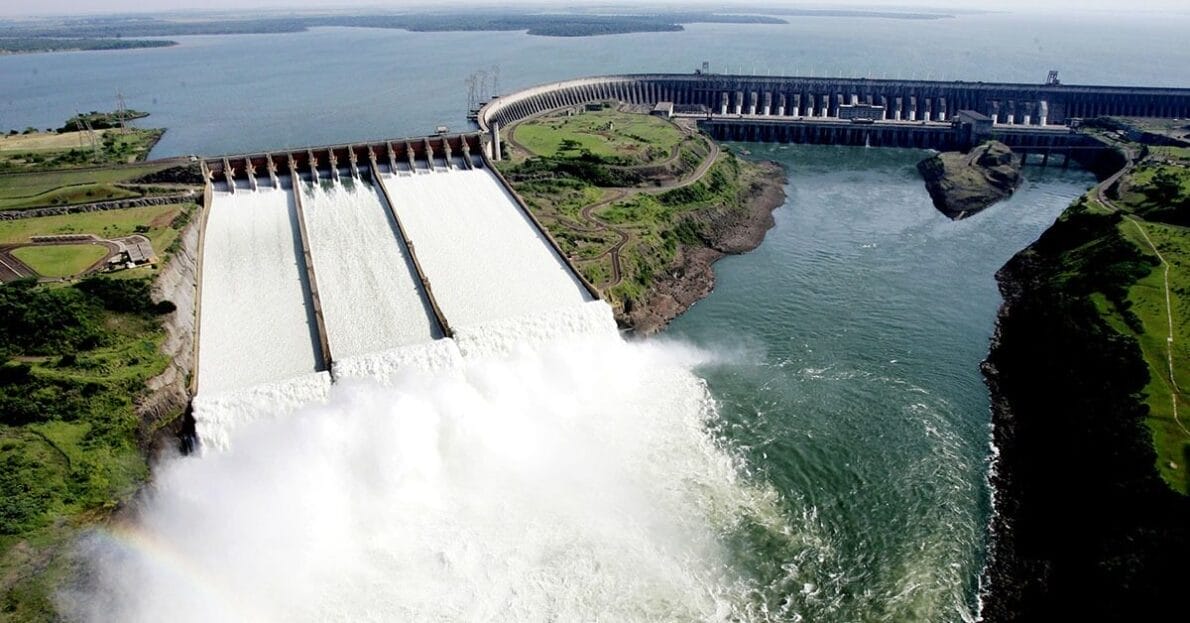
Review And Renegotiation Of Annex C Of The Itaipu Treaty
In addition to the tariff adjustment, the agreement also establishes that Annex C of the Itaipu Treaty, which defines the financial bases of the plant, be reviewed and renegotiated within six months. This is a critical point, as the original conditions were set 50 years ago when the hydroelectric plant was created. Reviewing this document is essential to adapt operations and agreements to the current reality and future energy demands of both countries.
Image: Portal UAI
Source: Exame








Seja o primeiro a reagir!