





 Portuguese
  English
  Spanish
  5 min of reading
  0 comments


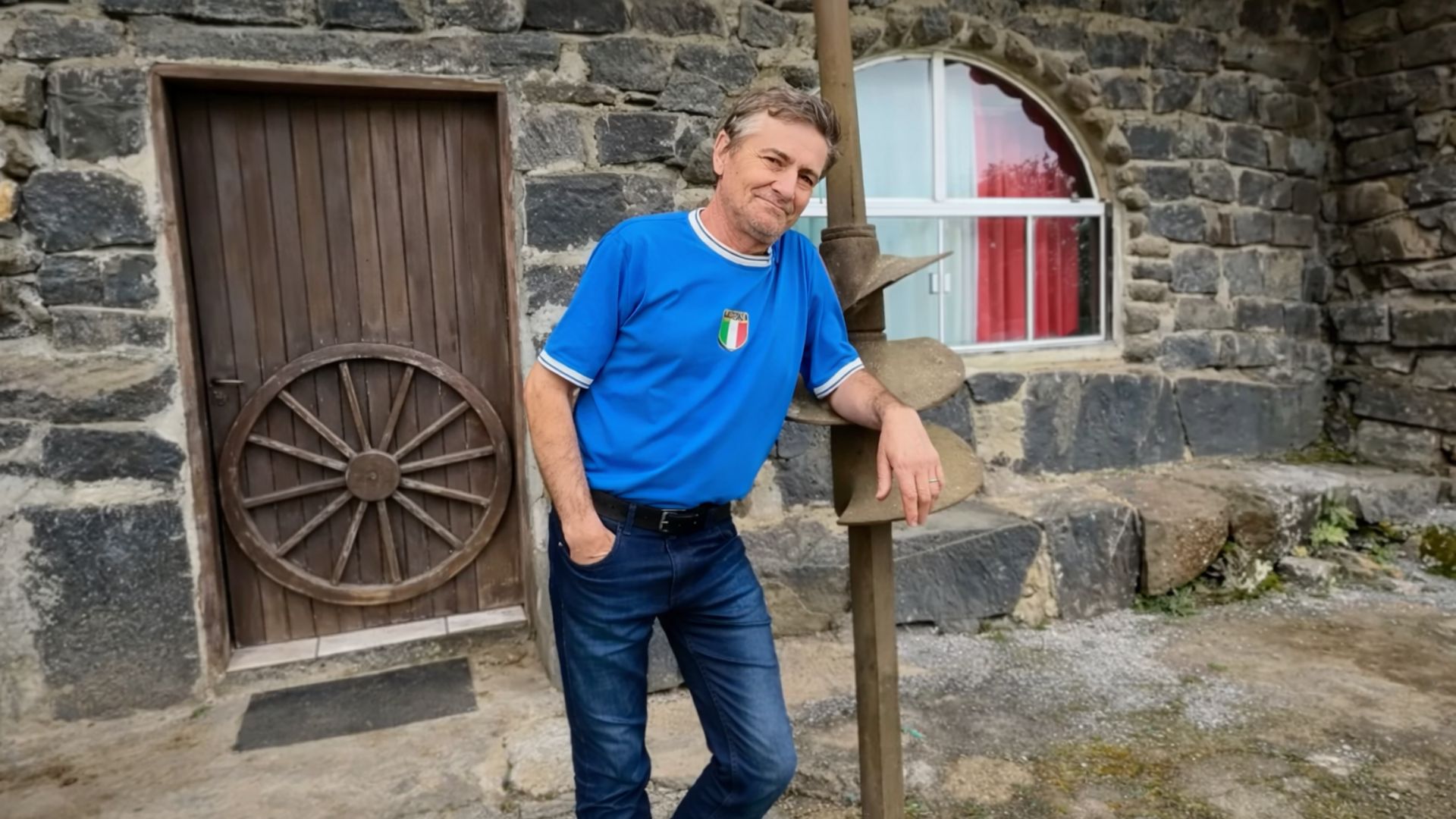
Handmade Construction in the Mountains of Santa Catarina Draws Attention for the Perseverance of a Retiree Who Built a Stone House Alone Over Two Decades, Shaping More Than Two Thousand Rocks by Hand and Turning a Personal Project into a Curious Attraction for Visitors of the Itajaí Valley.
In the interior of Rodeio, in the Médio Vale do Itajaí, a retiree transformed two decades of solitary work into a construction that draws attention for its resilience and originality.
Without a plan, without an engineer, and without permanent help on the site, Dionísio Bertou built a two-story stone house, shaped from more than 2,000 manually carved rocks in a mountainous area surrounded by greenery.
The structure began to take shape in 1995 and, according to the resident himself, took about 20 years to be completed.
-
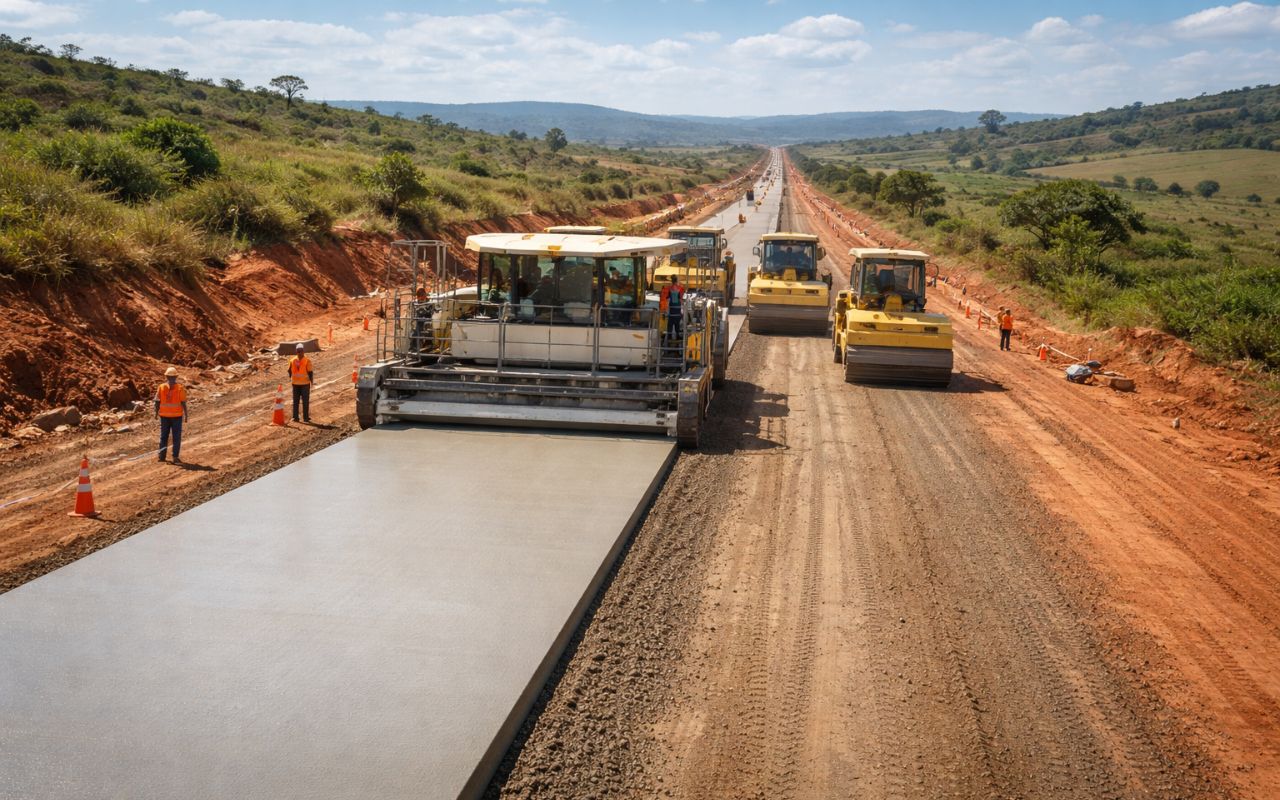
New CCR concrete paving technology promises roads up to 3x more durable, less maintenance, and cost reduction in Brazil.
-
Made from recycled plastic, plastic wood is gaining space in the construction industry because it does not rot, resists moisture, and reduces maintenance costs over the years.

-
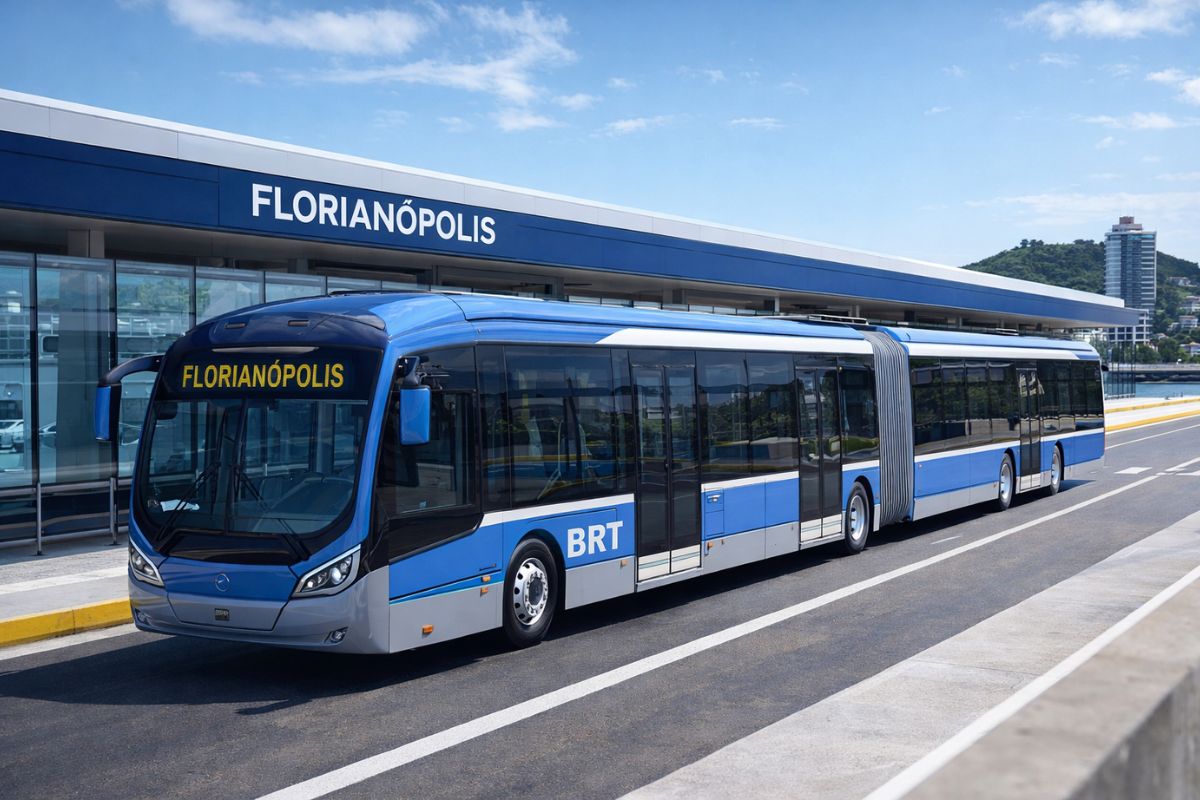
Florianópolis will receive a million-dollar BRT that will begin construction in 2026 with nearly 400 million in funding from the federal government and the Inter-American Development Bank, and the map already shows the routes for the exclusive bus corridors.
-
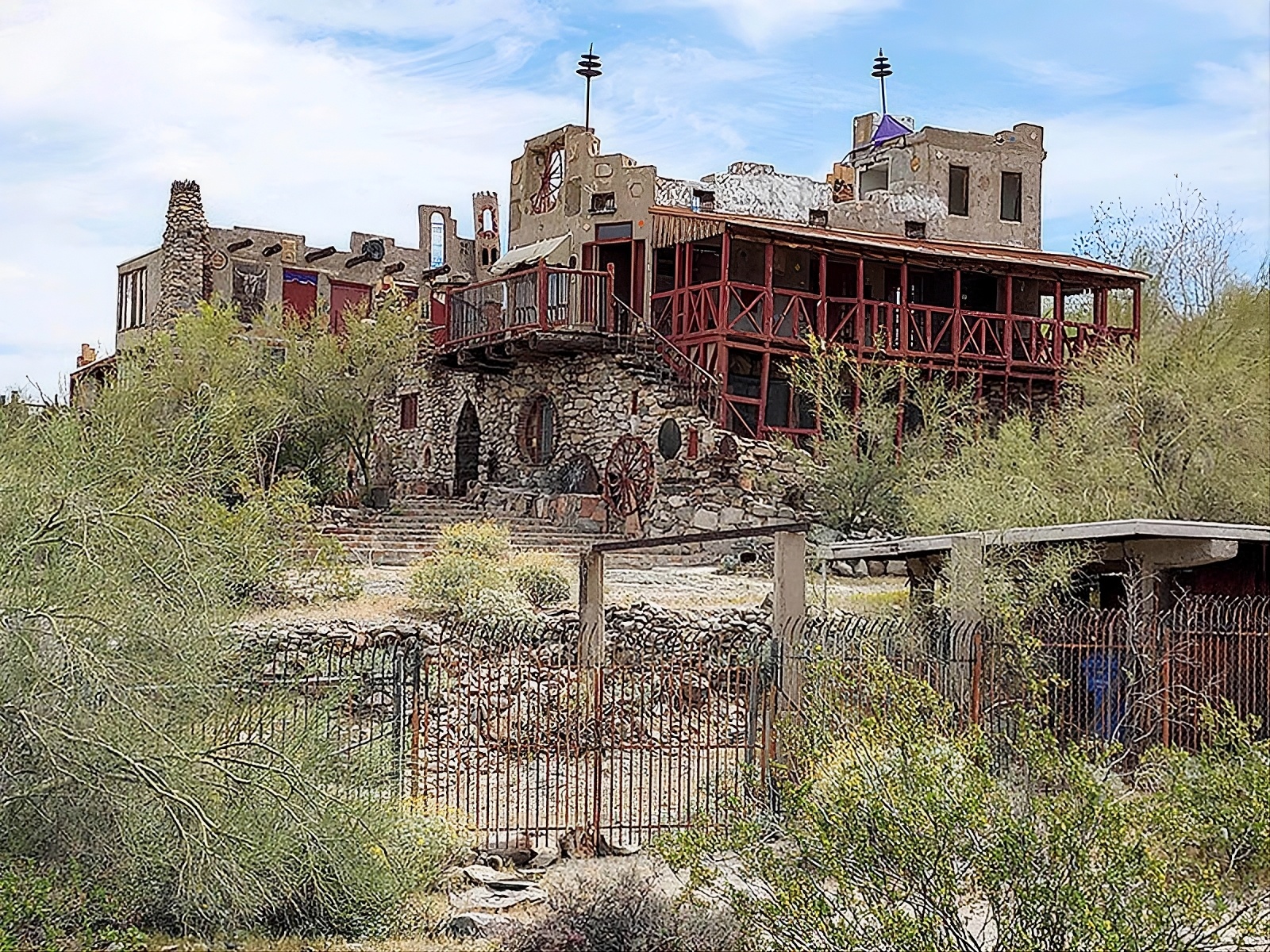
Without a blueprint, without an engineer, and using scrap from the dump, a father spends 15 years building an 18-room castle for his daughter, featuring tram tracks, 13 fireplaces, and over 700 m², which may now be demolished.

The result contrasts with the more common standard of the region, characterized by wooden or masonry houses.
There, however, the choice was different from the start: to make everything from stone, a decision he maintains as a life project and also as a personal hallmark.
Stone House Built Without a Plan in the Itajaí Valley
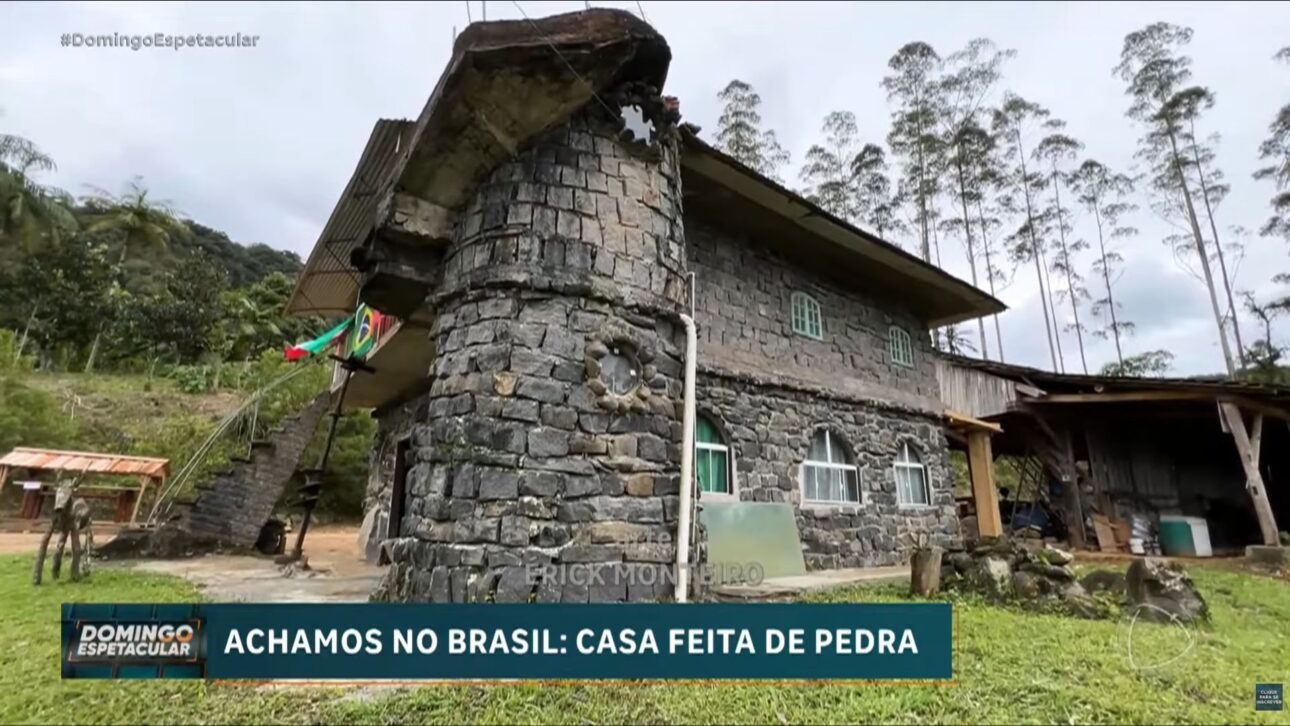
Dionísio states that he did not learn the trade with a mason nor did he work with technical drawings before starting.
The project emerged, as he summarizes, from a thought built right on the construction site, stone by stone.
“Everything from my head“, he stated while explaining that he defined fittings, heights, and proportions as the construction progressed, without resorting to sketches or formal calculations.
The decision to build with stone also came from a reaction against the conventional wisdom.
While he saw others opting for wood or brick, he chose the more difficult path.
The idea, which initially raised eyebrows, became a reality through daily insistence, in a process where improvisation did not mean carelessness, but continuous adaptation to each piece chosen and worked by hand.
More Than 2,000 Cut Stones and Millions of Strikes
Each rock needed to be individually adjusted to fit into the structure.
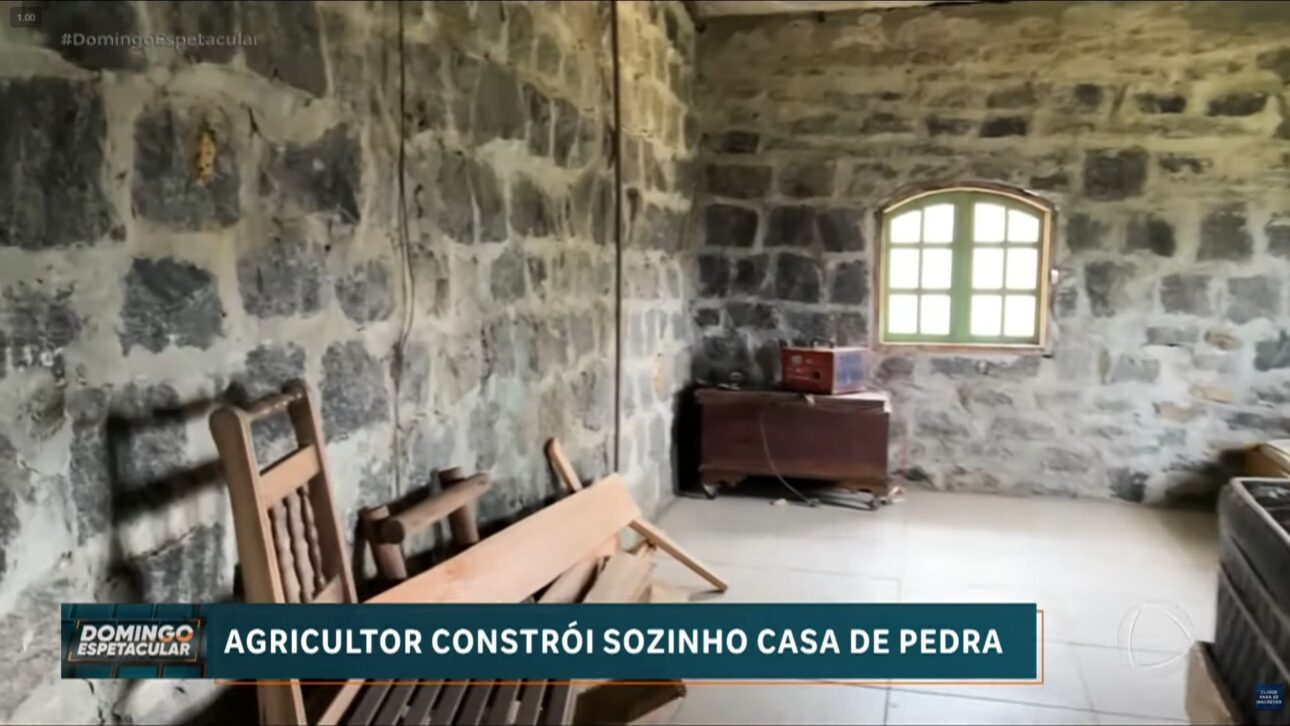
Dionísio reports that the stones were shaped with precision, in a repetitive and heavy job done with a pointer and hammer.
When trying to gauge the accumulated effort over the years, he estimates that he has made more than 5 million hammer blows, a number he uses to convey the physical wear involved in the process.
The cost of this method is reflected in his own body.
In his account, he recalls that he often missed the blow while chiseling a corner of the stone and ended up hitting his hand.
Still, he kept the pace.
The work advanced in an artisanal manner, without sophisticated equipment and without a production line, which helps explain why the house ended up also becoming a material portrait of the resident’s persistence.
Influence of Italian Immigration on the Construction
Descendant of Italians, Dionísio associated the construction with a family tribute.
The reference came from the old rustic buildings linked to European immigration, a presence that marks the history of Rodeio since the late 19th century.
In the municipality, colonization by families of Trentino and Italian origin is part of the local formation, which helps contextualize the aesthetic and emotional choice of the retiree.
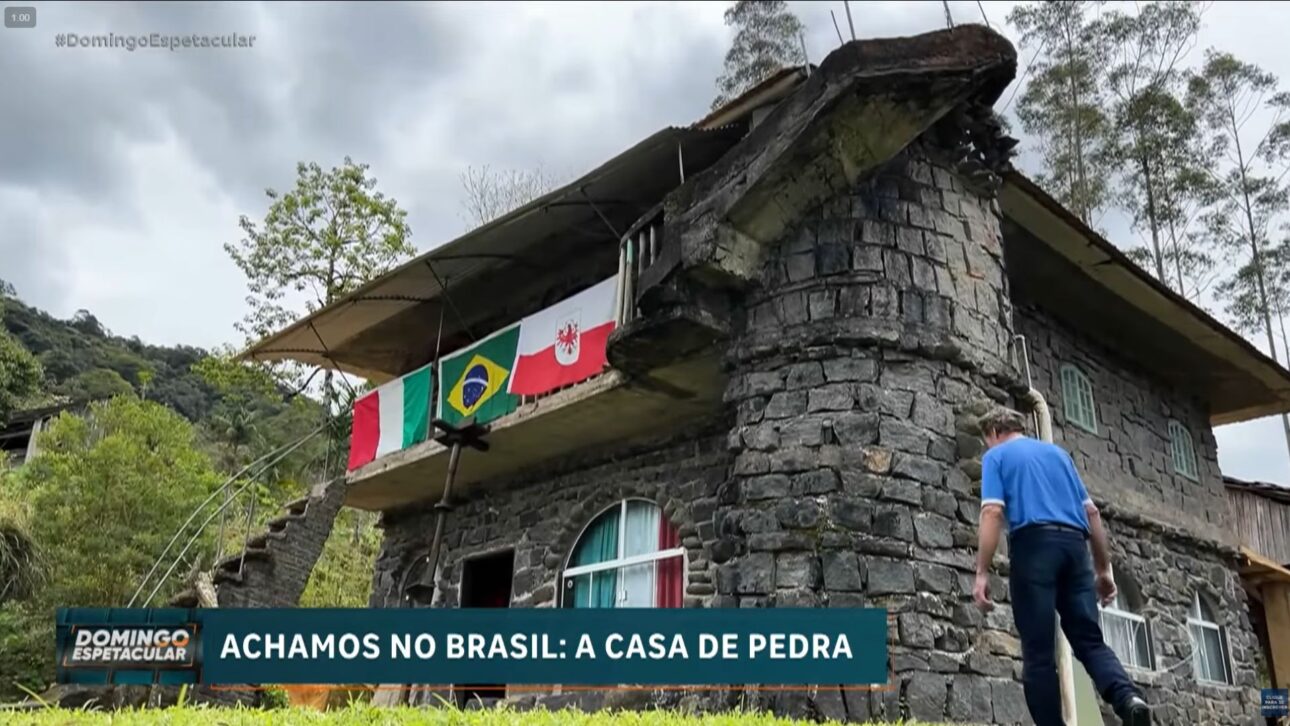
The choice of material had not only symbolic value.
Without paint, without plaster, and with reduced use of wood, the house minimizes recurring maintenance issues, such as termites and frequent wear of finishes.
According to the resident, the structure also offers thermal comfort: it remains cooler in the summer and cozier in the winter, a combination that reinforces the functional character of the work.
Interior of the House Was Also Made by the Resident Himself
The same spirit that guided the walls is repeated in the rooms.
Dionísio claims that he recently made his own bed, using eucalyptus wood and taking advantage of a crooked branch as part of the design of the piece.
On the wall, another detail catches the eye: a guitar made by him, a sign that the manual work goes beyond the construction of the house and extends to everyday items and personal expression.
The tight income, described by him as equivalent to a minimum wage, imposes limits on more expensive renovations and finishes.
Even so, the lack of luxury does not appear as an absence of identity.
The interior has been filled over time with pieces produced by the resident himself and choices shaped more by necessity and skill than by decorative standard or consumption.
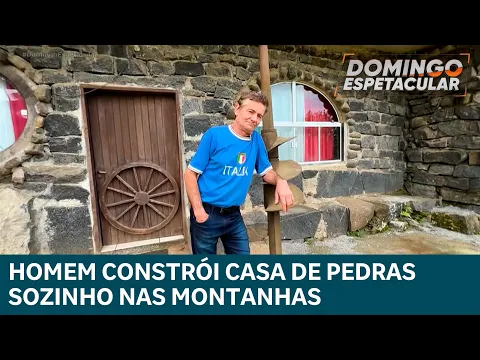

Two-Story House Impresses Visitors
The house has two floors, and the upper floor enhances the impression of solidity that the work conveys to those who visit the site.
In his account, Dionísio says that people who passed by the property were surprised by the fact that the construction shows no cracks even decades after the start of the work.
This observation emerges as one of the points that most arouses curiosity about the resistance of the structure.
At the top of the house, he observes the mountain landscape as if watching over a territory shaped by his own effort.
The scene reinforces the personal dimension of the project, which blends residence, family memory, and determination.
At the same time, it helps explain why the construction has ceased to be just a rural residence to become an attraction among visitors who arrive at the site drawn by the story of the man who decided to build his own stone fortress alone.
Simple Life, Music, and Plans for Change
Despite the attachment to the house, Dionísio also speaks of the desire to change his life.
After having been to Italy three times, he began to mention the possibility of selling the property and spending time outside Brazil.
The plan is linked to the condition of living alone and the desire to enjoy retirement differently, although the connection to the property remains evident in every detail built by his hands.
Even so, the routine does not merely consist of reminders of the past.
In addition to his experience as a farmer and his history related to activities such as beekeeping, trucking, and farming, he maintains the habit of singing and composing.
“Never Stopped“, he summarizes.
The phrase helps to condense the profile of a man who, even retired, remains associated with manual work and the willingness to turn effort into concrete permanence.









-

-

2 pessoas reagiram a isso.