





 English
  Francês
  Alemão
  Italiano
  Japonês
  Norueguês
  Portuguese
  Spanish
  5 min of reading
  0 comments


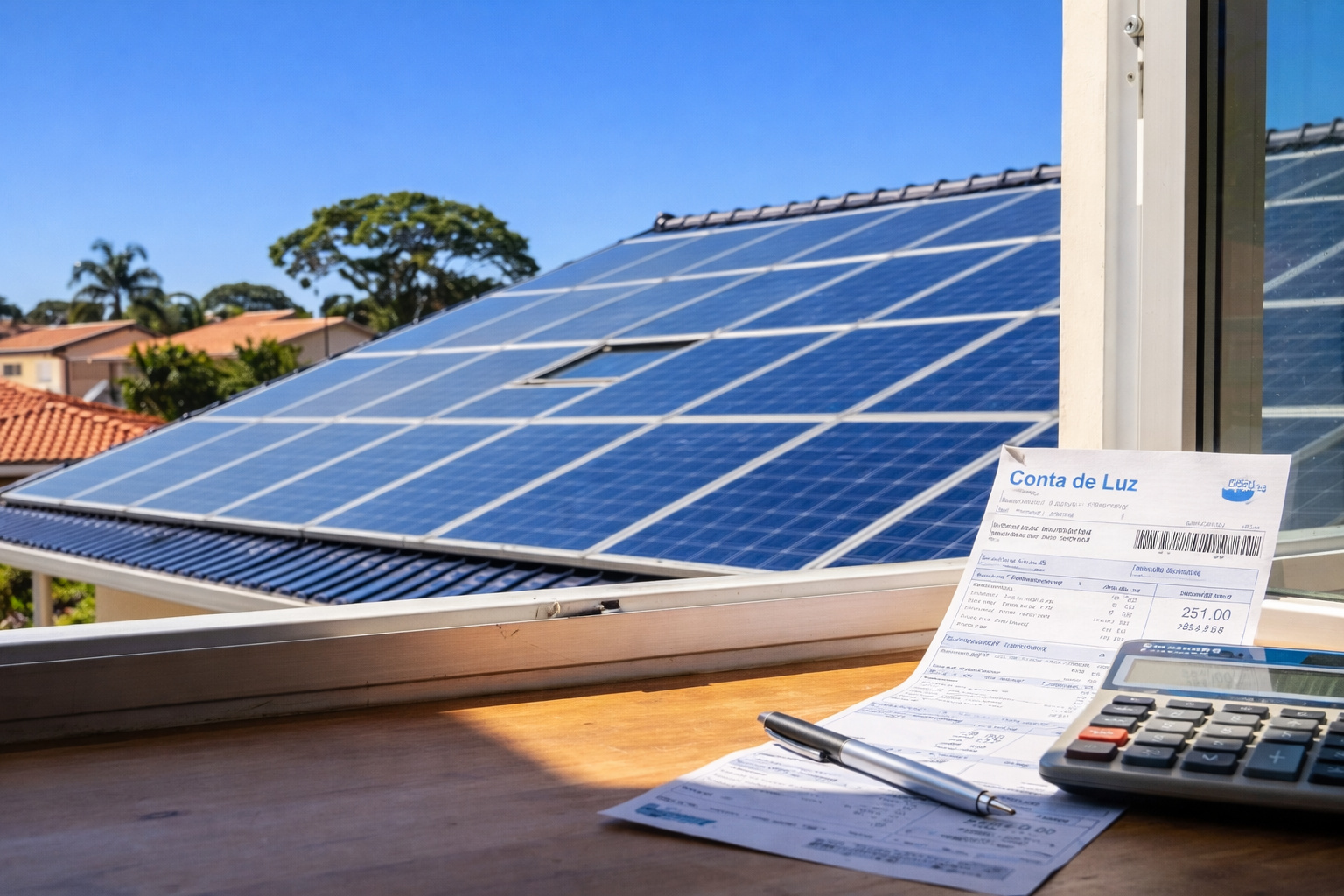
Discover How Subscription Solar Energy for Cost Cutting Allows Brazilians to Reduce Their Electricity Bill by Up to 50% Without Initial Investment, with Financial Predictability and Access to Clean Energy.
Currently, the search for alternatives capable of reducing the electricity bill increasingly leads Brazilians to discover a model that is consistently growing in the country: subscription solar energy for cost cutting. In this scenario, marked by high tariffs, frequent tariff flags, and little predictability in electricity prices, this modality emerges as an accessible, economical, and sustainable solution for households and small businesses.
Additionally, the electricity bill has become a constant source of insecurity in household budgets. This occurs because, in many cases, families face difficulties in predicting the final bill amount at the end of the month. Especially during periods of water scarcity, when the activation of thermal plants becomes necessary, the generation costs increase and consequently impact the consumer directly.
Over the past few decades, the Brazilian electric matrix has gradually undergone significant changes. For many years, hydroelectric plants met a large part of the national demand. However, as cities grew and, at the same time, consumption continually increased, recurring droughts began to drive up system costs. As a result, consumers felt these impacts financially and thus sought more predictable alternatives.
-
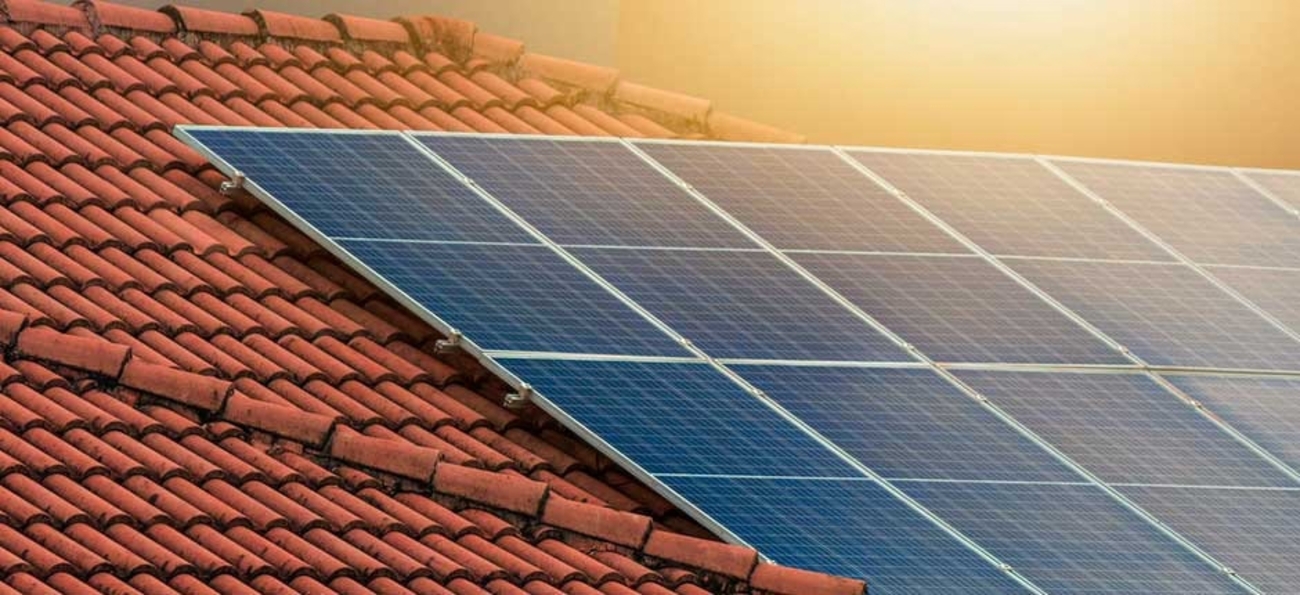
Roraima bets on the sun to escape high tariffs: Amid the energy crisis and price hikes, solar energy is growing in Roraima and transforming consumption in the North region.
-
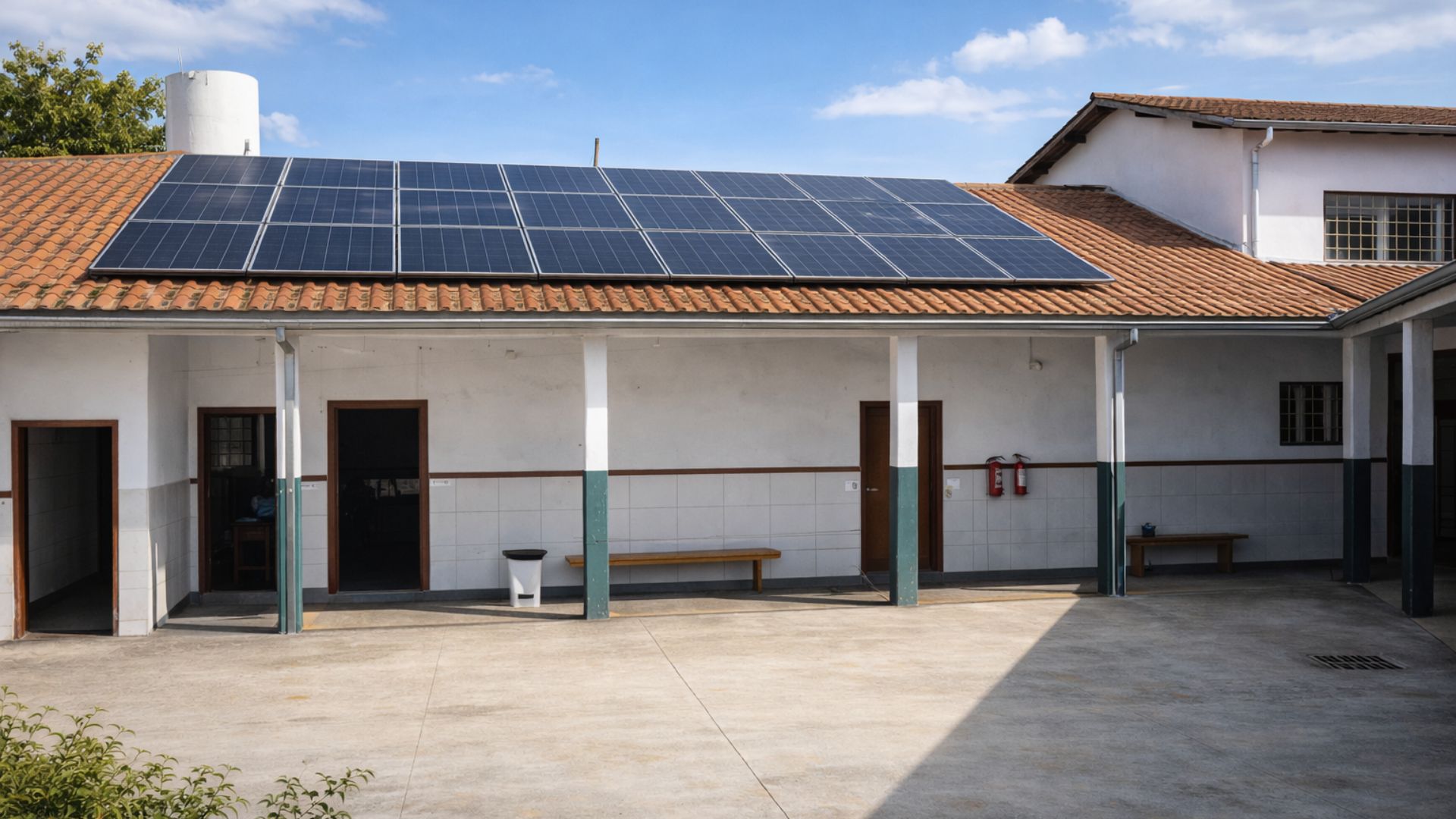
Copel boosts solar energy in Paraná and brings innovation to public schools, promoting savings on electricity bills, energy efficiency, and a direct impact on the quality of education.
-
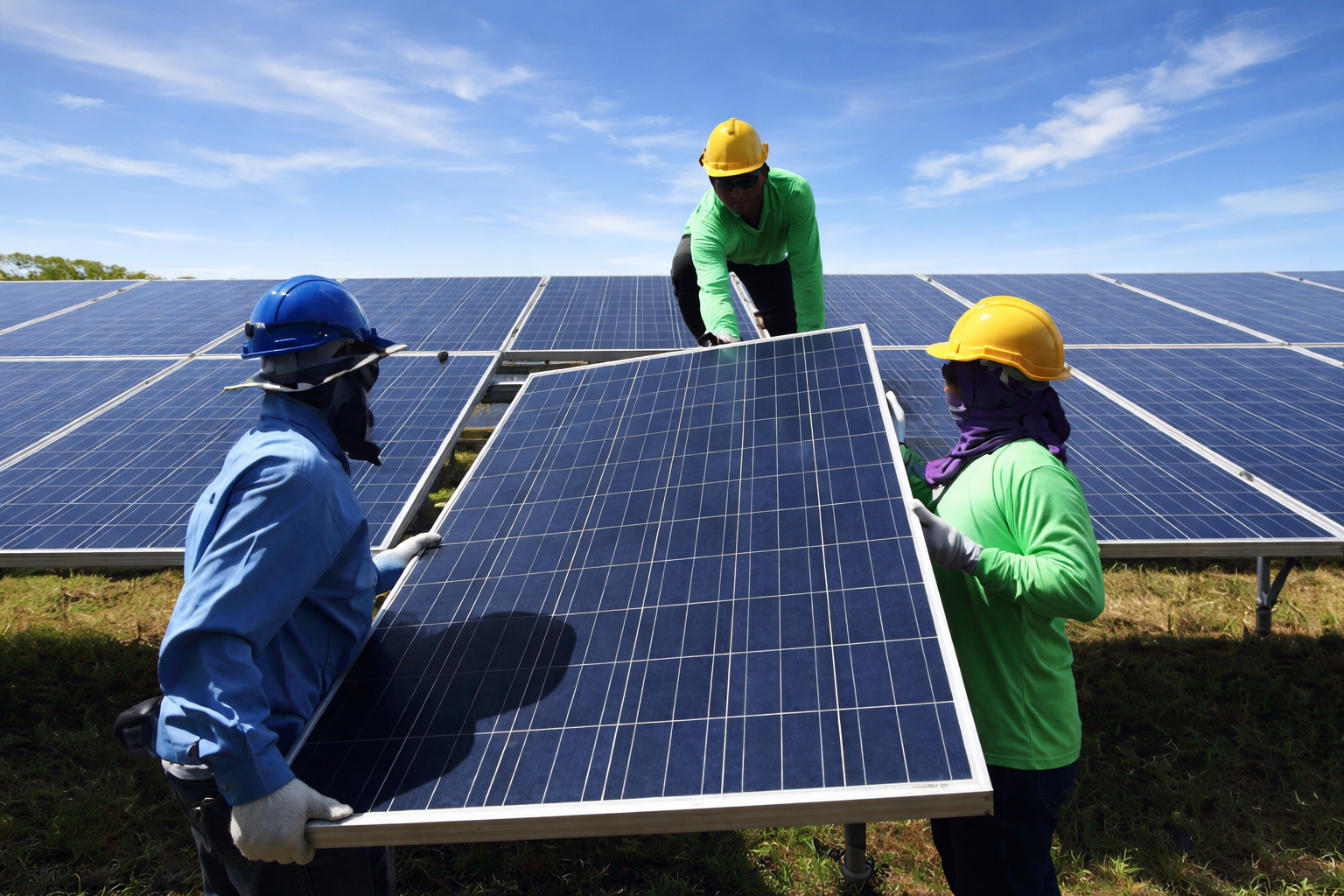
Brazil reaches historic milestone in solar energy: Sector surpasses 2 million accumulated green jobs and generates billions in the national economy even under market pressure.
-
Minas Gerais takes the lead in renewable energy: State surpasses historic mark of 14 GW in solar energy generation in MG and consolidates dominance in the Brazilian electric sector.
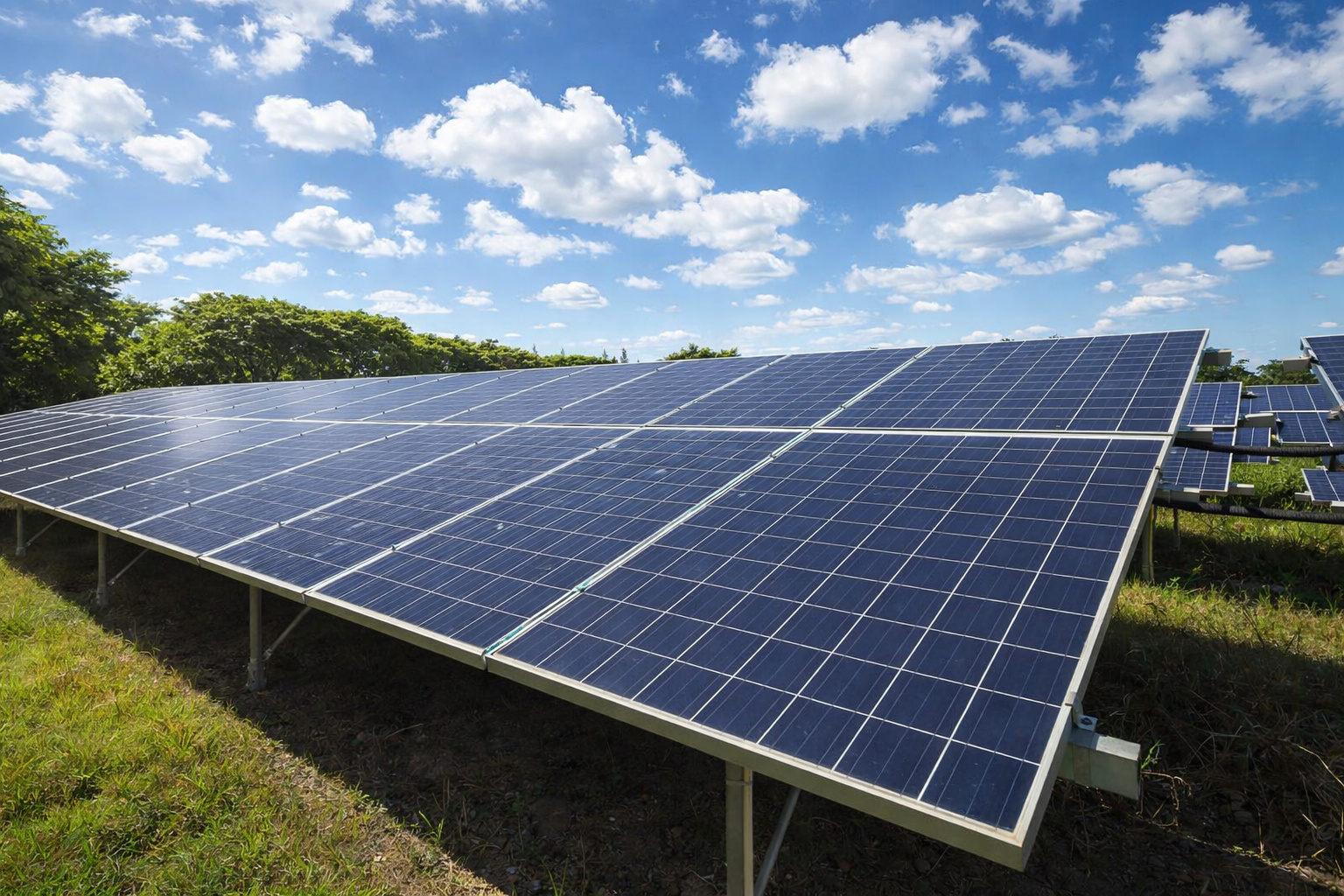

In this context, solar energy stopped serving only large projects or families with high investment capacity. This is because, with the regulation of distributed generation and, at the same time, the advancement of sharing models, subscription solar energy for cost cutting began to represent a natural evolution of the Brazilian electric sector, especially for those who want to save money without compromising the initial budget.
How Subscription Solar Energy Works in Daily Life
In general, subscription solar energy works differently from the traditional installation of photovoltaic panels in homes. Instead of purchasing equipment, the consumer signs a plan and thus begins to receive energy credits generated by a remote solar plant. Although this plant may operate in another region, the local distributor offsets the energy produced directly on the electricity bill, according to the current rules of the national electrical system.
In this way, the model eliminates construction, high initial investments, and, in addition, worries about maintenance. At the same time, the consumer remains connected to the local distributor and uses the same electrical grid. However, the consumer starts to consume part of the energy generated by solar sources, simply and transparently.
For this reason, practicality explains much of the growth of this modality. After signing the contract, the responsible company takes over all technical and regulatory aspects. In a few weeks, therefore, the discount starts to show up on the monthly bill, without the consumer needing to change their routine.
Furthermore, since the property does not receive equipment, the consumer avoids risks related to roof structure, physical guarantees, and efficiency loss over time. Consequently, the decision becomes safer and more accessible for different profiles.
Historical Evolution of Solar Energy in Brazil
Over time, the maturity of the renewable energy market has driven this model. This happened because the reduction in the cost of solar panels, combined with technological advances and the expansion of regulations, allowed companies to begin building solar plants aimed at serving consumers who do not wish to install their own systems.
Throughout the years, distributed generation gained space precisely in response to the need to diversify the electric matrix. Additionally, this movement sought to reduce dependence on large hydroelectric reservoirs. Thus, subscription solar energy for cost cutting emerges as a direct consequence of this process, expanding access to clean energy across the country.
At the same time, this advancement aligns with a global trend of decentralizing energy production. In this new scenario, therefore, the consumer ceases to occupy only the role of tariff payer and starts to actively participate in the electrical system, even without dealing with technical complexities.
Savings, Predictability, and Reduction of the Electricity Bill
From a financial perspective, subscription solar energy for cost cutting stands out mainly for its predictability. Unlike the traditional electricity bill, which undergoes frequent adjustments, tariff flags, and seasonal variations, subscription contracts offer fixed discounts on the energy consumed.
Consequently, this predictability helps families and small businesses to better organize their monthly budget. In addition, it reduces the impact of unexpected increases throughout the year. In many cases, therefore, the accumulated savings represent a significant difference in household finances.
Even so, it is important to emphasize that the model does not completely eliminate the electricity bill. The consumer continues to pay minimal charges and the availability fee from the distributor. However, even with these costs, the reduction in the final amount makes solar subscription financially attractive.
Accessibility for Different Consumer Profiles
Another relevant point is accessibility. As the model does not require the installation of equipment in the property, subscription solar energy serves apartment residents, rented houses, and, in addition, small businesses that do not have the structure for photovoltaic panels.
Thus, this flexibility democratizes access to renewable energy and breaks the association of solar energy only with owned or high-value properties. In this way, more Brazilians can participate in the energy transition without facing financial or technical barriers.
Moreover, simple contracts and transparent conditions facilitate adherence and, consequently, reduce the insecurity common in decisions related to the electric sector, especially among consumers less familiar with the topic.
Sustainability and Energy Transition
In addition to savings, sustainability increasingly weighs in on decision-making. This is because solar energy generation does not emit greenhouse gases during operation and, at the same time, reduces dependence on more polluting sources, such as thermal plants powered by fossil fuels.
By opting for subscription solar energy for cost cutting, the consumer contributes directly to the expansion of a cleaner energy matrix. All of this occurs without the need to alter the electrical infrastructure of the property or daily consumption habits. In this way, the model allows to align savings, environmental awareness, and social responsibility.
Consequently, this movement strengthens the role of the consumer as an active agent of the Brazilian energy transition and encourages new investments in renewable sources.
Trends and Future of Subscription Solar Energy
As the market matures, new contract modalities, more flexible terms, and even more competitive conditions are expected to emerge. Additionally, the growth in the number of solar plants and the increase in competition consistently enhance the benefits for the end consumer.
Historically, this evolution accompanies changes observed in other sectors, where access has replaced ownership. Just as subscription services have transformed areas such as entertainment and mobility, subscription energy redefines the consumer’s relationship with electricity.
Thus, subscription solar energy for cost cutting consolidates as a timeless solution, aligned with the economic and environmental needs of Brazil. More than a passing trend, therefore, the model points to the future of energy consumption in the country, by combining savings, sustainability, and simplicity.









-

-

3 pessoas reagiram a isso.