





 Portuguese
  English
  Spanish
 5 min of reading
  0 comments


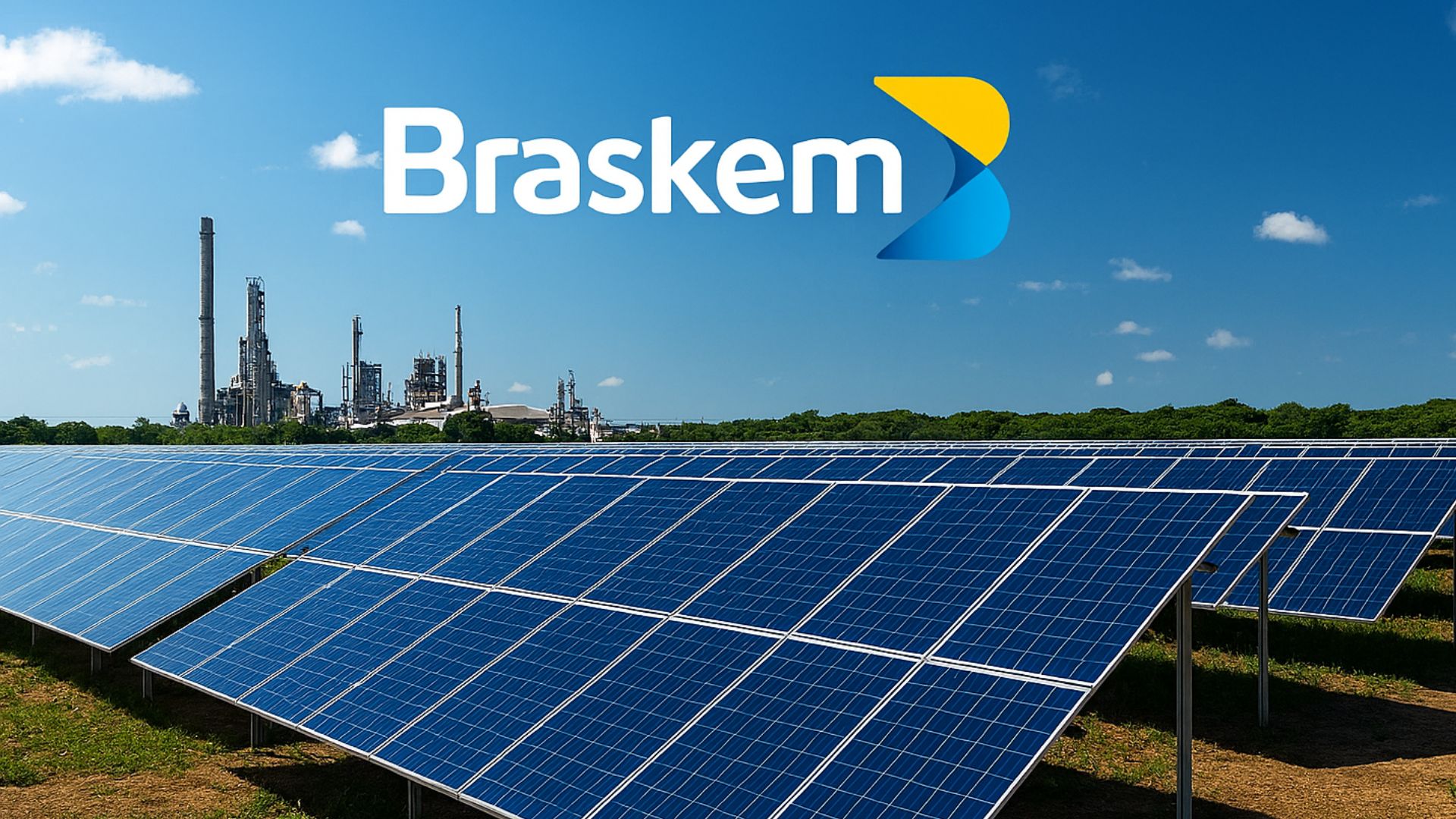
Braskem Expands Its Renewable Energy Portfolio in Alagoas with 25 MW Off-Grid Solar Plant, Reinforcing Investment in Energy Efficiency and Sustainable Solutions for Industry.
On Wednesday (24), Braskem officialized an innovative renewable energy project at its PVC plant in Alagoas, focusing on sustainability and energy efficiency. The initiative plans to build a 25-megawatt (MW) off-grid solar plant, marking a strategic advance in the company’s energy transition.
Solar Energy as a Pillar of Industrial Sustainability
The petrochemical company Braskem, one of the largest in Latin America, has taken a decisive step toward the decarbonization of its operations by announcing a new solar energy project at its industrial unit located in Alagoas.
The plant will be installed within the factory itself, adopting the off-grid model — that is, disconnected from the national transmission system — and will directly serve local operations.
-
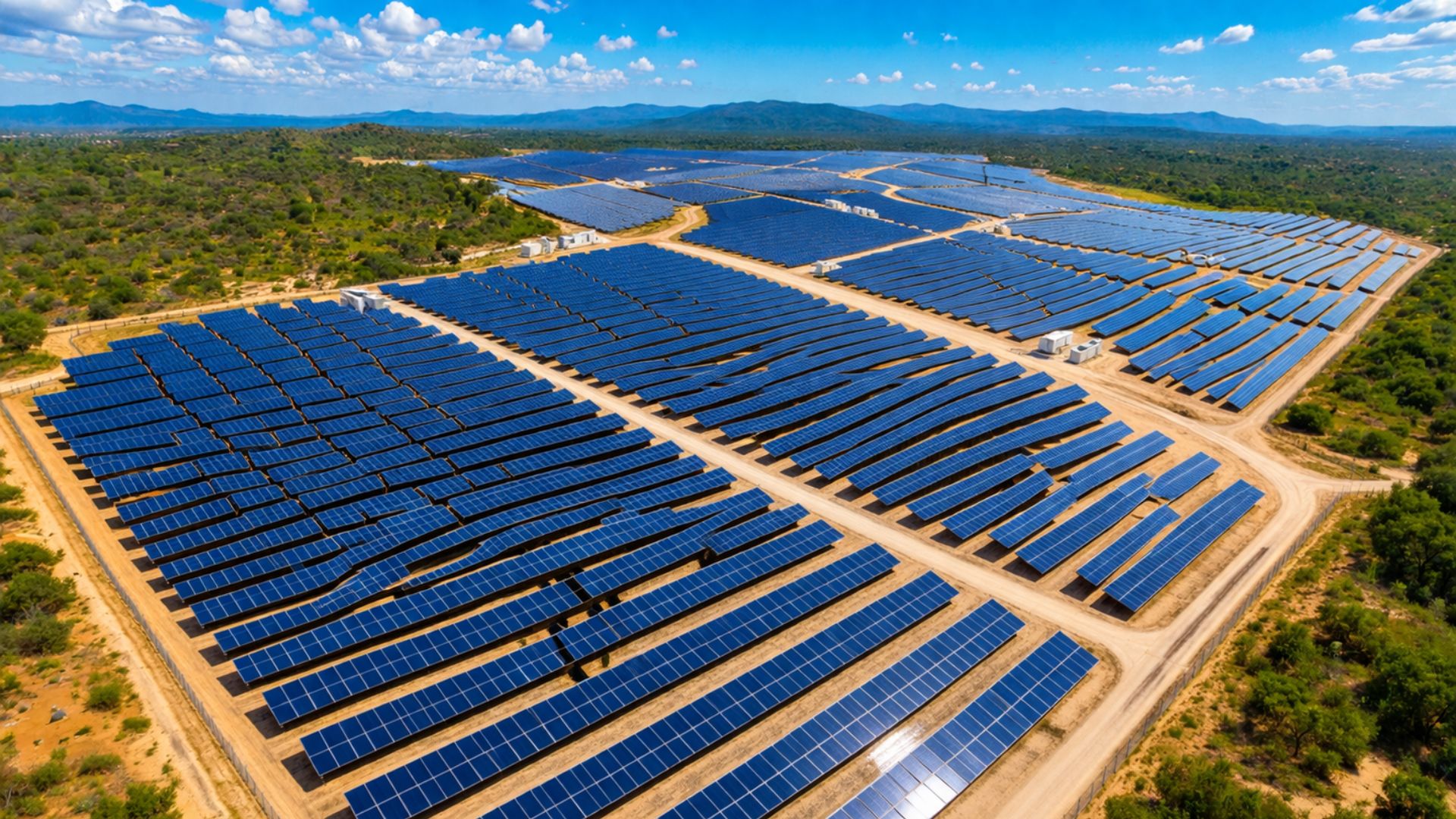
The Sol do Agreste Photovoltaic Complex begins operations in Pernambuco and accelerates the expansion of solar energy in Brazil, directly impacting the reduction of emissions and strengthening the sustainable energy matrix.
-
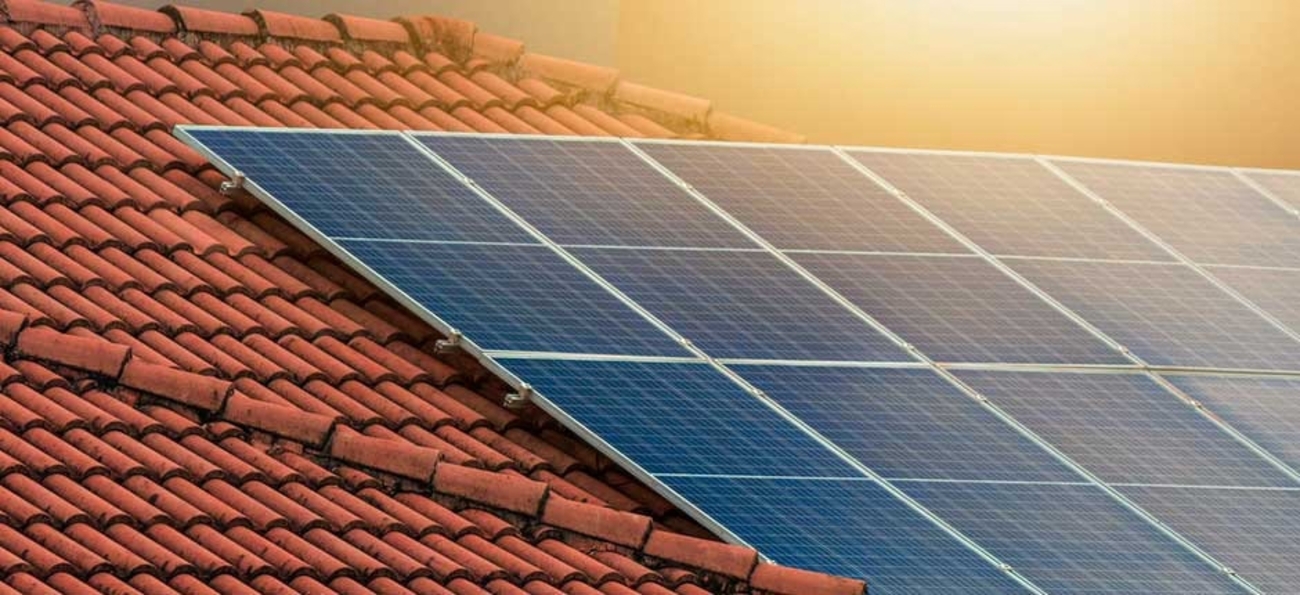
Roraima bets on the sun to escape high tariffs: Amid the energy crisis and price hikes, solar energy is growing in Roraima and transforming consumption in the North region.
-
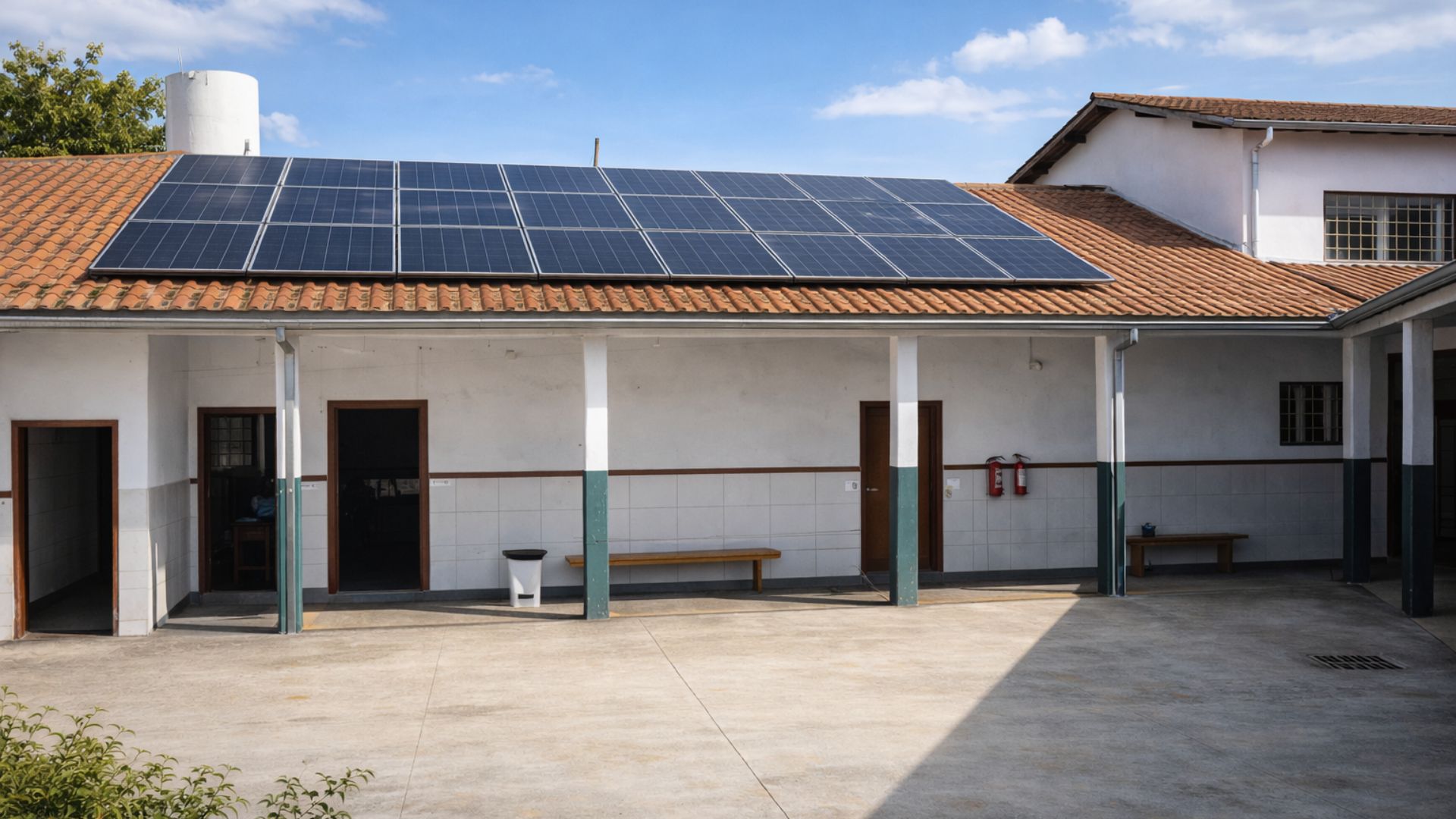
Copel boosts solar energy in Paraná and brings innovation to public schools, promoting savings on electricity bills, energy efficiency, and a direct impact on the quality of education.
-
Brazil reaches historic milestone in solar energy: Sector surpasses 2 million accumulated green jobs and generates billions in the national economy even under market pressure.
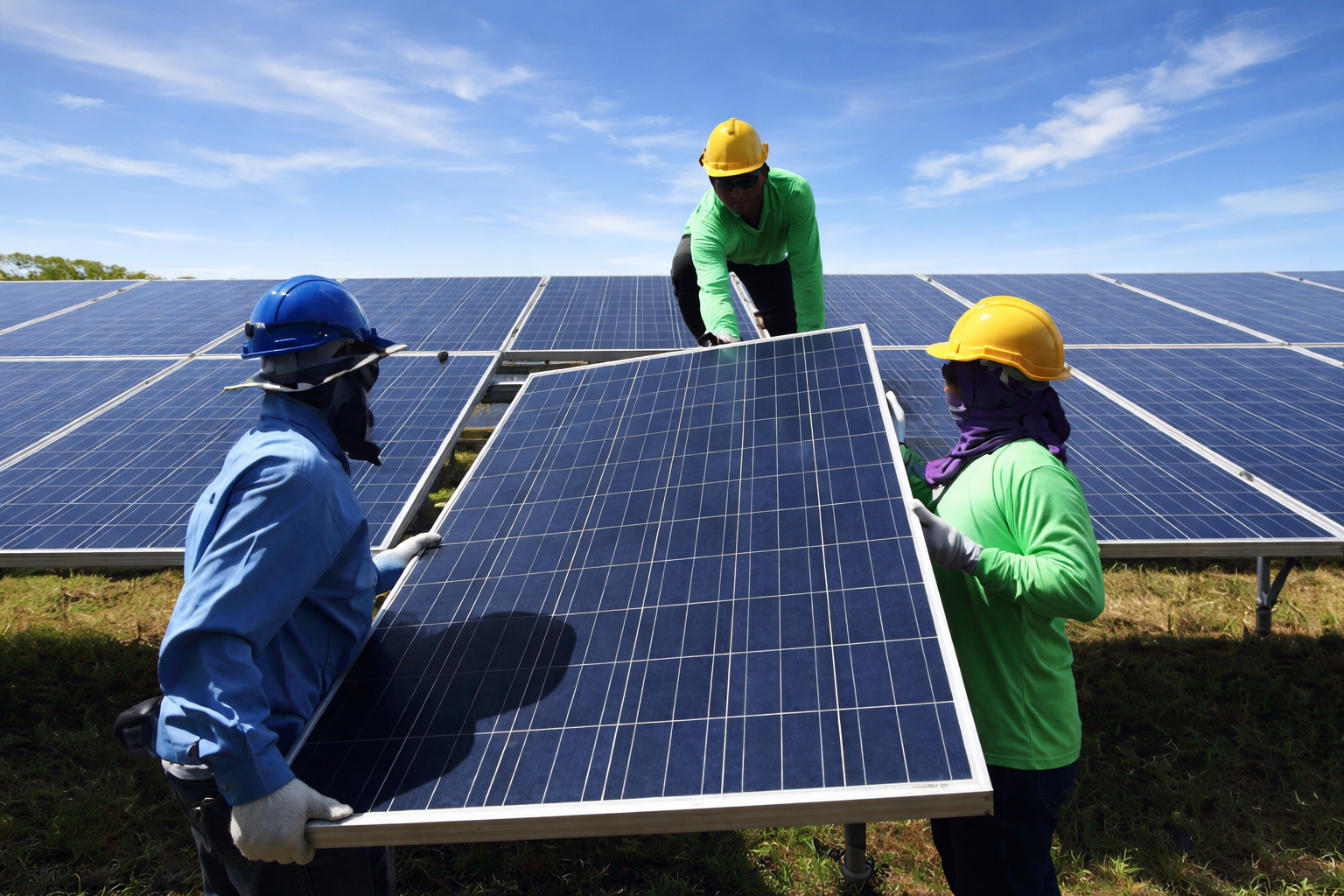

Expected to start operating in January 2027, the solar plant will supply 25% of the total consumption of PVC production lines at the Alagoas plant.
This move reinforces Braskem’s commitment to sustainable practices and to reducing its carbon footprint, aligning with global energy transition goals and the principles of ESG (Environmental, Social, and Governance).
Investment in Renewable Energy Strengthens Industrial Autonomy
The project represents an investment of approximately R$ 100 million and will be developed in partnership with Innovvare and Helles Solar Capital. The construction and operation of the plant will be the responsibility of these companies for a period of 20 years. At the end of this cycle, Braskem will have the option to acquire the asset.
This model of off-grid self-production ensures greater cost predictability and reduces risks of generation cuts, common in large plants connected to the national system.
Furthermore, the investment in renewable energy strengthens the industrial energy autonomy, reducing dependence on fossil sources and on transmission networks vulnerable to disruptions.
Why an Off-Grid Solar Plant is Strategic for Braskem
The choice for the off-grid model was not random. Since 2020, Braskem has been expanding its participation in renewable energy projects, but many of them were located far from the factories and depended on the transmission network. This made them vulnerable to cuts determined by the National Electric System Operator (ONS).
By installing the solar plant within the factory, Braskem eliminates intermediaries and ensures direct, reliable, and sustainable supply.
This strategic decision also allows for greater control over energy generation and consumption, contributing to operational efficiency and long-term cost predictability.
Alagoas as a Hub of Energy Innovation
The choice of Alagoas to host this project reinforces the state’s role in the energy transition agenda. Braskem’s PVC plant in Marechal Deodoro will be the company’s first unit to operate with a dedicated off-grid solar plant.
This move positions Alagoas as a national reference in sustainable industrial innovation.
The initiative may also stimulate the development of new projects in the region, attracting investments and strengthening the local productive chain focused on clean technologies.
Partnerships and Financial Structuring of Braskem’s Investment
The project is in the financial structuring phase, with ongoing negotiations with the Bank of the Northeast (BNB) and the National Bank for Economic and Social Development (BNDES). Additionally, there is interest from international investors, including Chinese and Arab groups, who may become shareholders of the initiative.
The diversity of funding sources demonstrates the potential for attracting renewable energy projects in the global market.
The involvement of public and private financial institutions reinforces the economic viability of the project and enhances its capacity to generate a positive impact on Brazil’s energy matrix.
Energy Efficiency and Emission Reduction at Braskem
The 25 MW solar plant will be capable of supplying one quarter of the energy demand of the PVC plant, significantly reducing dependence on fossil sources and operational costs. This energy efficiency is strategic for Braskem’s competitiveness in the international market.
In addition to reducing carbon emissions, the project strengthens the company’s image as a leader in ESG practices.
According to the company’s estimates, the plant could prevent the emission of thousands of tons of CO₂ per year, directly contributing to the fulfillment of the climate goals established in the Paris Agreement.

Data on the Solar Energy Sector in Brazil
According to the Brazilian Association of Photovoltaic Solar Energy (ABSOLAR), Brazil exceeded 55 GW of installed solar energy capacity in 2025. Solar energy already represents more than 22% of the national electrical matrix.
Projects like Braskem’s contribute directly to this advance, consolidating Brazil as a powerhouse in renewable energy.
Furthermore, the country has one of the highest solar potentials in the world, with an average irradiation of over 5 kWh/m²/day in much of the territory, which favors the expansion of photovoltaic projects on an industrial scale.
Expansion of the Model to Other Braskem Units
This is the first project of the partnership between Innovvare and Helles Solar Capital, but there are plans to expand the initiative to other industrial units of Braskem. The company has already expressed interest in replicating the off-grid model in other factories, increasing its energy autonomy.
The solar plant in Alagoas could be the beginning of a energy revolution within Braskem.
The replication of the model in other units could accelerate the decarbonization of the petrochemical chain and establish the company as a global reference in sustainable innovation.
Renewable Energy as a Driver of Competitiveness and Responsibility
The announcement of the off-grid solar plant in Alagoas marks a historic moment for Braskem and the Brazilian industrial sector. With a robust investment, focus on renewable energy, and strategic partnerships, the company reaffirms its commitment to sustainability and energy efficiency.
By focusing on solar energy, Braskem not only reduces costs and emissions but also leads by example, showing that it is possible to grow with environmental responsibility.
This project represents more than a technological innovation: it is a paradigm shift in how the Brazilian industry sees its role in the global energy transition. The initiative in Alagoas is a milestone that can inspire other companies to follow the same path, promoting a cleaner, more efficient, and competitive future.






Seja o primeiro a reagir!